WHIP PAN
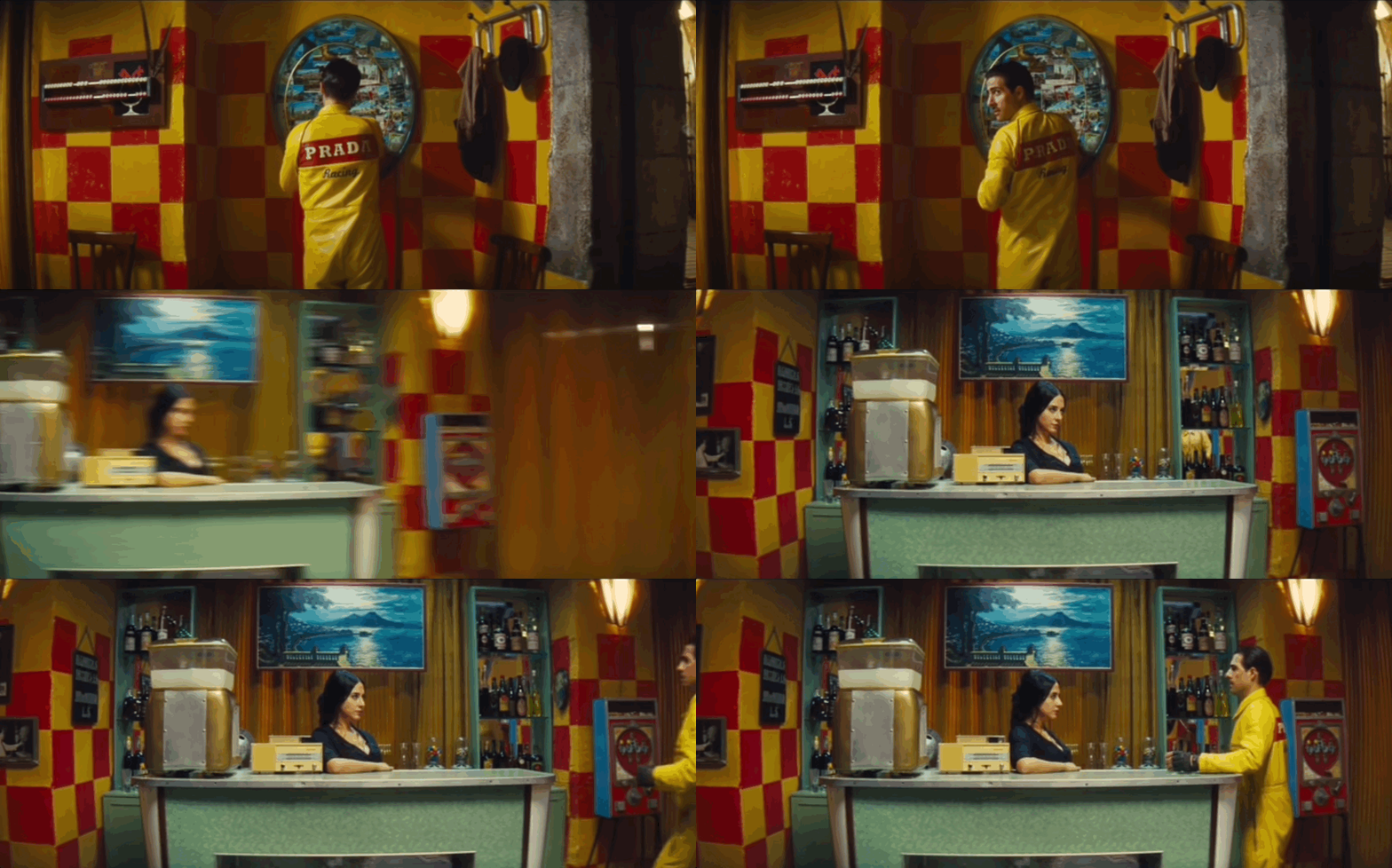
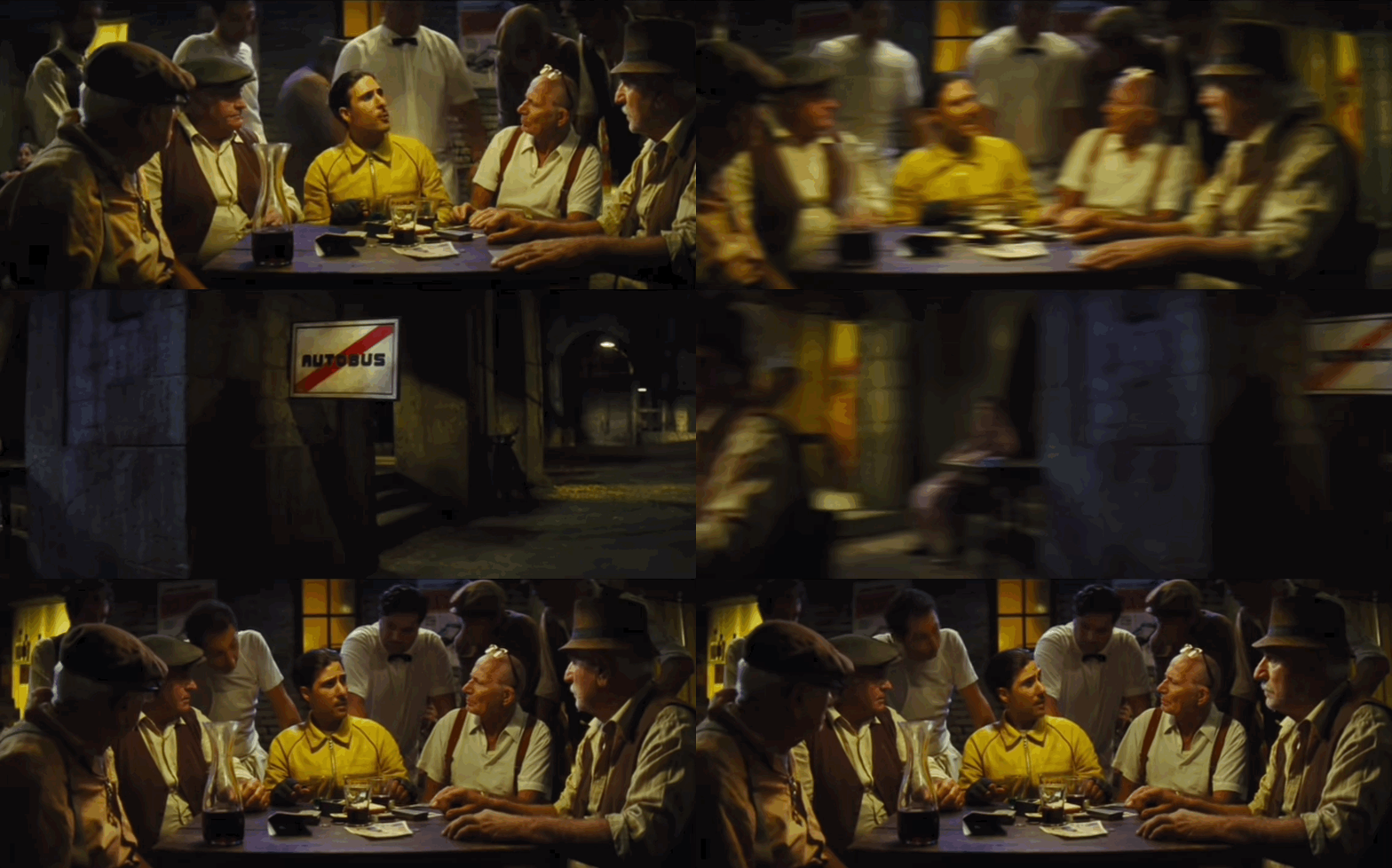
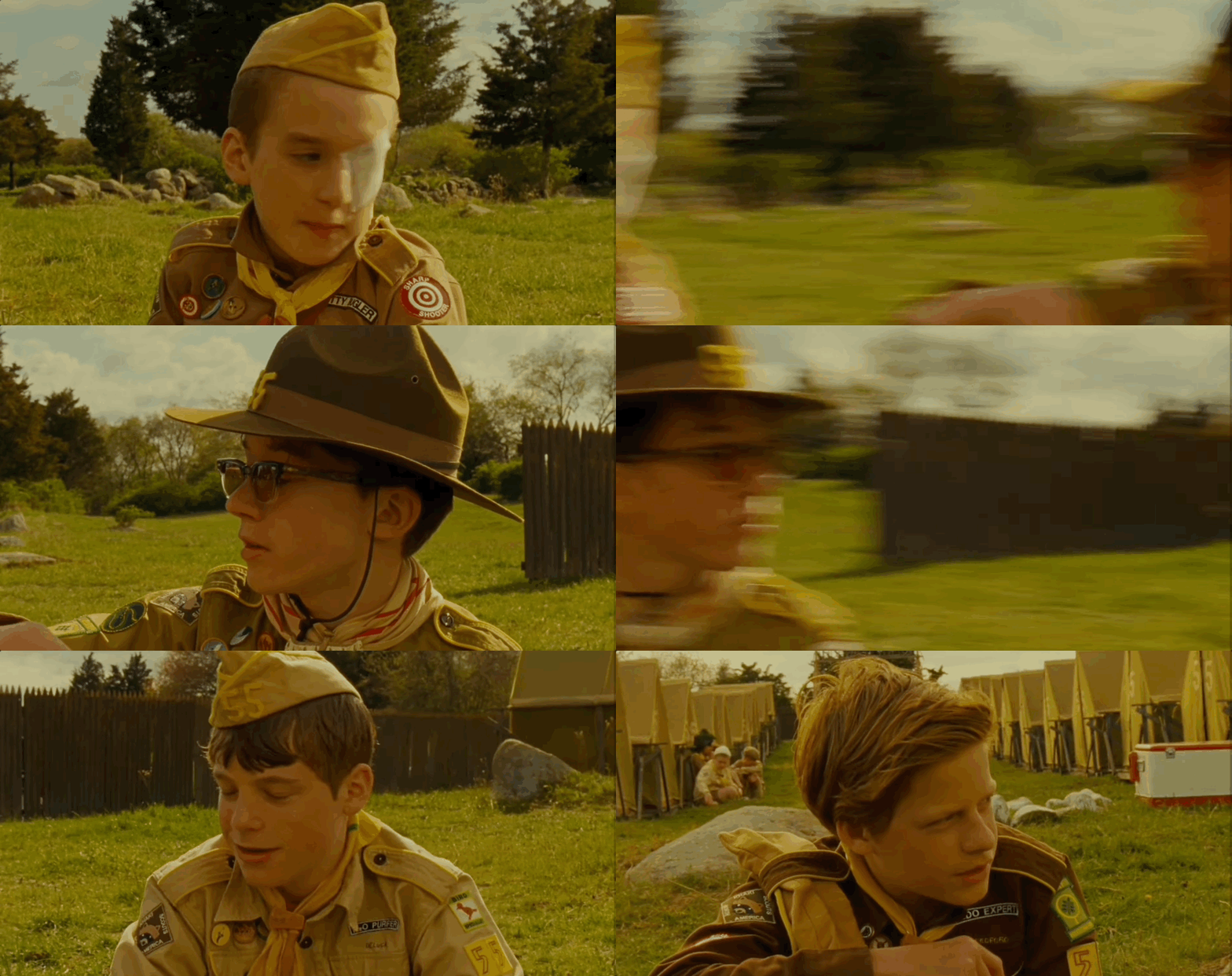
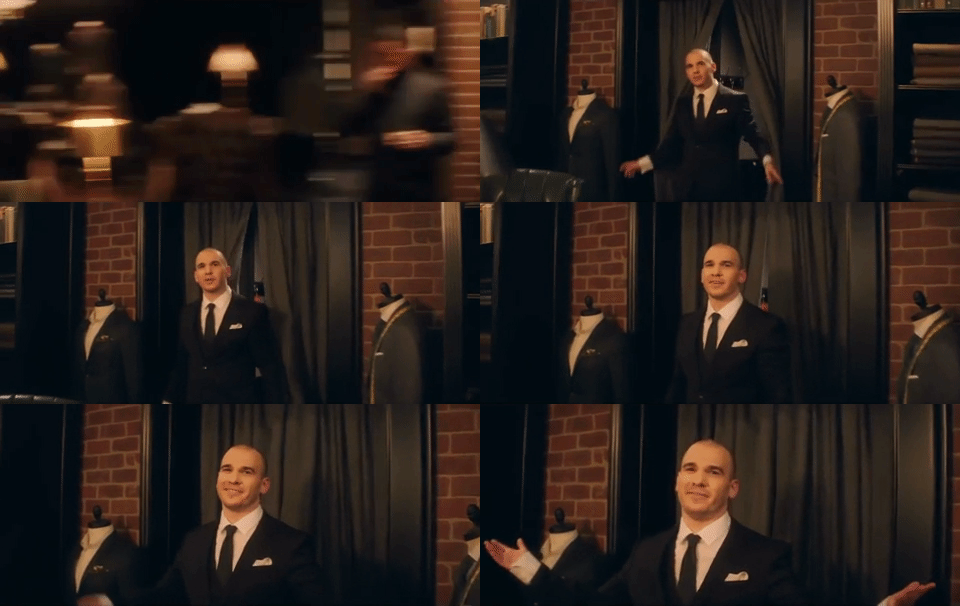
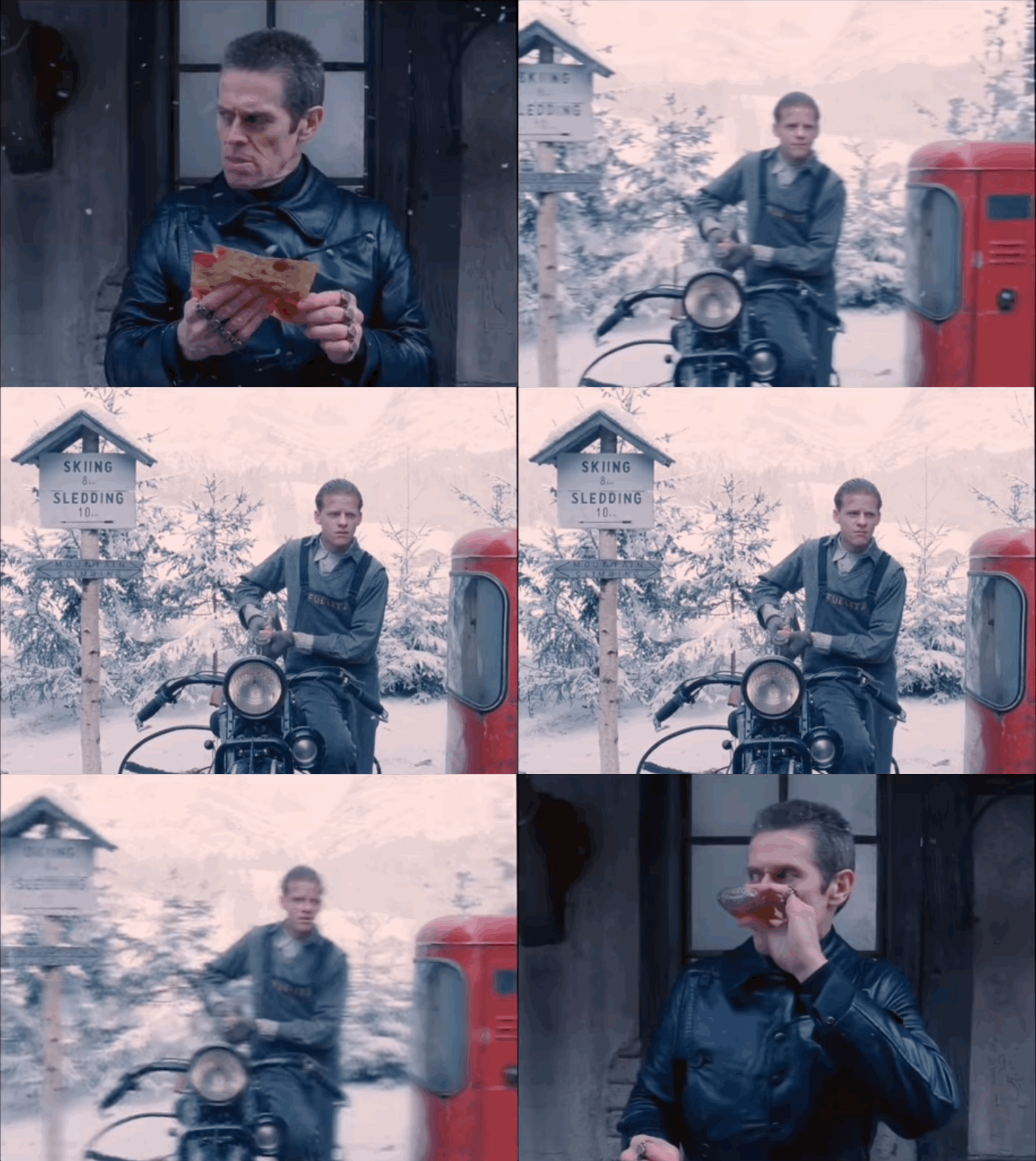
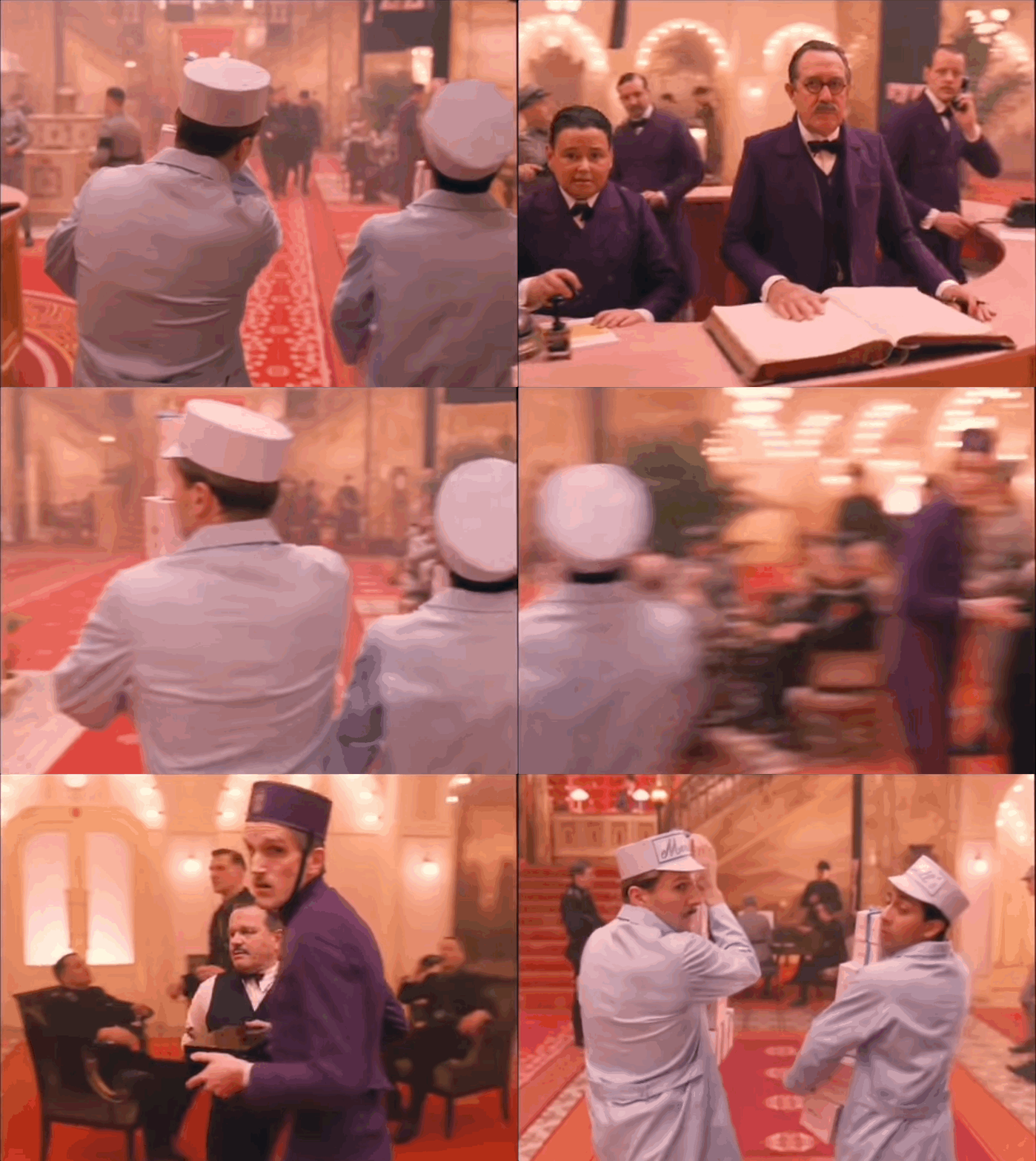
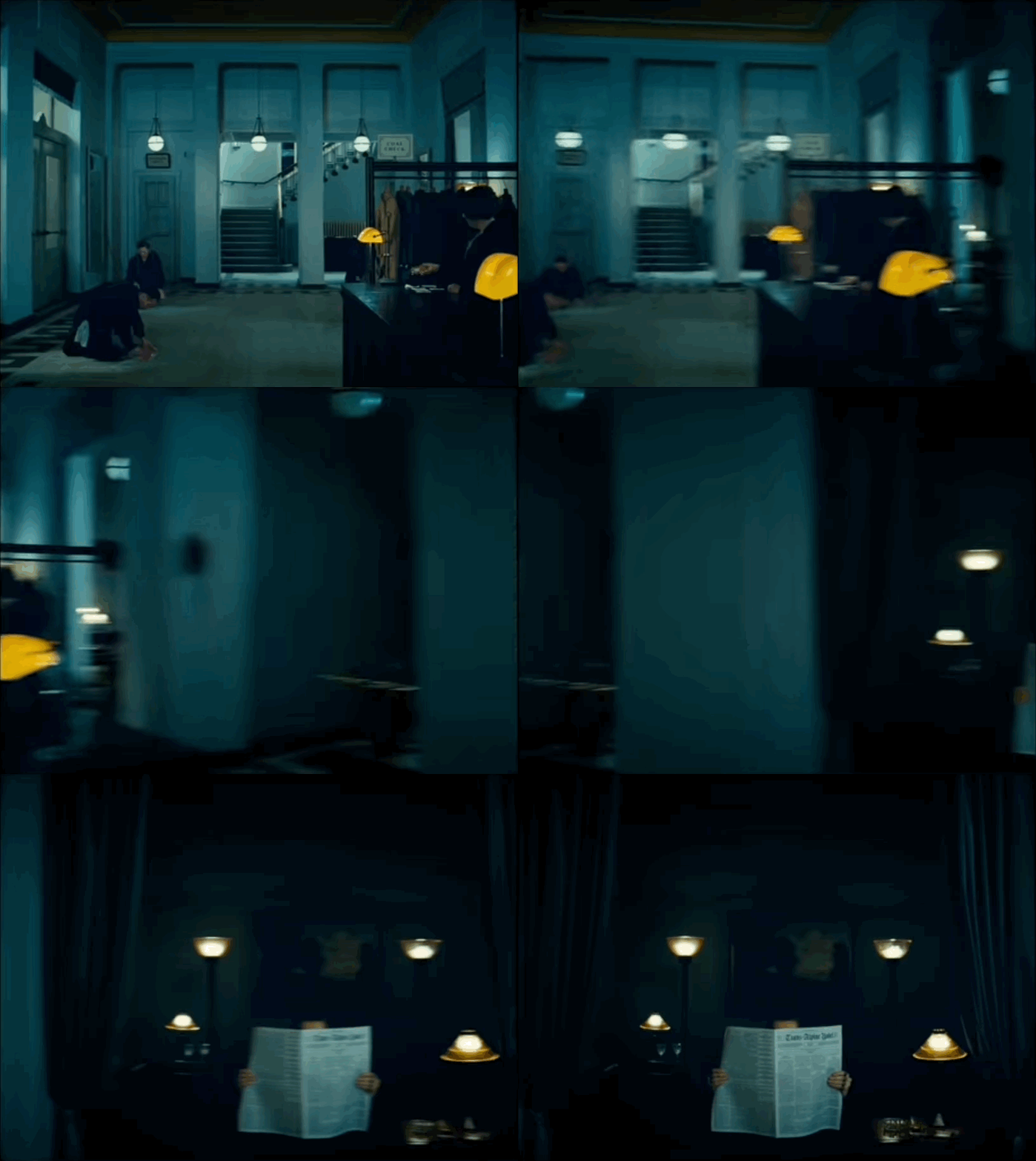
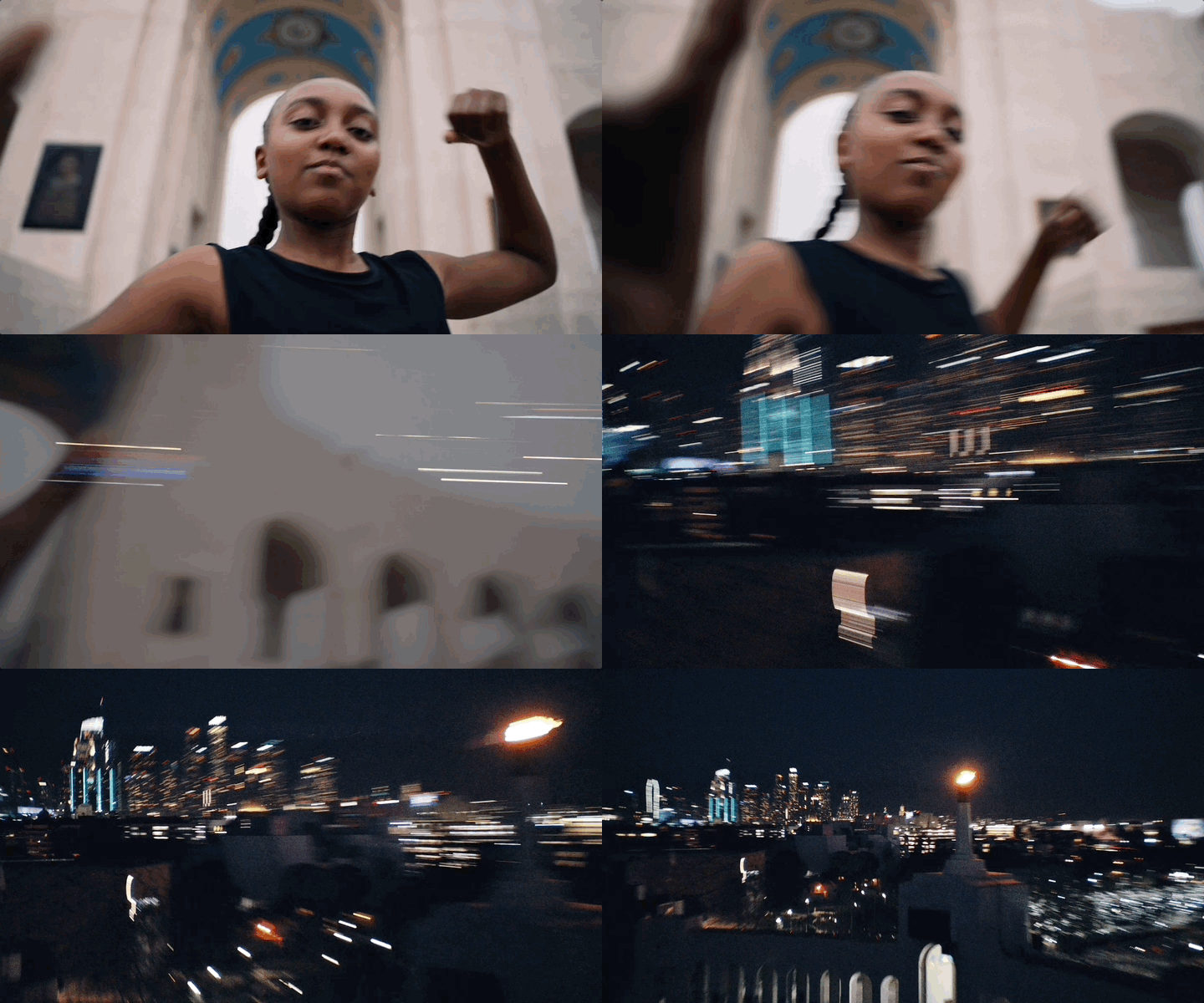
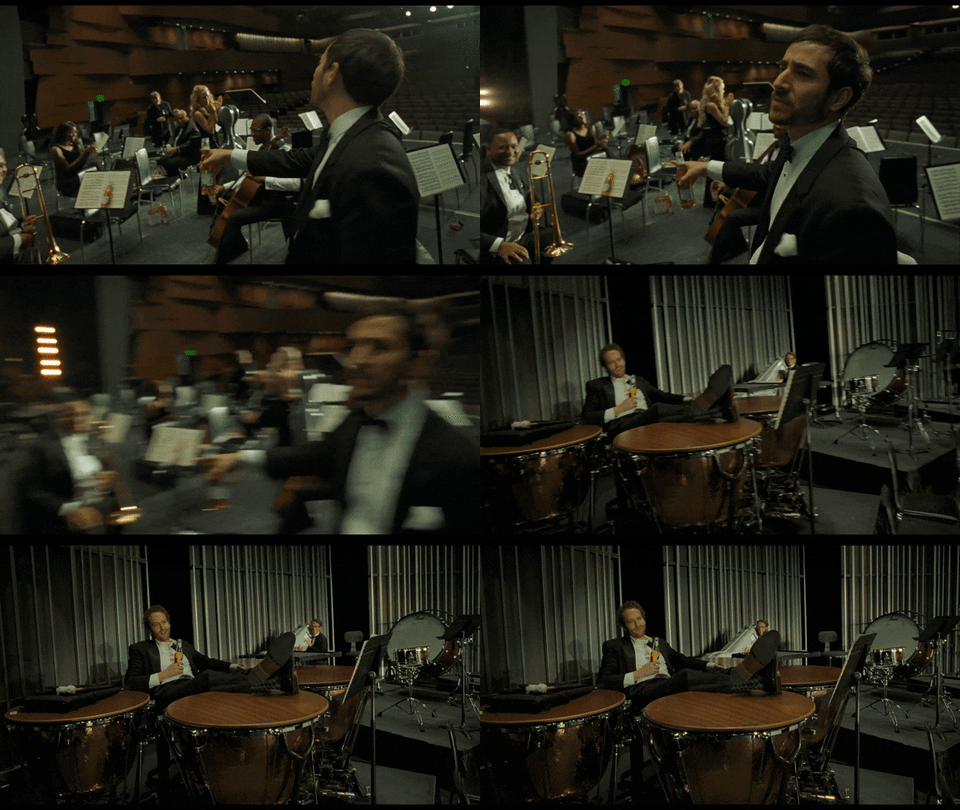
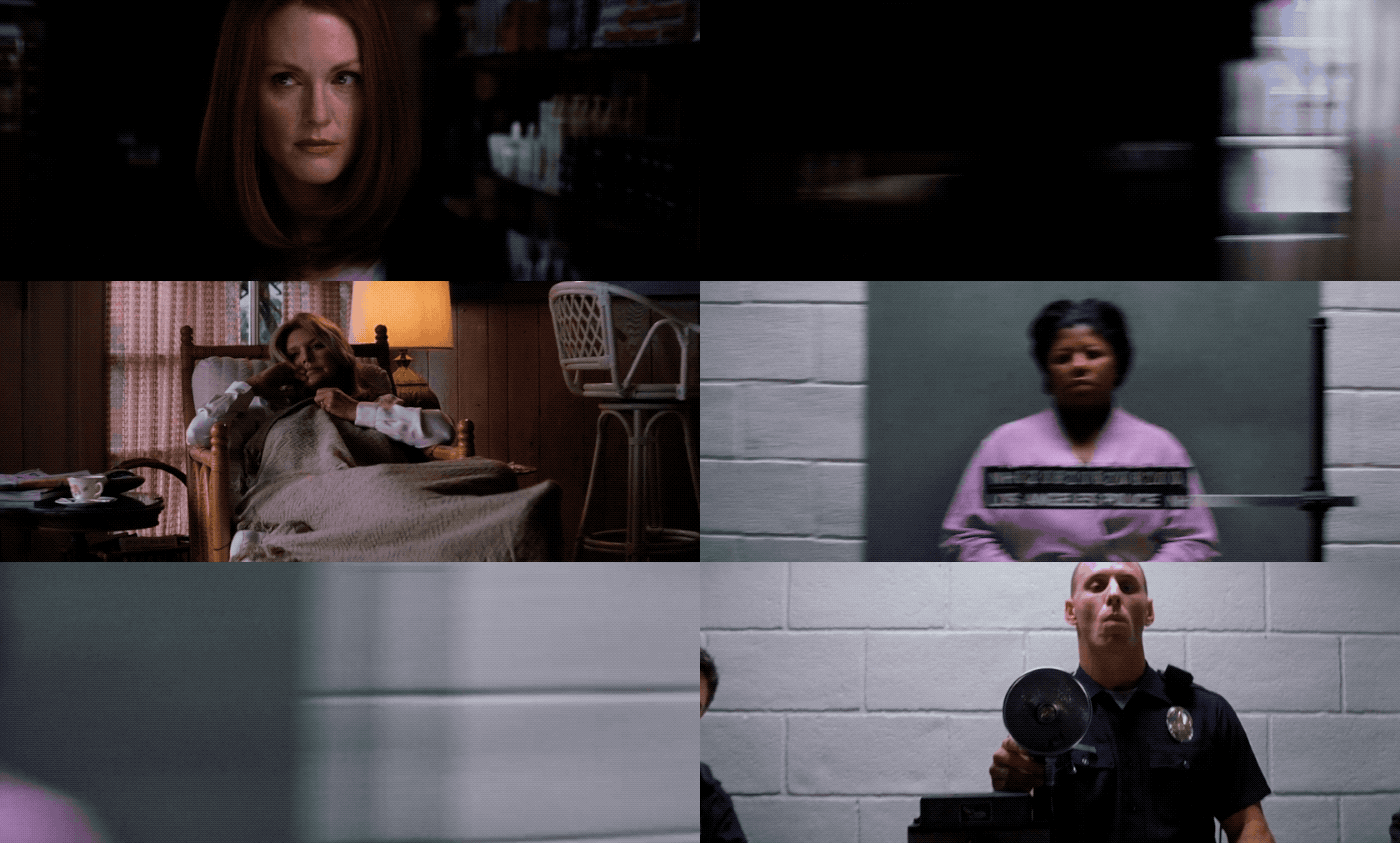
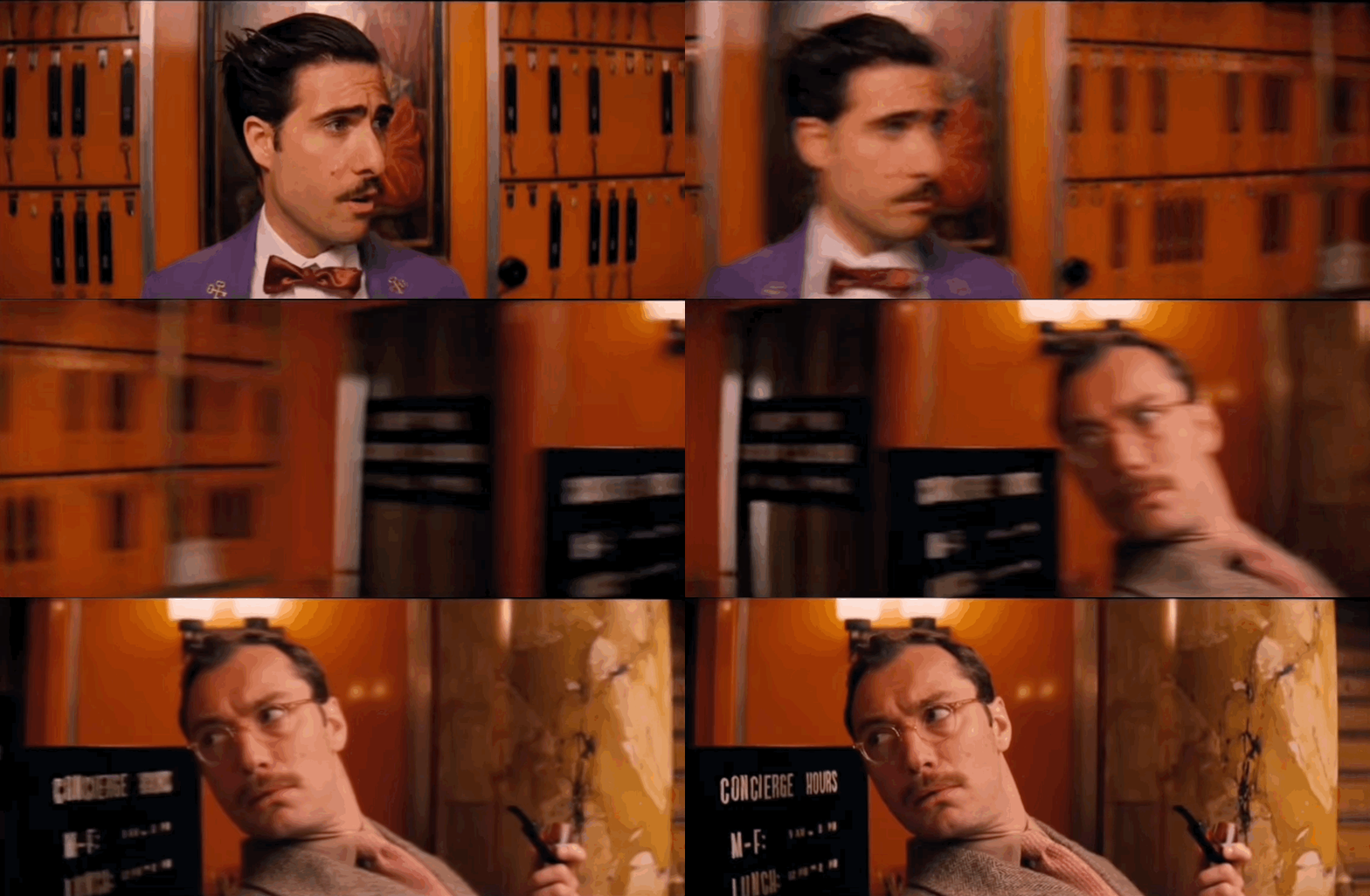
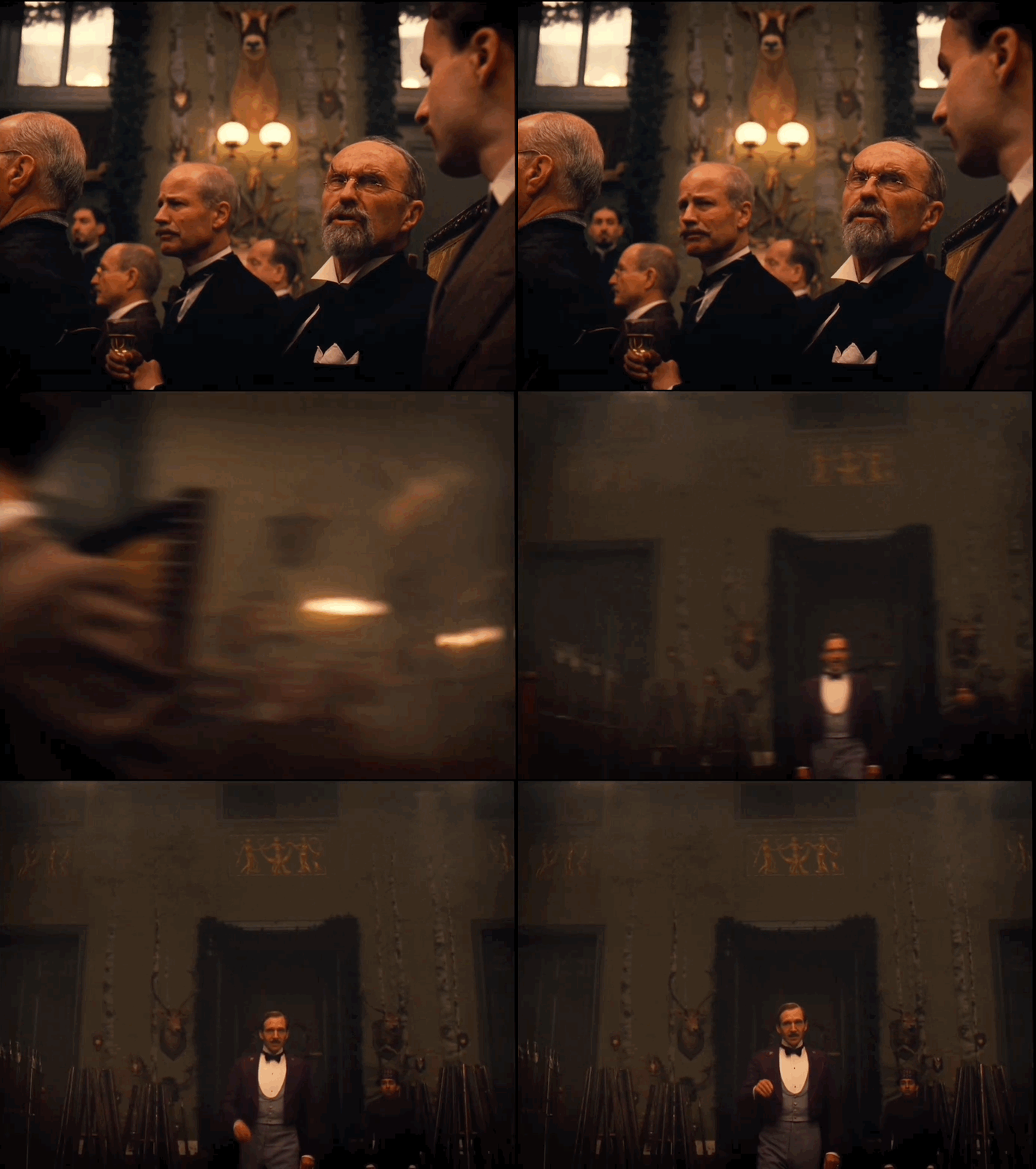
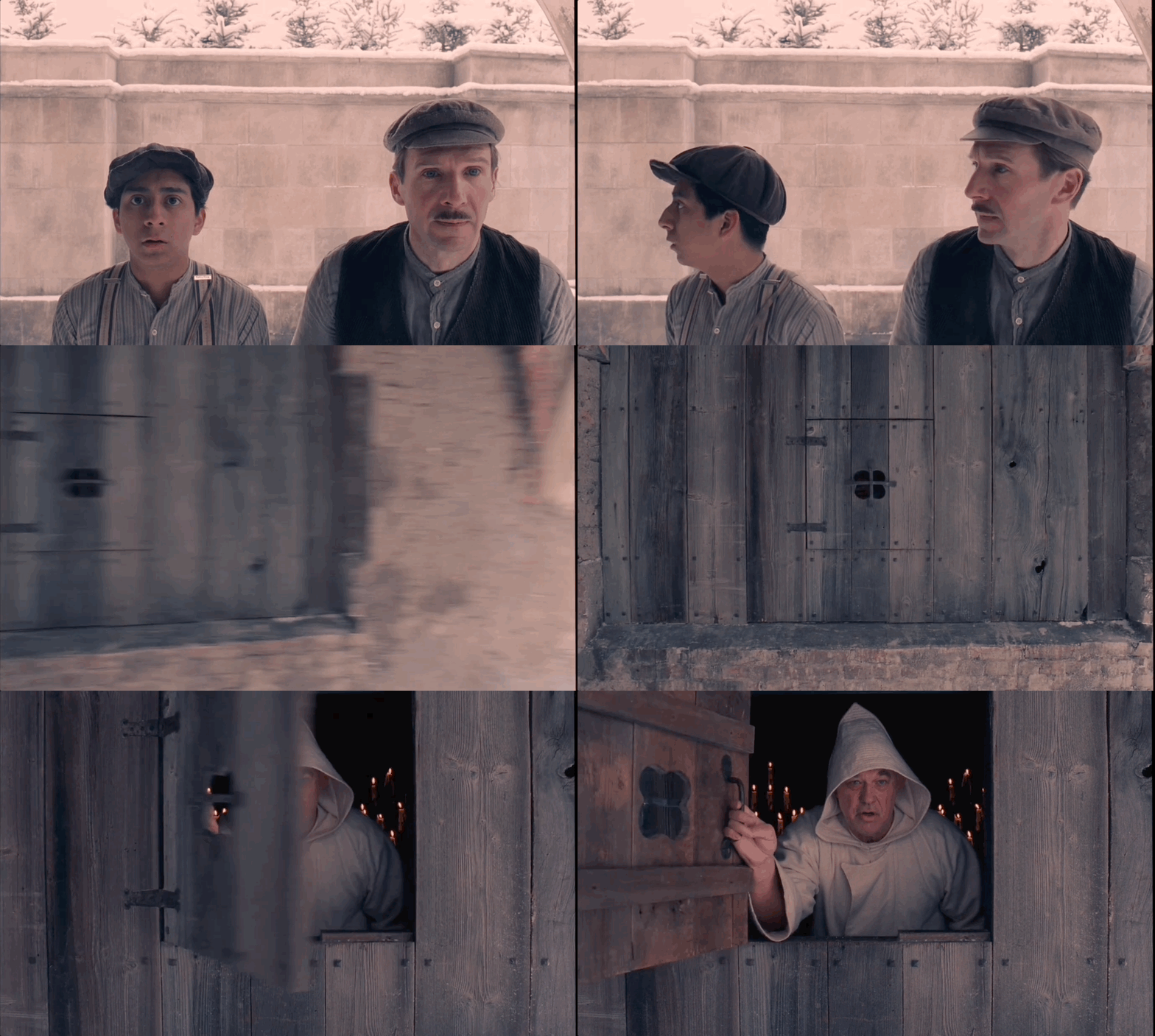
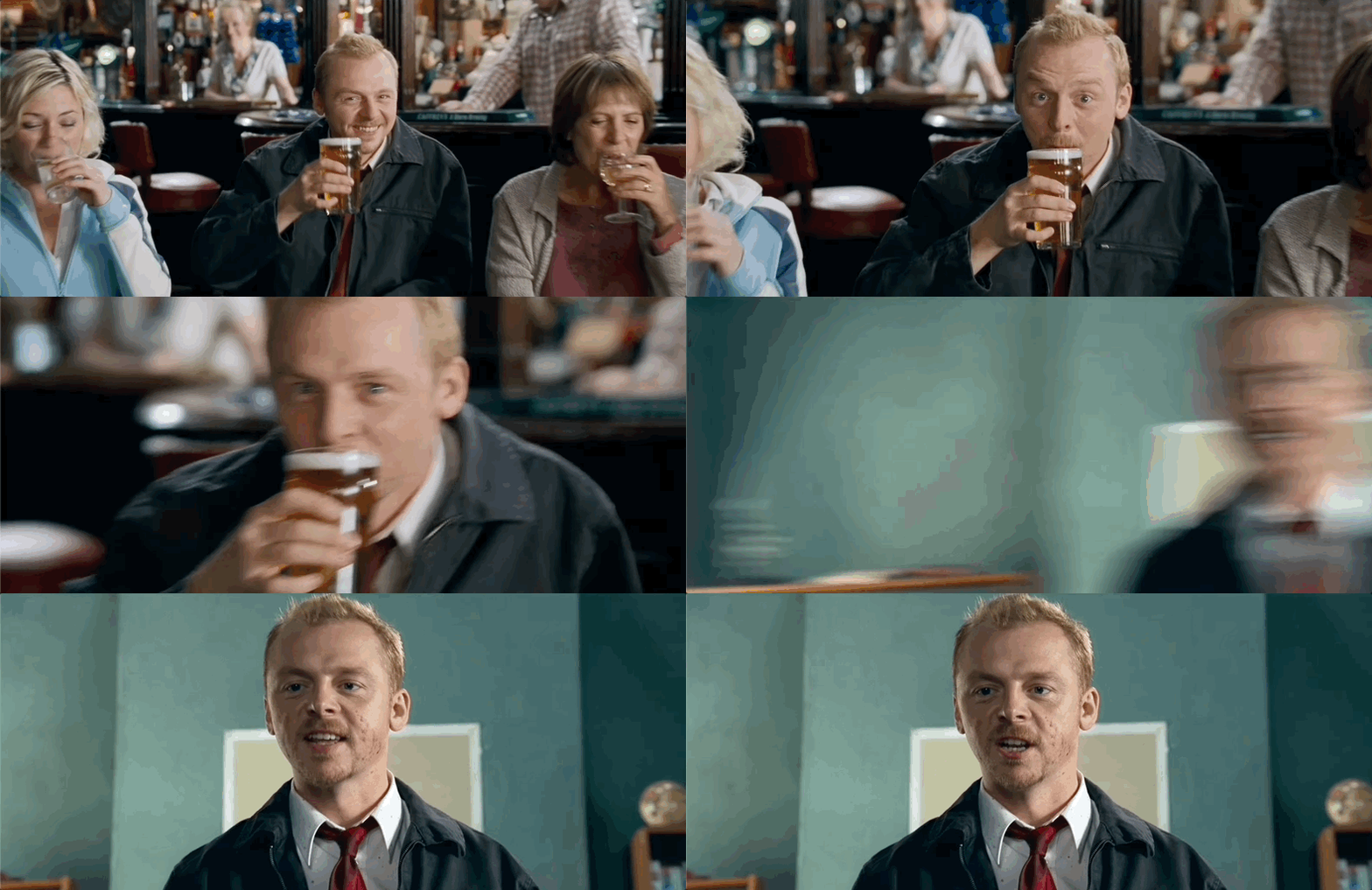
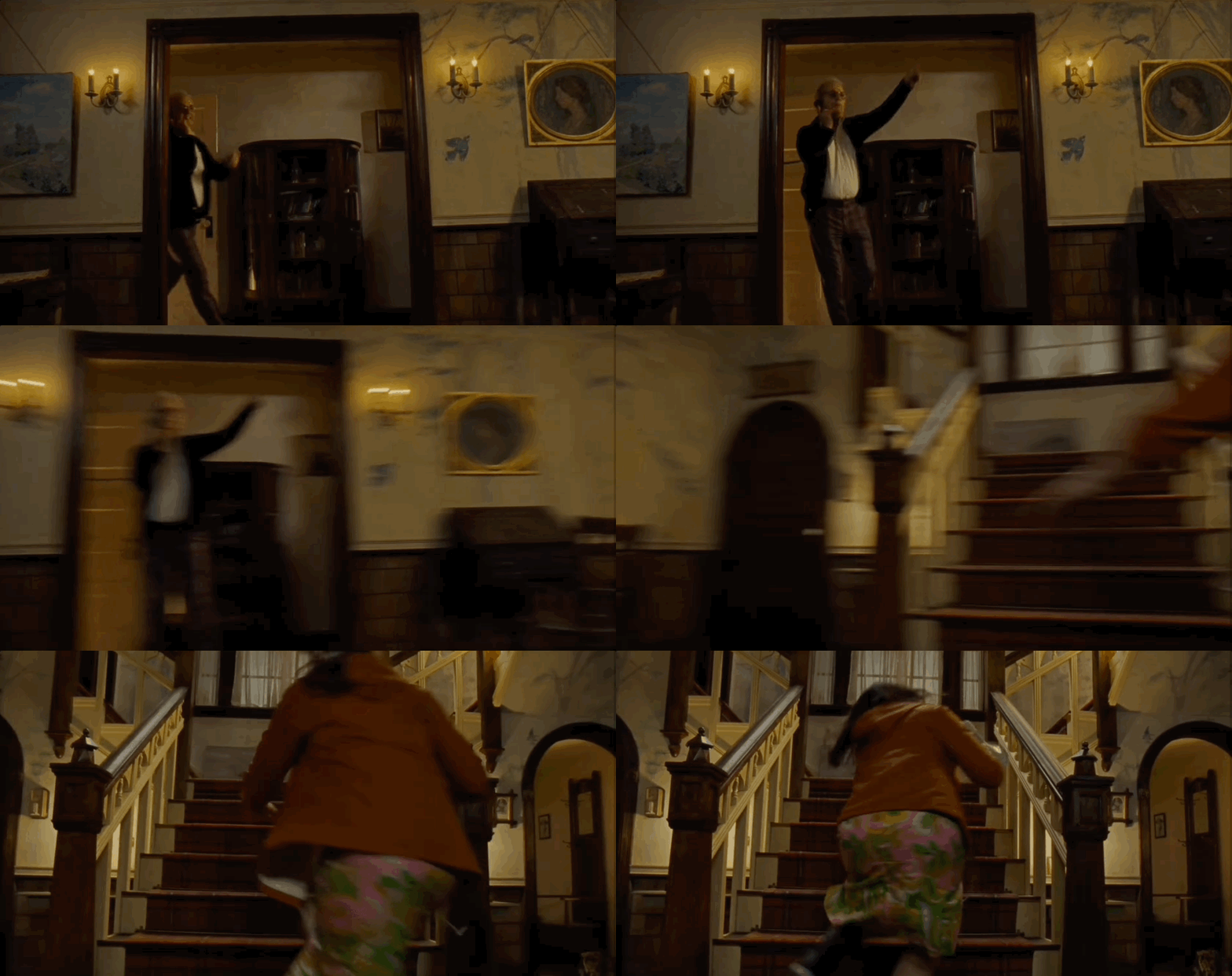
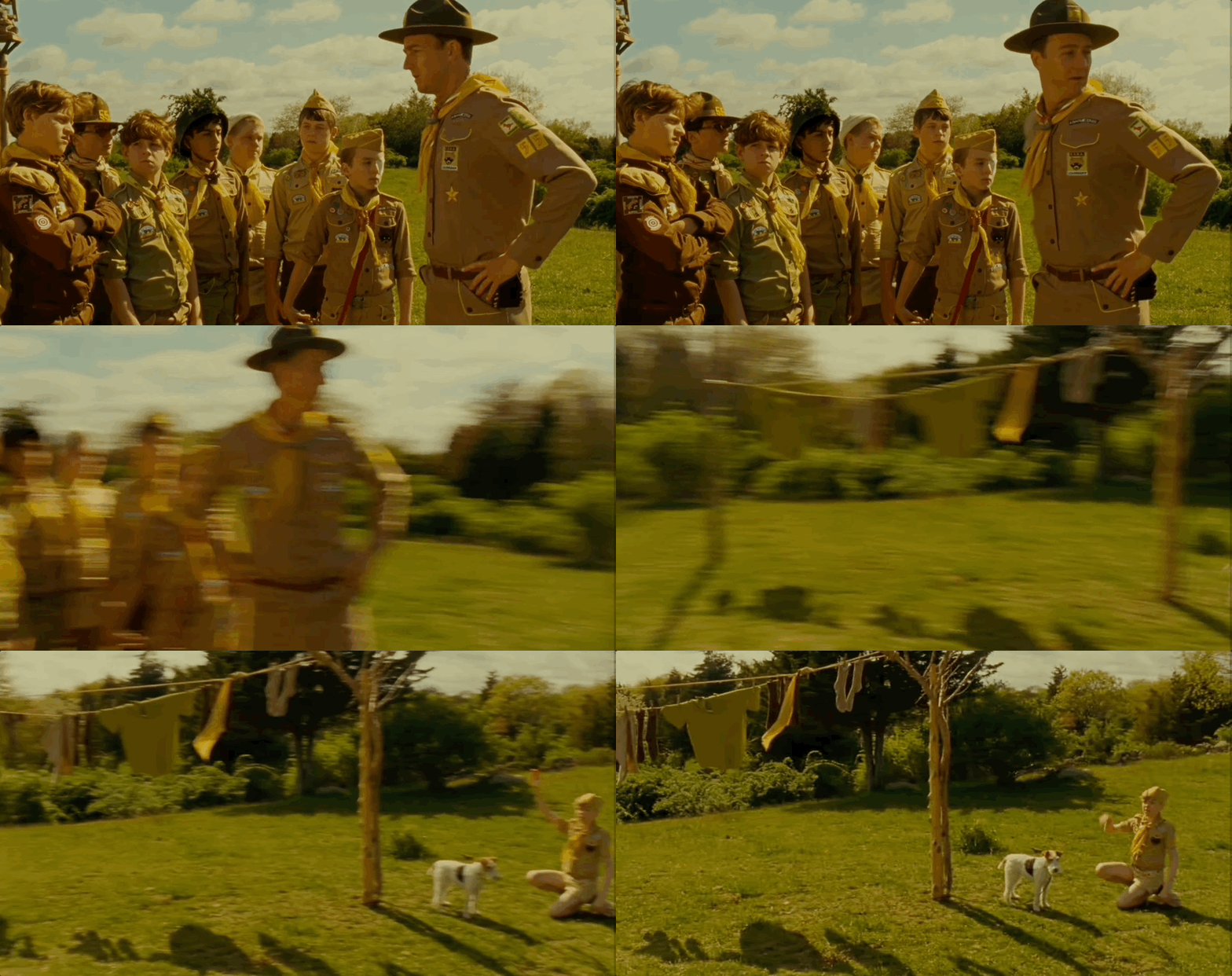
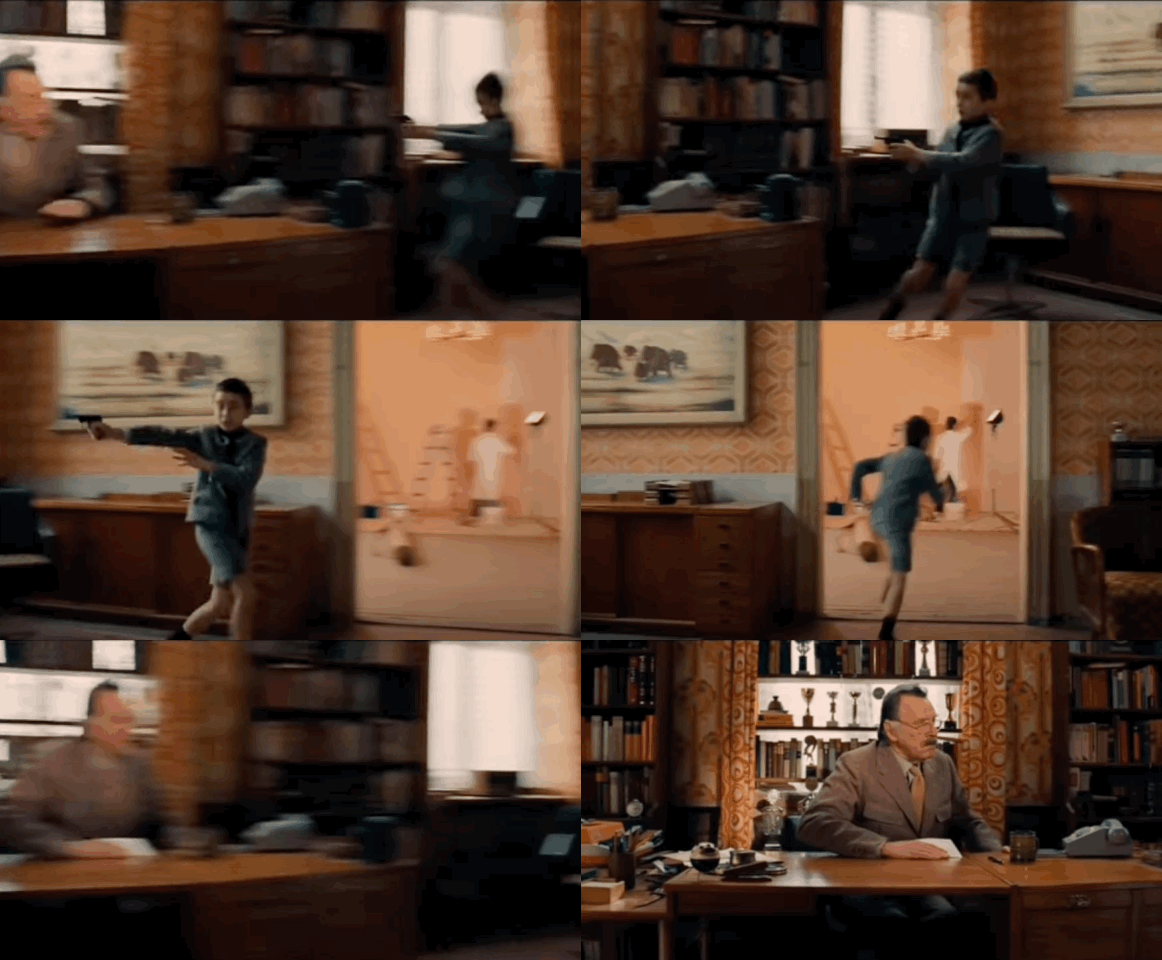
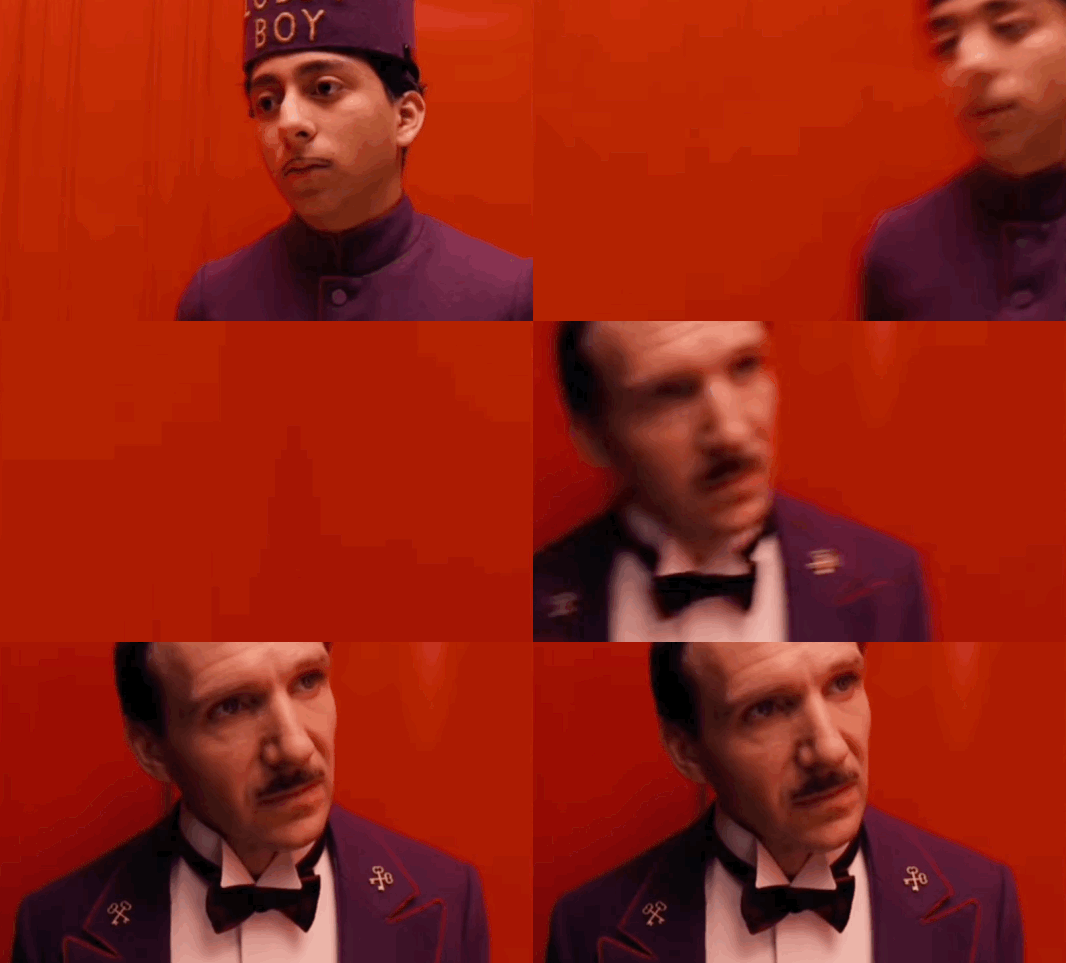
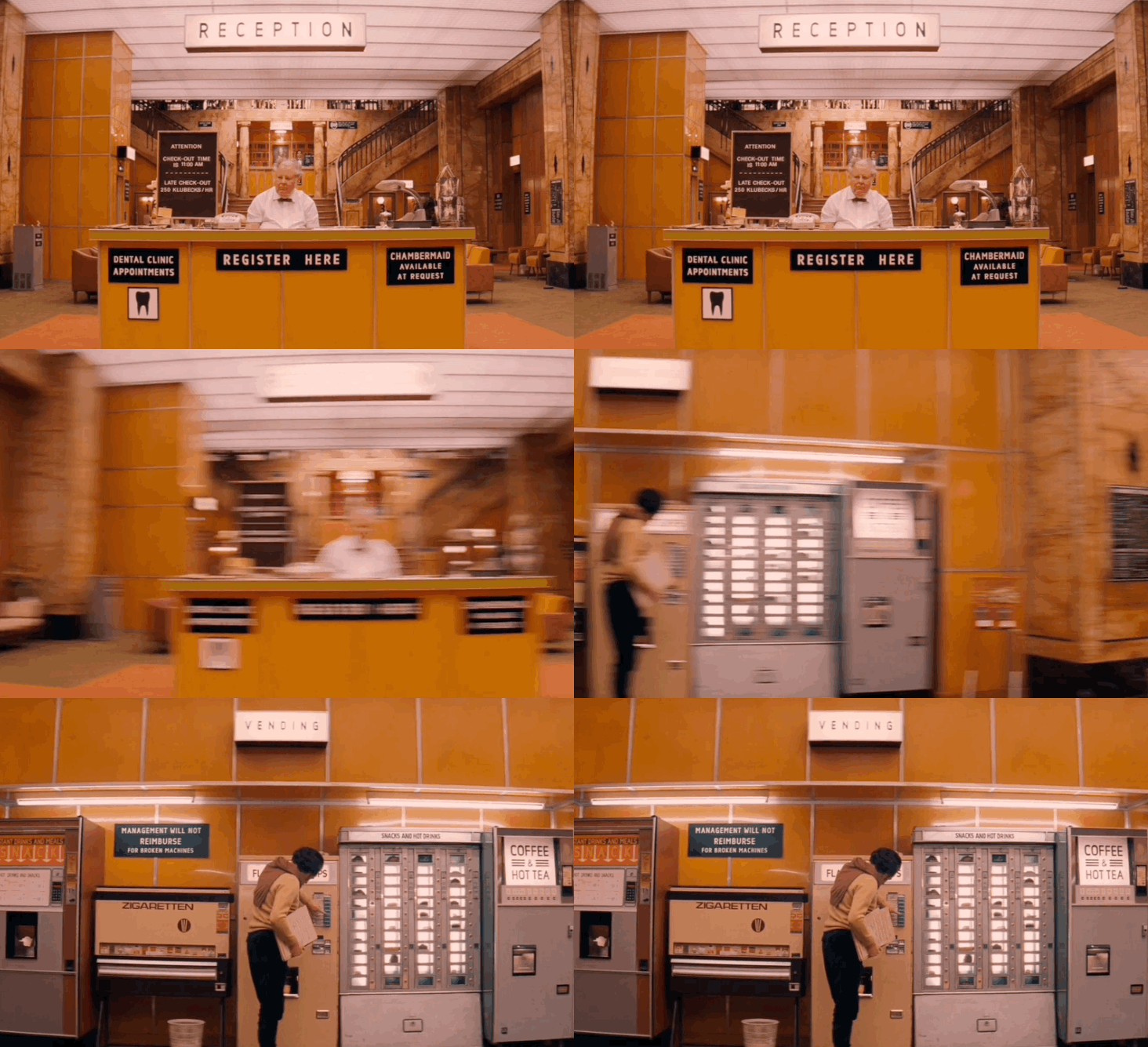
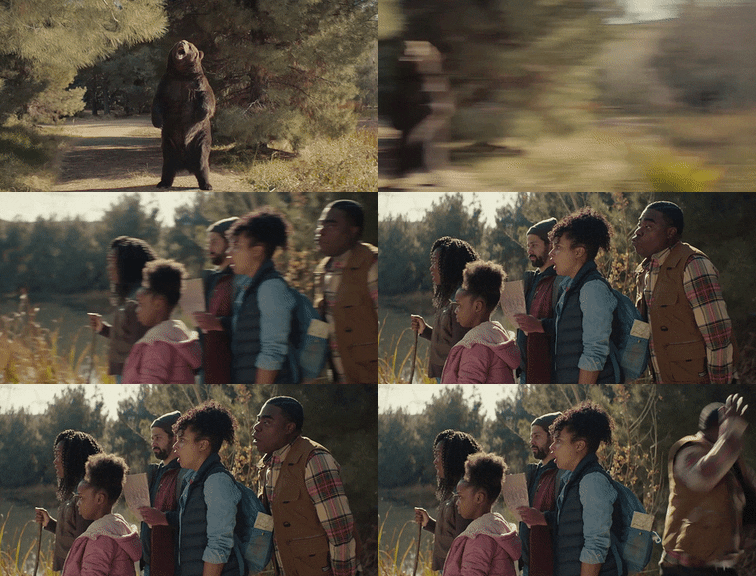
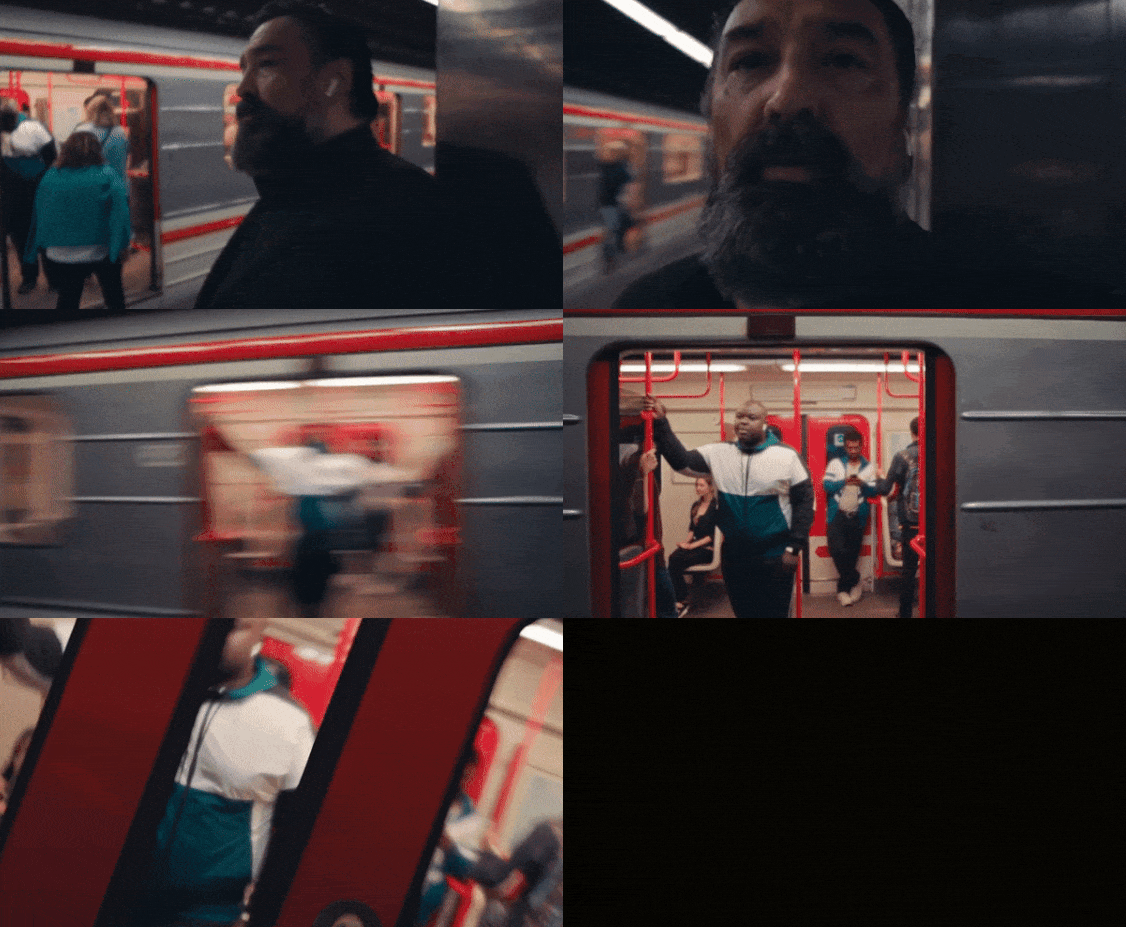
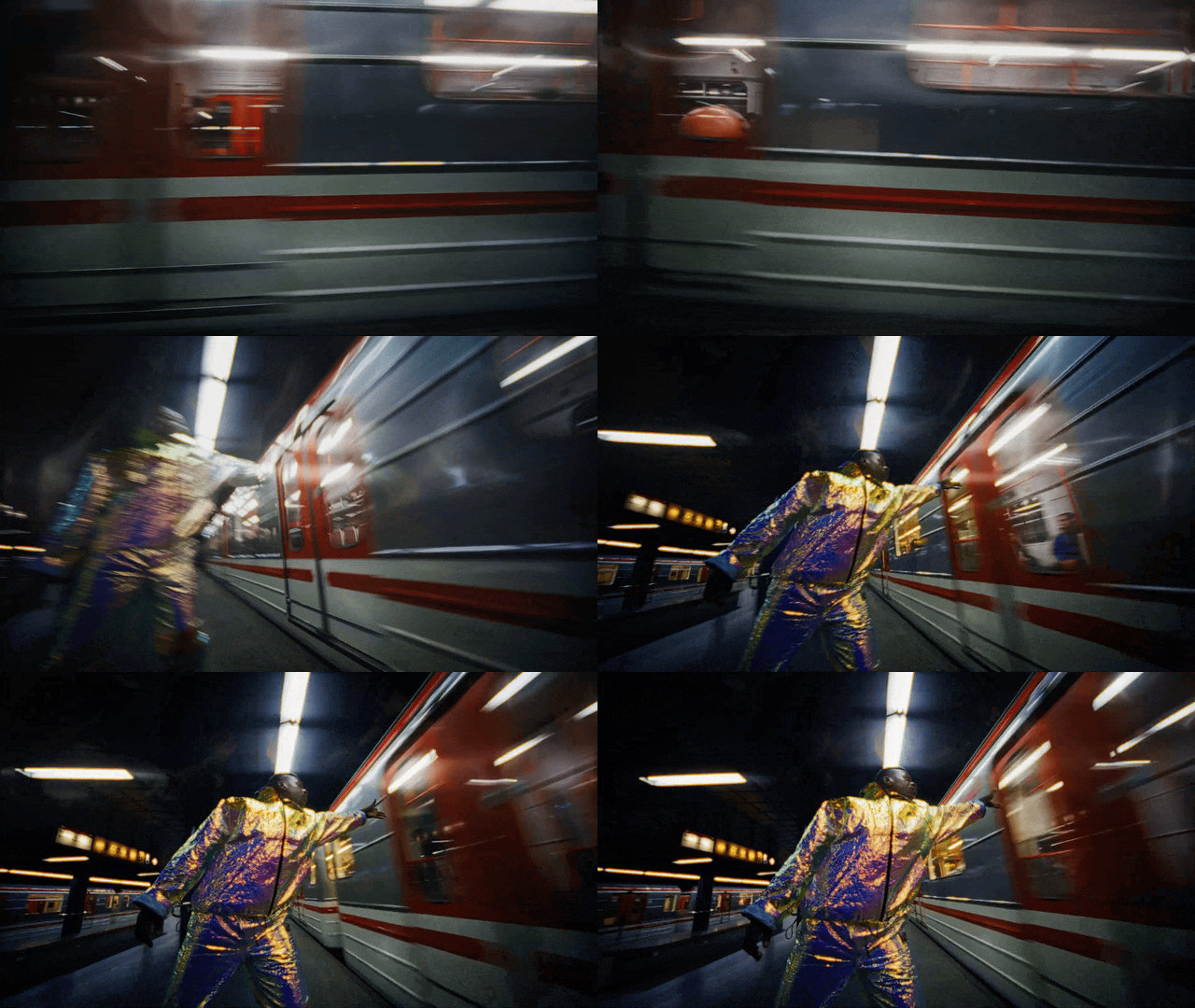
When the camera pans left or right at a high speed creating streaks of motion blur and making the scene look like it’s been shot in one take. The most famous use of the whip pan in modern filmmaking would be by Damien Chazelle in Whiplash and La La Land.






LEARN ABOUT IT
LEARN ABOUT IT
Dive Deeper
-
The origins of the whip pan can be traced back to the early days of cinema, with early examples of the technique appearing in silent films from the 1920s and 1930s. However, it was not until the 1960s and 1970s that the whip pan became more commonly used in Hollywood films.
One of the directors who helped popularize the technique was Sam Peckinpah, who used it to great effect in his violent, action-packed Westerns such as "The Wild Bunch" (1969). Peckinpah's use of the whip pan was often employed during violent action scenes, helping to create a sense of chaos and confusion.
In the years since, the whip pan has continued to be used by filmmakers as a way to create visual interest and add energy to a scene. Paul Thomas Anderson is one director who has frequently used the technique in his films, often in conjunction with other visual techniques such as long takes and tracking shots. Other notable examples of the whip pan in modern cinema include Quentin Tarantino's "Kill Bill" films (2003, 2004) and Edgar Wright's "Scott Pilgrim vs. the World" (2010).
-
Several directors are known for their frequent use of the whip pan technique in their films. Here are a few notable examples:
Paul Thomas Anderson: As mentioned earlier, Anderson is known for using the whip pan in many of his films, including "Boogie Nights," "Magnolia," and "Punch-Drunk Love."
Edgar Wright: Wright is a British filmmaker who frequently employs fast cuts and other visual techniques in his films. The whip pan is a favorite of his, and is used to great effect in movies like "Scott Pilgrim vs. the World" and "Baby Driver."
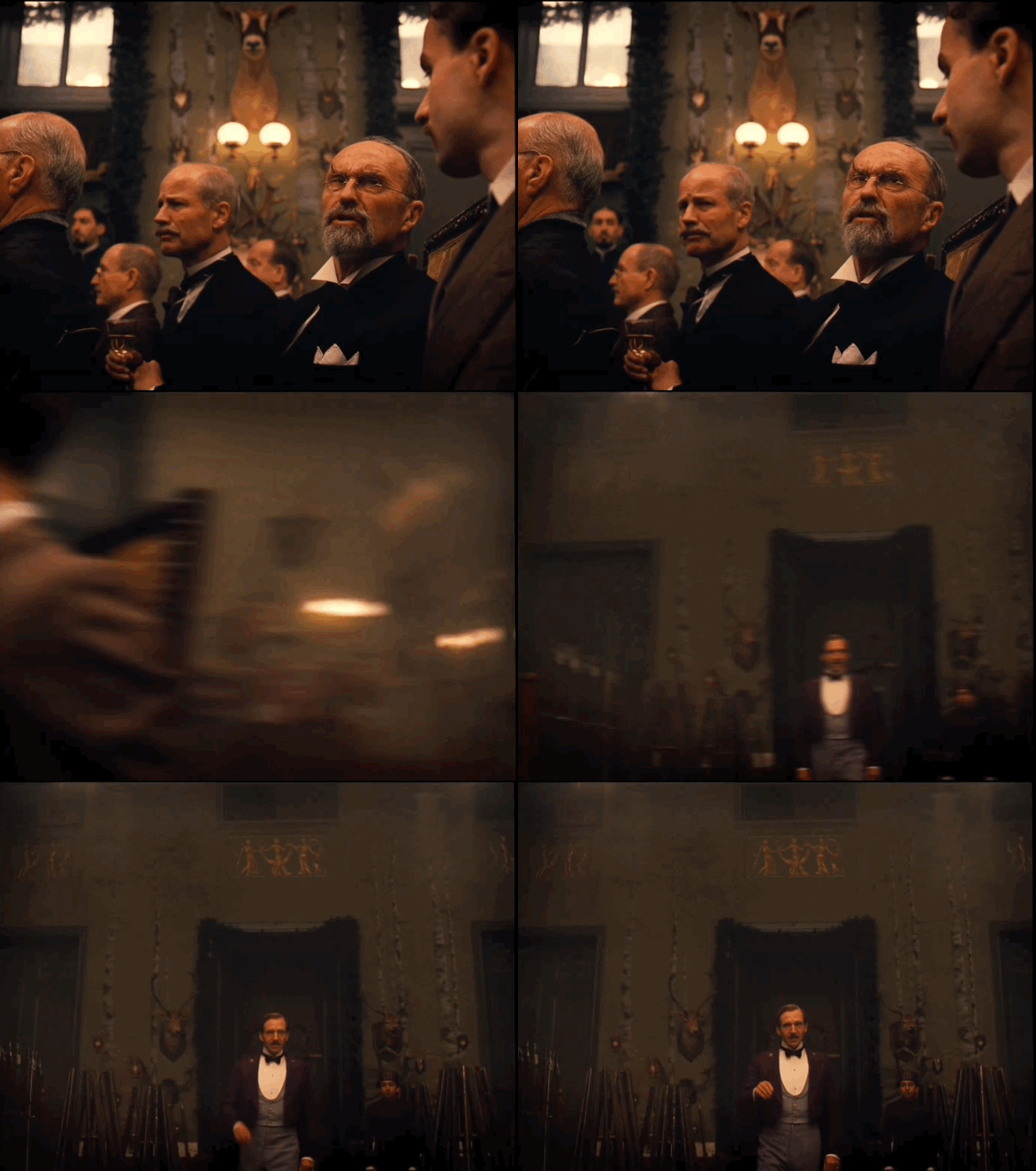
Wes Anderson: While perhaps not as frequently used as in the other directors' films, the whip pan can be seen in several of Wes Anderson's movies, including "The Grand Budapest Hotel" and "Moonrise Kingdom."
Quentin Tarantino: Tarantino is another director who has made frequent use of the whip pan in his films, particularly in his martial arts epic "Kill Bill: Vol. 1" and his Western "The Hateful Eight."
-
Here are a few notable movie scenes that make use of the whip pan technique:
"Boogie Nights" (1997): Paul Thomas Anderson uses the whip pan to great effect in the scene where Dirk Diggler (Mark Wahlberg) and Reed Rothchild (John C. Reilly) are planning a drug deal. The fast camera movement helps to create a sense of urgency and excitement in the scene.
"Kill Bill: Vol. 1" (2003): Quentin Tarantino employs the whip pan during the film's many fight scenes, adding to the frenetic energy of the action. One memorable example is the fight between The Bride (Uma Thurman) and O-Ren Ishii (Lucy Liu) in the snow-covered garden.
"Scott Pilgrim vs. the World" (2010): Director Edgar Wright uses the whip pan throughout this visually stunning film, including in the scene where Scott (Michael Cera) first meets Ramona Flowers (Mary Elizabeth Winstead) at a party. The whip pan helps to convey the dizzying feeling of being in a crowded room full of people.
"Moonrise Kingdom" (2012): Wes Anderson employs the whip pan in several scenes in this whimsical film, including the sequence where Sam and Suzy ride their bikes through the woods. The camera movement adds to the sense of movement and adventure in the scene.
ARTIST SPOTLIGHT
ARTIST SPOTLIGHT
Paul Thomas Anderson’s Whip Pans

Paul Thomas Anderson is a celebrated American filmmaker known for his unique and innovative directing style.
One of the techniques he frequently employs in his films is the whip pan, a camera move in which the camera quickly pans from one object to another, creating a blur or whip-like effect.
Anderson's use of the whip pan is often employed to create a sense of urgency or disorientation, and is particularly effective in his high-energy, ensemble pieces such as "Boogie Nights" (1997) and "Magnolia" (1999).