PHOTOSENSITIVITY WARNING
This content contains visual elements that may trigger photosensitive seizures or adverse reactions in individuals with photosensitivity or epilepsy. Viewer discretion is advised.
GENERATIVE
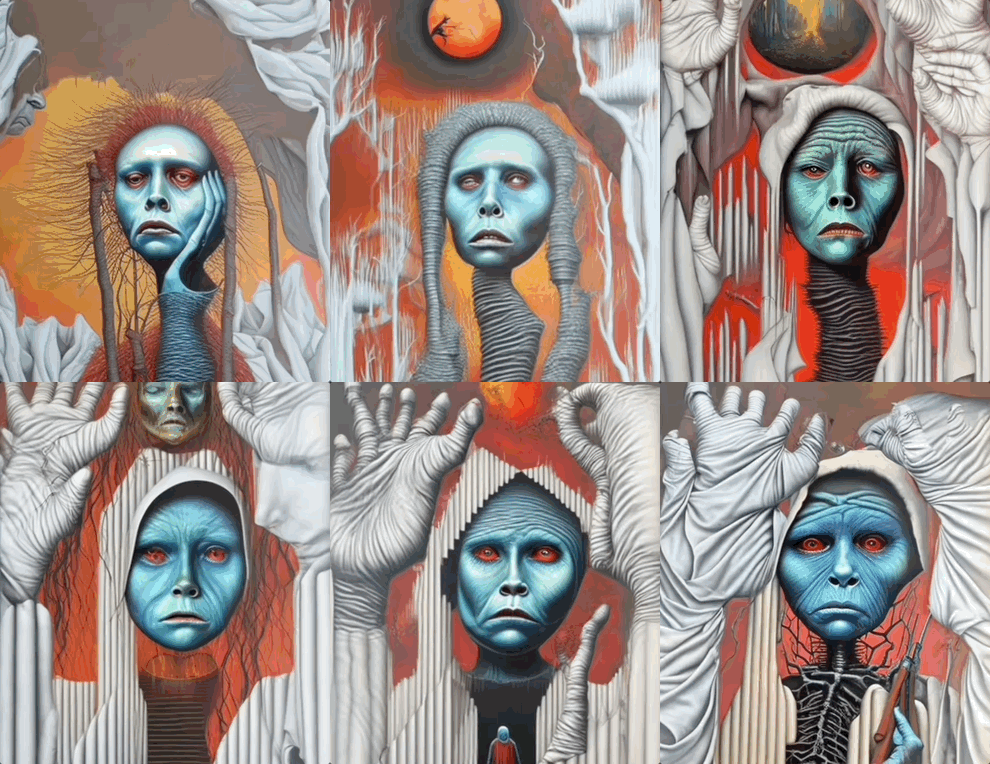
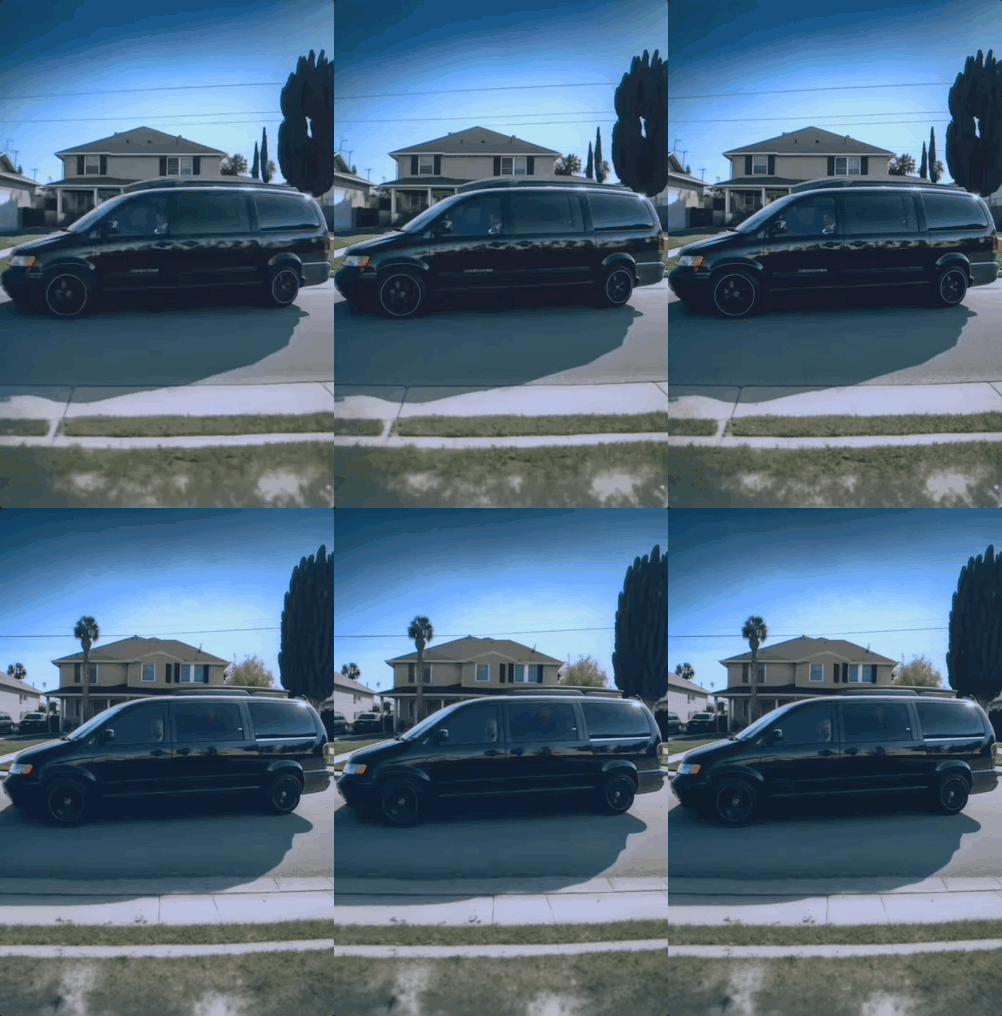
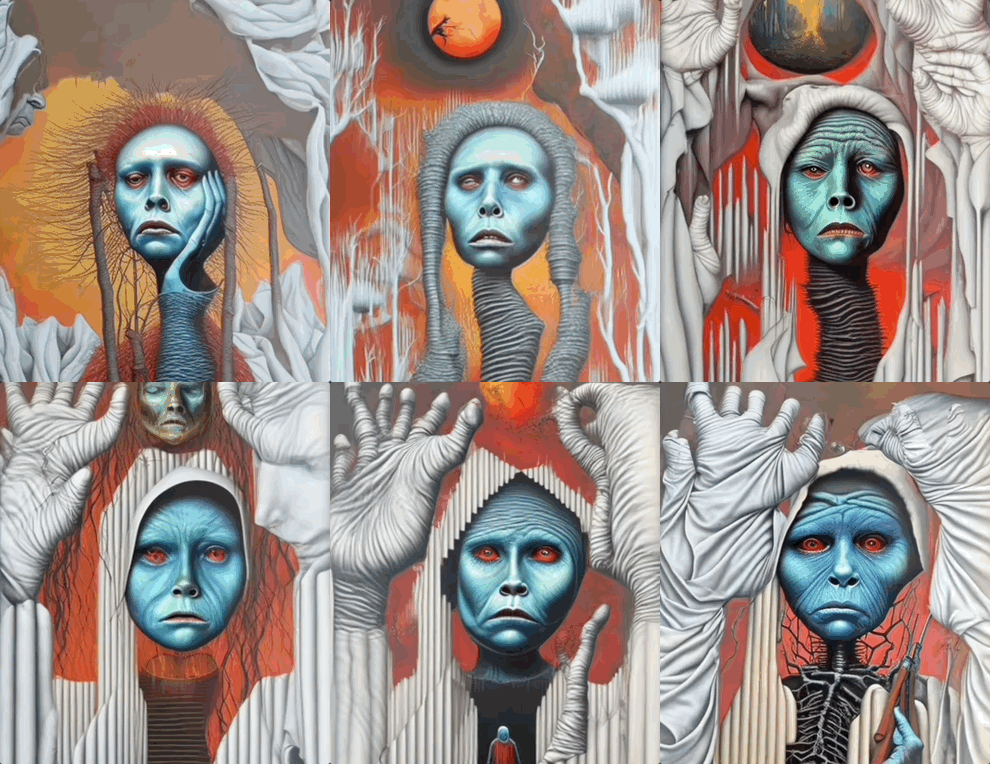
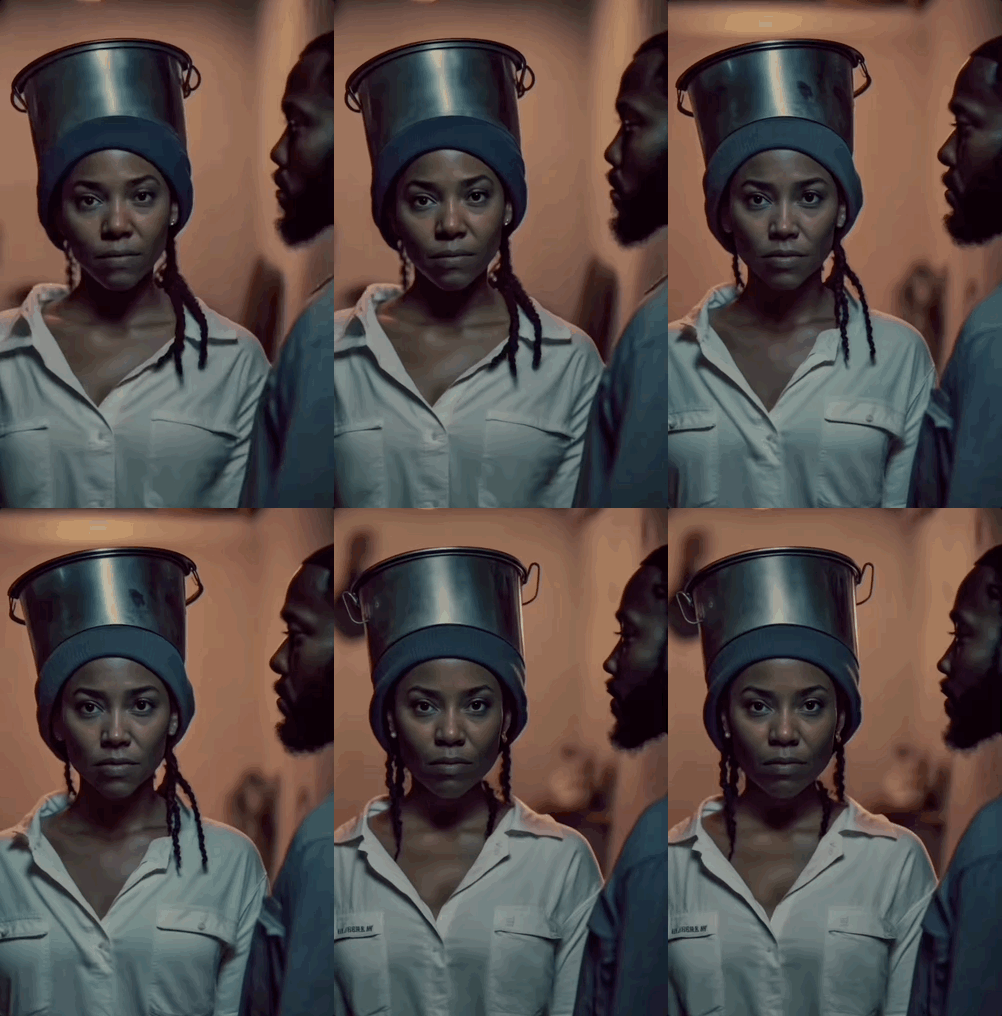
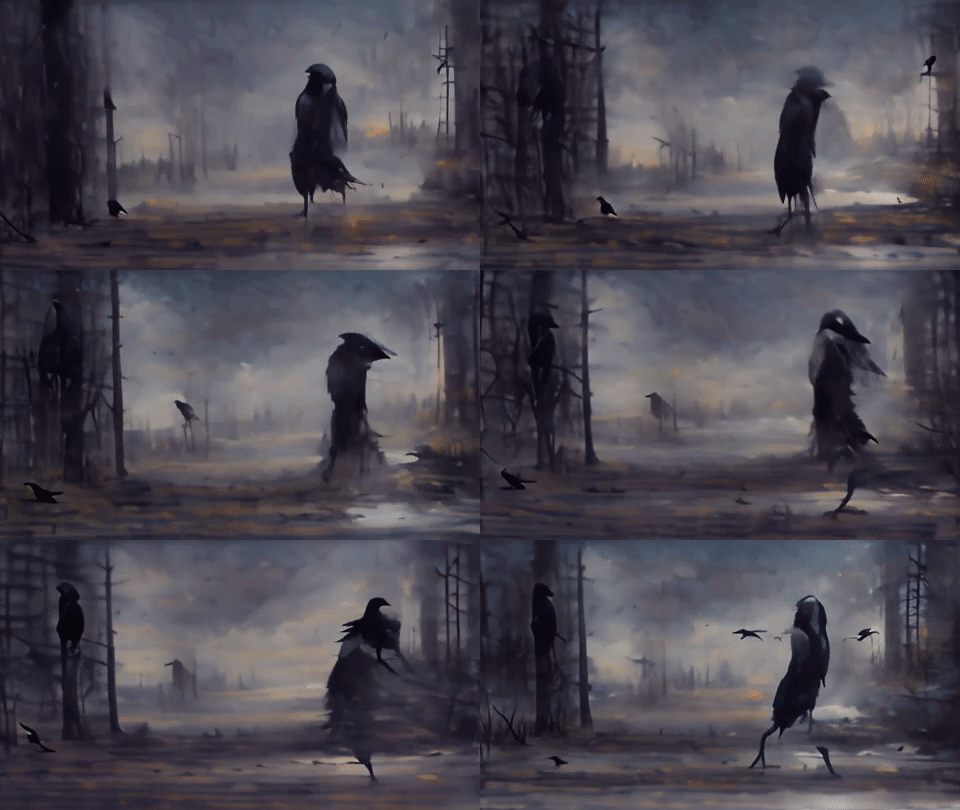
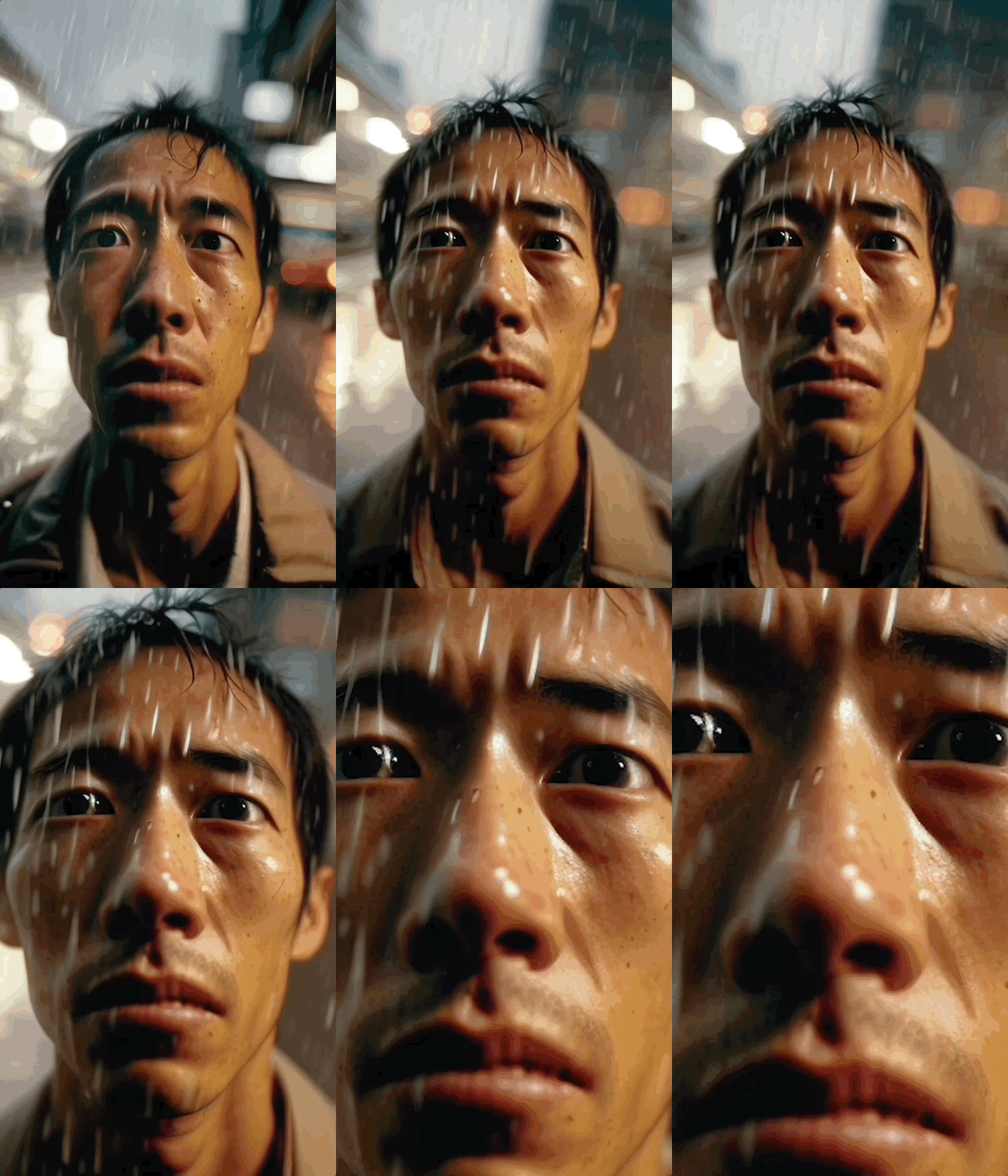
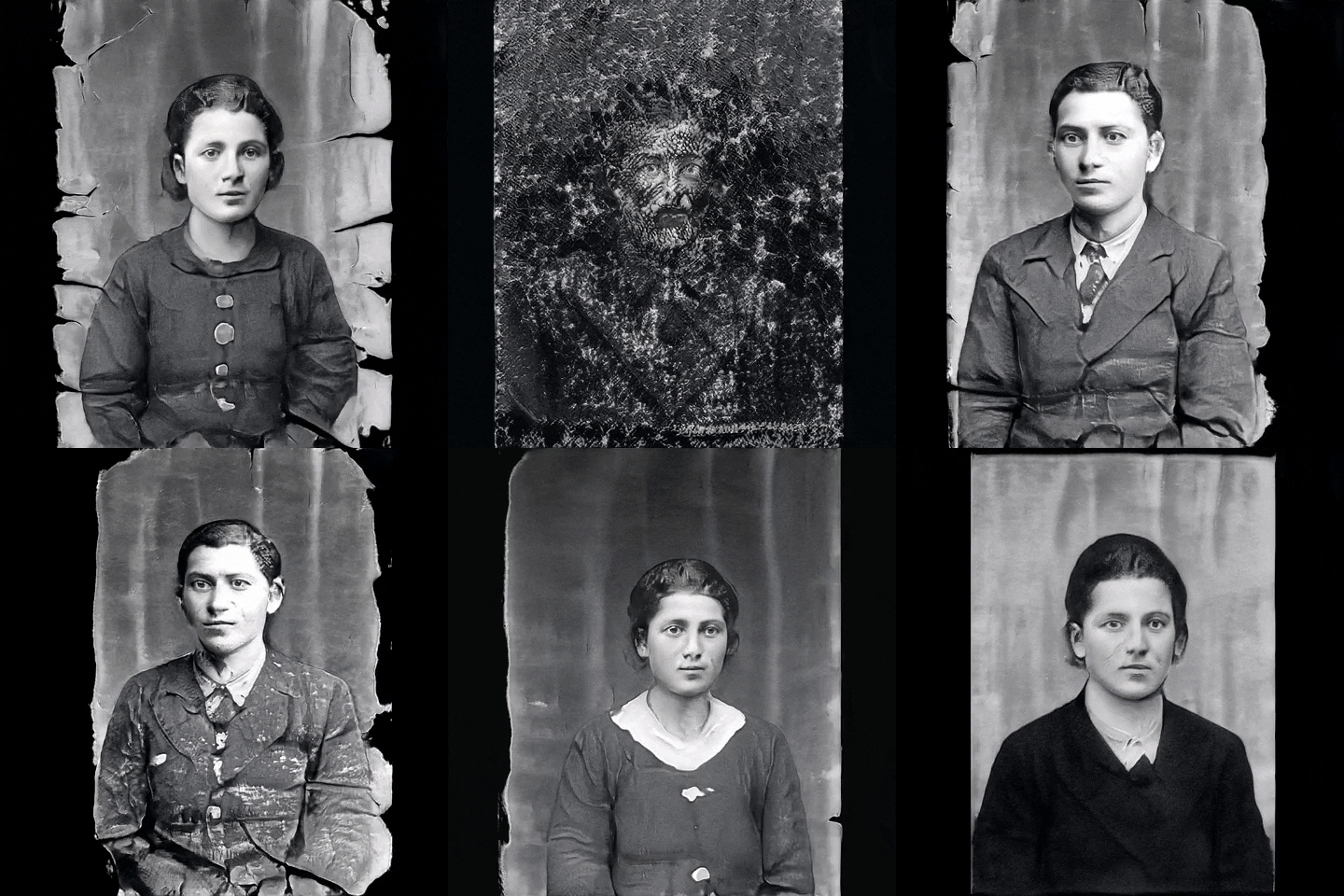
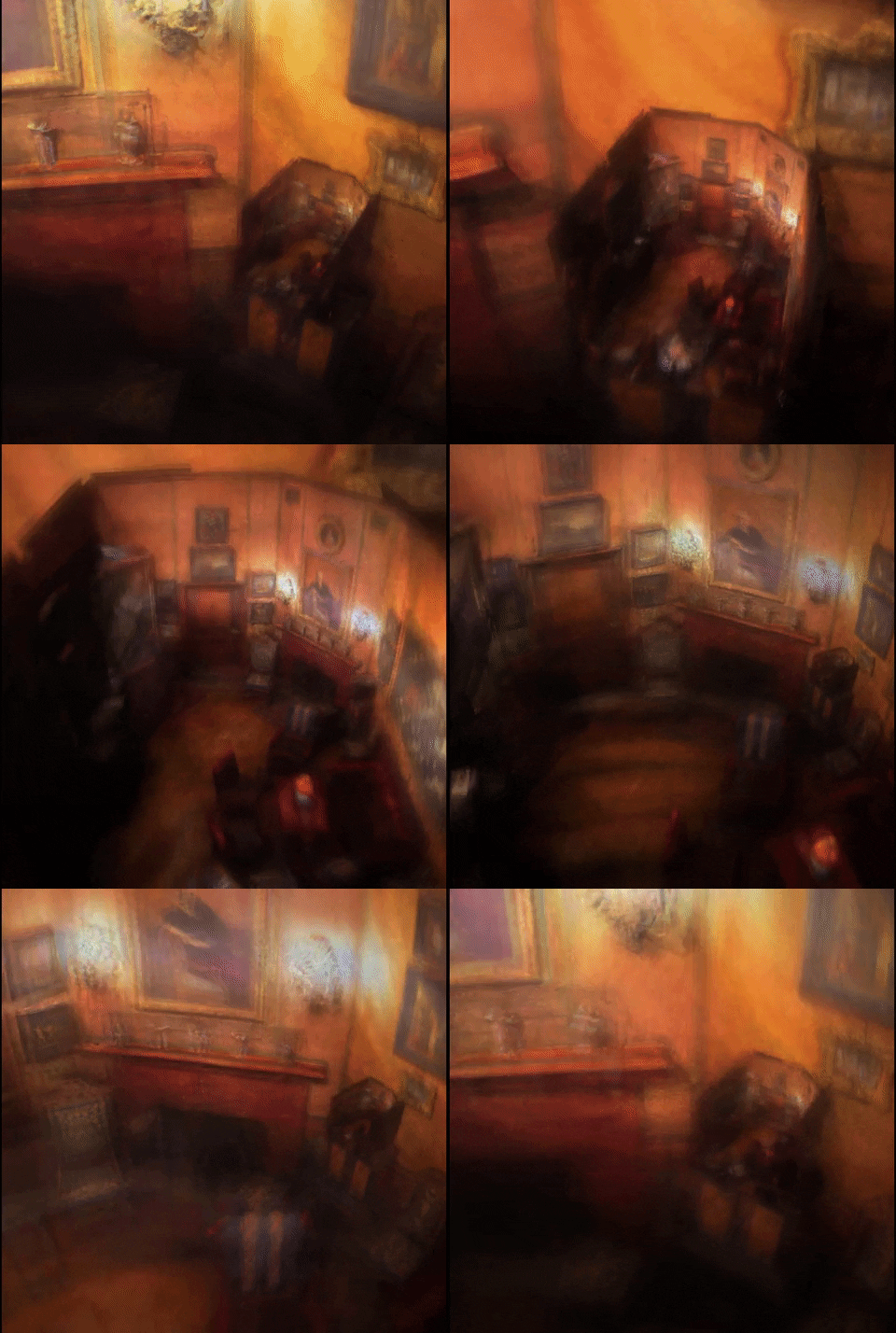
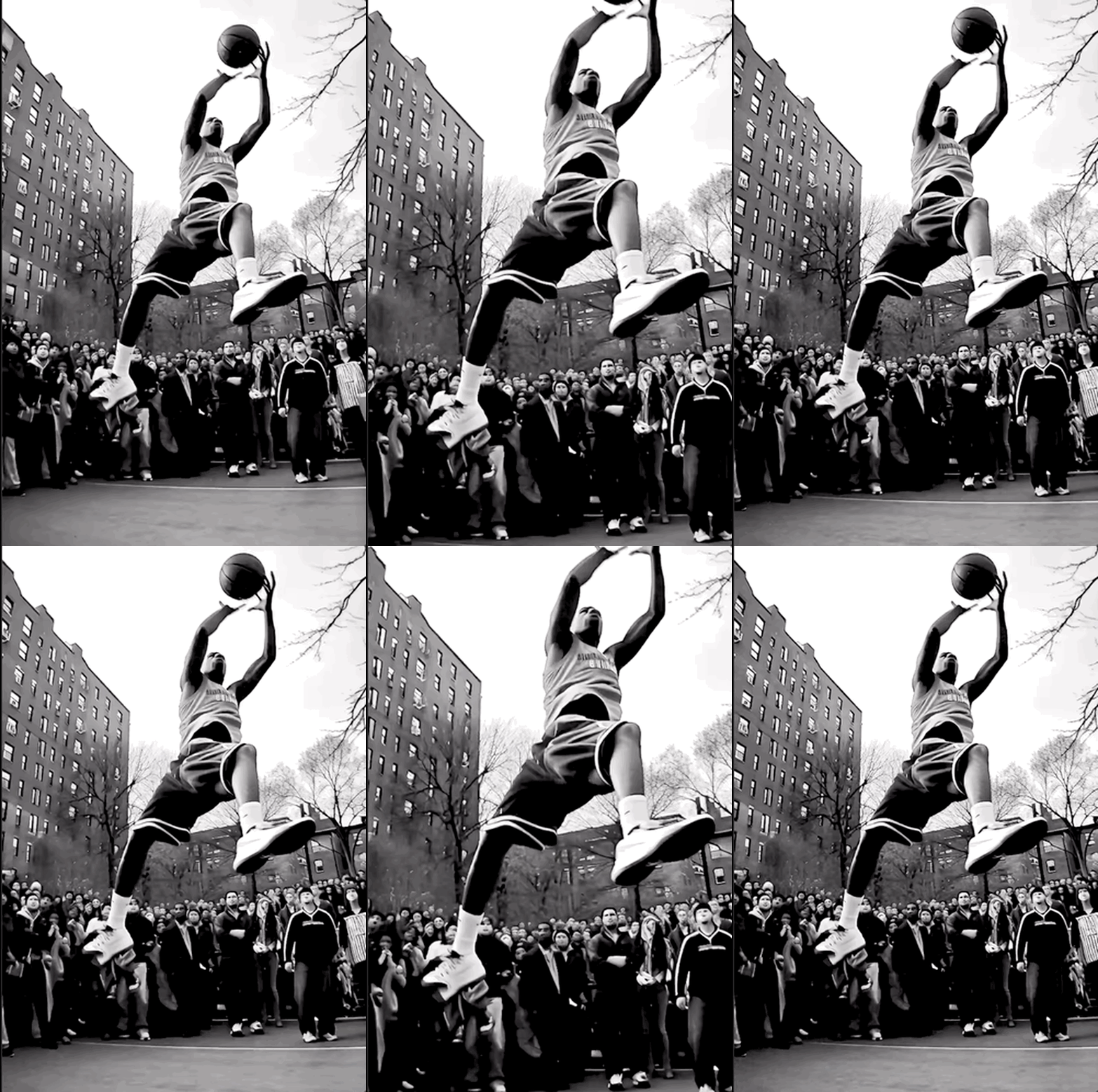
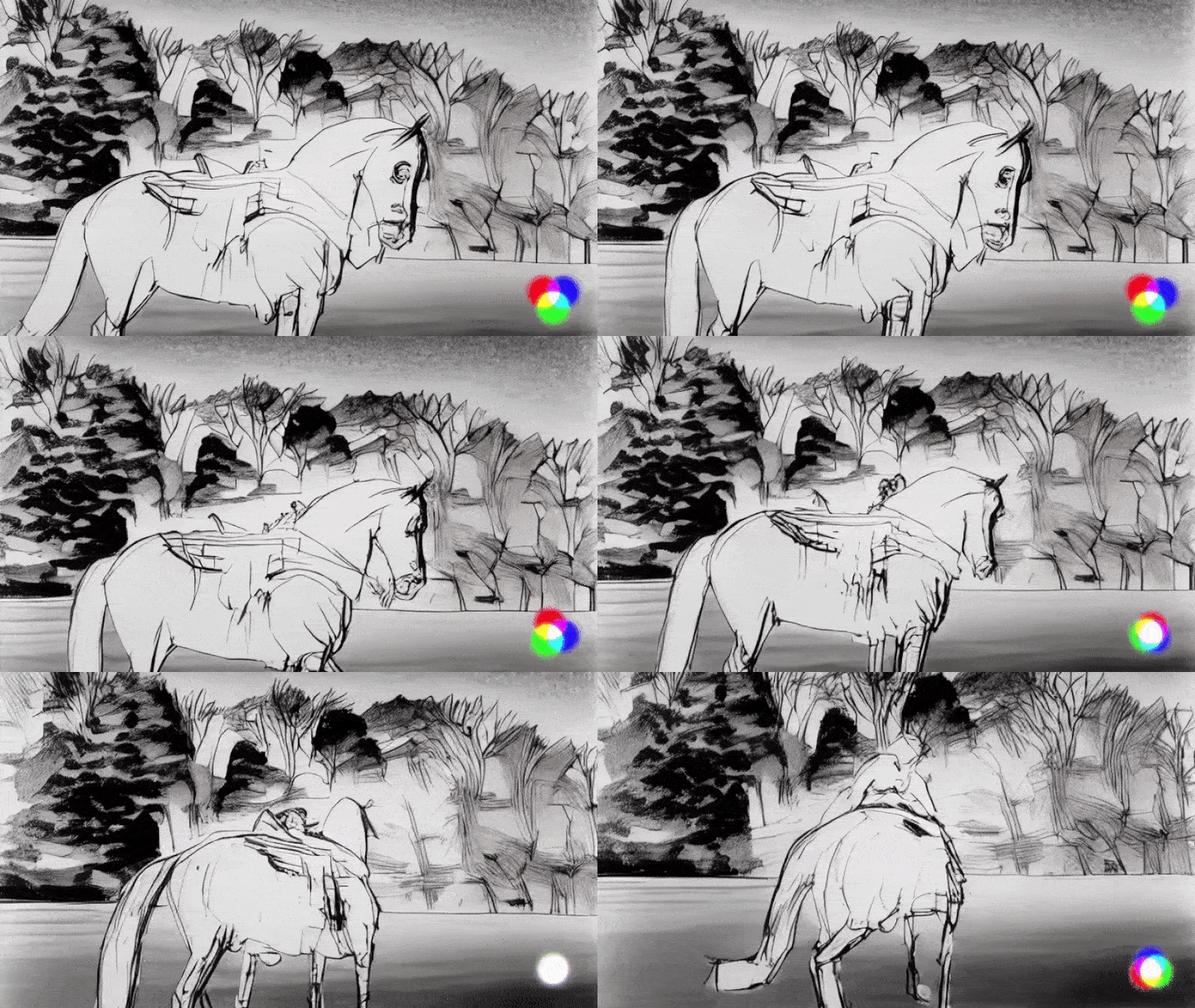
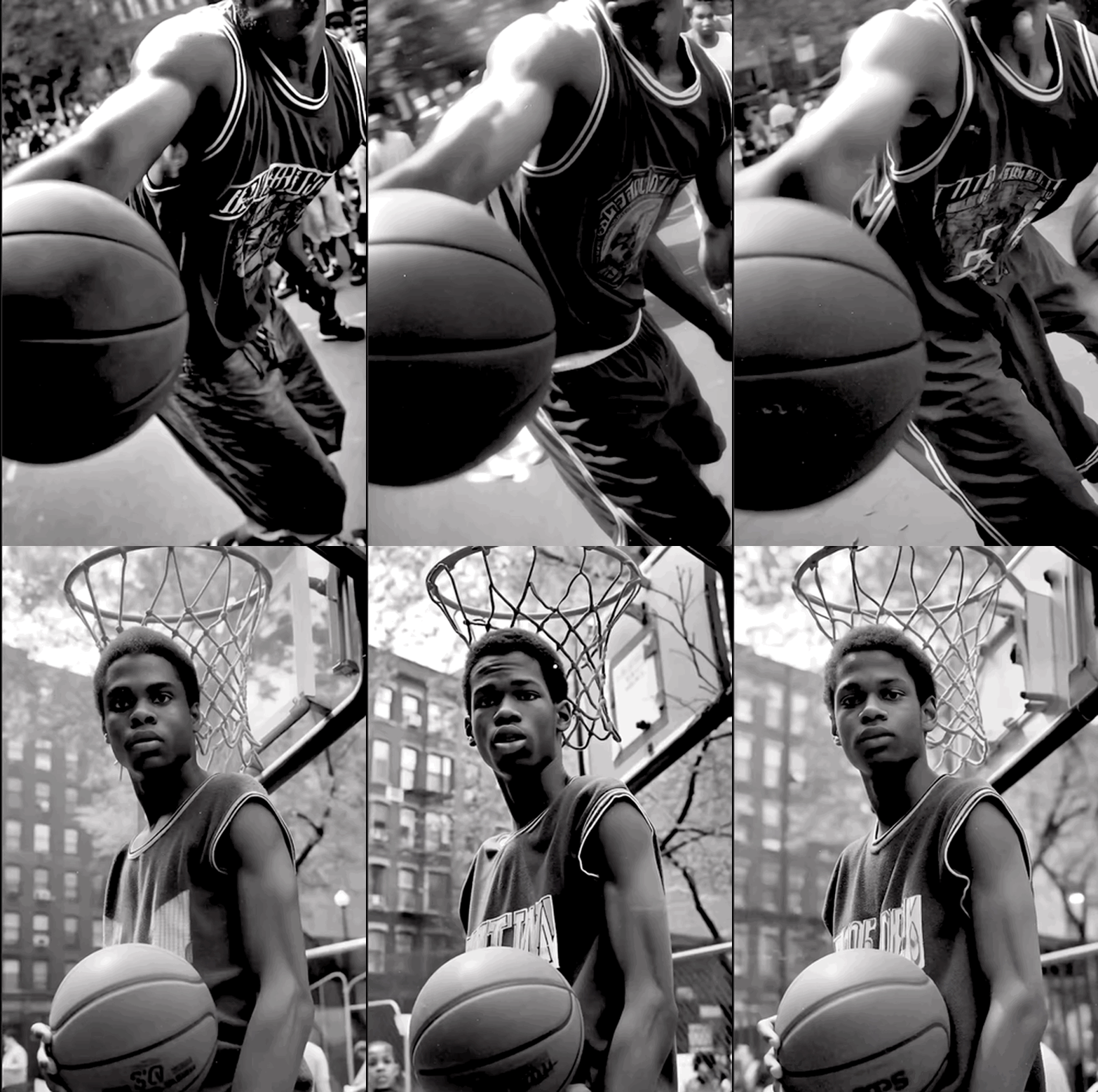
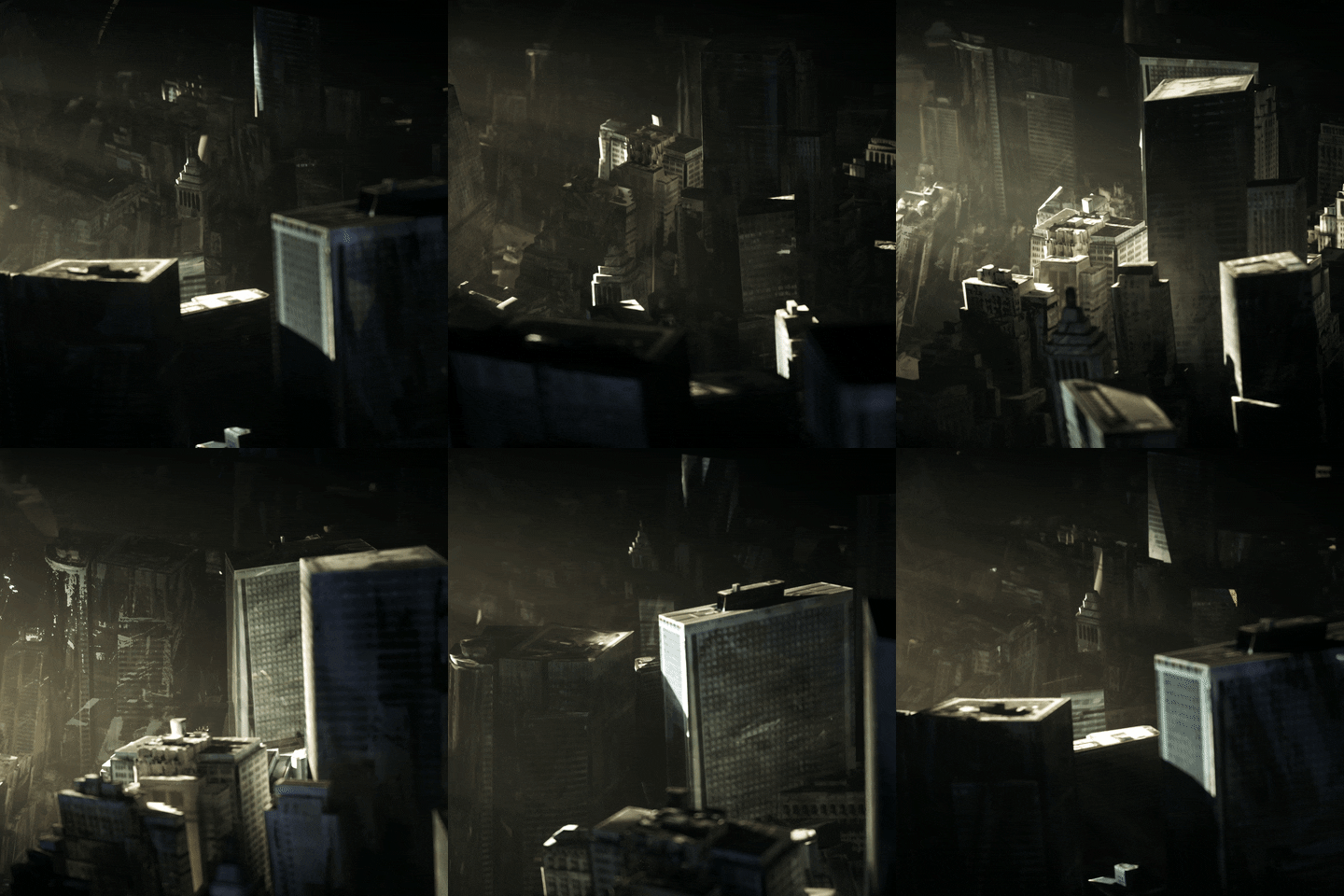
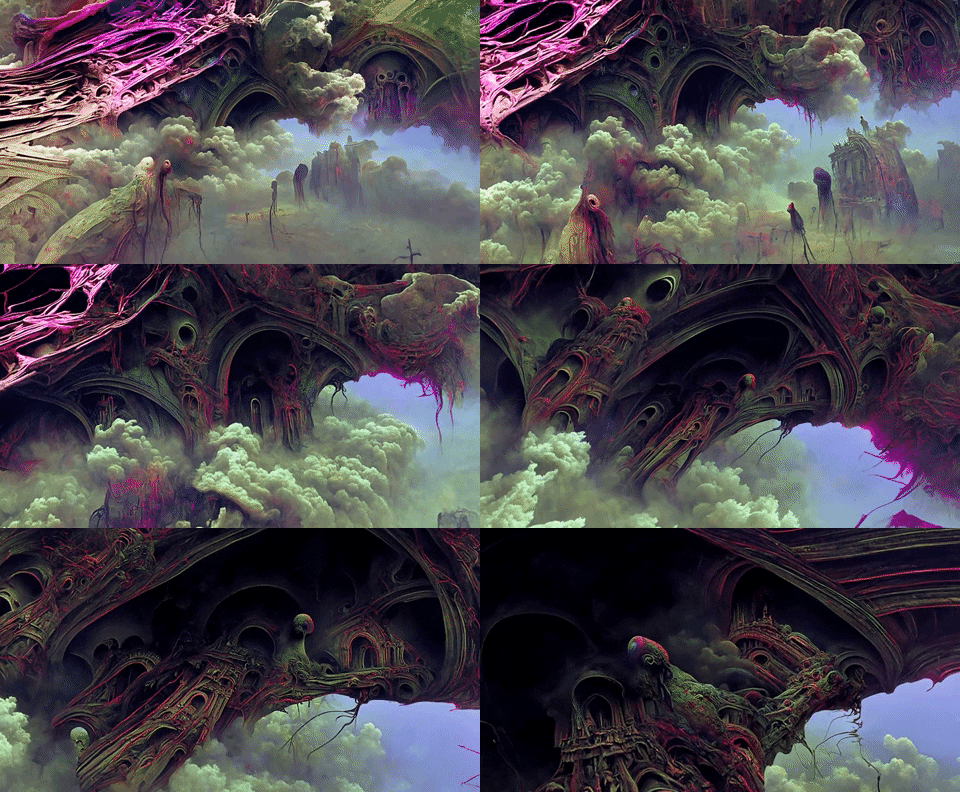
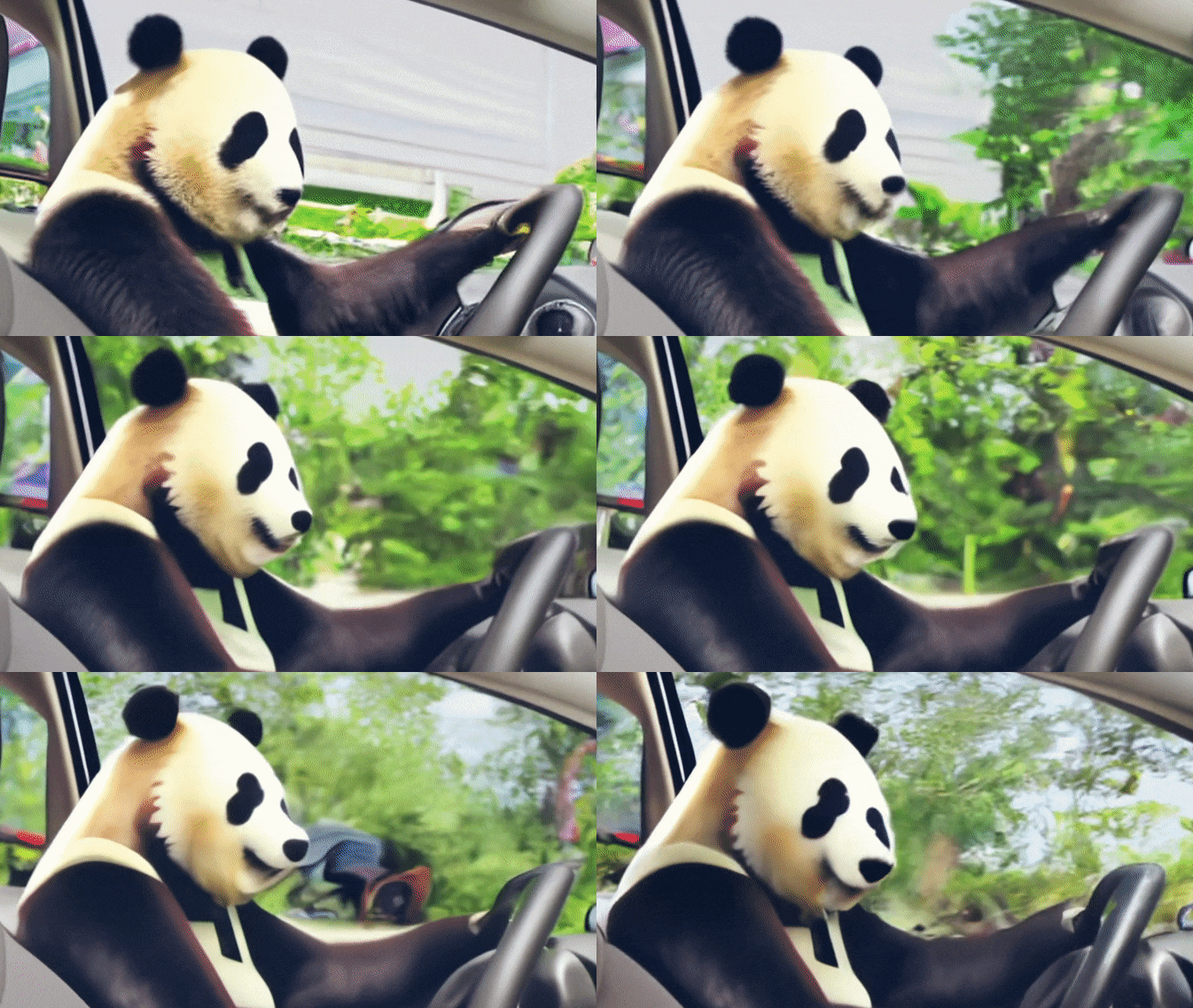
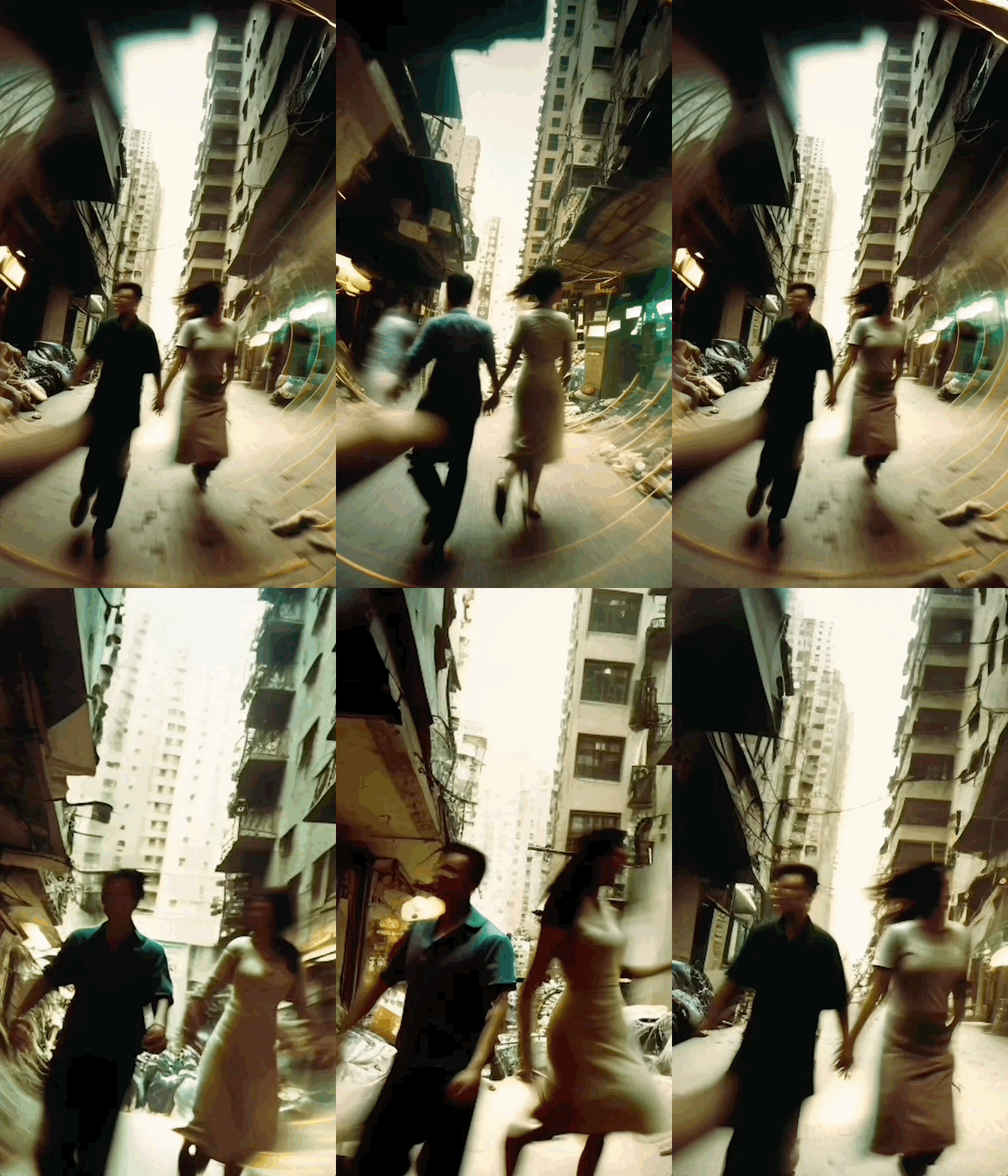
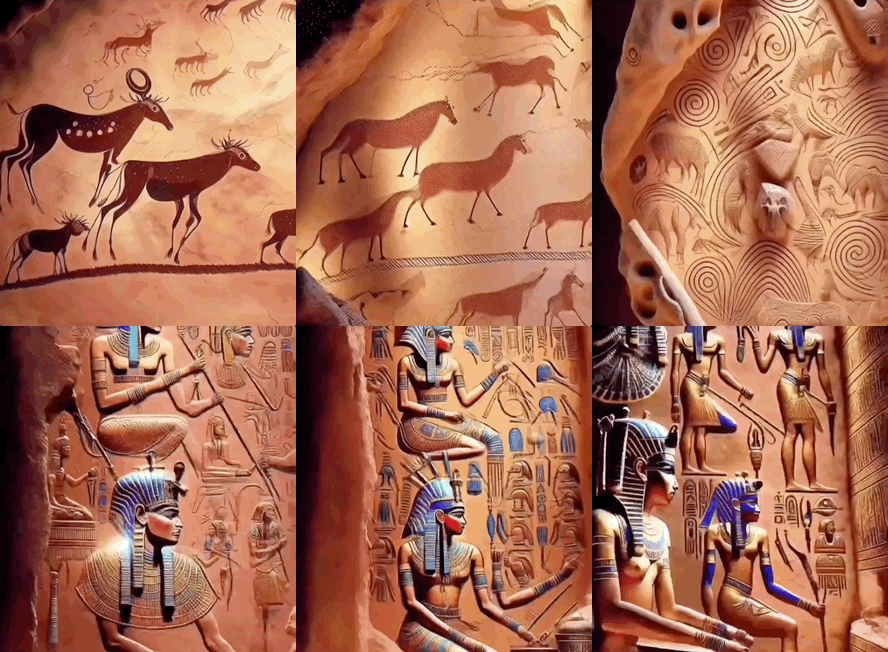
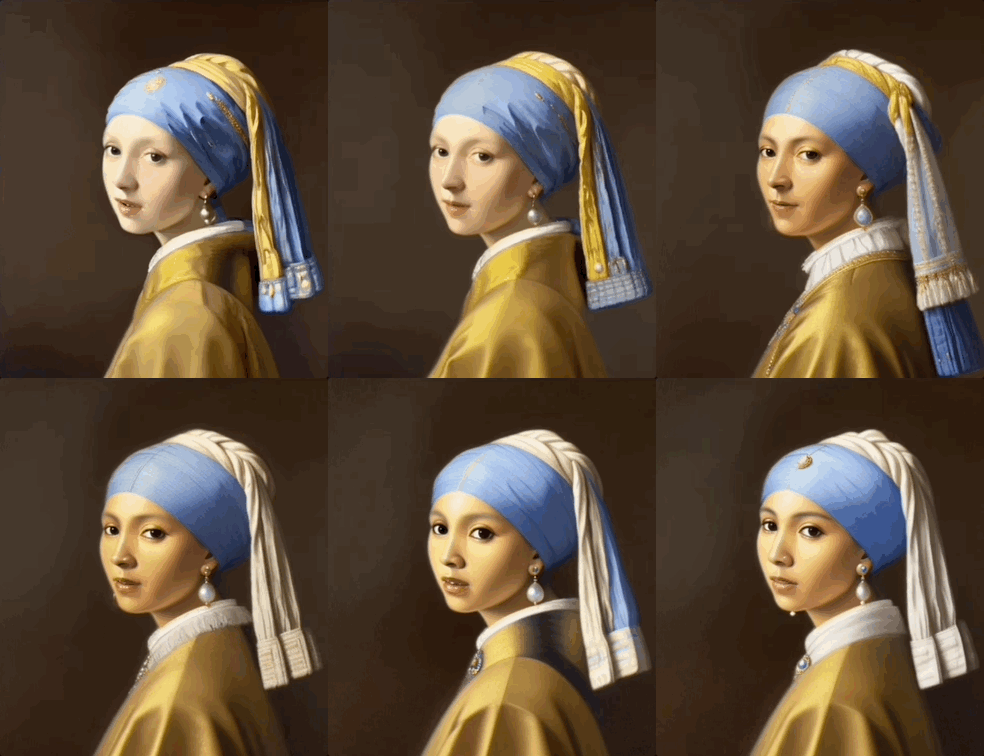
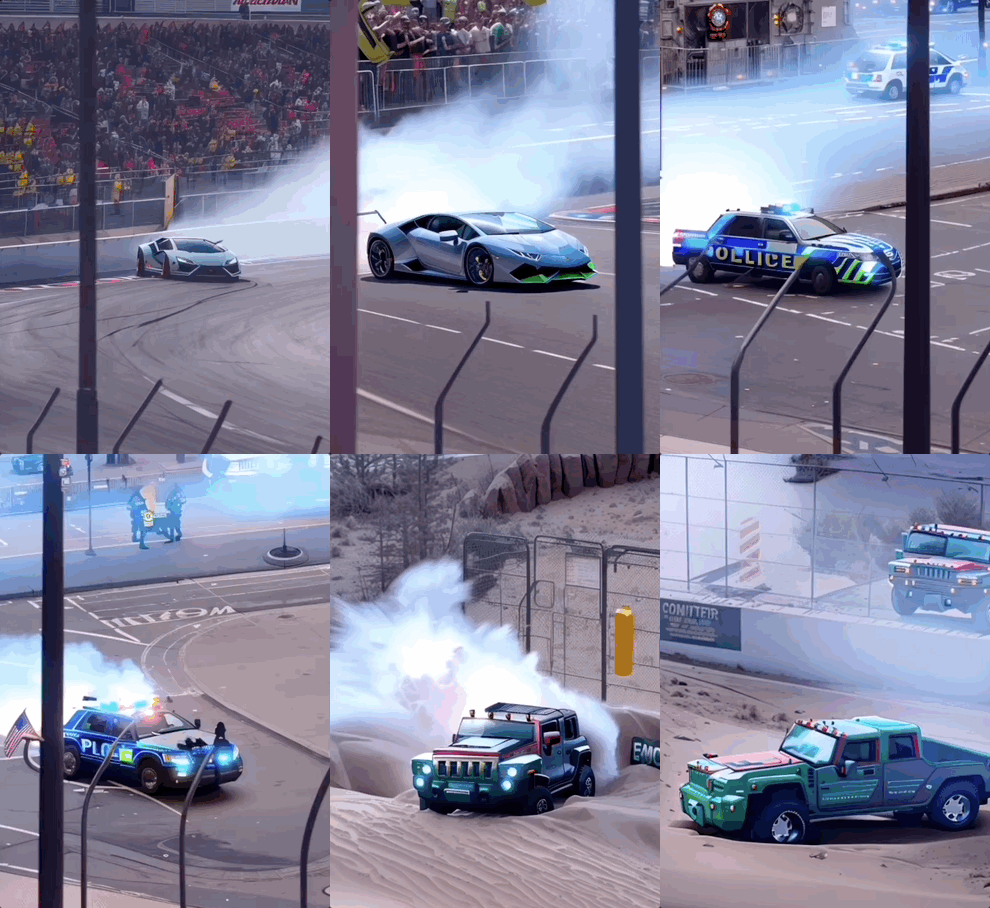
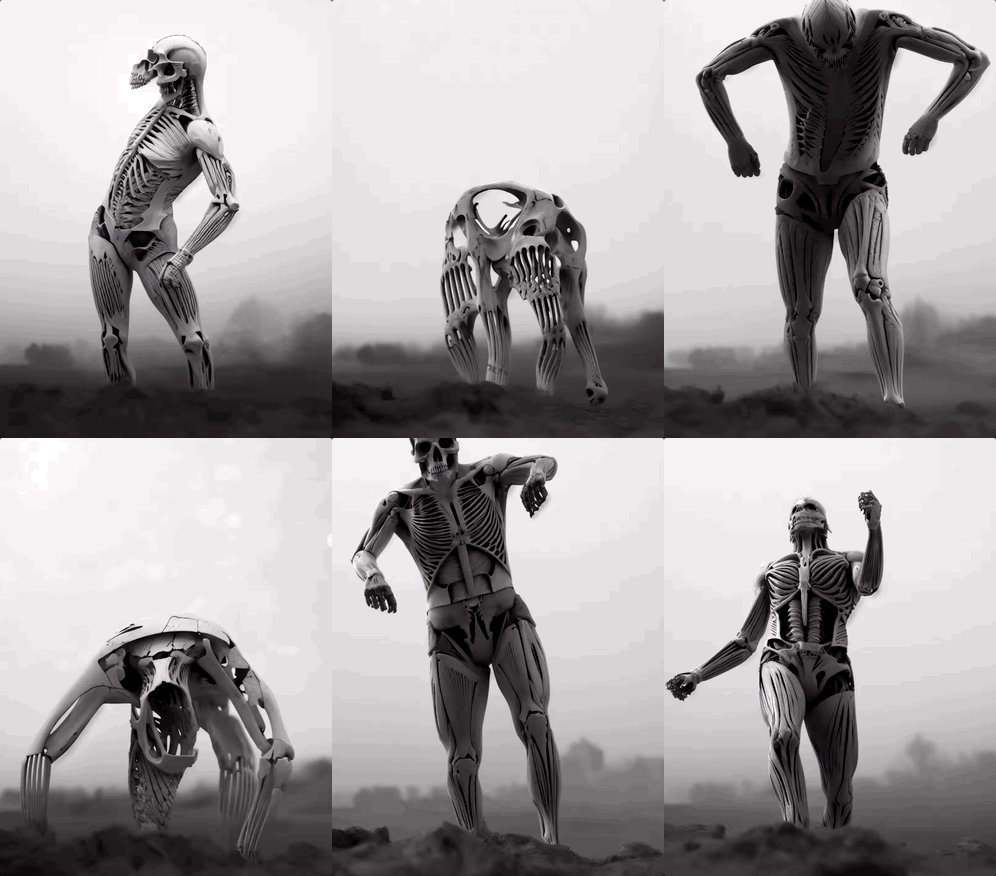
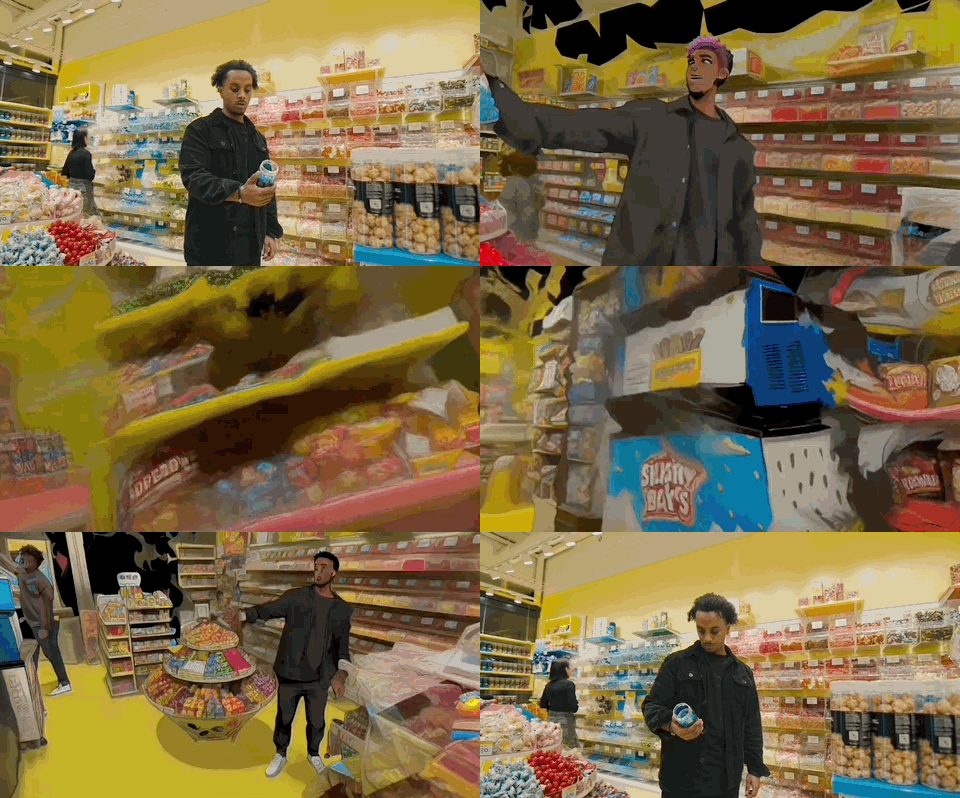
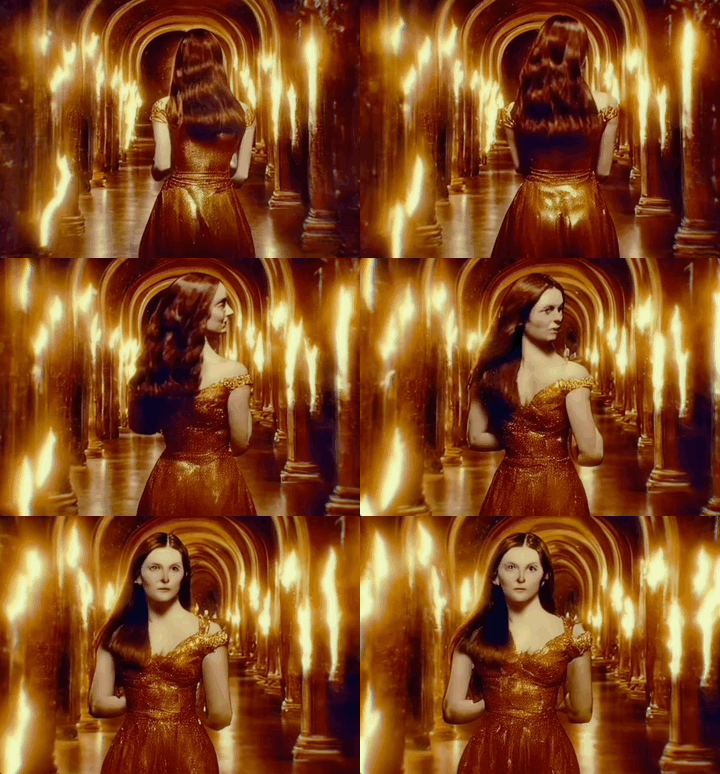
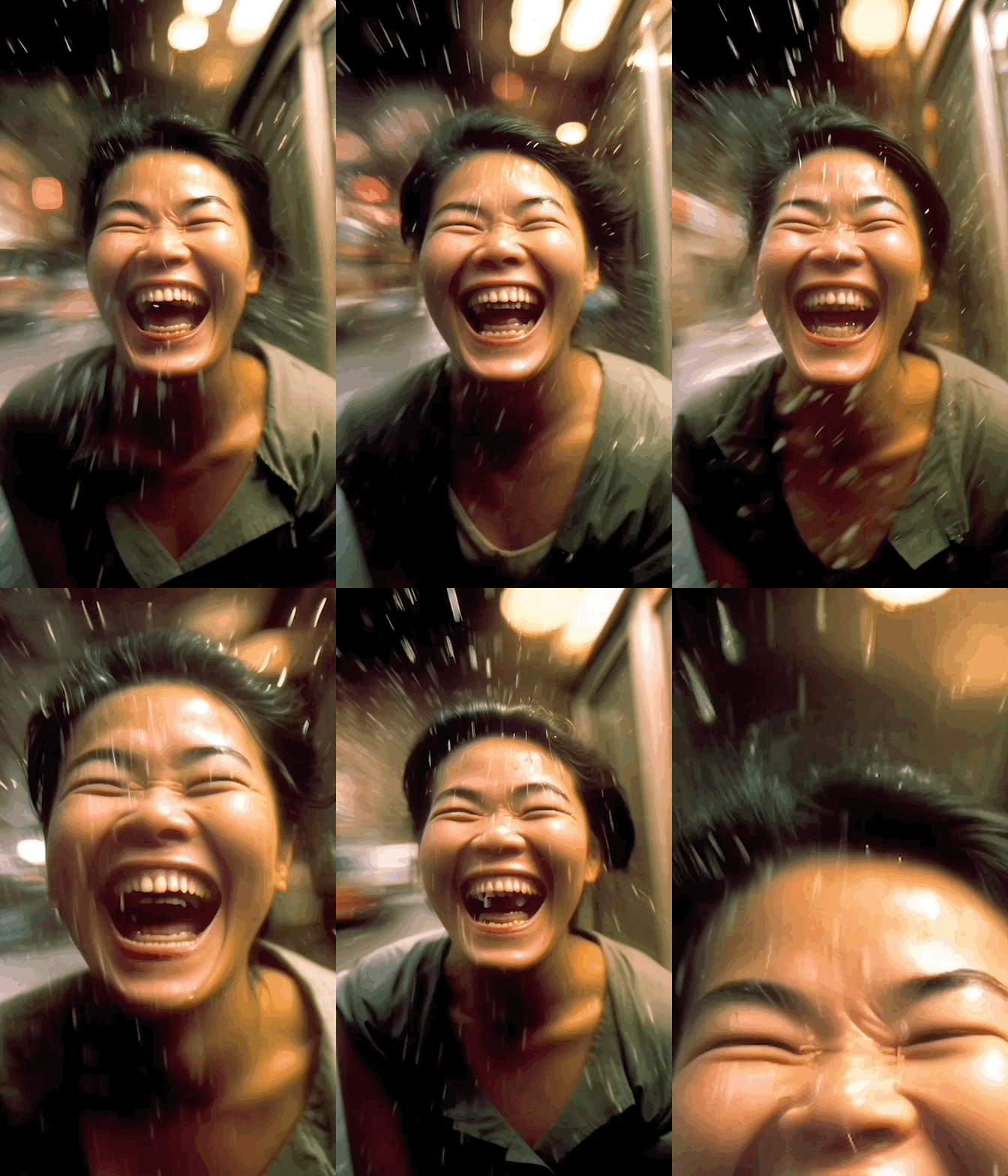
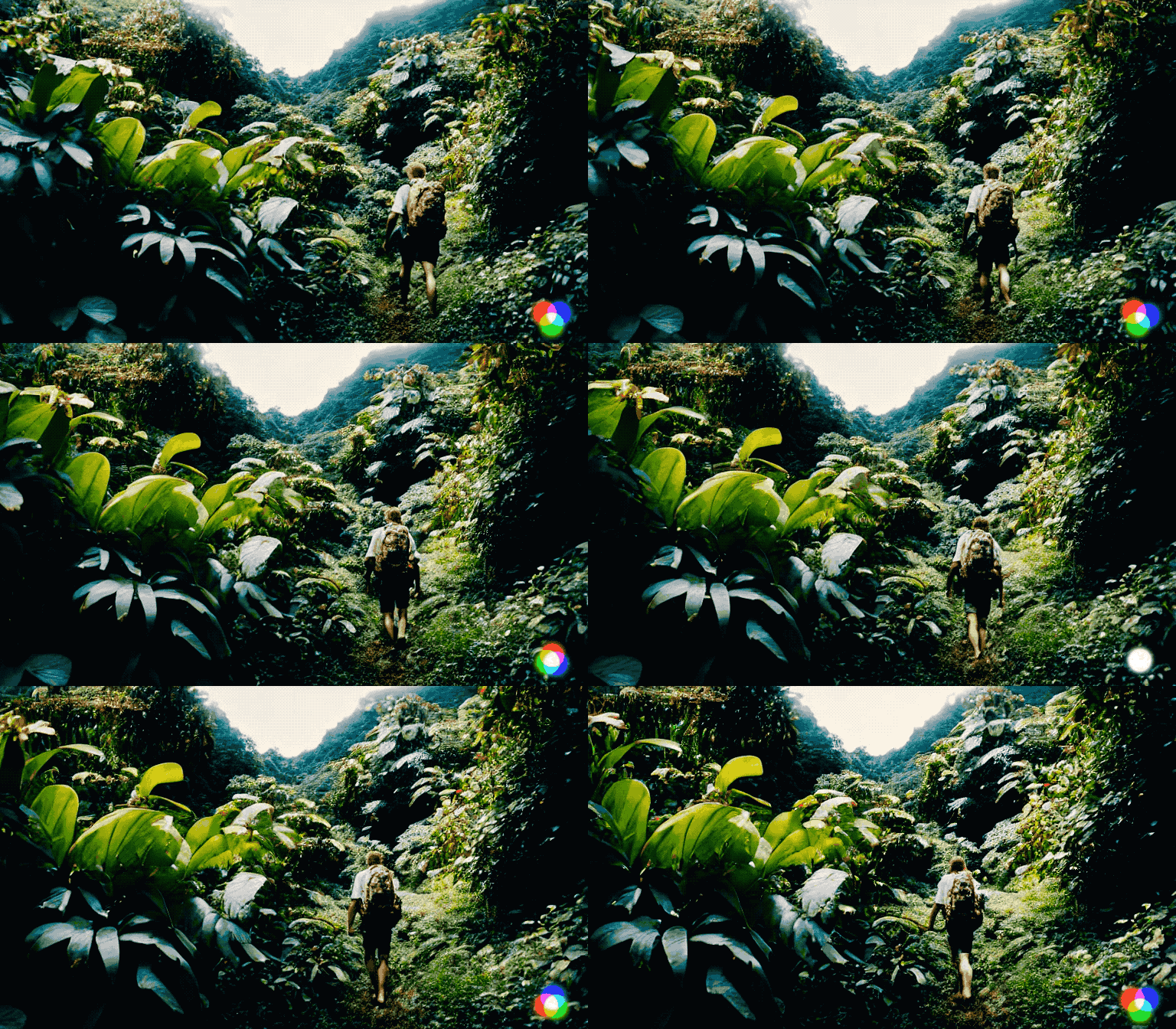
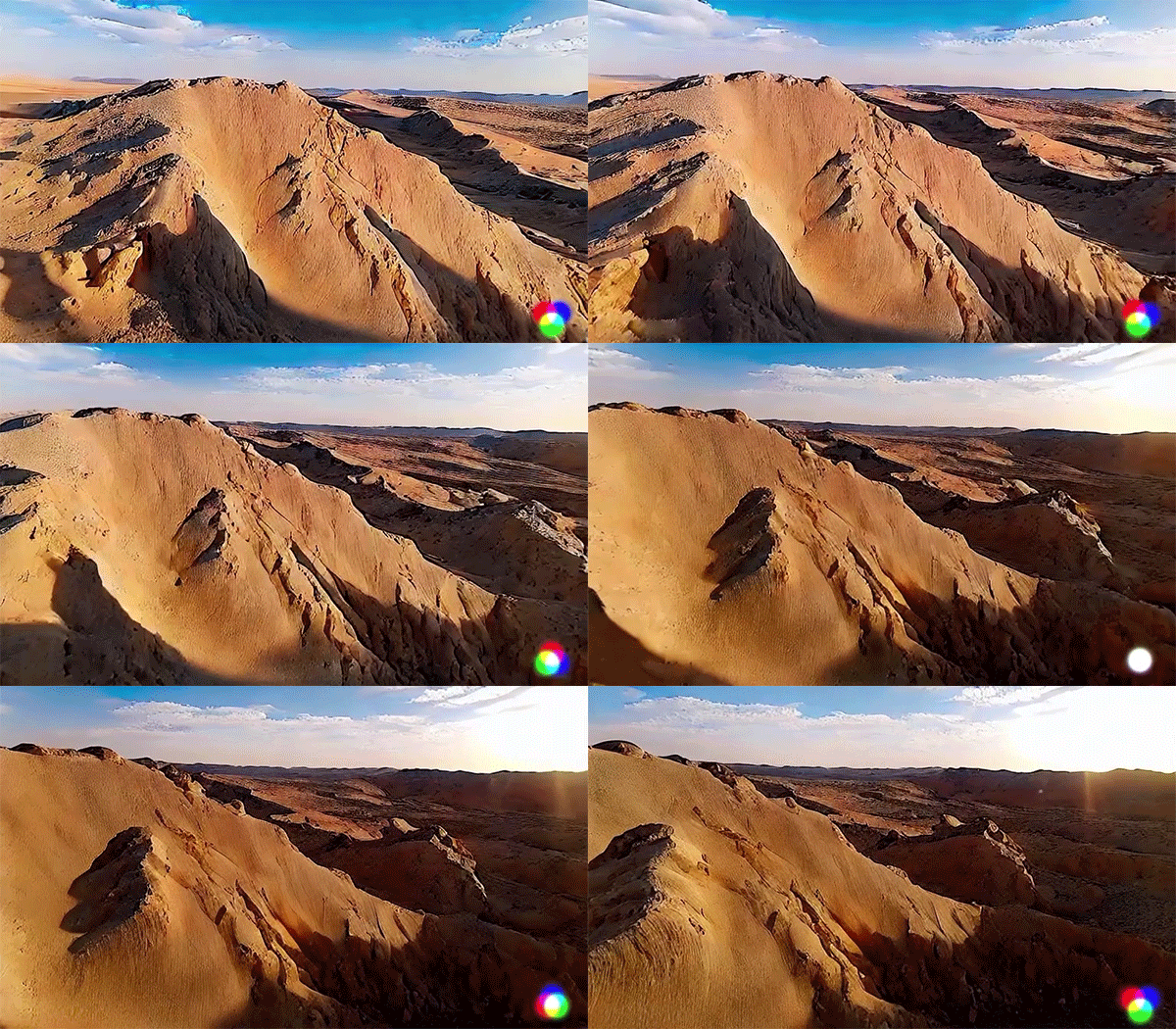
Generative AI refers to the use of artificial intelligence (AI) algorithms to generate video content. Visual techniques created using artificial intelligence. But it definitely won’t take our jobs? Right? RIGHT?
GEN 1
GEN 1
GEN 2
GEN 2
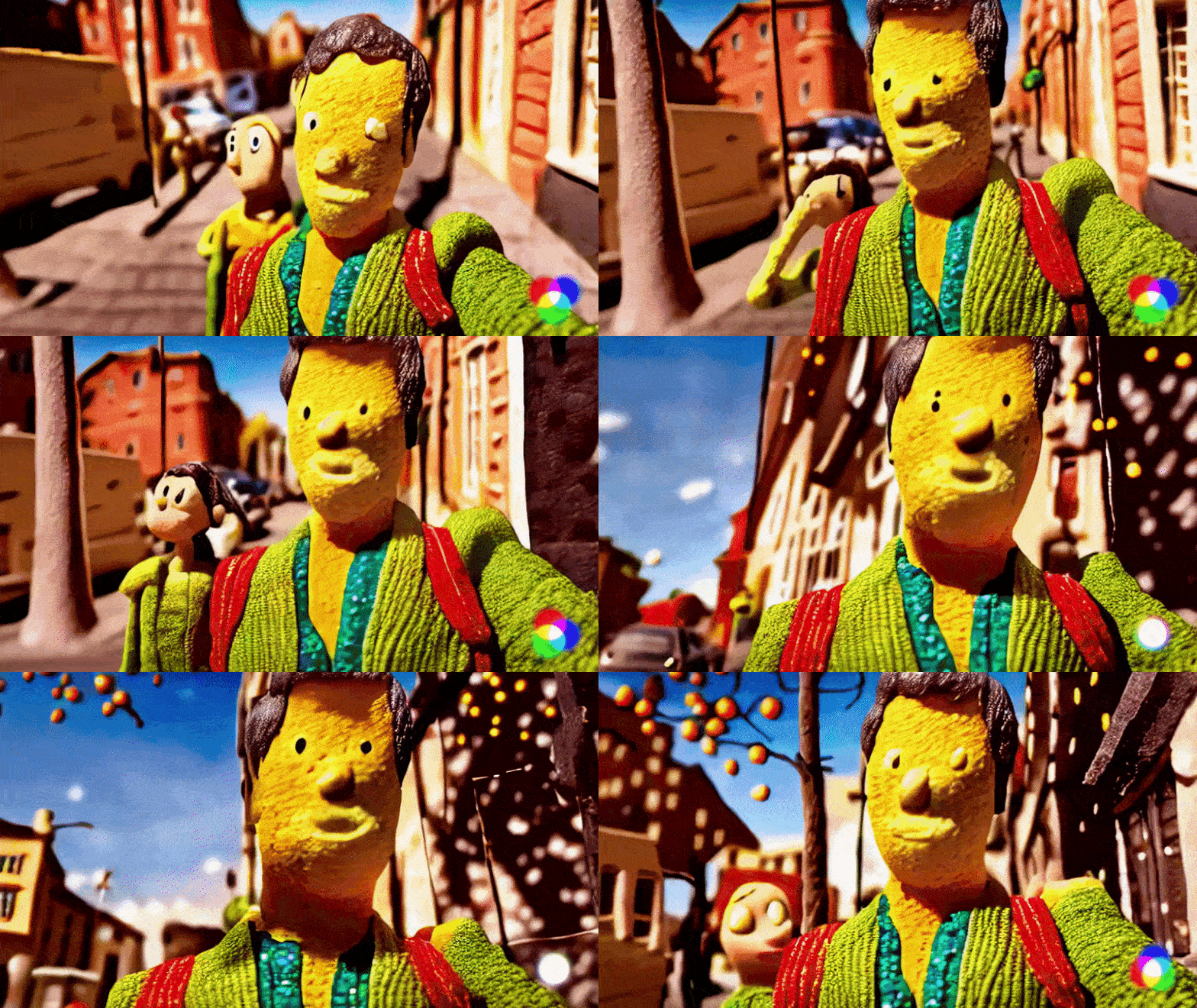

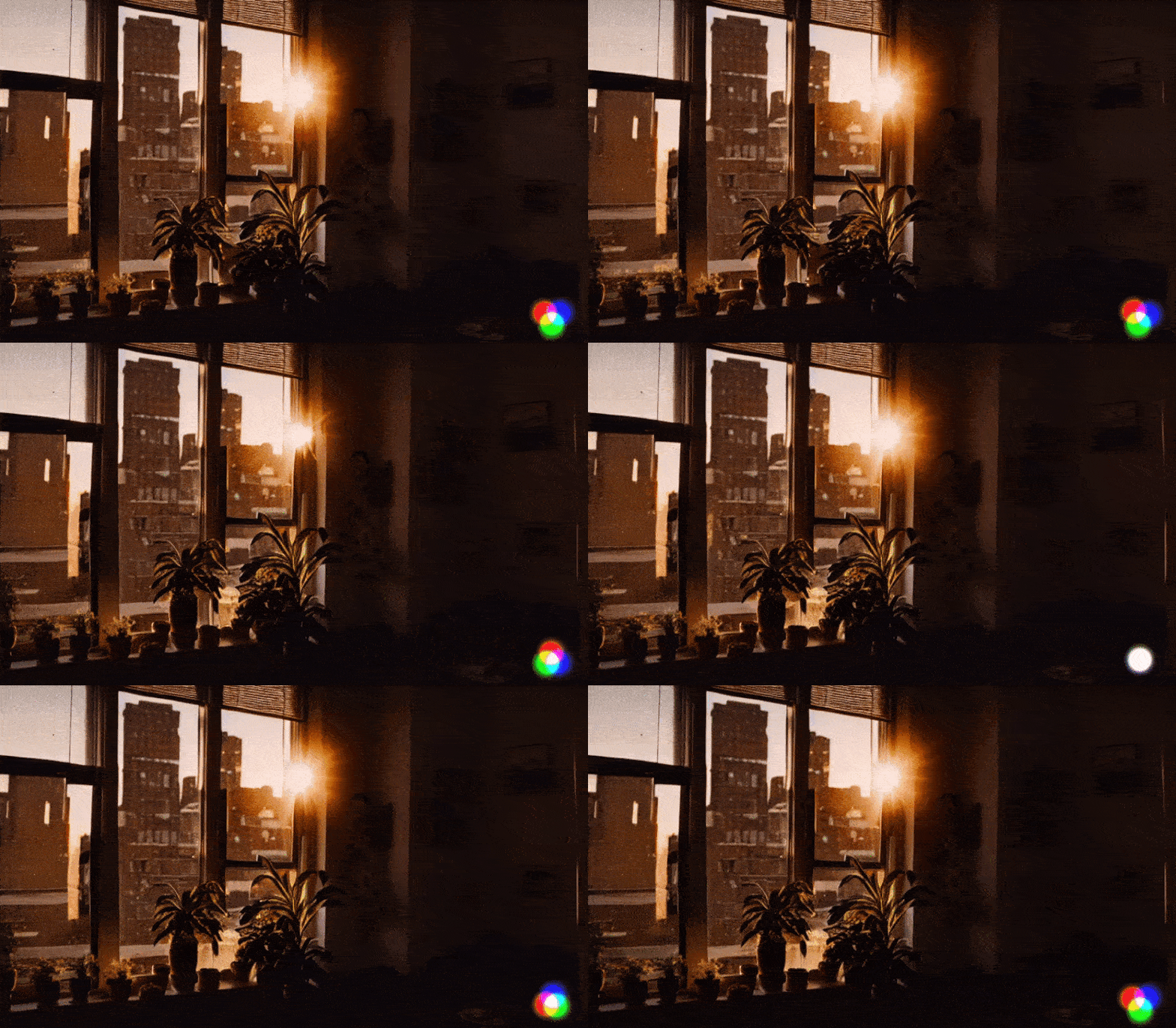
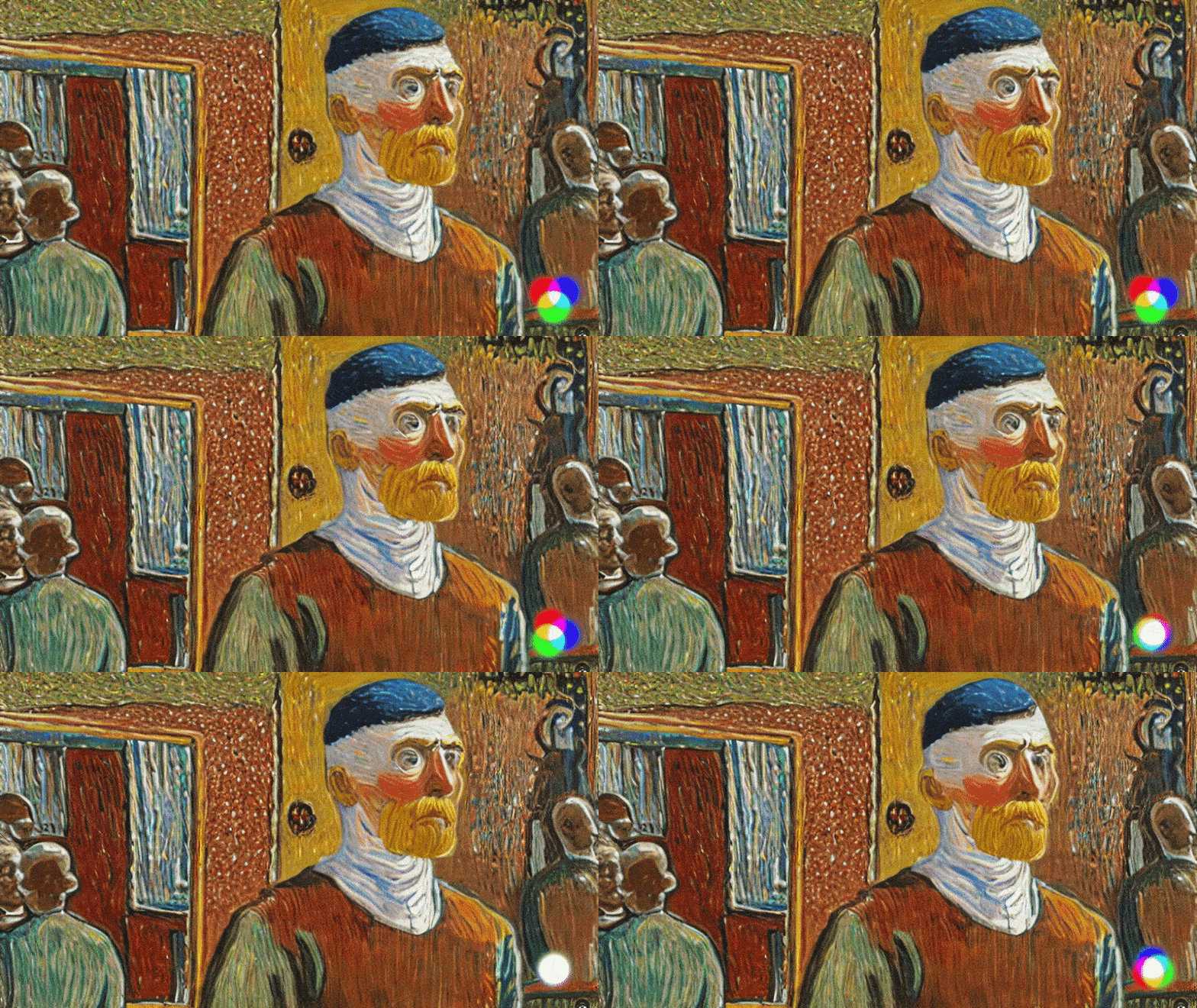
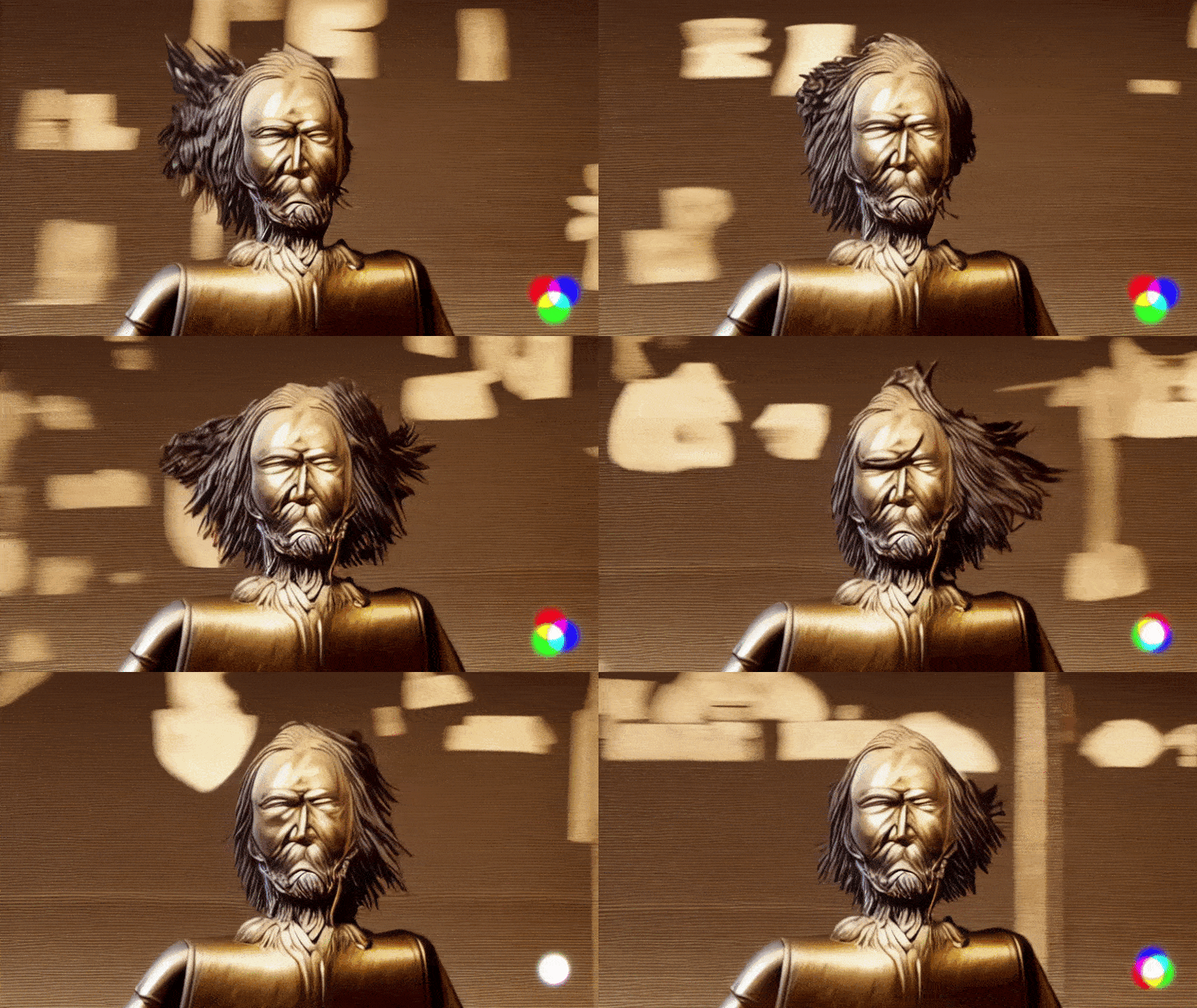
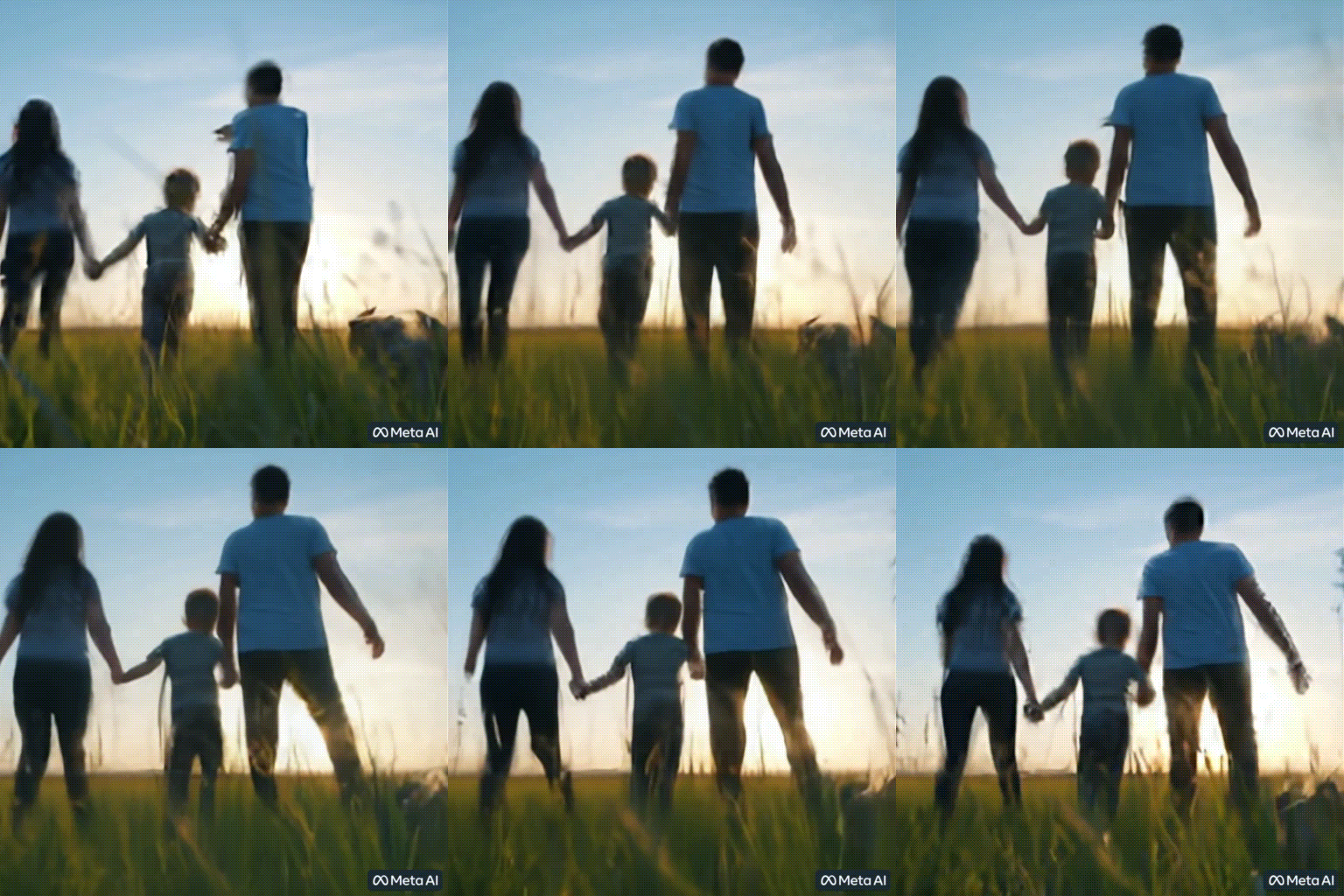
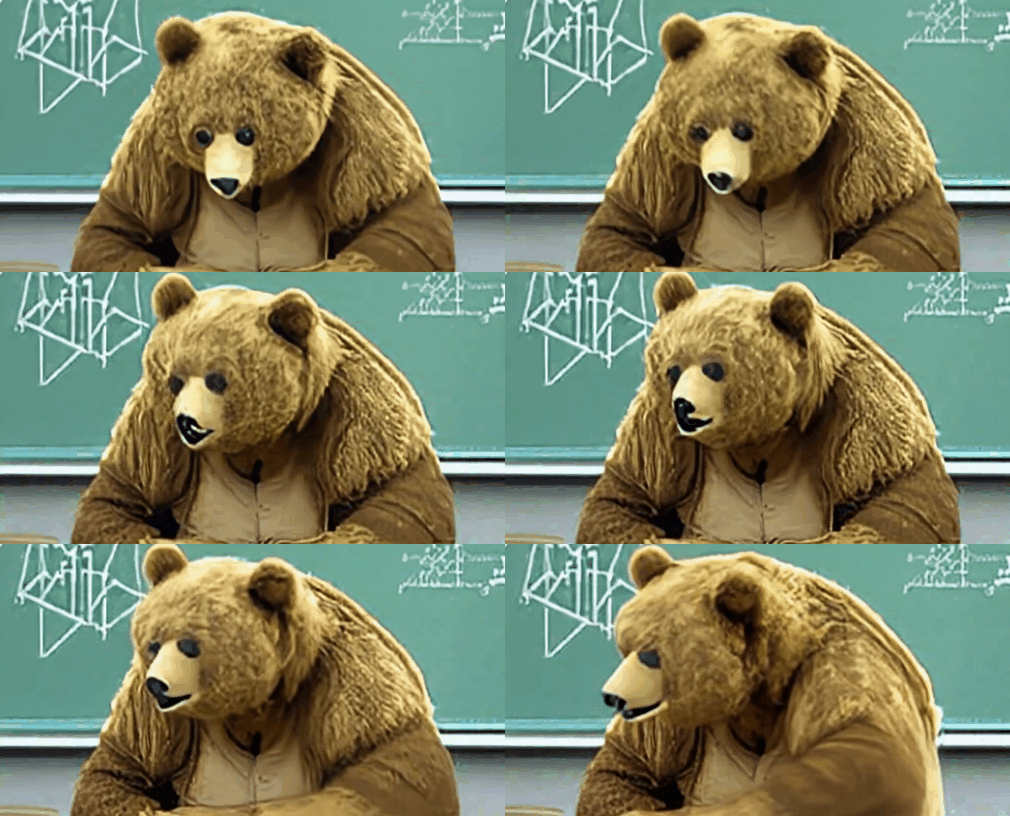
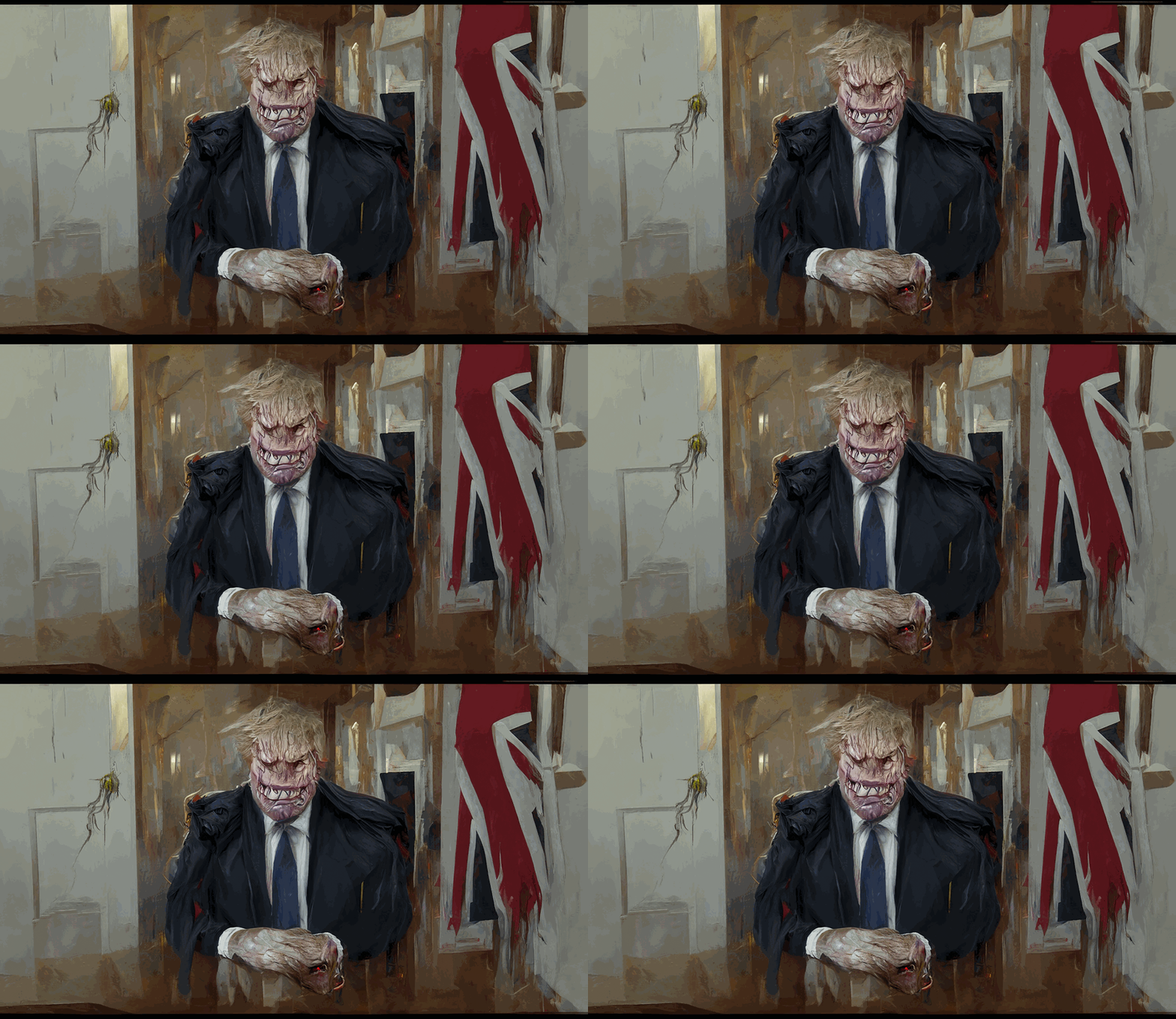
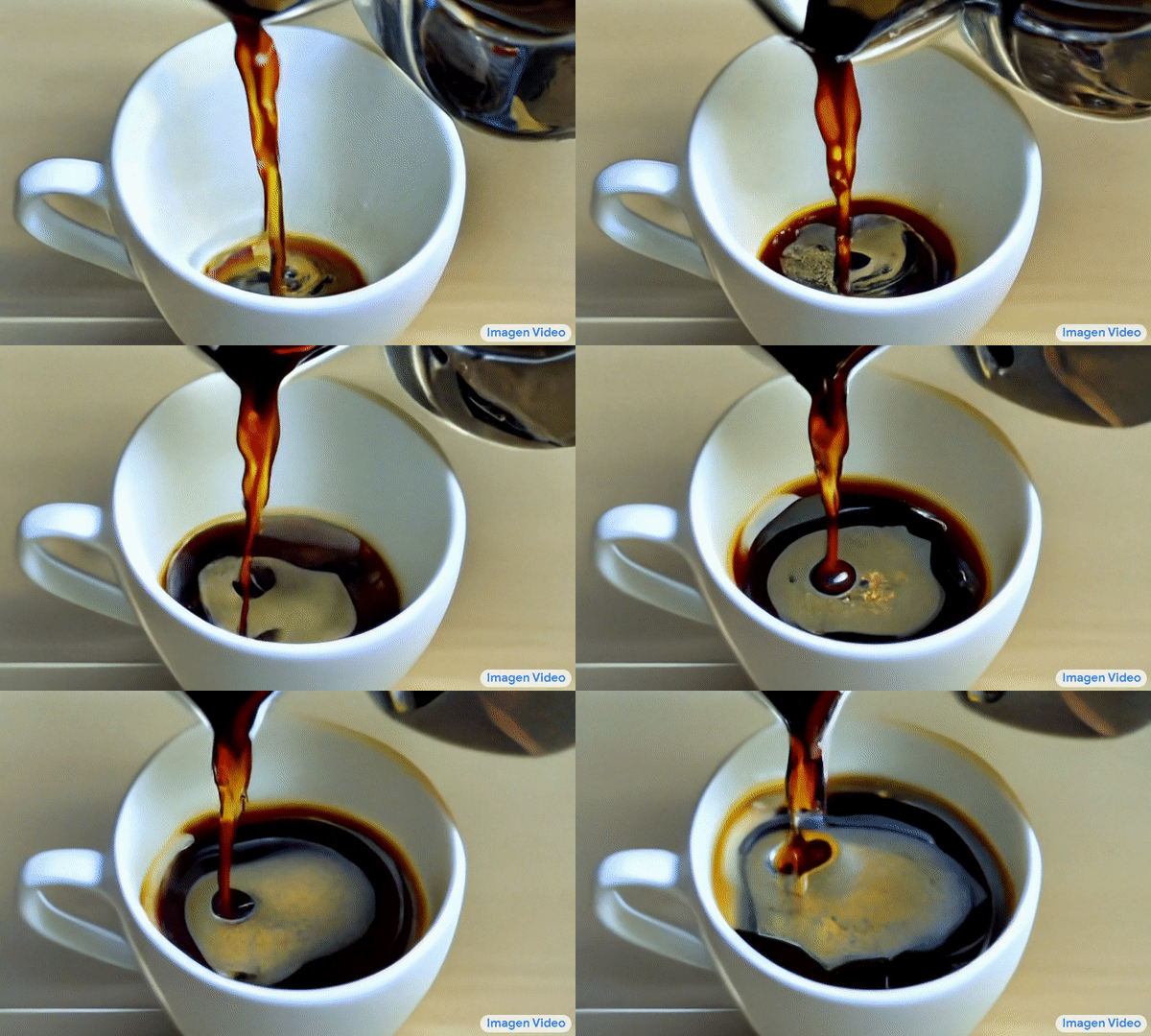
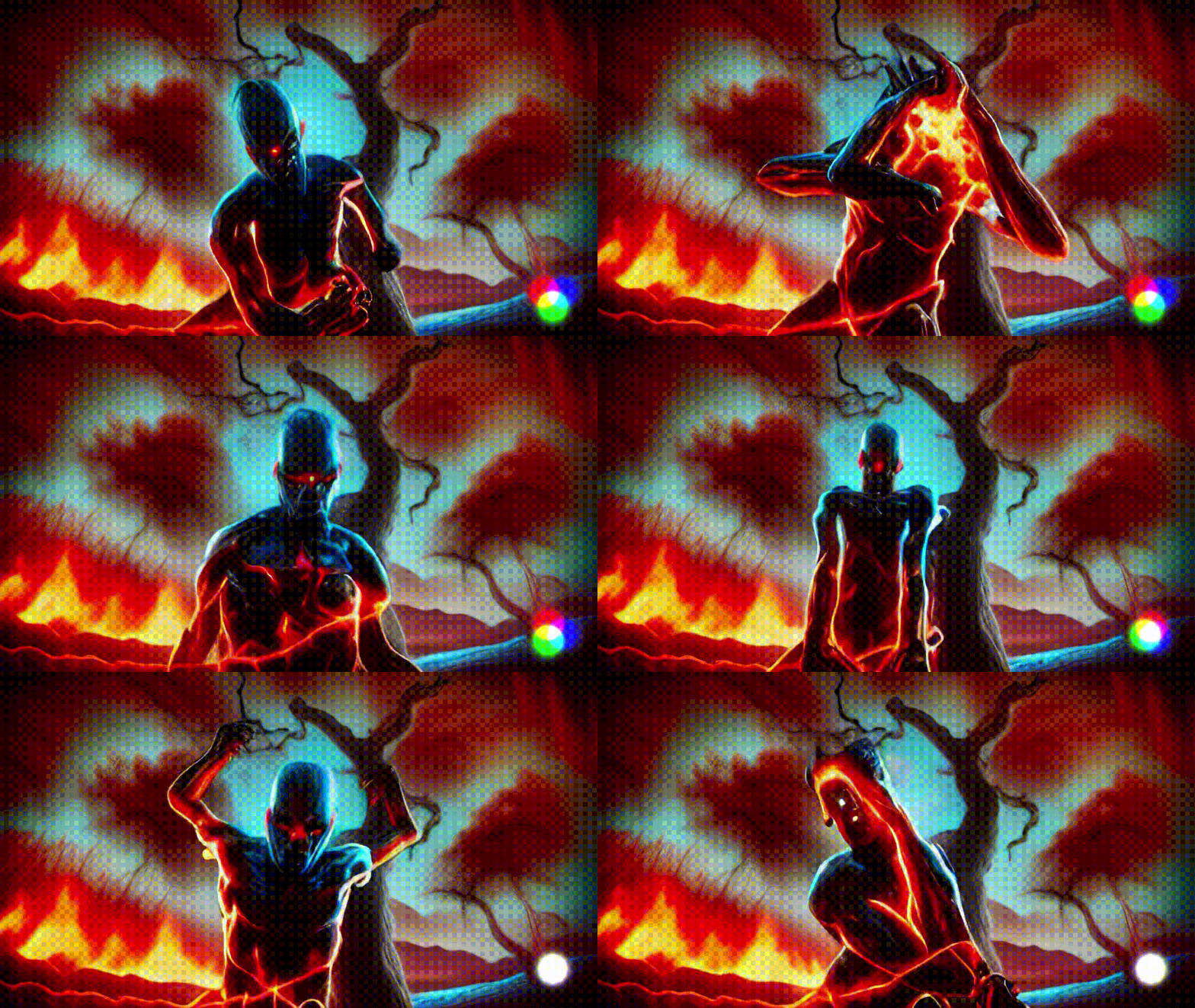
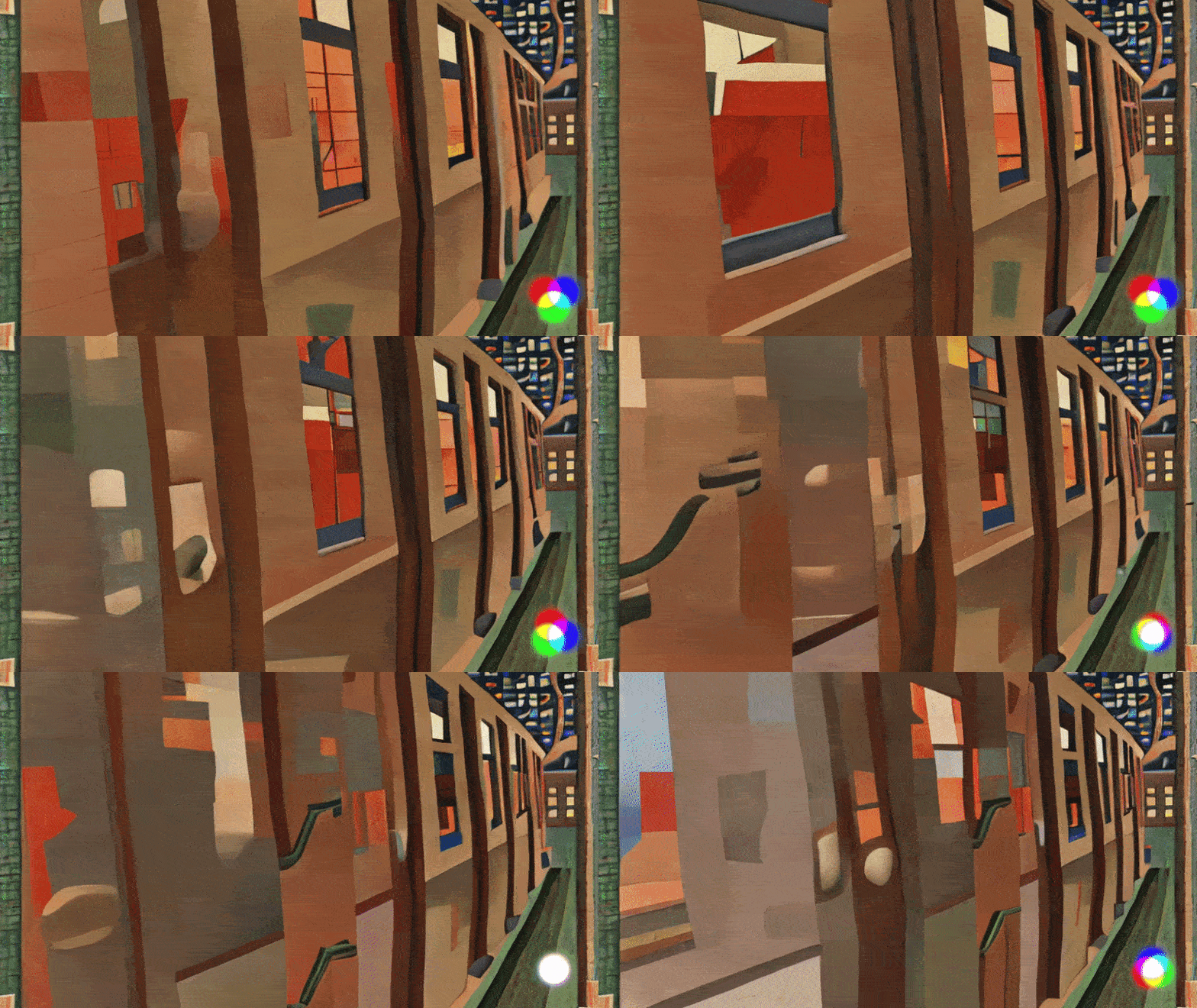
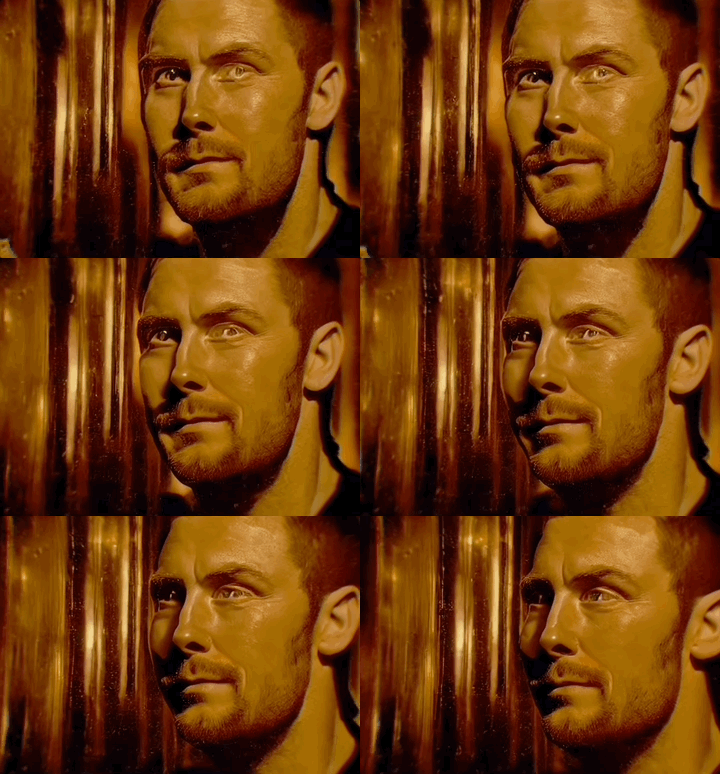
DIRECTOR SPOTLIGHT
DIRECTOR SPOTLIGHT
Fabio Comparelli
& A.I. Art
Notable Techniques: A.I. Generated artwork
Fabio Comparelli is a digital artist based in Switzerland known for his incorporation of artificial intelligence into his work. His video “The Evolution of Man” put him in the spotlight.

DEEP DIVE
DEEP DIVE
Generative Art
-
AI art is the Mona Lisa's digital cousin, the Jackson Pollock of the algorithmic world, and the Picasso of the computer age. It's a blend of creativity and code, a fusion of machine learning and artistic expression. It's like having a robotic Van Gogh that can generate a new masterpiece at the push of a button. With AI art, the possibilities are endless, and the results can be hilarious, inspiring, or downright weird - kind of like the internet itself. So, whether you're a technophile, an art lover, or just someone who wants to see what happens when you mix pixels with algorithms, AI art is definitely worth exploring.
-
There is a lot of debate around AI art, and it centers on several key issues. One of the main concerns is whether or not AI art can truly be considered art at all. Some argue that because AI-generated art is not created by human hands, it lacks the emotional depth and intentionality that are essential to true art.
Others counter that the algorithms used in AI art are designed and trained by humans, and that the resulting artworks are often complex and visually compelling. They argue that AI art is just another form of creative expression, and that it should be evaluated on its own merits.
Another issue is the role of the artist in the creation of AI art. Some argue that because AI-generated art is created by machines, it raises questions about the role of the artist and their relationship to the artwork. They argue that the artist's role should be central to any discussion of art, and that AI art undermines this by removing the human element from the creative process.
Others counter that AI art is a collaborative process between humans and machines, and that the artist's role is to guide and shape the algorithms rather than to create the art directly. They argue that this approach expands the possibilities for creativity and opens up new avenues for artistic expression.
Ultimately, the debate around AI art reflects the larger questions about the role of technology in society and the nature of creativity itself. As AI continues to develop and become more sophisticated, it will be interesting to see how these debates evolve and how they shape our understanding of art and technology.
-
There are several music videos that use AI art in their visuals. Here are a few examples:
"Raw Data" by Algorave - This music video features live-captured motion data from dancers that is fed into an AI algorithm, which generates abstract visuals that sync with the music.
"Ghosts" by Ela Minus - This music video uses machine learning algorithms to create a series of moving images that explore the themes of memory and loss.
"Feel Good" by Gorillaz ft. Popcaan - This music video uses AI to create a series of surreal and trippy visuals, including a sequence in which the band members are transformed into colorful, cartoon-like characters.
"The Writing's on the Wall" by OK Go - This music video uses a combination of practical effects and computer-generated imagery to create a series of optical illusions that are synchronized with the music.
"Heaven" by Róisín Murphy - This music video uses an AI algorithm to generate a series of abstract and dream-like visuals that complement the song's ethereal mood.
-
There are many artists who use AI art in their work, and the list is growing as more and more artists experiment with these new technologies. Here are a few examples of artists who are known for their work in AI art:
Refik Anadol - A media artist and director who creates immersive installations and experiences using AI algorithms to generate visuals and soundscapes.
Sougwen Chung - An interdisciplinary artist who works with robotics and AI to explore themes of consciousness and identity, creating intricate and ethereal installations that blur the line between the digital and physical worlds.
Ian Cheng - A visual artist who creates digital simulations and animations using AI algorithms to generate complex and unpredictable behaviors.
Mario Klingemann - An artist and researcher who works with generative algorithms to create art that explores themes of identity, perception, and emotion.
Anna Ridler - An artist and researcher who works with machine learning algorithms to create intricate data-driven artworks that explore themes of memory, identity, and perception.