PHOTOSENSITIVITY WARNING
This content contains visual elements that may trigger photosensitive seizures or adverse reactions in individuals with photosensitivity or epilepsy. Viewer discretion is advised.
STEP PRINTING
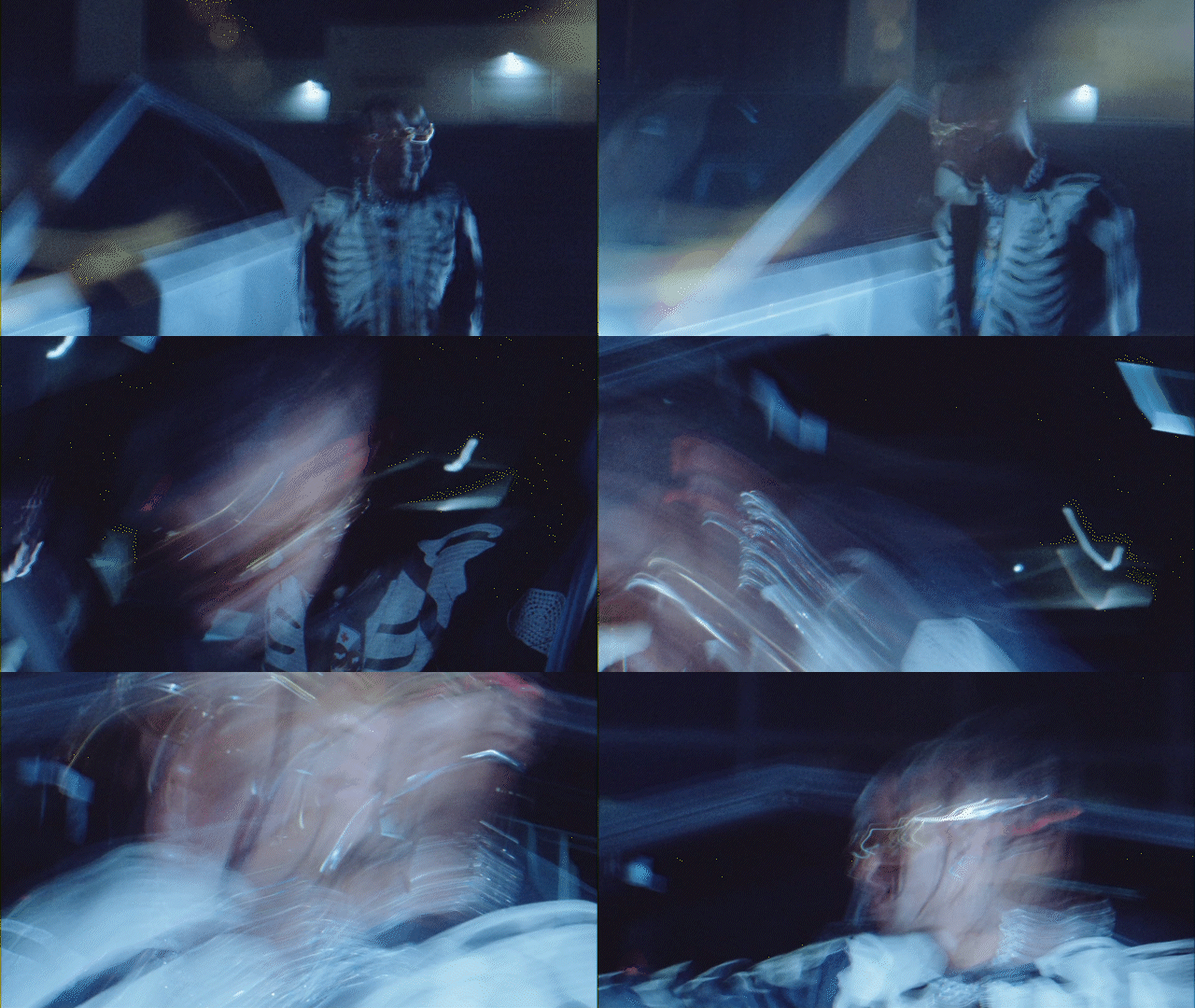
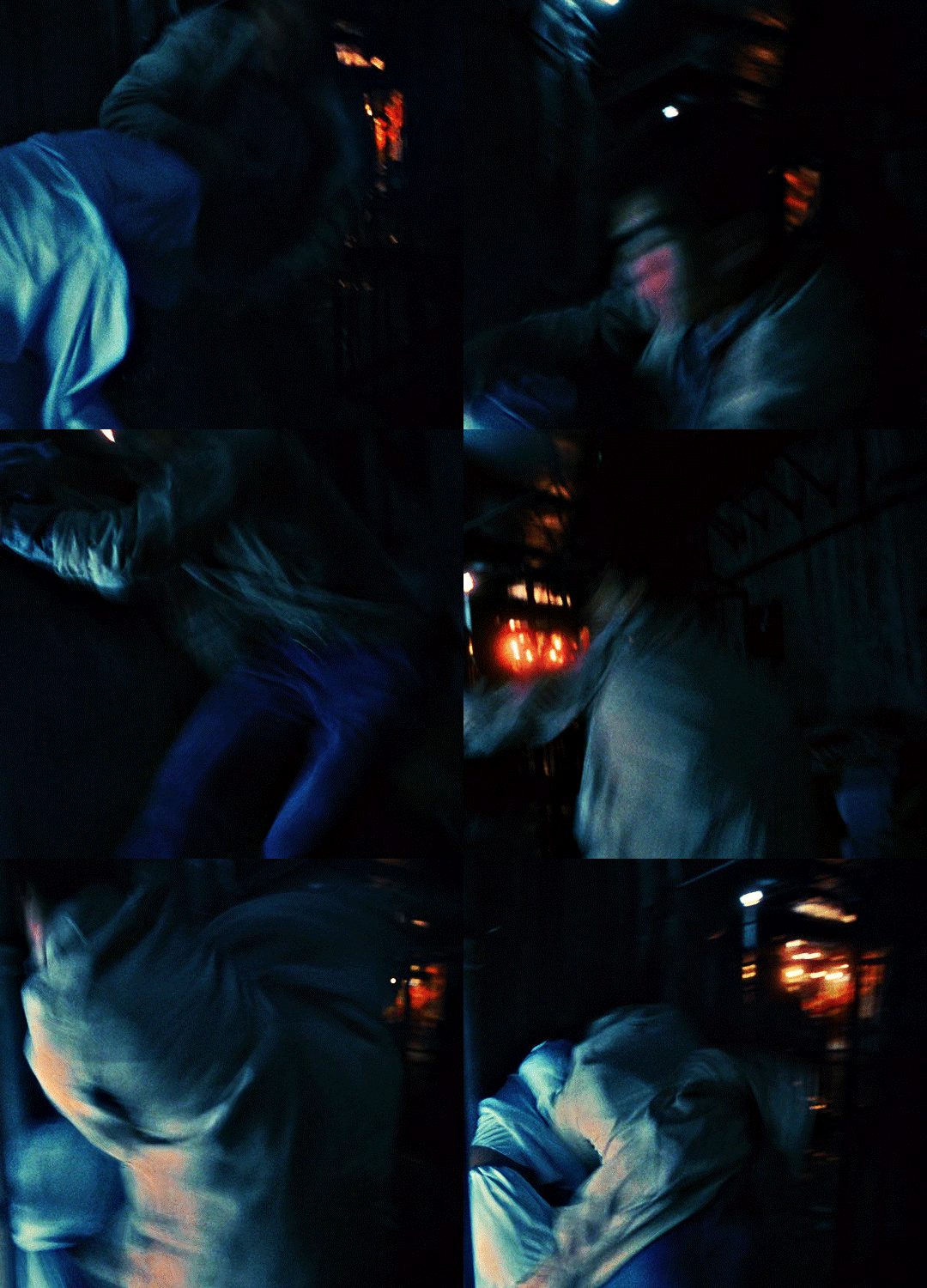
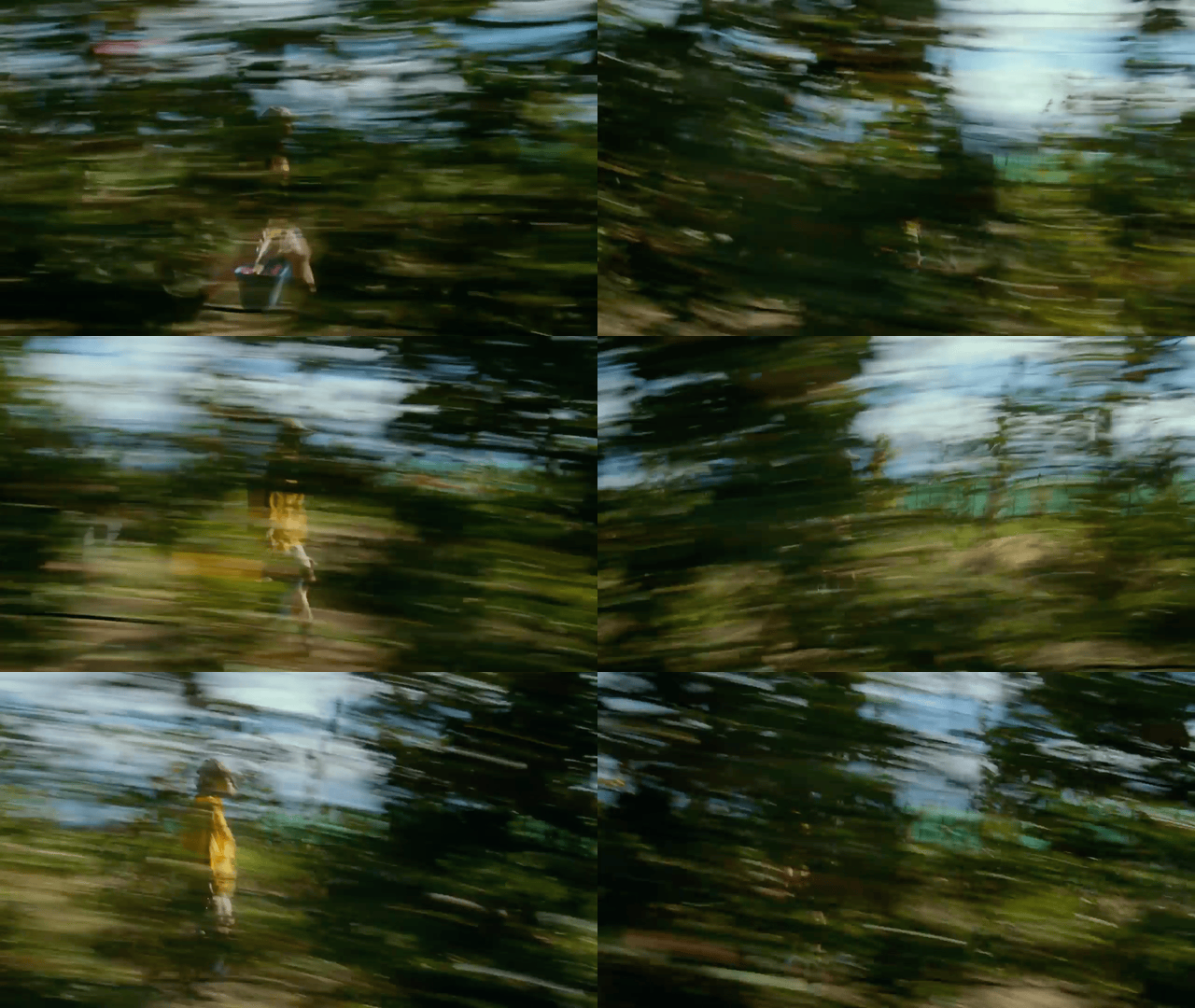
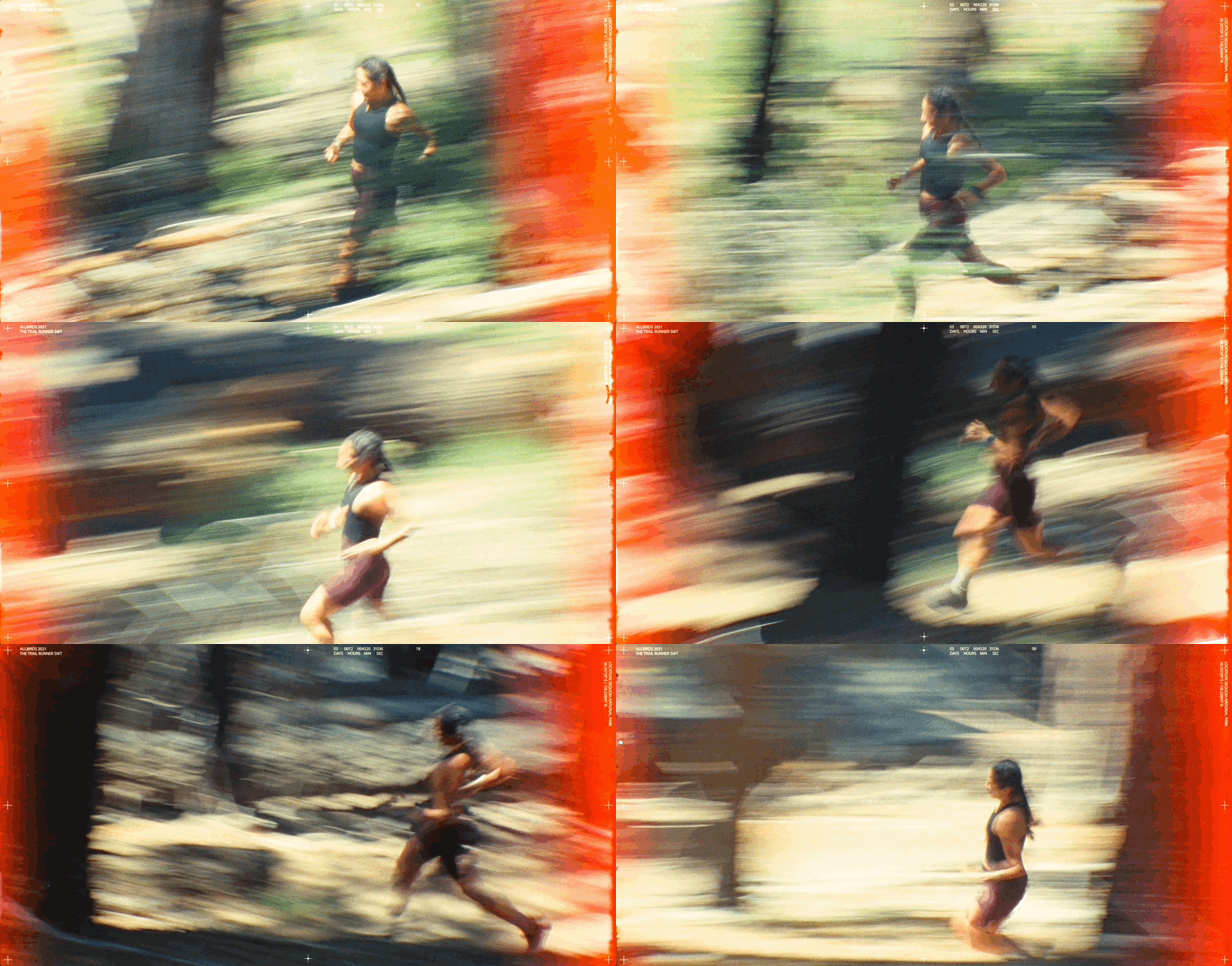
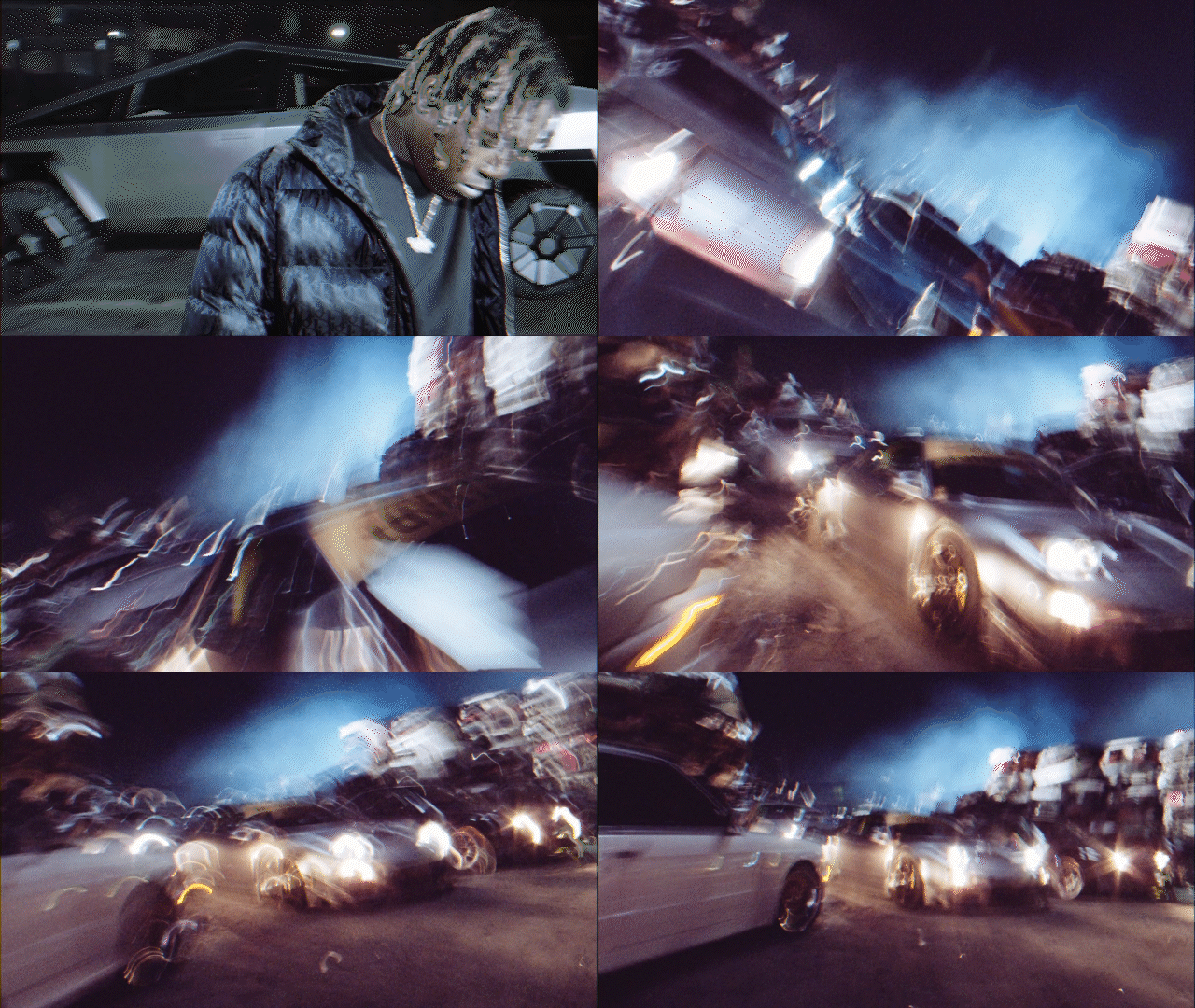
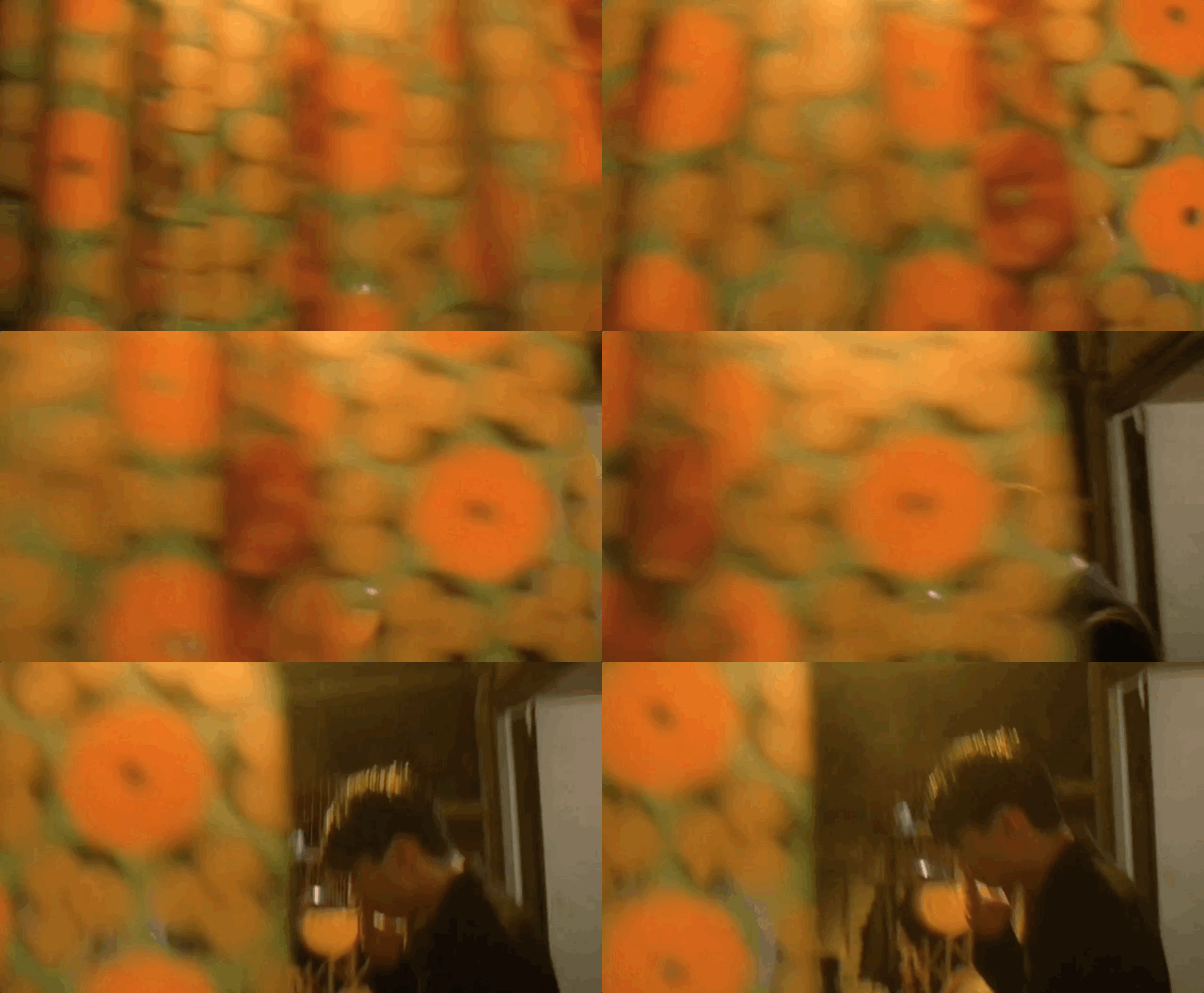
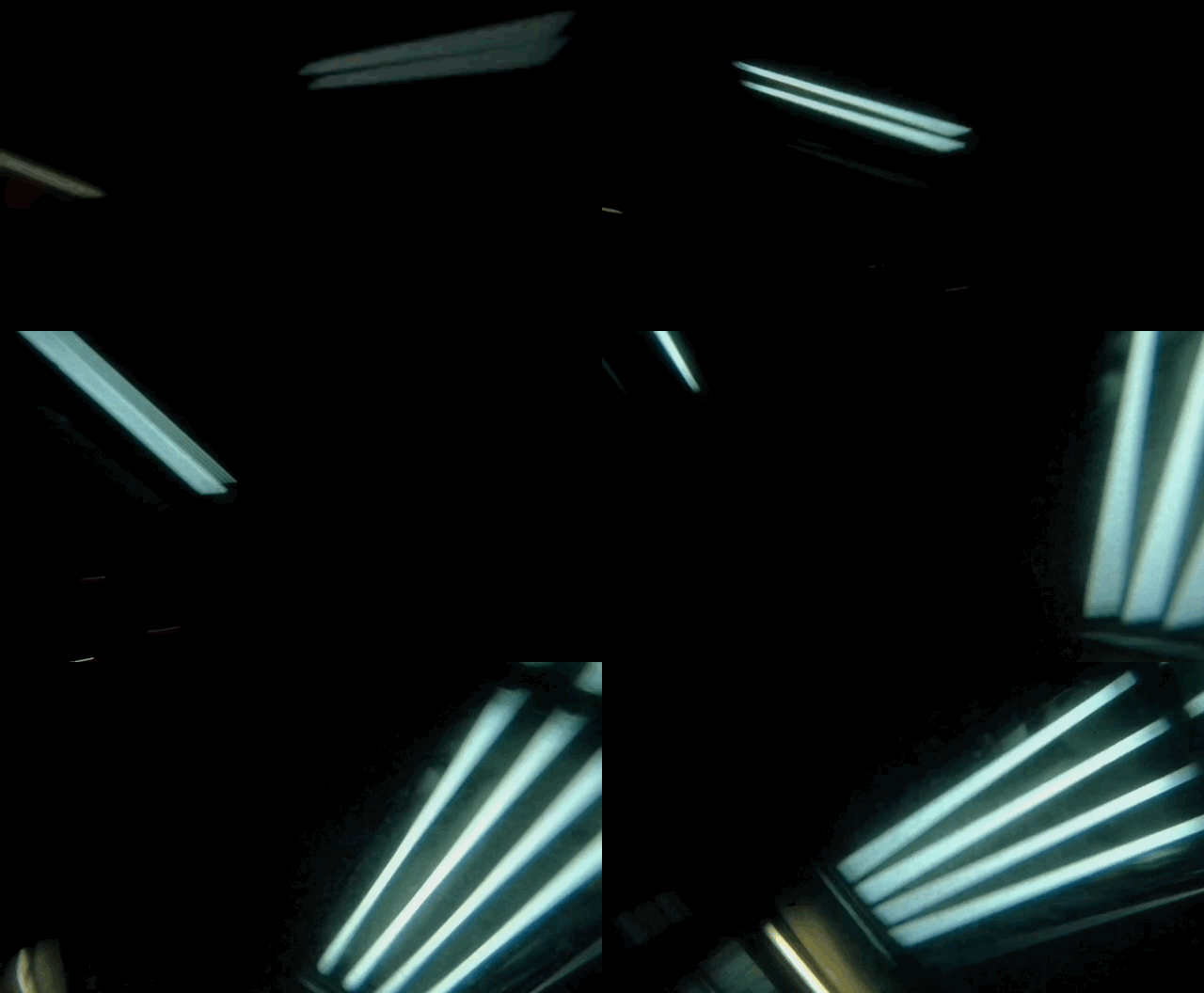
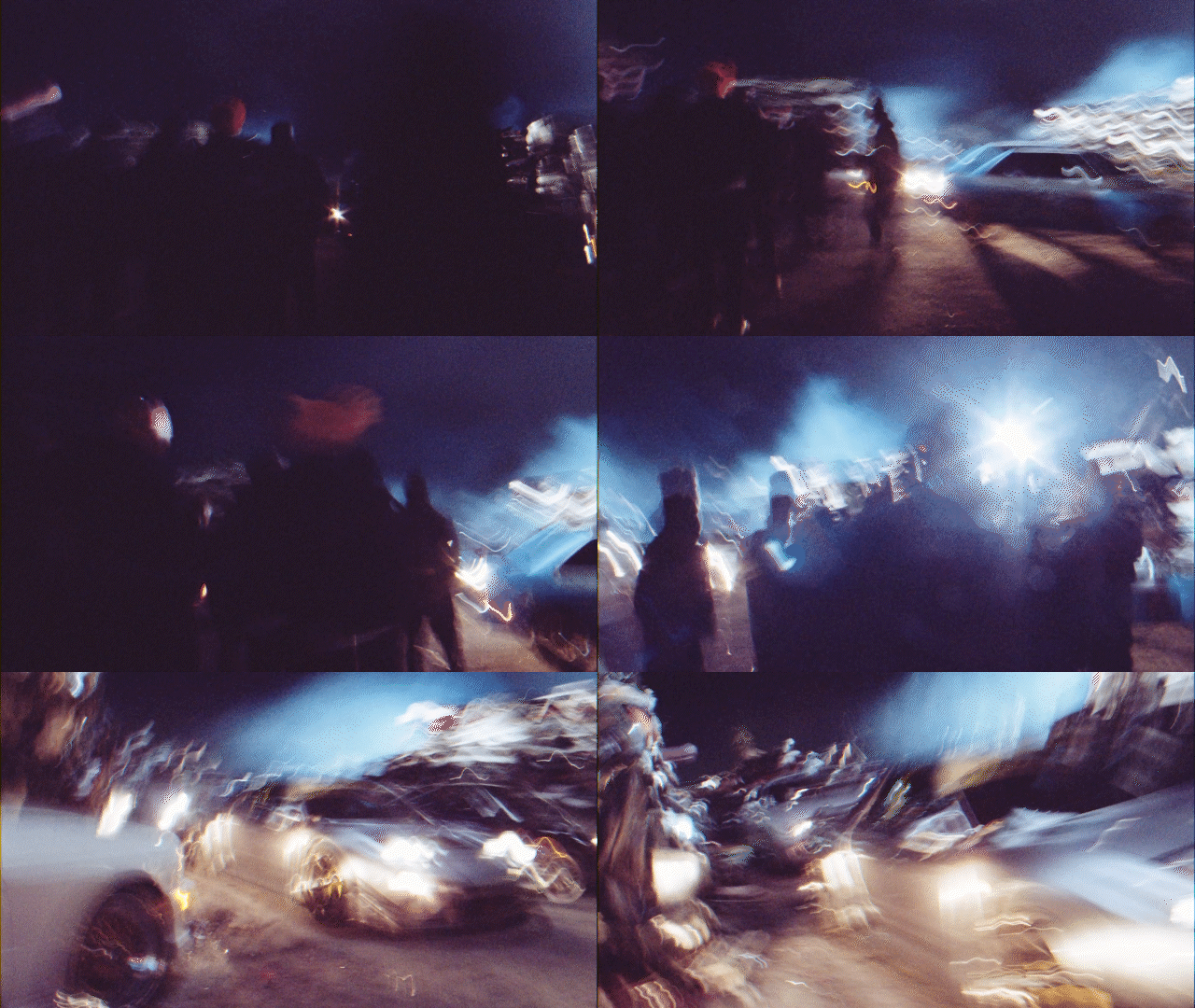
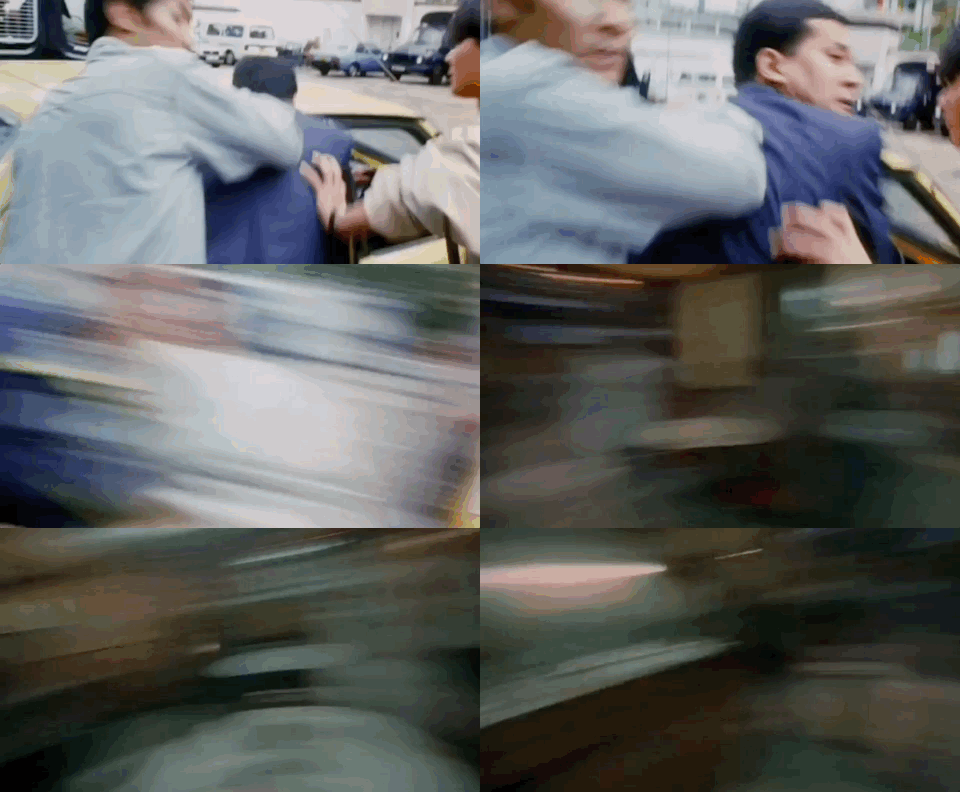
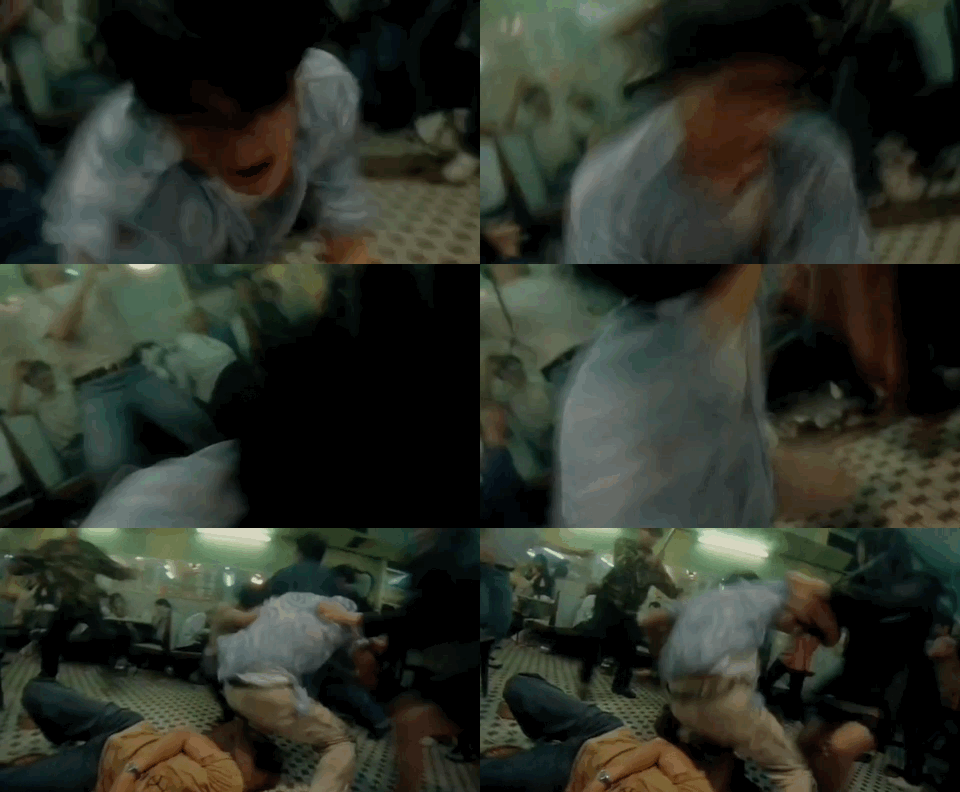
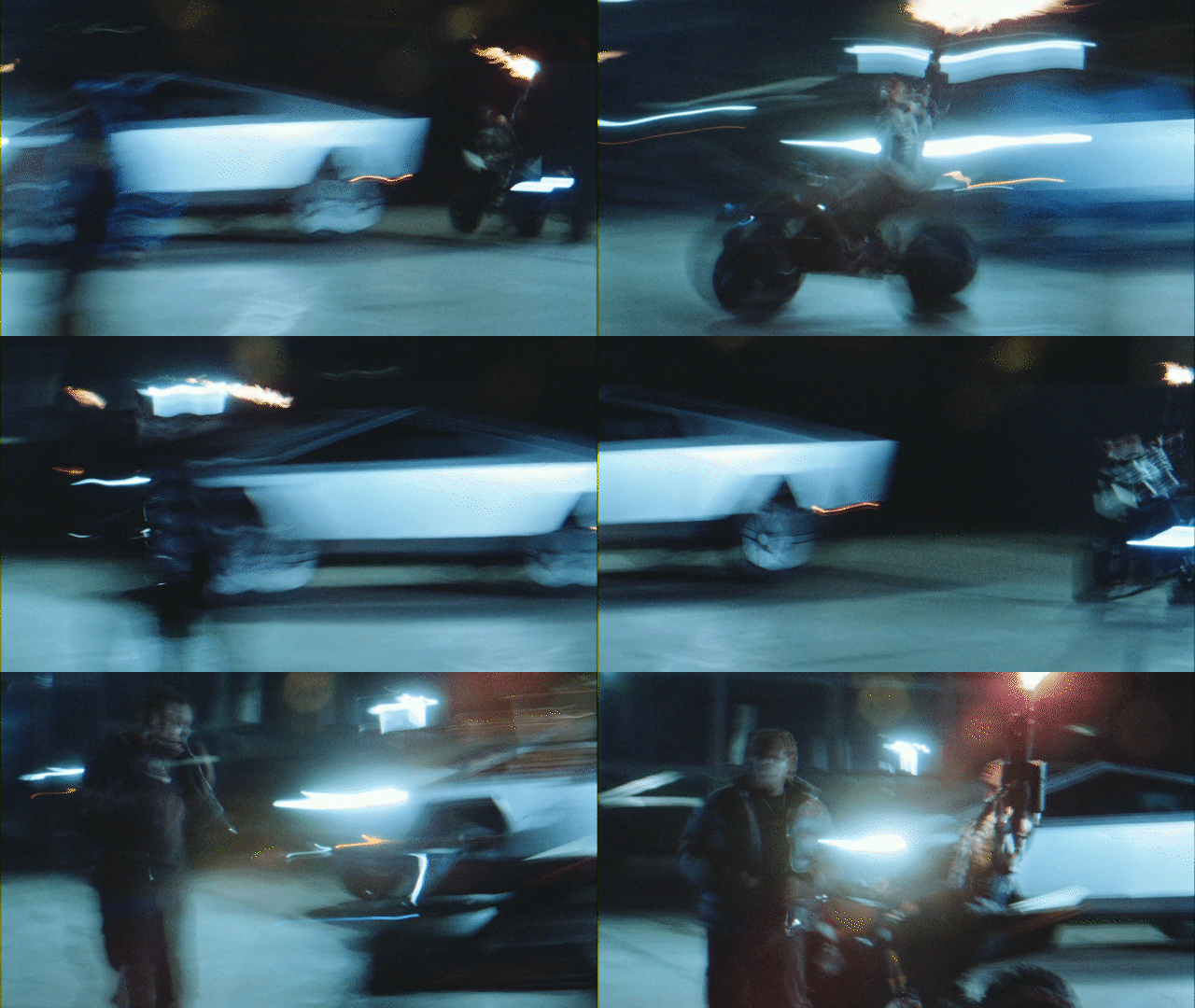
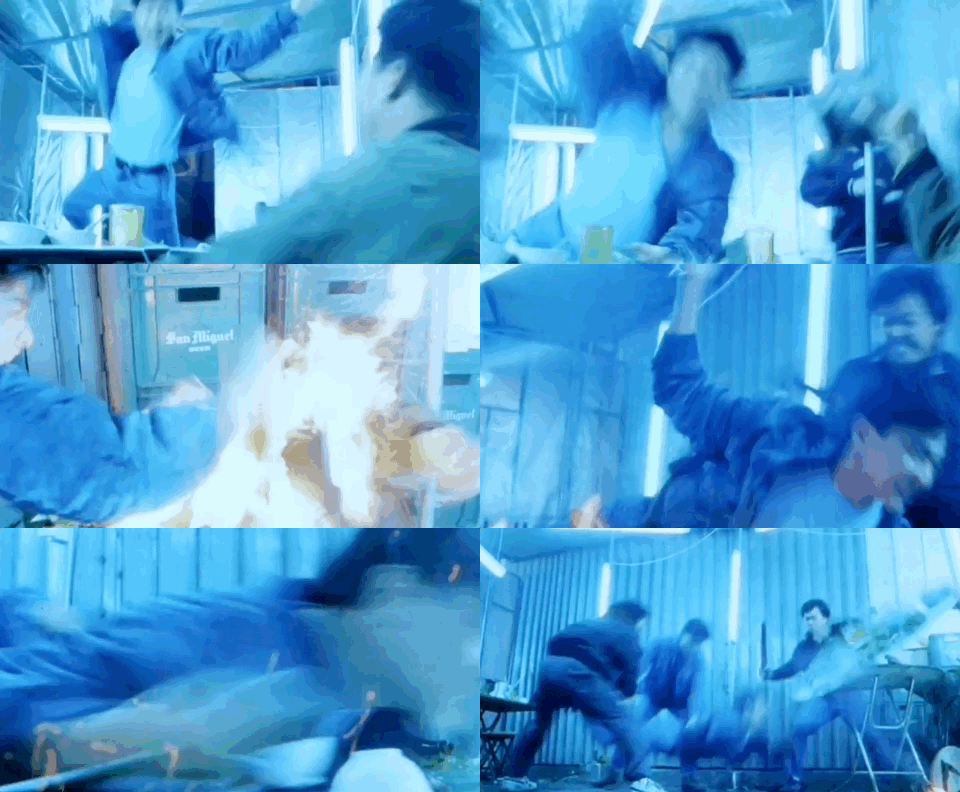
Step printing is a technique used in filmmaking where individual frames of a film are printed multiple times onto a single frame of the final print, resulting in a slower frame rate. This technique is often used to create slow-motion or time-lapse effects in a film.
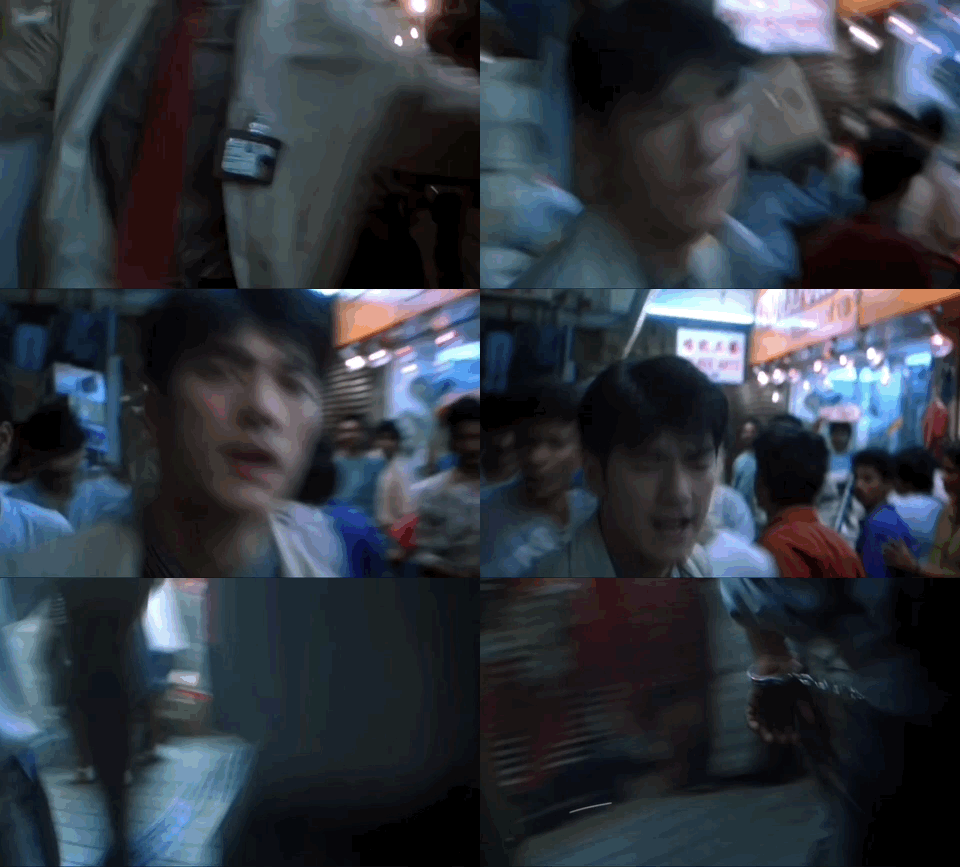
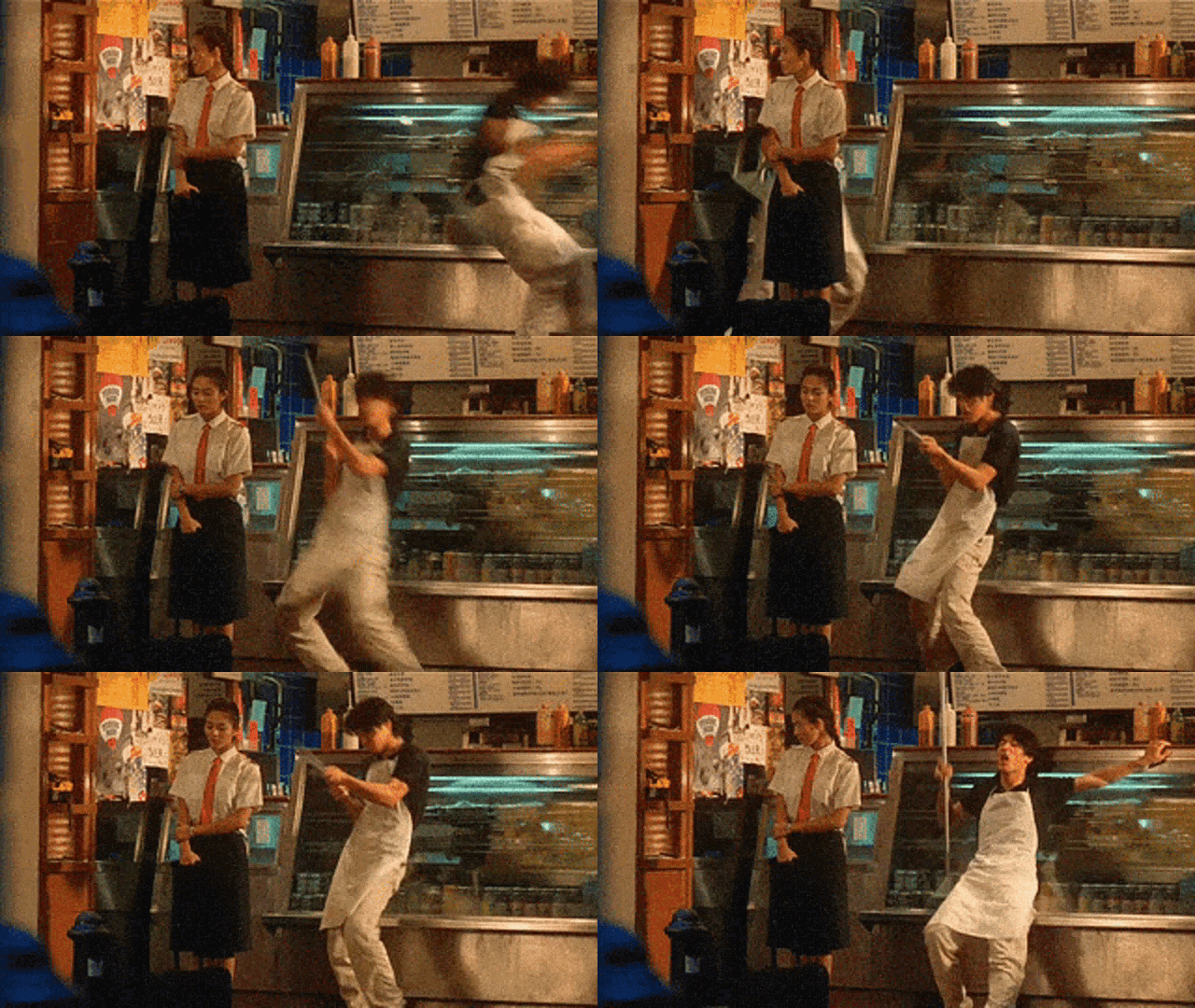
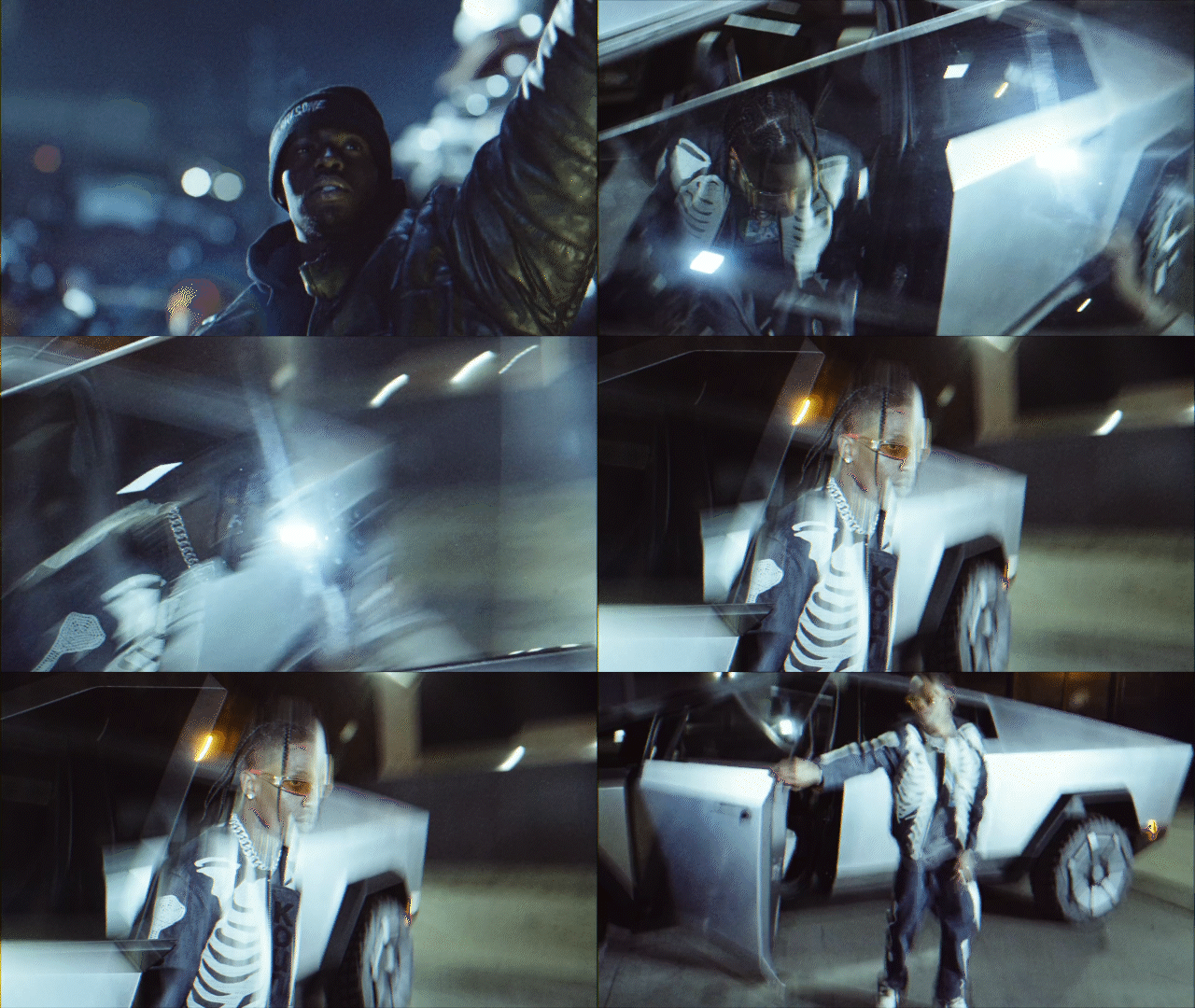
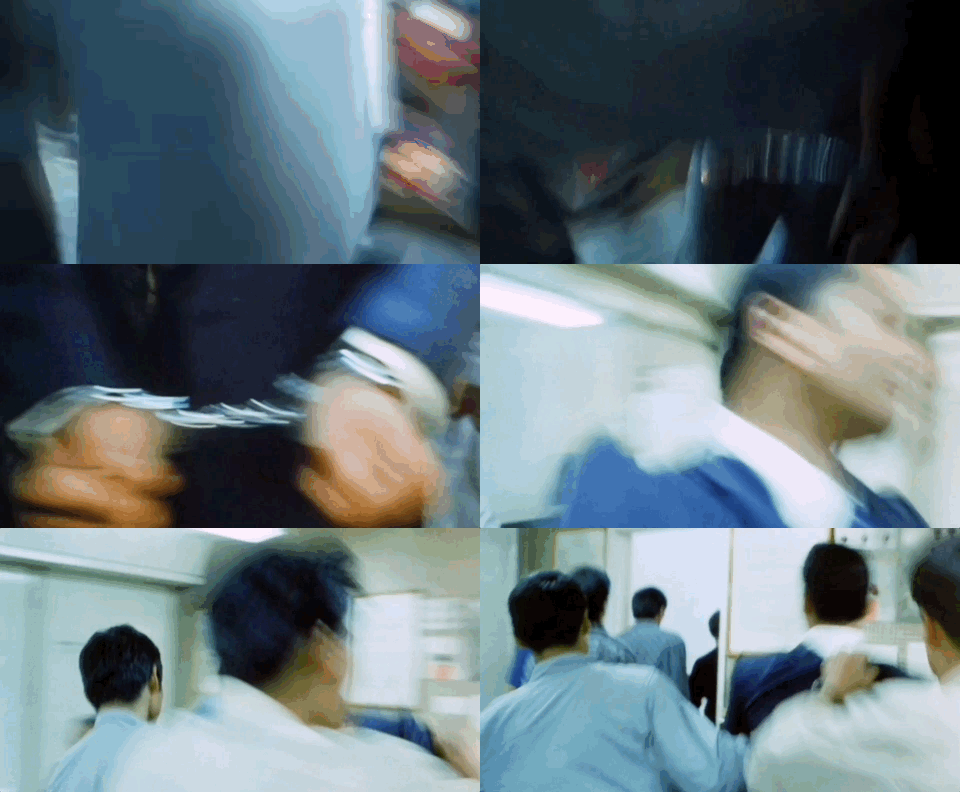
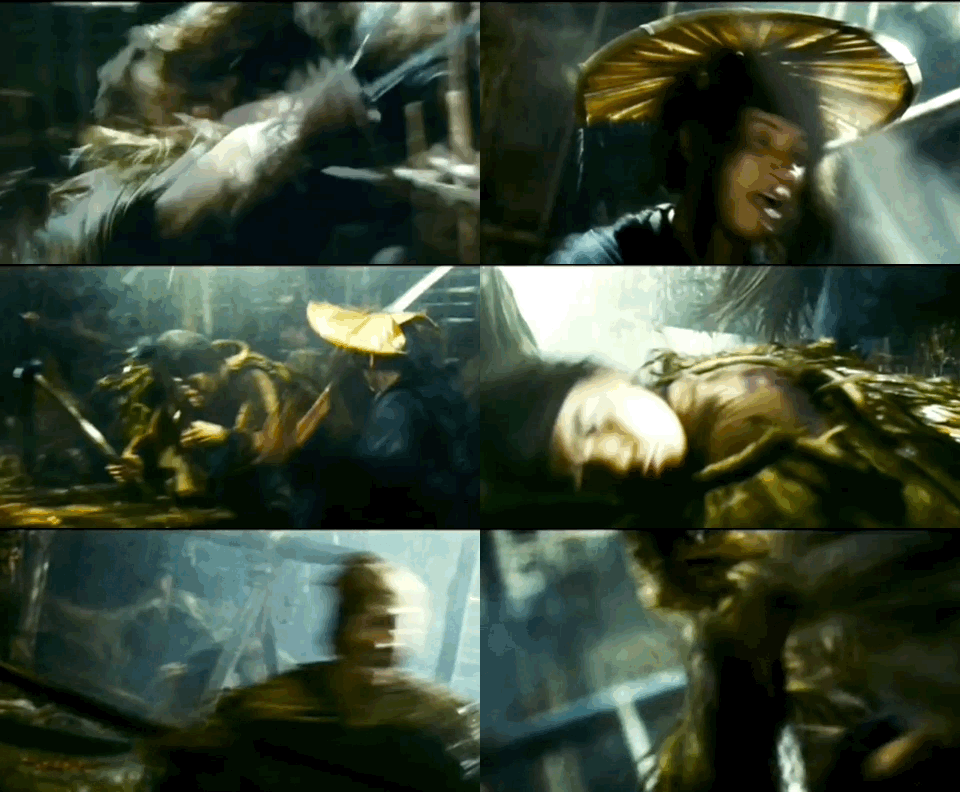
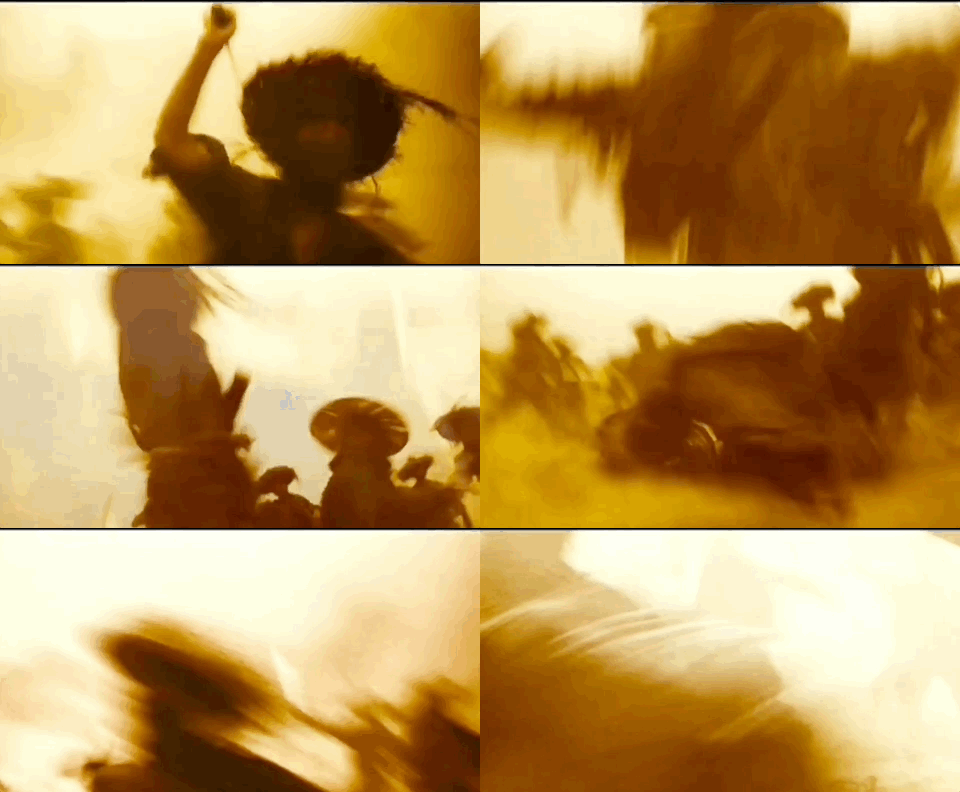
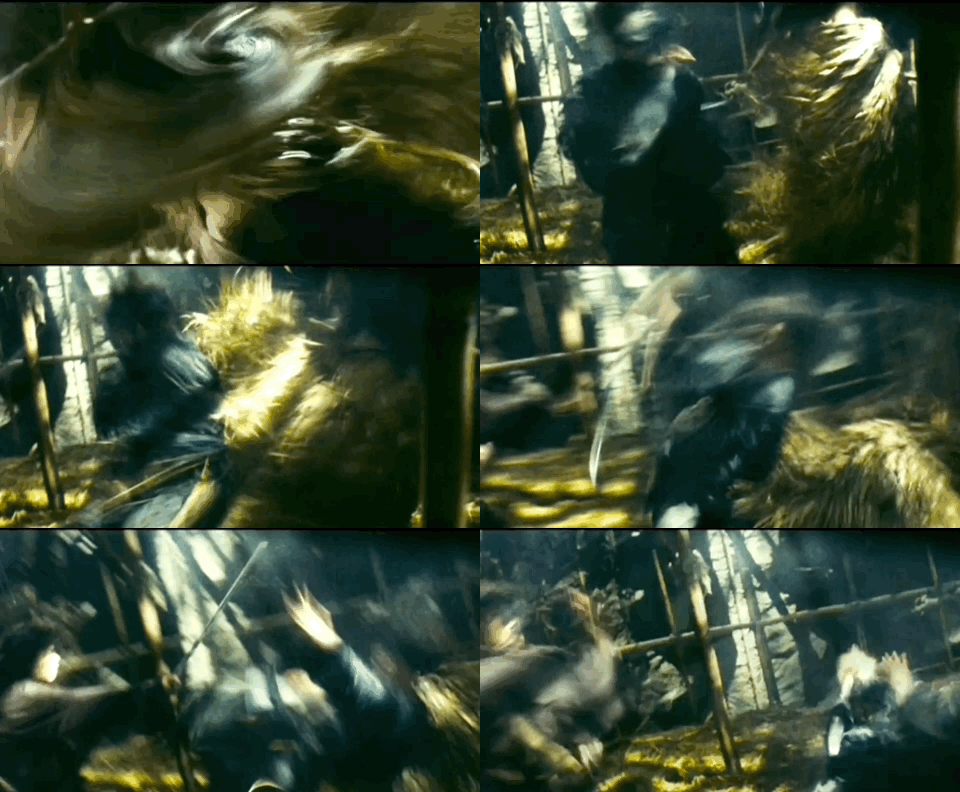
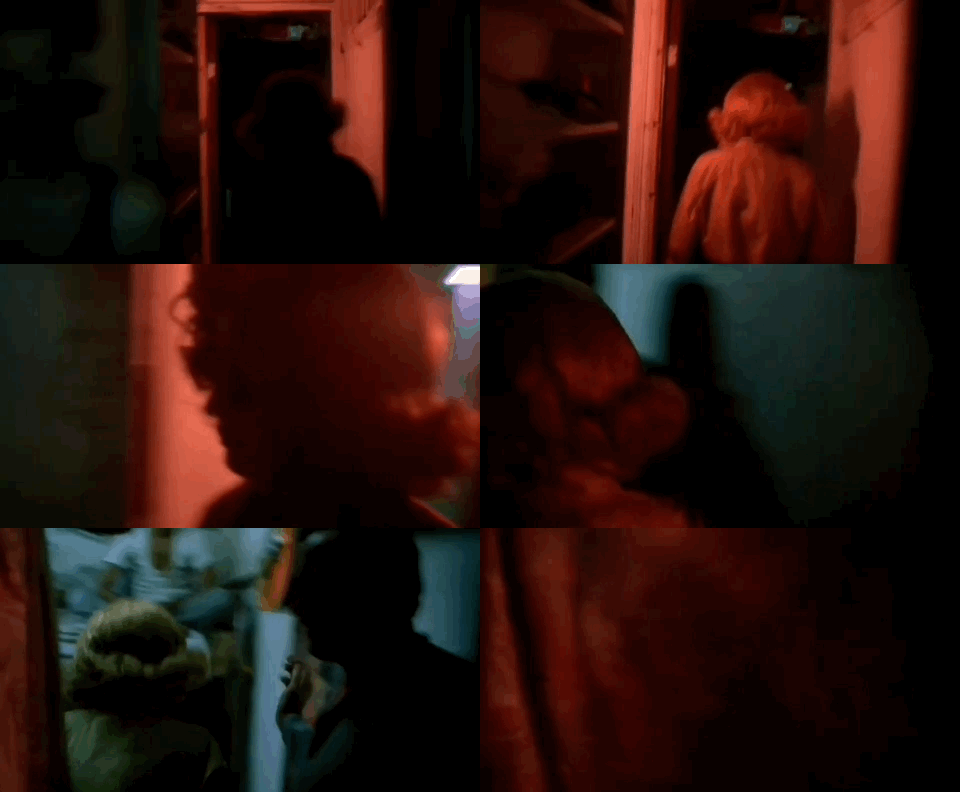
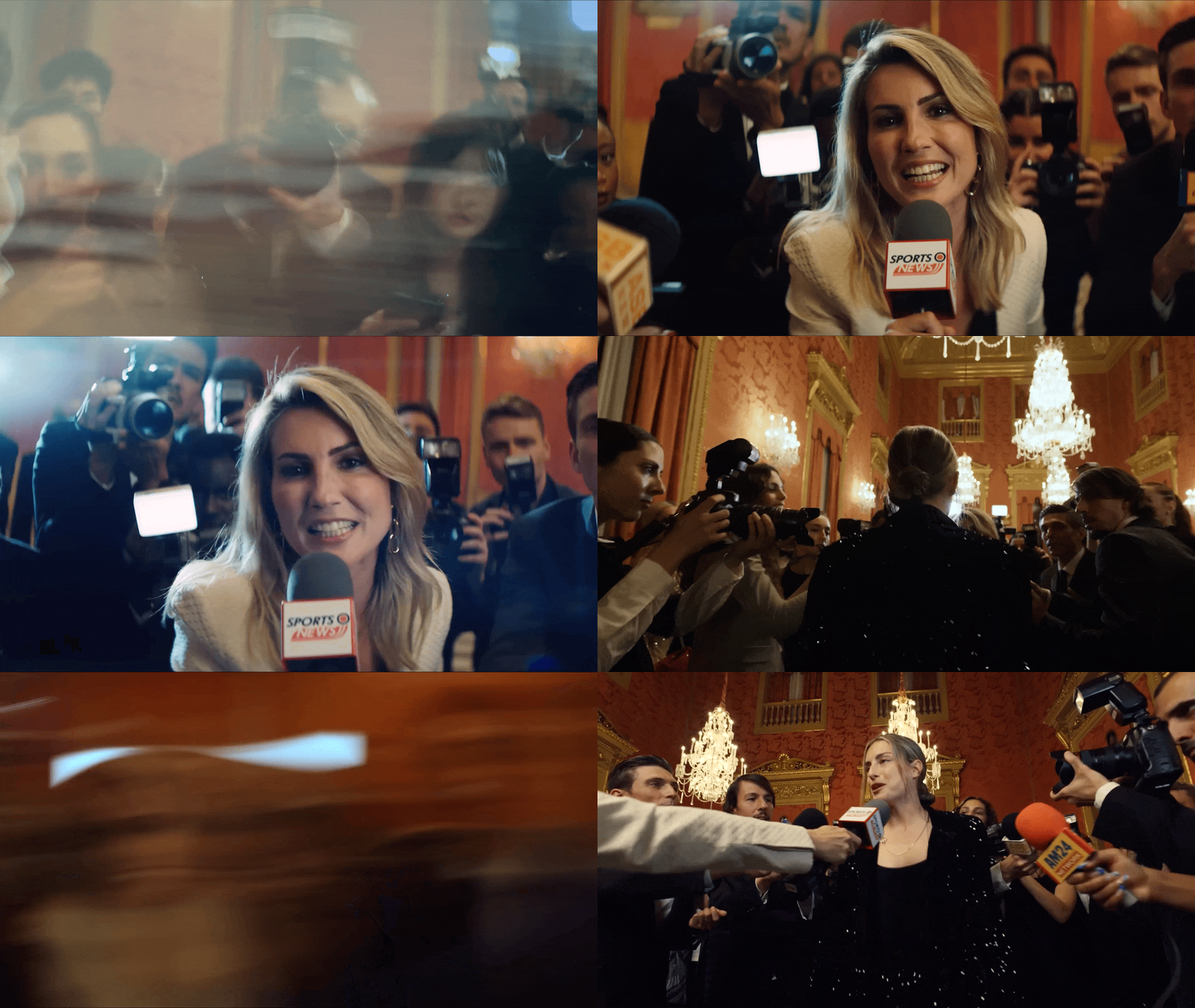
DIVE DEEPER
DIVE DEEPER
Step Printing 101
-
The process of step printing involves running the original film through a projector and stopping it on a specific frame. The projector then exposes the same frame multiple times onto a new frame of film, typically 2, 3, or 4 times, depending on the desired effect. This new frame is then added to the final print of the film, creating the slower frame rate.
For example, if a filmmaker wants to create a slow-motion effect of a character walking, they might use step printing to slow down the frame rate of the final film. They would select a few frames of the character walking and then print each of those frames multiple times onto a single frame of the final print. When played back at normal speed, this would create the illusion of the character moving in slow motion.
Step printing can also be used to create time-lapse effects, where a long period of time is condensed into a short sequence of frames. In this case, the filmmaker might use step printing to capture one frame every few minutes and then print those frames multiple times onto a single frame of the final print, creating a rapid sequence of events.
Overall, step printing is a useful technique in filmmaking for creating slow-motion or time-lapse effects, and has been used in many classic films throughout the history of cinema.
-
The human eye can typically detect changes in motion at a rate of around 24 fps, which is why this is the standard frame rate for most movies and TV shows. However, video games, sports broadcasts, and other fast-moving content often require higher frame rates to avoid motion blur or stuttering.
When a video is recorded or played back at a low frame rate, the lack of fluidity in the motion can be quite noticeable. This can be especially pronounced in scenes with lots of movement, such as action sequences or fast-paced sports events. In addition, low frame rate can also make text and other graphic elements appear jagged or blurry.
Overall, a low frame rate can significantly impact the quality and perceived smoothness of a video, and is generally considered undesirable in most contexts.
-
Step printing has been used in many classic and modern films to create slow-motion and time-lapse effects. Here are some notable examples:
"The Kid" (1921) - Charlie Chaplin used step printing in several scenes of this classic silent film to create slow-motion effects.
"Metropolis" (1927) - Fritz Lang used step printing in several scenes of this influential sci-fi film to create a sense of time-lapse in the cityscape.
"Lawrence of Arabia" (1962) - Director David Lean used step printing extensively in the film's epic battle scenes to create a slow-motion effect that emphasized the intensity of the action.
"2001: A Space Odyssey" (1968) - Director Stanley Kubrick used step printing in several scenes of this groundbreaking sci-fi film, including the famous "stargate" sequence.
"The Matrix" (1999) - The Wachowski siblings used step printing in several scenes of this iconic sci-fi action film to create a slow-motion effect during fight scenes.
Overall, step printing has been used in many different genres of film, from silent comedies to modern action blockbusters, and continues to be a valuable technique for creating unique visual effects.
ARTIST SPOTLIGHT
ARTIST SPOTLIGHT
Wong Kar Wai’s
Step Printing
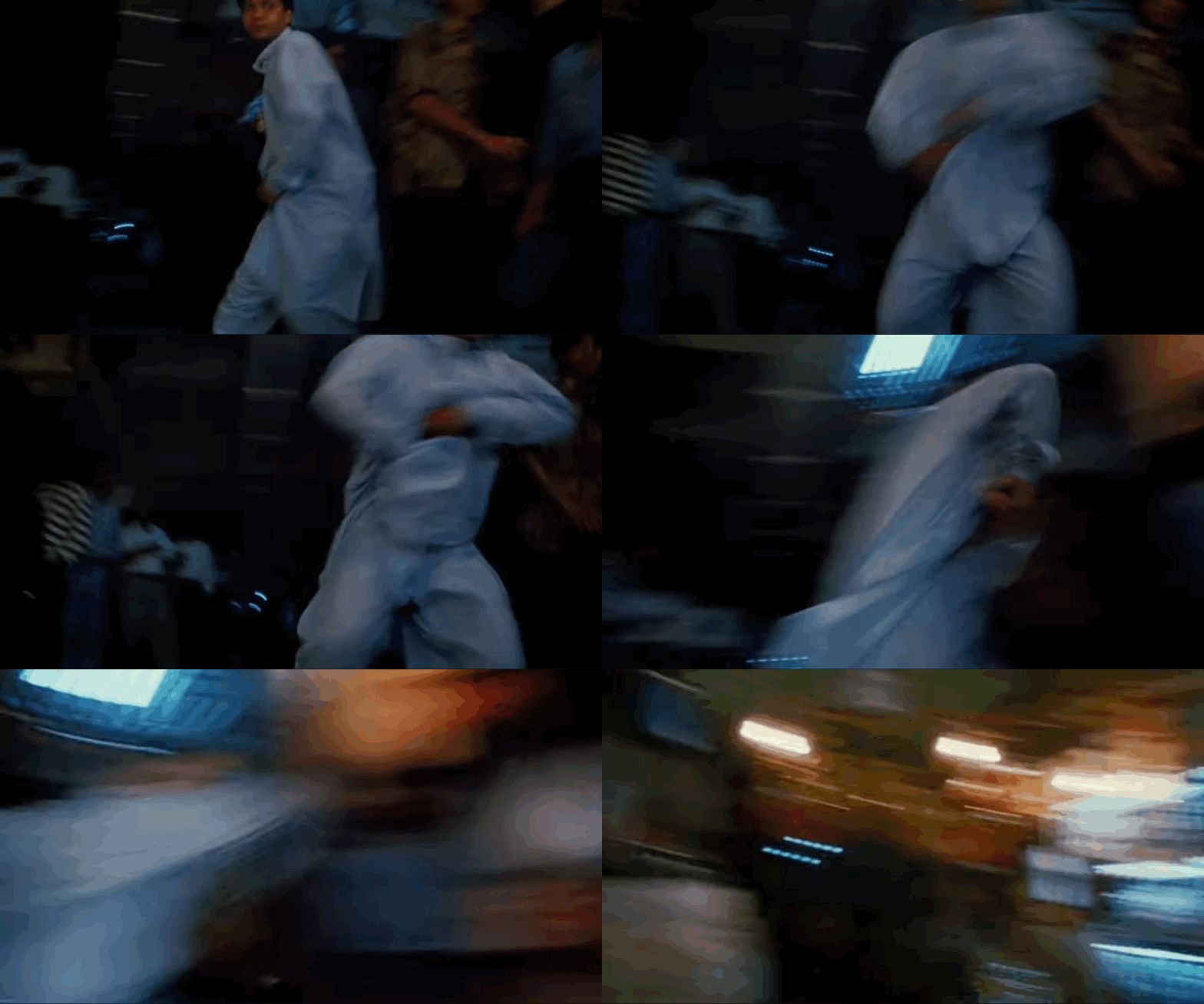
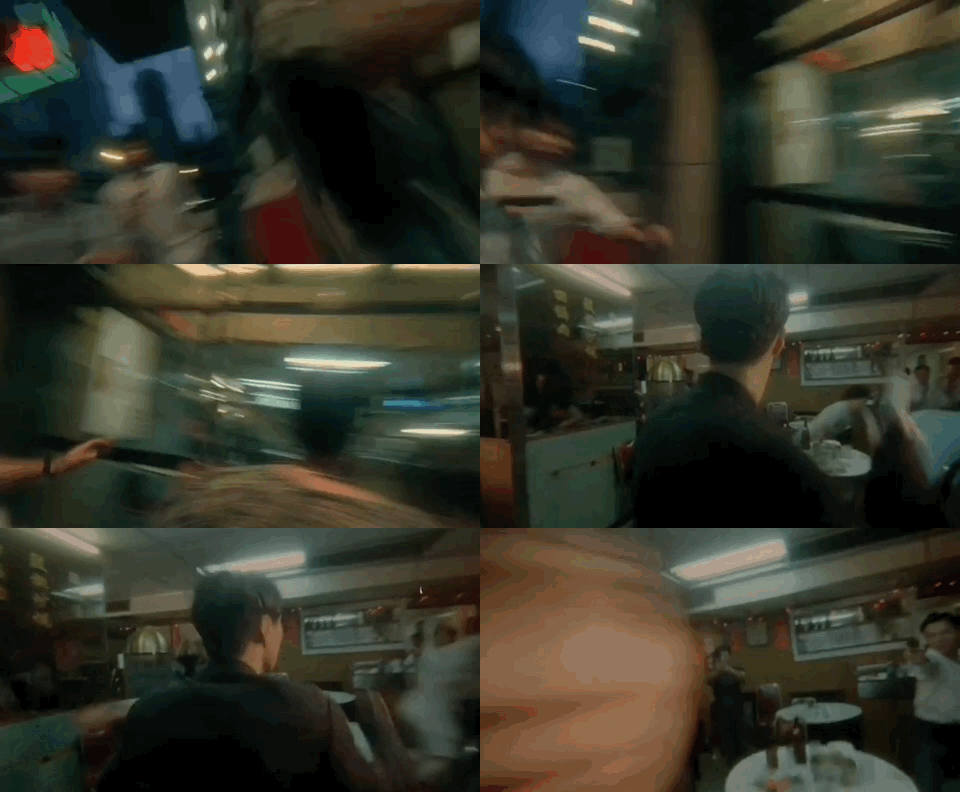
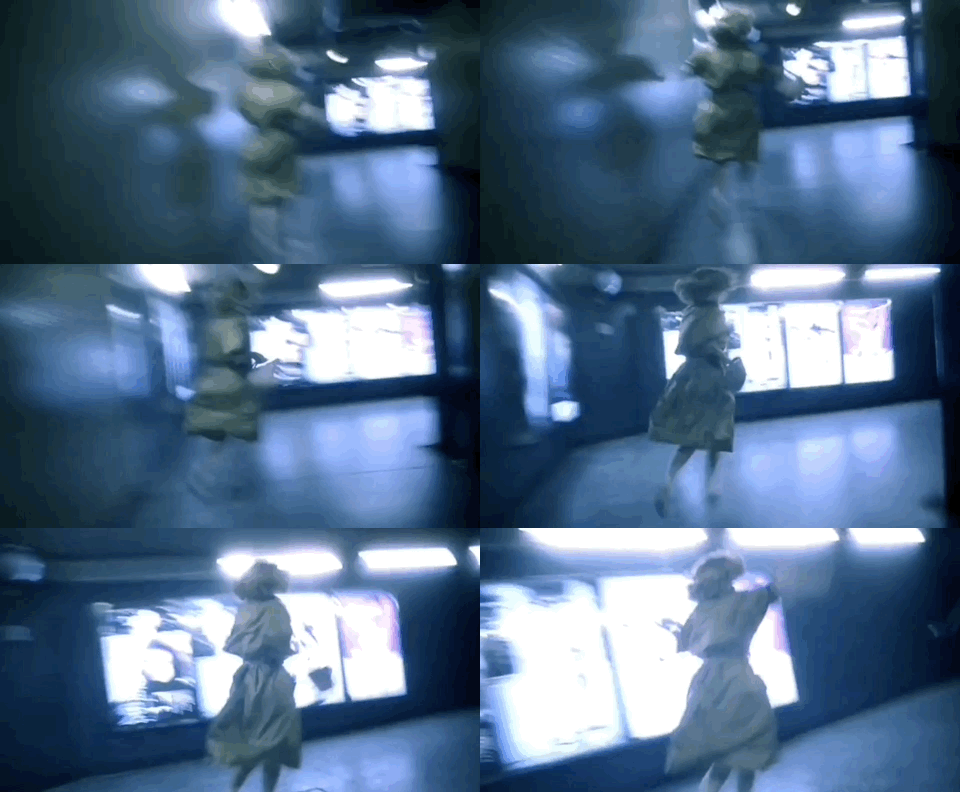
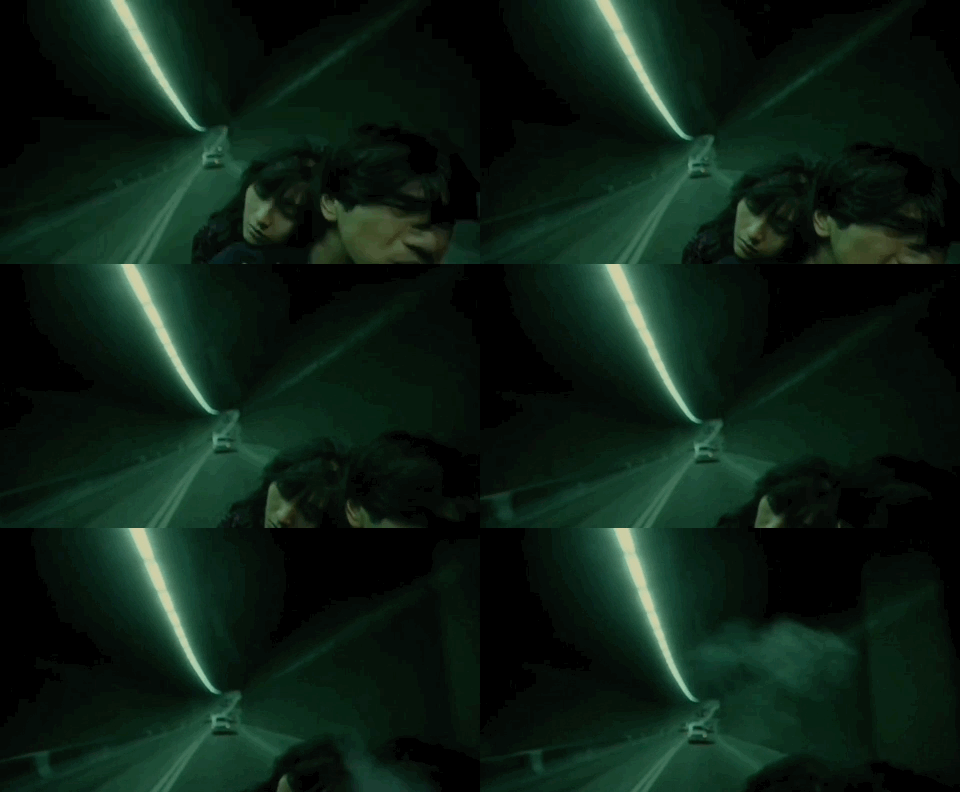
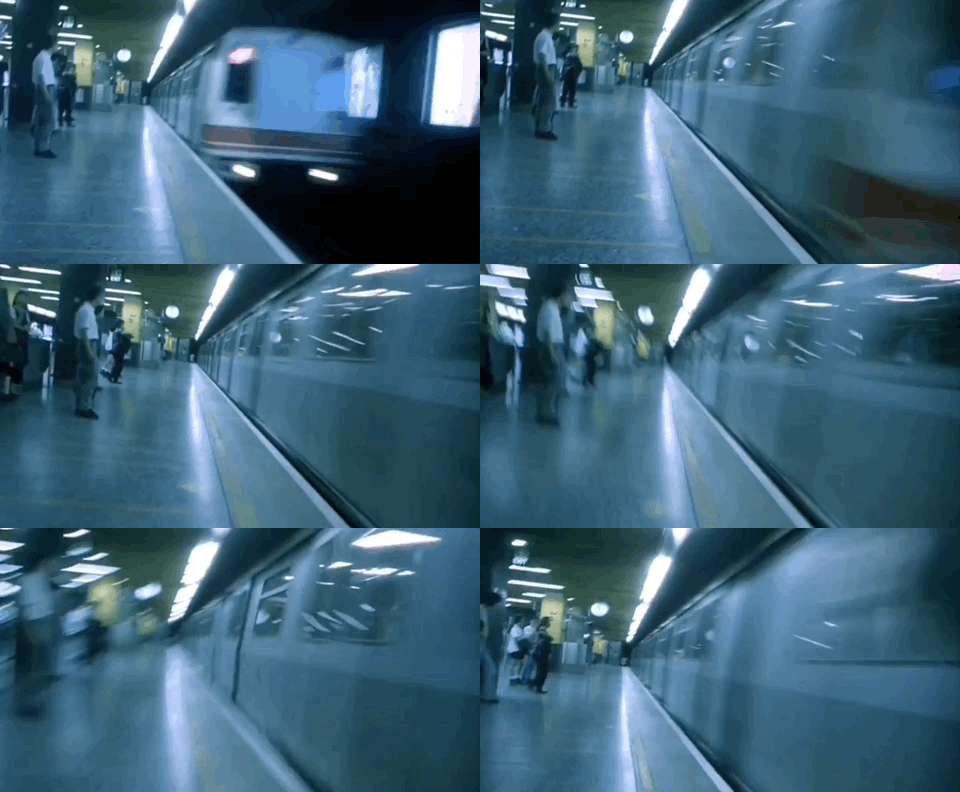
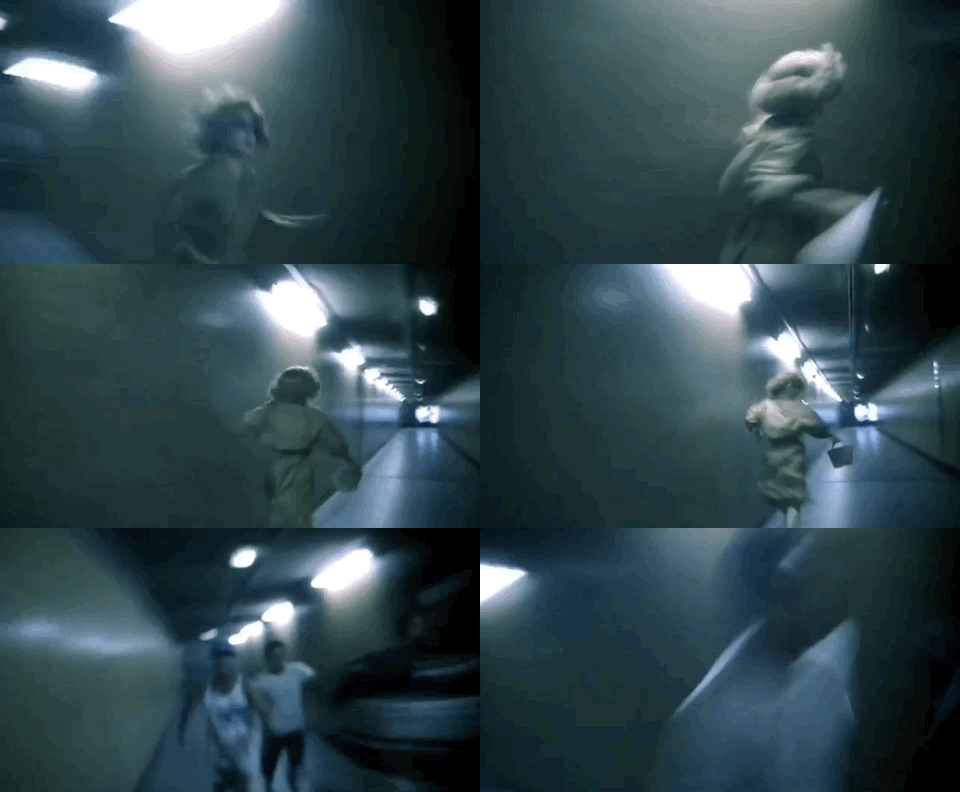
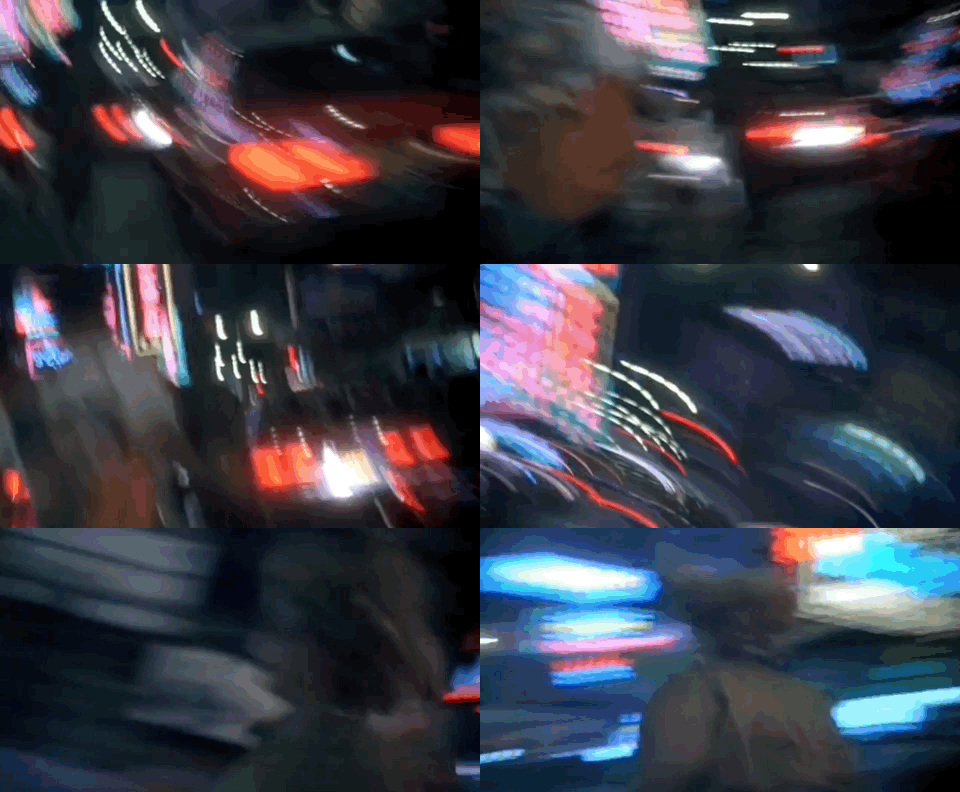
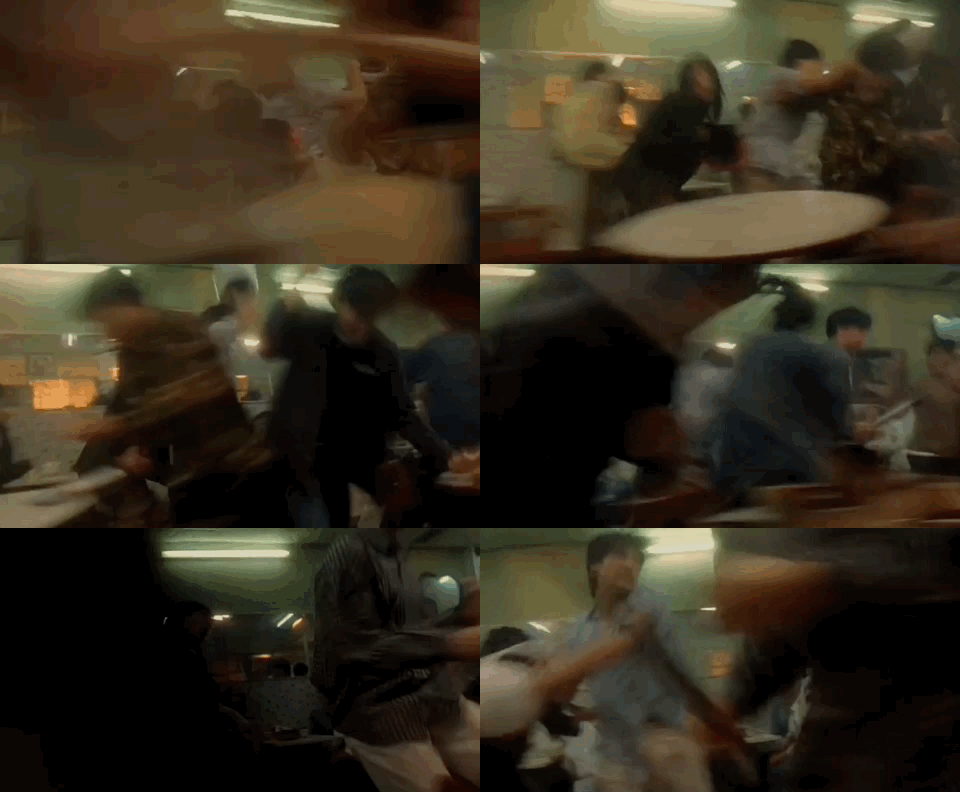
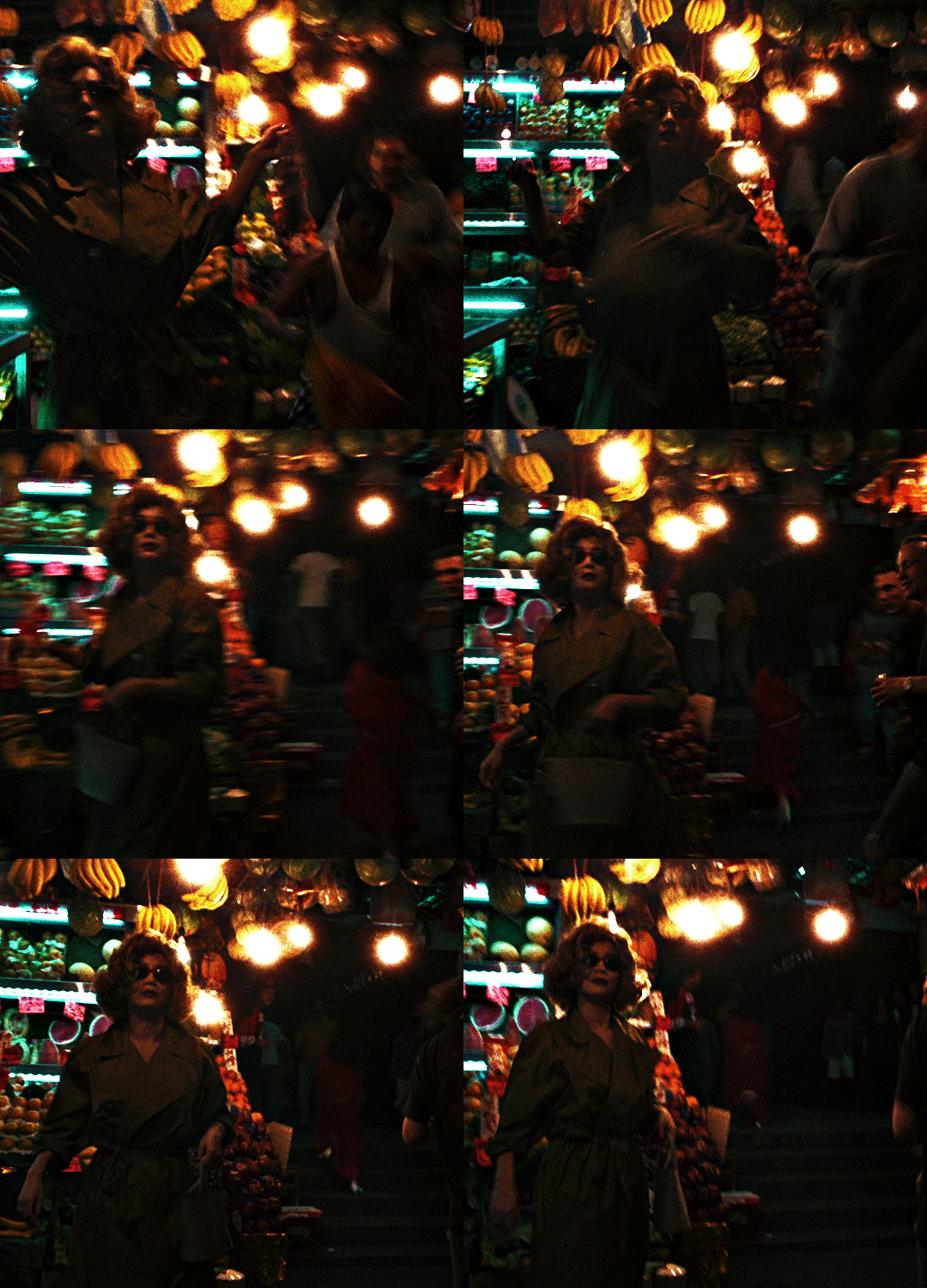
Wong Kar-wai, the renowned Hong Kong filmmaker, is known for his visually stunning and innovative films. He has used Step Printing in several of his films, including "Chungking Express" (1994) and "In the Mood for Love" (2000), to create slow-motion effects and other visual effects.
In "Chungking Express", Wong Kar-wai used step printing to create a dreamy, slow-motion effect during the scenes where the characters are walking through the busy streets of Hong Kong. The step rate used in this film varies, with some scenes slowed down more than others, creating a unique and surreal visual effect.
In "In the Mood for Love", Wong Kar-wai used step printing in several scenes to create a slow-motion effect that emphasized the romantic tension between the two main characters. The step rate used in this film is also varied, with some scenes slowed down more than others to create a sense of intimacy and longing.
