TRACKING SHOT
Often used in moments of dialogue or for character introductions, most famously used by Quinton Tarantino in Kill Bill and Wes Anderson in Grand Budapest Hotel and The French Dispatch.
TRACKING
TOWARDS CAMERA
TRACKING TOWARDS CAMERA
The French Dispatch (2019)
/ Are.na
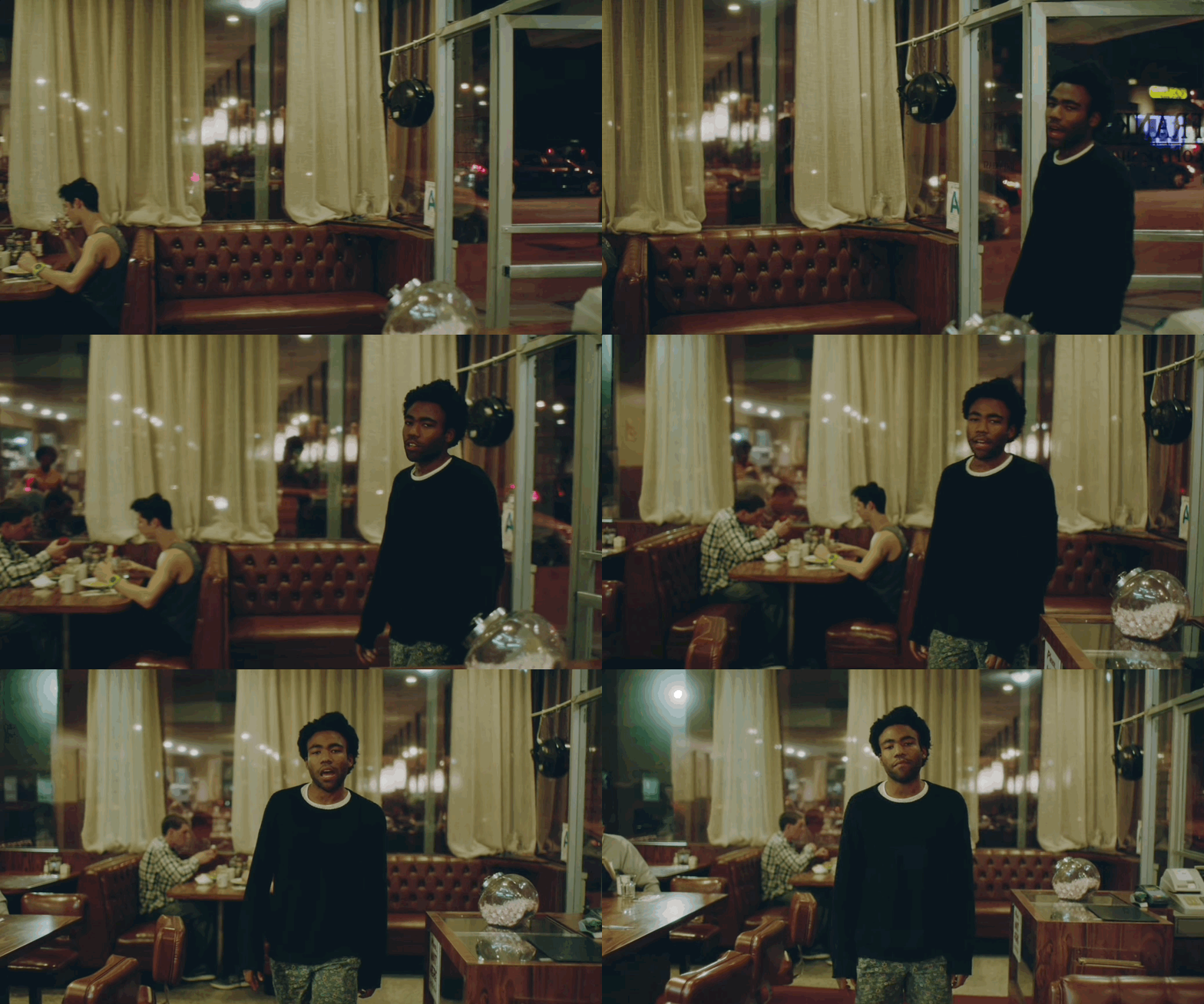
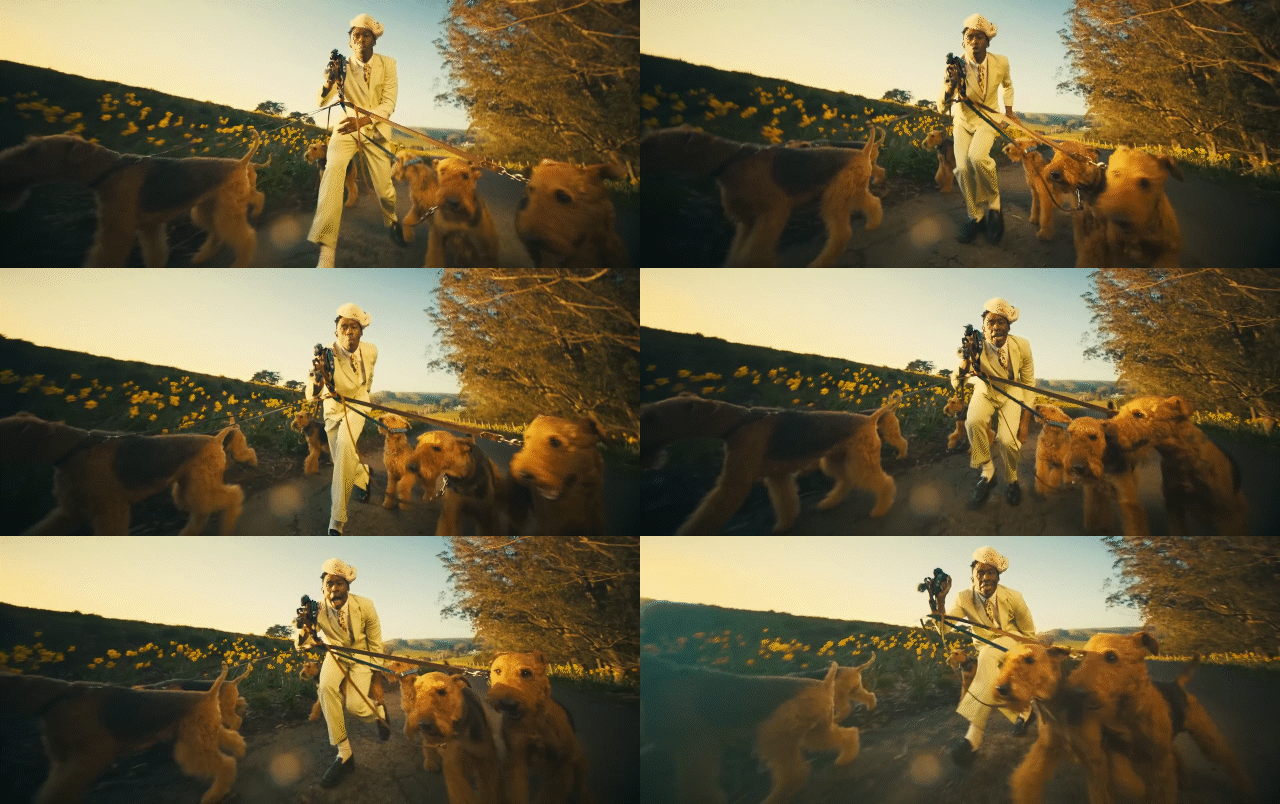
Childish Gambino - Sweatpants
The French Dispatch (2021)
Moonrise Kingdom (2012) Wes Anderson
The Grand Budapest Hotel (2014)
The Grand Budapest Hotel (2014)
Tyler The Creator - Dogtooth (2023)
Moonrise Kingdom (2012) Wes Anderson
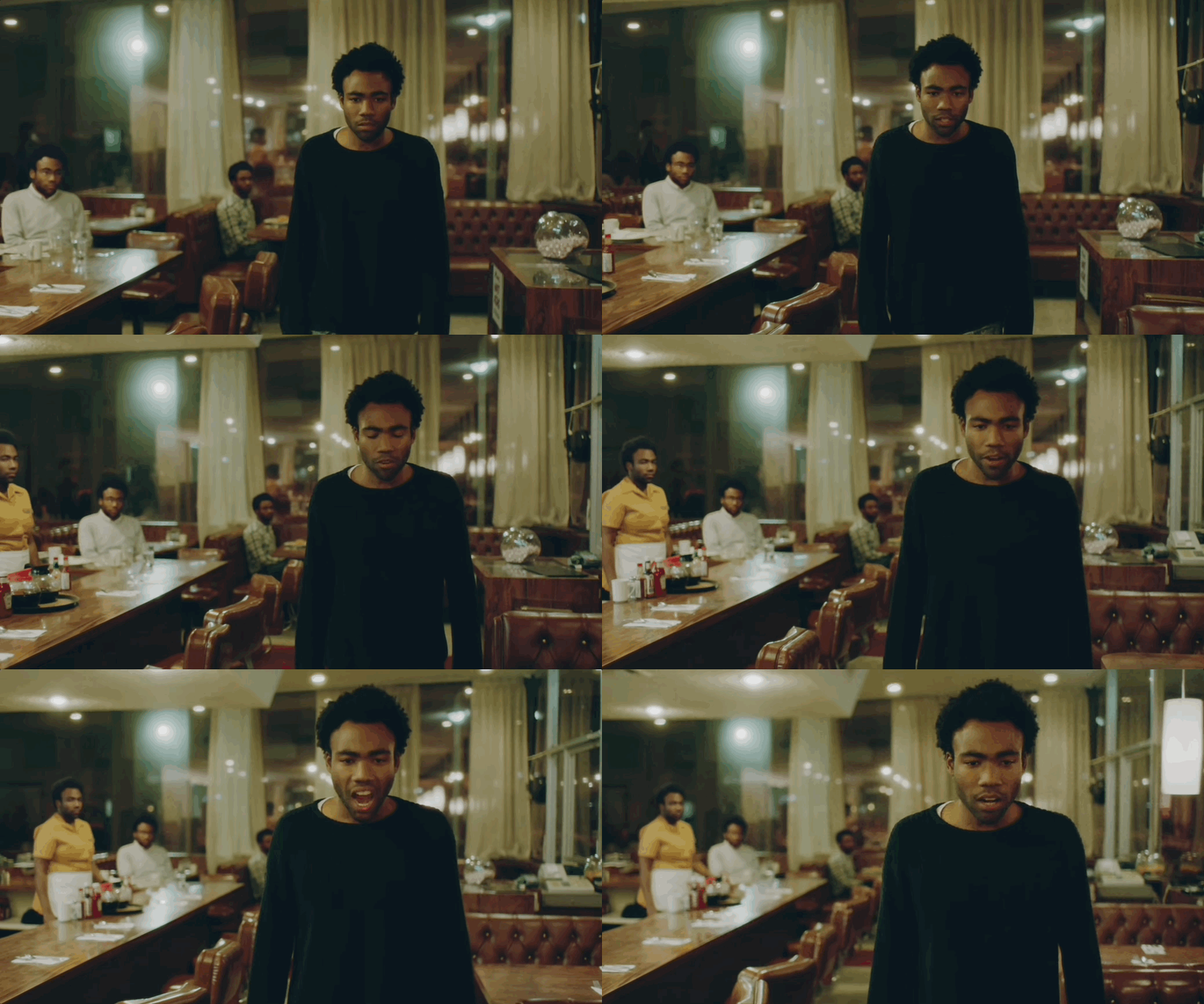
Childish Gambino - Sweatpants
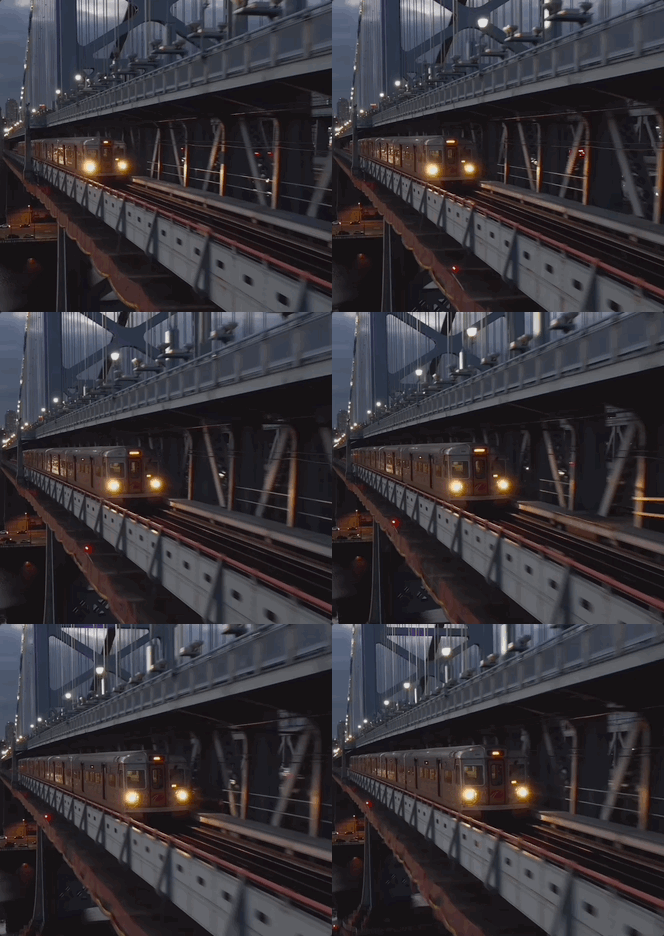
@nathanielbayona / IG
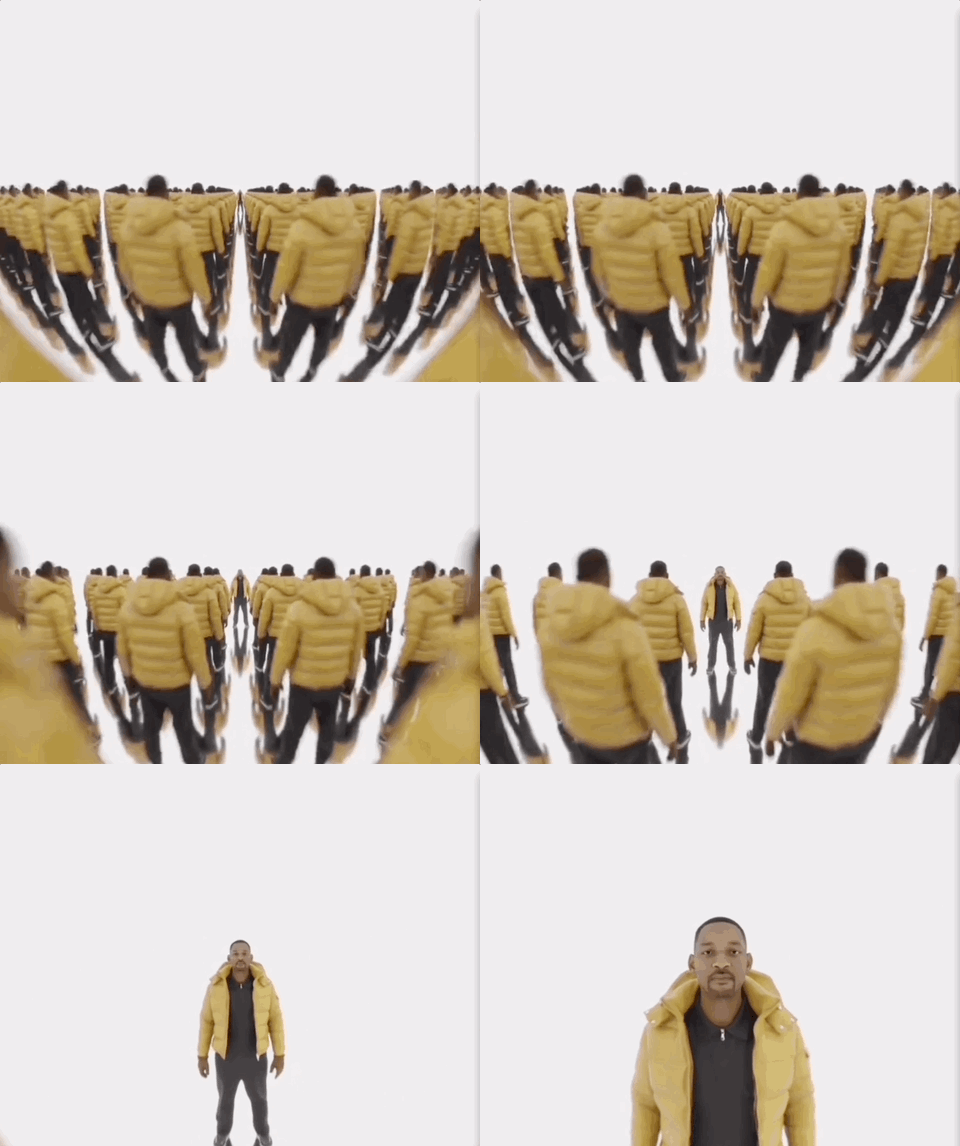
Moncler x Will Smith - Genius is Born Crazy
/ Are.Na
Moonrise Kingdom (2012) Wes Anderson
Moonrise Kingdom (2012) Wes Anderson
ROSALÍA - SAOKO (2022) Valentin Petit
Burberry - Open Spaces (2022) Riccardo Tisci
Into the Ring (2020)
Into the Ring (2020)
Long Live Liborius (2021) Bruton Stroube
THE LOST WORLD: JURASSIC PARK (1997) dir. Steven Spielberg
Here Are The Young Men (2020) dir. Eoin Macken
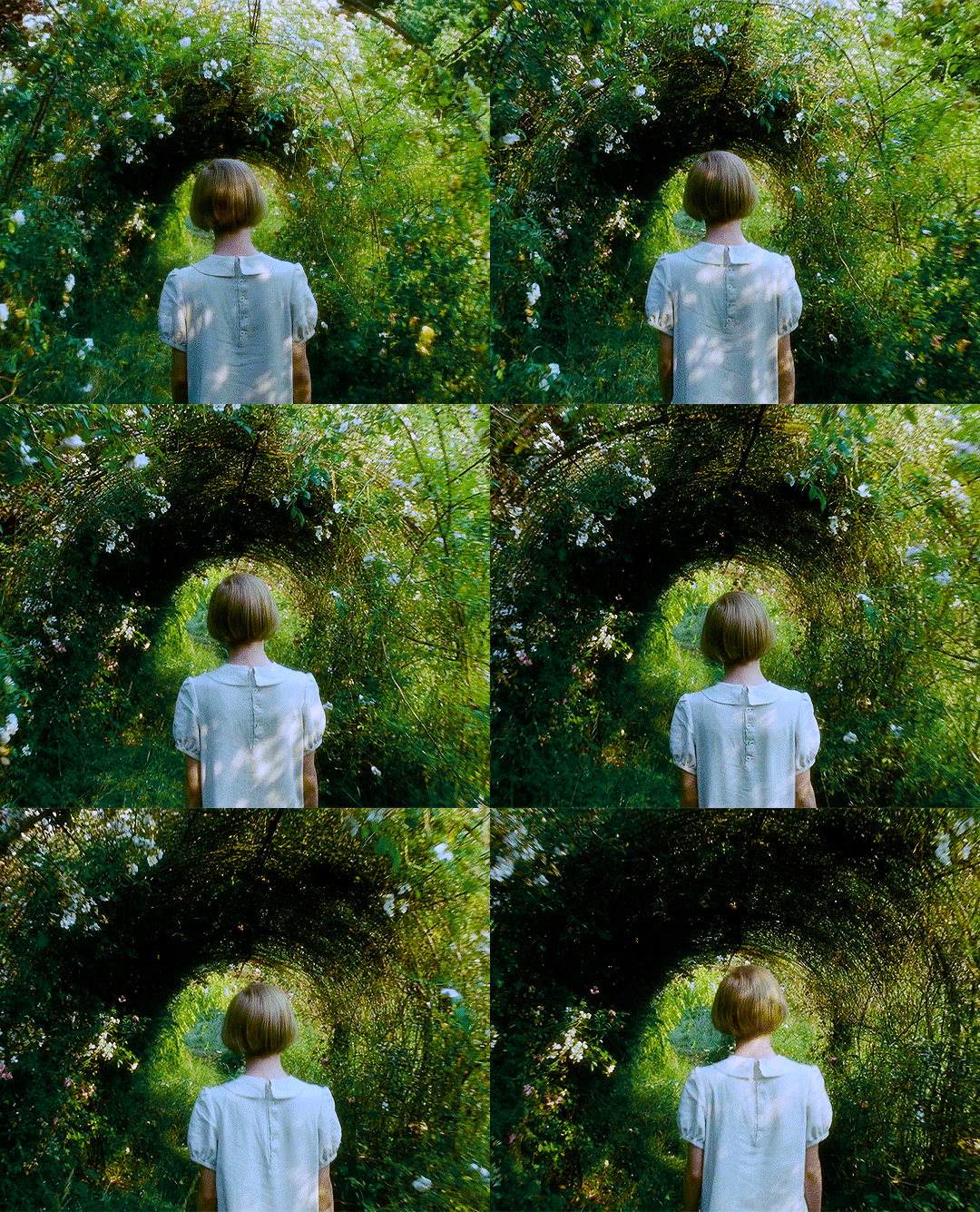
The Quiet Girl (2022) dir. Colm Bairéad
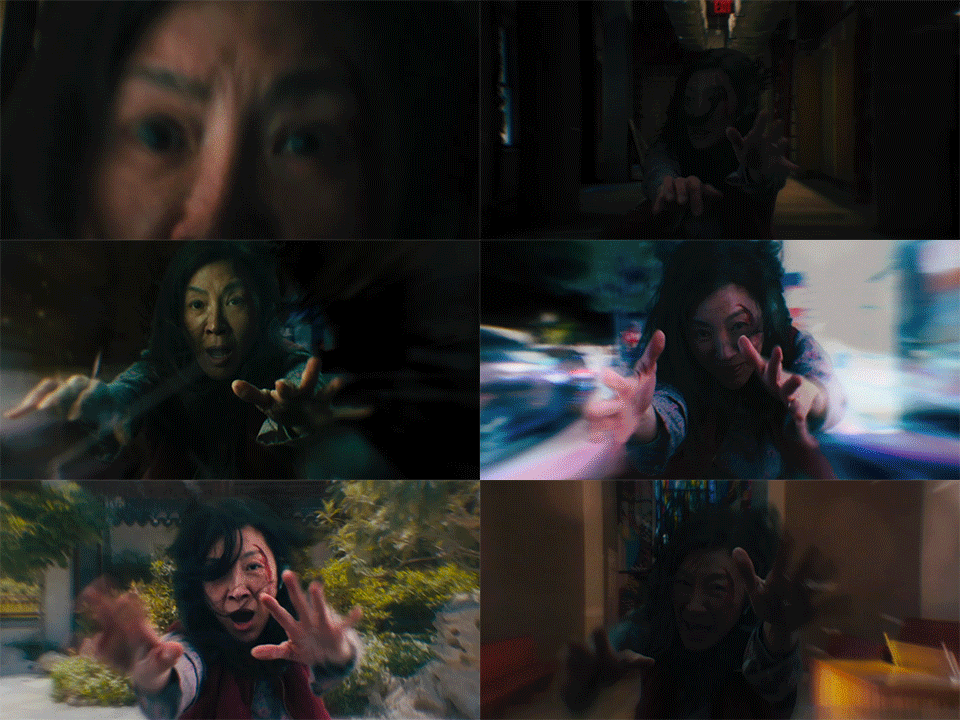
Birds of Prey (2020) dir. Cathy Yan
Satellite Store (2023), dir. Benji Beacham






TRACKING
FROM CAMERA
TRACKING FROM CAMERA
Zalando DC (2022) dir. Ivan Stoji
Atonement (2007) dir. Joe Wright
2001: A Space Odyssey (1968), Stanley Kubrick
A$AP Rocky - D.M.B. (2022) AWGE
RUN SWEETHEART RUN (2020) dir. Shana Feste
England Women's National Team (2022) India Harris
2001: A Space Odyssey (1968), Stanley Kubrick
@karl_shakur / IG

The Shining (1980) - Stanley Kubrick

u/orbojunglist / Reddit
The French Dispatch (2021)
CHARLIE’S ANGELS (2000) dir. McG
Rimowa - Ingenieurskunst (2022) Man Lim-chung

Absolute - The Walk (2018)

Earth Skateboards - @earthskateboards
SALOMON - Tomorrow is yours (2023) Valentin Petit
Moonrise Kingdom (2012) Wes Anderson
N/A - Know the source?

Petr Andreev
Moonrise Kingdom (2012) Wes Anderson
Moonrise Kingdom (2012) Wes Anderson
Adidas | Feel the Boost
Facebook - Longboard Family
CHARLIE’S ANGELS (2000) dir. McG
Know the source?





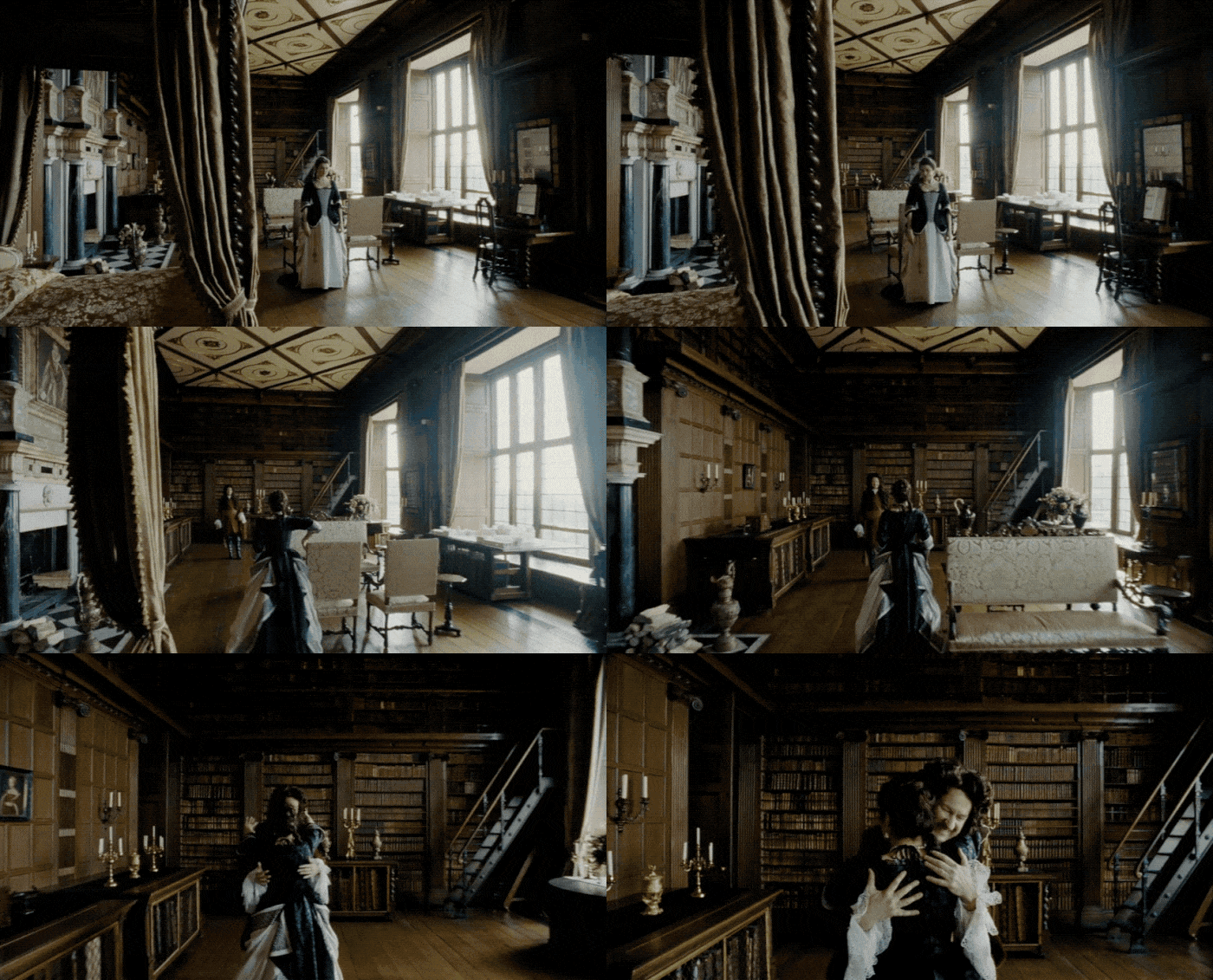


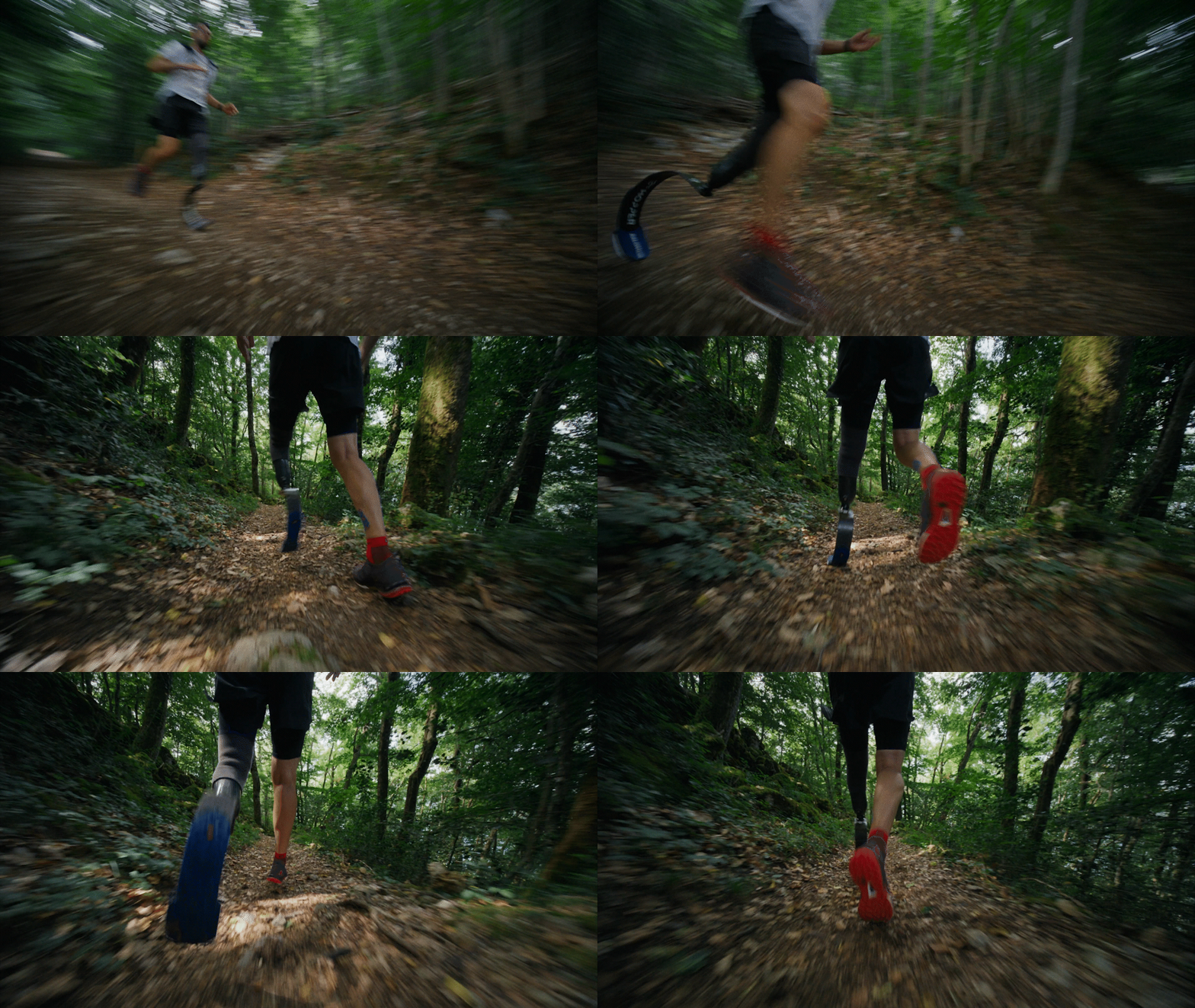


STATIONARY TRACKING
STATIONARY TRACKING
The French Dispatch (2021), Wes Anderson
The French Dispatch (2021)
Sophia Scott - More Me (2023)
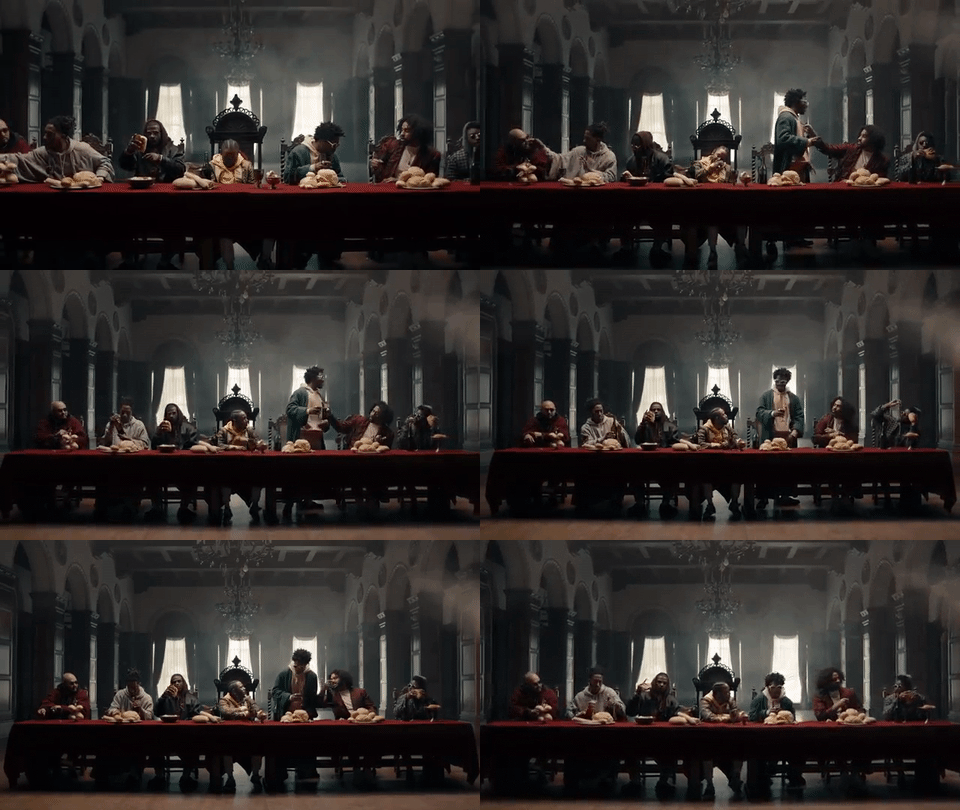
Kendrick Lamar (2018) - Dave Meyers
Moonrise Kingdom (2012) Wes Anderson
Moonrise Kingdom (2012) Wes Anderson
@academyfilms / IG
ROSALÍA - SAOKO (2022) Valentin Petit
/ Are.na
The French Dispatch (2021)
Duda Beat - Nem um pouquinho (2021)
Do The Right Thing (1989)
Do The Right Thing (1989)
N/A - know the source?
/ Are.Na
MOULIN ROUGE! dir. Baz Luhrmann | 2001
A$AP Rocky - L$D


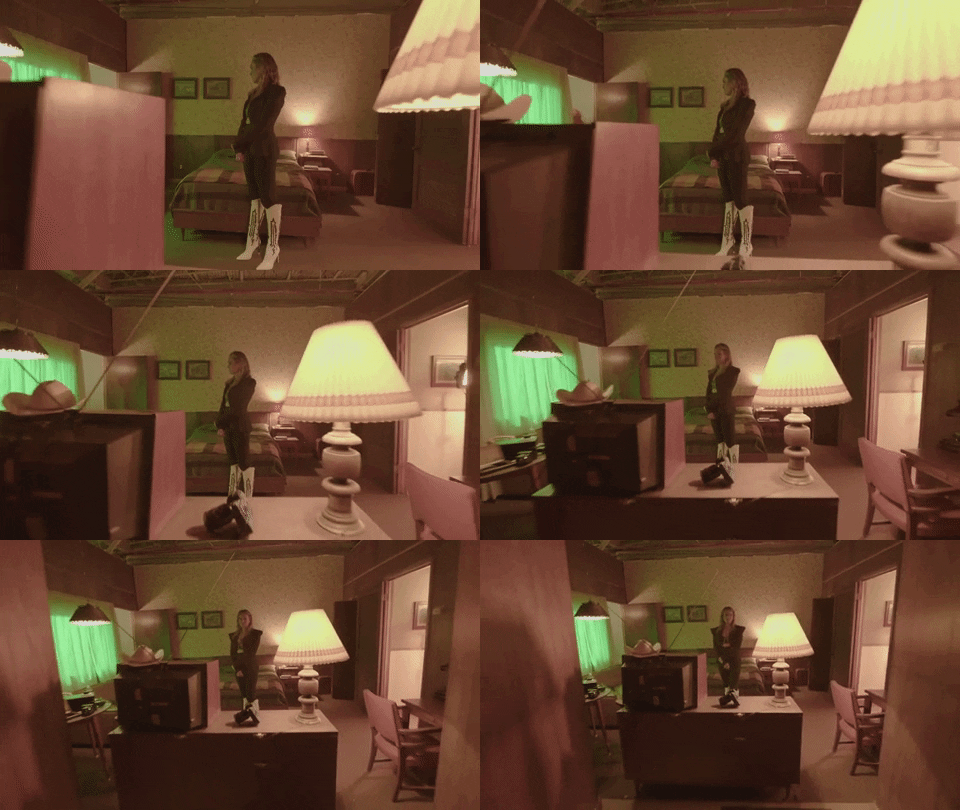


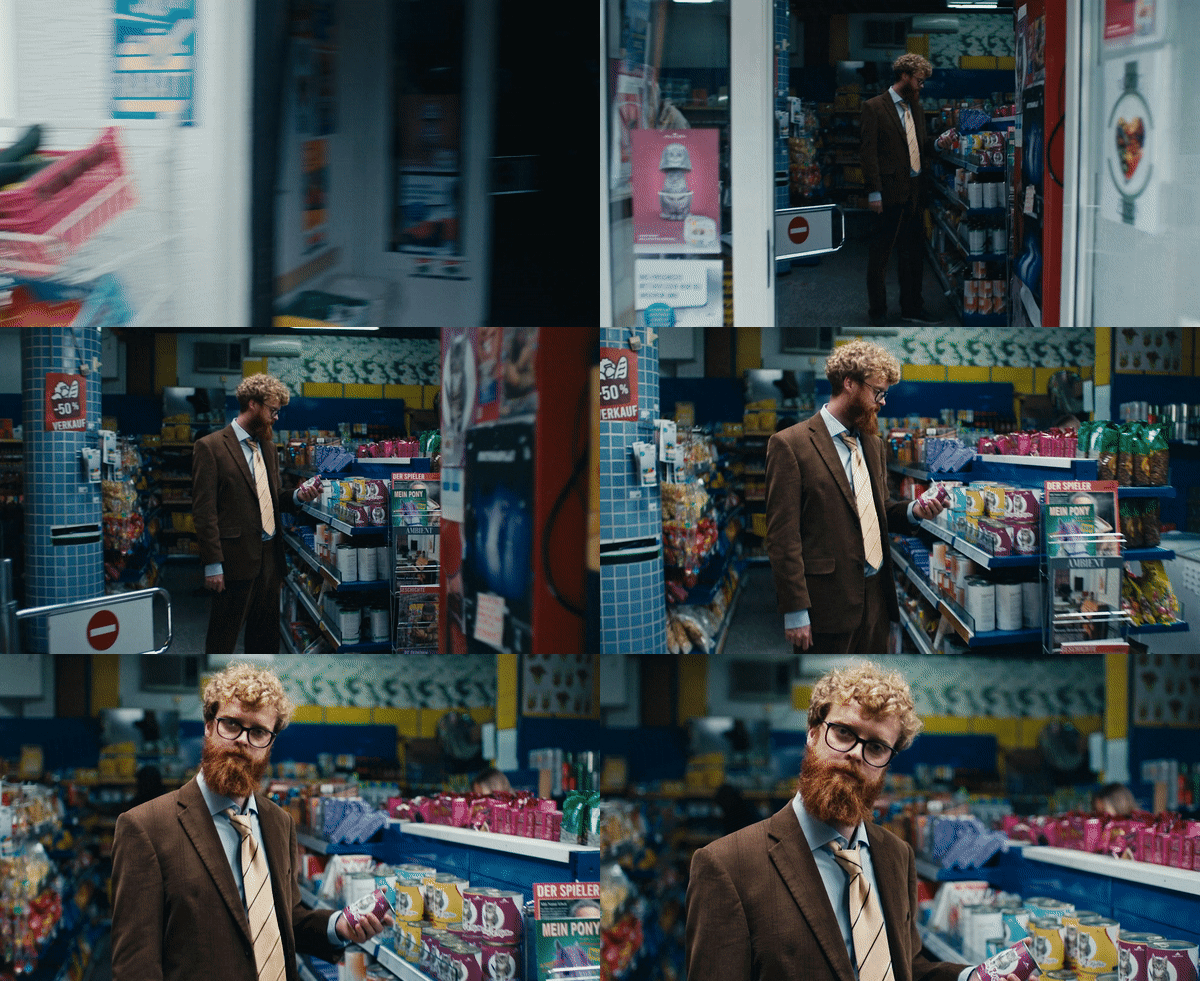
ENVIRONMENT TRACKING
A tracking shot that isn’t following a specific person or object, but rather tracking through an environment or set.
Rimowa - Ingenieurskunst (2022) Man Lim-chung
Joris Noordenbos - @jorisnoordenbos / IG
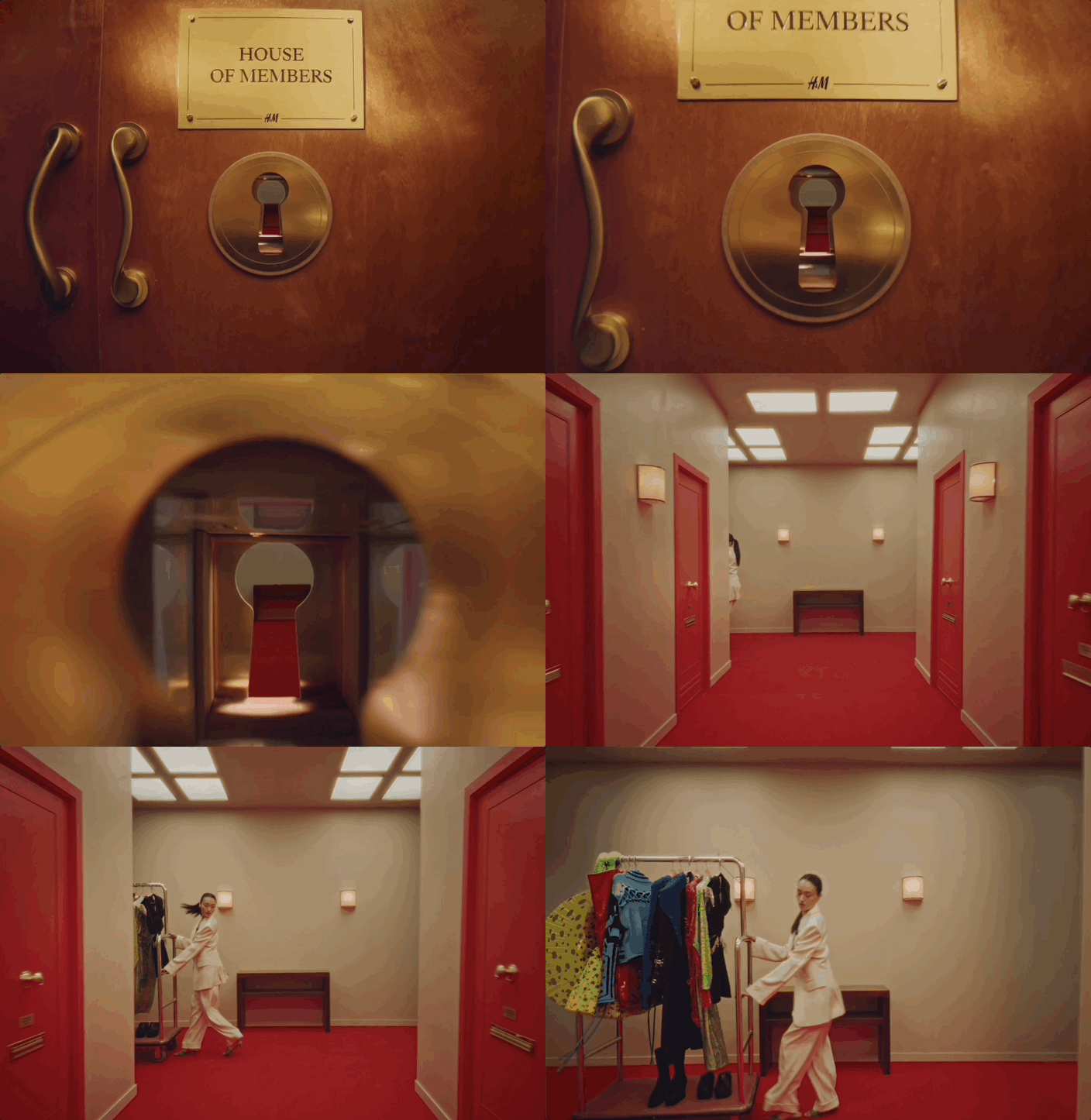
H&M 'House of Members' (2023) by Jason Yan Francis
Philips - Carousel (2011)
Delta - Runways (2018)
Harley Davidson - Breathe (2020)
First Hawaiian Bank - Dance Party (2022) Ariel Danziger
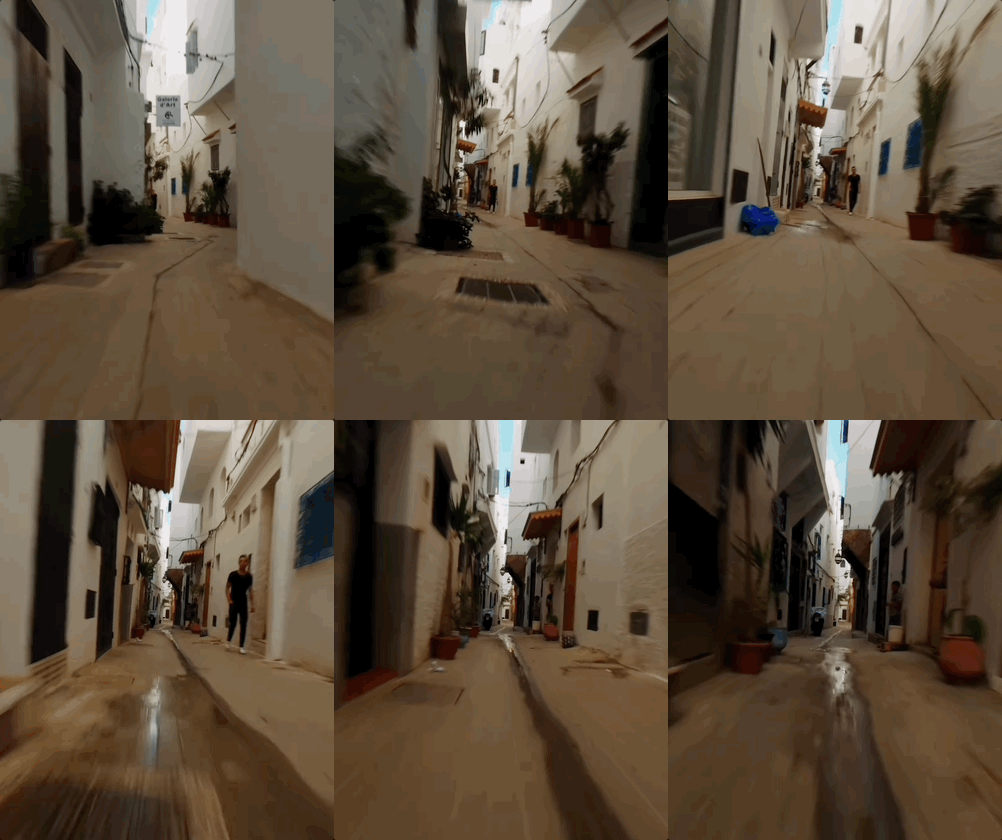
@zaim.fpv / IG
@chinmayakotian / IG
Bonobo - No Reason (2017) Oscar Hudson
Spirited Away (2001) dir. Hayao Miyazaki
Limitless (2011)
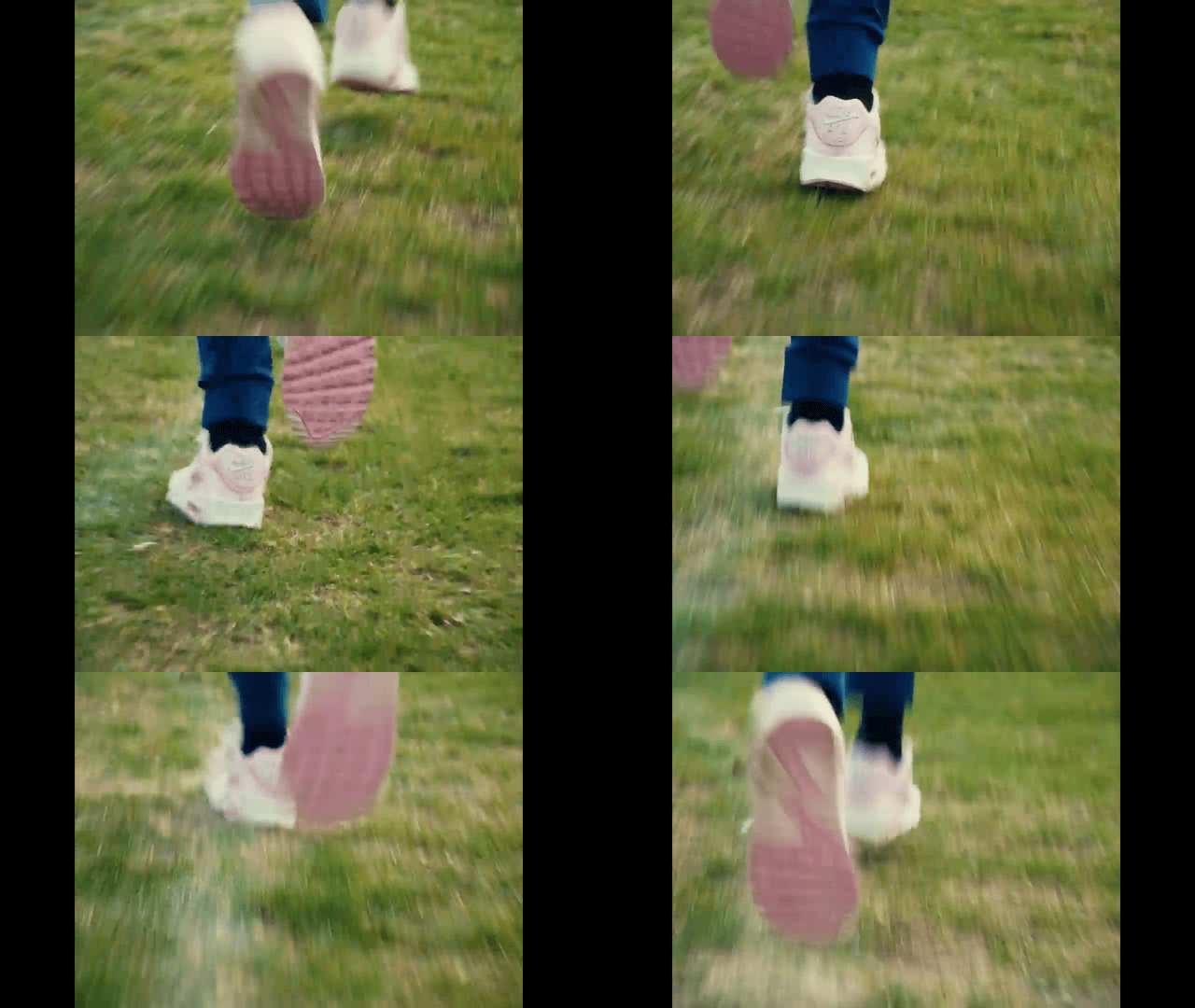
NIKE x END CLOTHING (2020)
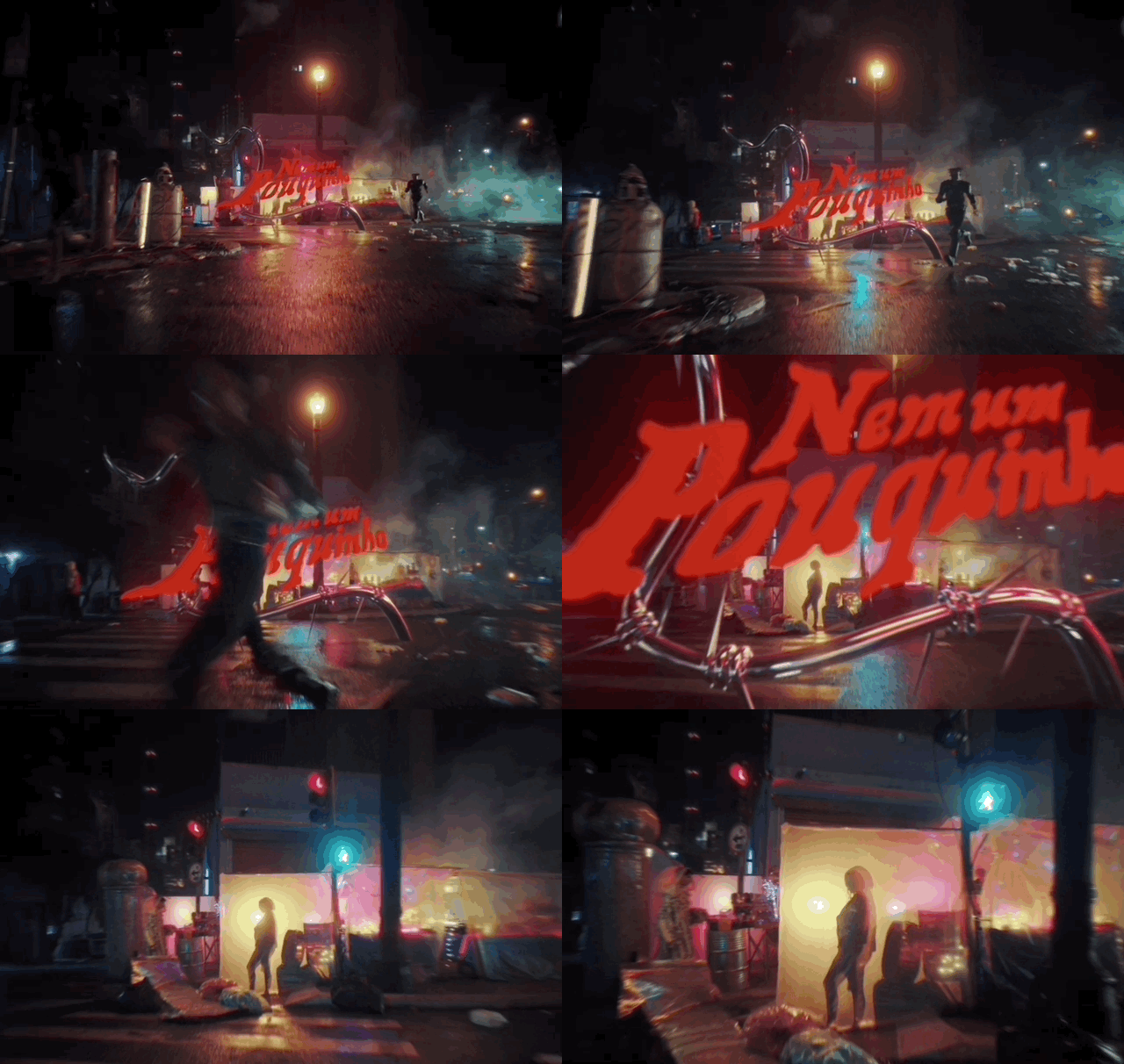
Duda Beat - Nem um pouquinho (2021)
Delta - Runways (2018)
NIKE x END CLOTHING (2020)
NIKE x END CLOTHING (2020)
NIKE x END CLOTHING (2020)
Delta - Runways (2018)
NIKE x END CLOTHING (2020)
750 MPH for IKEA
Bonobo - No Reason (2017) Oscar Hudson
@43lens / IG

@thebluesquare / Giphy
ASAHI - The Unusual (2022) MANSON
NIKE x END CLOTHING (2020)
750 MPH for IKEA
It's A Wimbledon Thing (2021)








DIVE DEEPER
DIVE DEEPER
Dive Deeper
-
The origins of the tracking shot in film can be traced back to the early 1900s, when filmmakers began experimenting with ways to move the camera and create more dynamic shots. One of the earliest examples of a tracking shot can be seen in the film "Cabiria" (1914) by Italian director Giovanni Pastrone.
In "Cabiria," Pastrone used a large, wheeled platform called a "ferris wheel" to move the camera through various scenes. The camera was mounted on the platform, which was pushed along tracks by a team of people. This allowed the camera to follow the action and capture a sense of movement that was not possible with a stationary camera.
Another early example of a tracking shot can be seen in the film "Intolerance" (1916) by American director D.W. Griffith. In one scene, Griffith used a specially designed camera rig to move the camera through a complex set, capturing multiple actions and perspectives in a single shot.
As technology and filmmaking techniques advanced, filmmakers continued to experiment with tracking shots and other camera movements. In the 1940s and 1950s, the use of the Steadicam, a handheld camera stabilizing device, allowed filmmakers to create smooth and fluid tracking shots without the need for tracks or other equipment.
Today, tracking shots are a common technique in film and video production and are used to create dynamic and engaging shots that capture a sense of movement and energy.
-
There are many filmmakers who are known for their use of the tracking shot technique in their films. Here are a few notable examples:
Stanley Kubrick: Stanley Kubrick is known for his precise and deliberate use of the tracking shot in many of his films. In particular, his film "The Shining" (1980) features several notable tracking shots, including the iconic shot of Danny riding his tricycle through the hotel's hallways.
Martin Scorsese: Martin Scorsese is another filmmaker who frequently uses the tracking shot in his films. In "Goodfellas" (1990), Scorsese famously used a tracking shot to follow Henry Hill and Karen as they enter the Copacabana nightclub through a back entrance, providing a sense of the exclusive and secretive nature of the club.
Paul Thomas Anderson: Paul Thomas Anderson is known for his intricate and complex camera movements, including the tracking shot. In "Boogie Nights" (1997), Anderson used a tracking shot to follow the characters through a crowded party, capturing the chaotic energy of the scene.
Quentin Tarantino: Quentin Tarantino has also used the tracking shot to great effect in his films. In "Kill Bill: Vol. 1" (2003), he used a tracking shot to follow The Bride as she makes her way through the Crazy 88's hideout, capturing the intense and violent action of the scene.
-
Both tracking shots and dolly shots are cinematic techniques that involve camera movement to create dynamic and engaging shots. However, there are some differences between the two techniques.
A tracking shot involves moving the camera along a track or dolly, usually with the help of a wheeled platform, to create a smooth and consistent motion. The camera can be mounted on a tripod, a Steadicam, or other stabilizing device to ensure that the shot is steady and focused. Tracking shots can be used to follow a character or object as they move through a scene or to create a sense of movement and energy in a static scene.
A dolly shot, on the other hand, involves moving the entire camera and its support system (including the tripod, if used) on a wheeled platform, either along a track or on a flat surface. This creates a more dynamic motion than a tracking shot and allows the camera to move in and out of the scene, changing the perspective and creating a sense of depth. Dolly shots can be used to emphasize a character's emotional state or to reveal important information in a scene.
In summary, tracking shots move the camera along a track or dolly to create a smooth and consistent motion, while dolly shots move the entire camera and its support system to create a more dynamic motion with changes in perspective and depth. Both techniques can be used to create engaging and visually striking shots in film and video.
-
Achieving a tracking shot involves moving the camera along a track or dolly, usually with the help of a wheeled platform or other stabilizing device. Here are the basic steps involved in achieving a tracking shot:
Determine the type of shot you want to achieve: Before you start setting up your camera and equipment, you should have a clear idea of the type of shot you want to achieve. This will help you choose the right equipment and set up your shot more effectively.
Choose your equipment: Depending on the type of shot you want to achieve, you may need to use a track or dolly to move the camera. There are a variety of tracks and dollies available on the market, ranging from simple DIY solutions to more professional-grade equipment. You can also use a handheld stabilizing device like a Steadicam or gimbal for a more dynamic tracking shot.
Set up your equipment: Once you have your equipment, you'll need to set it up to achieve your desired shot. This may involve laying down a track or positioning your dolly, or attaching your stabilizing device to the camera.
Prepare your shot: Before you start filming, you should prepare your shot by framing your subject and determining the starting and ending points for the camera movement.
Move the camera: Once you're ready to start filming, you can move the camera along the track or dolly to achieve your tracking shot. You may need to coordinate with your camera operator and any other crew members to ensure that the shot is smooth and consistent.
