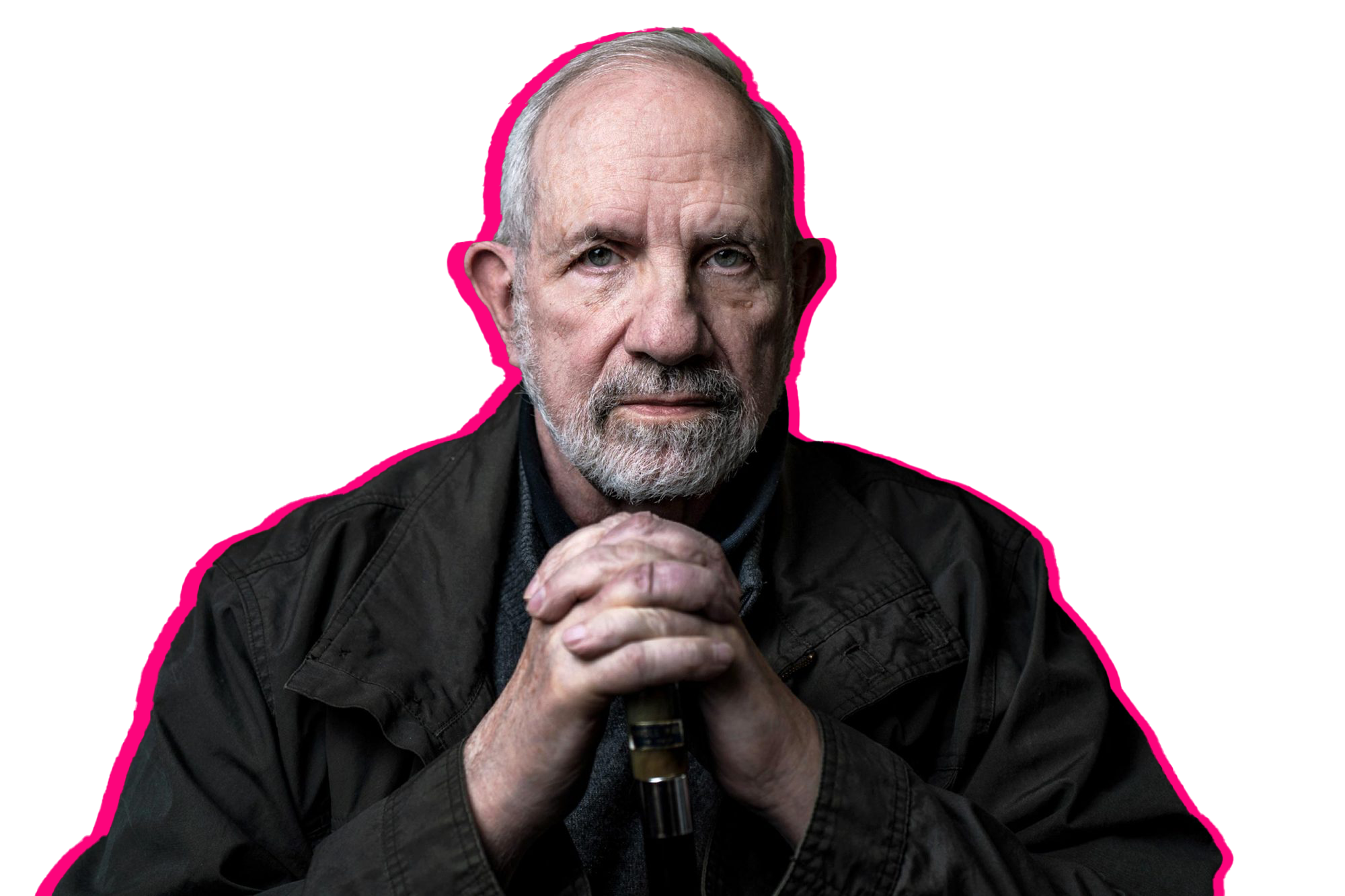
LONG TAKE
A single shot that is held for an extended period of time without any cuts or edits, often used to capture a moment in its entirety without interruption.
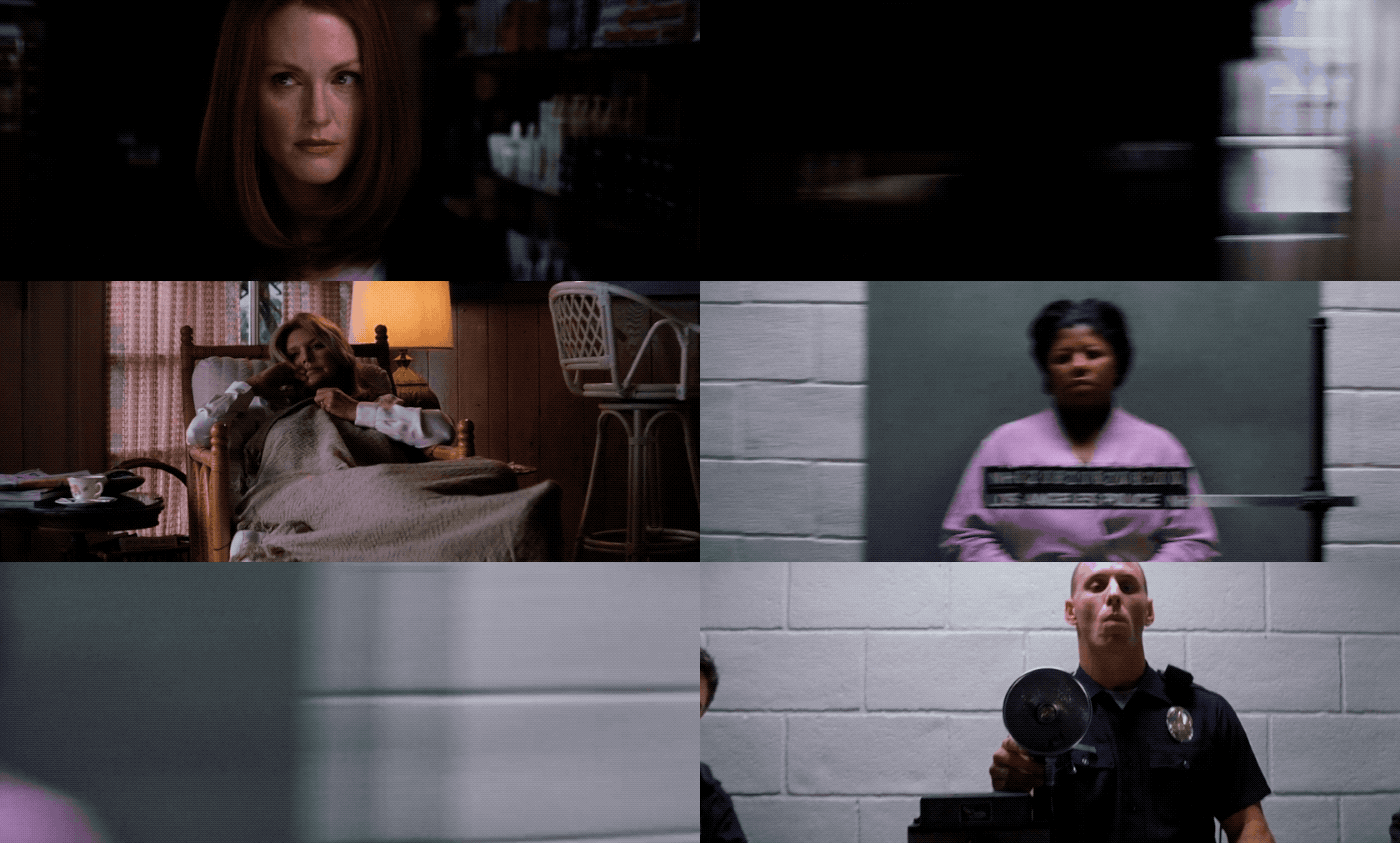
Magnolia (1999) - Paul Thomas Anderson
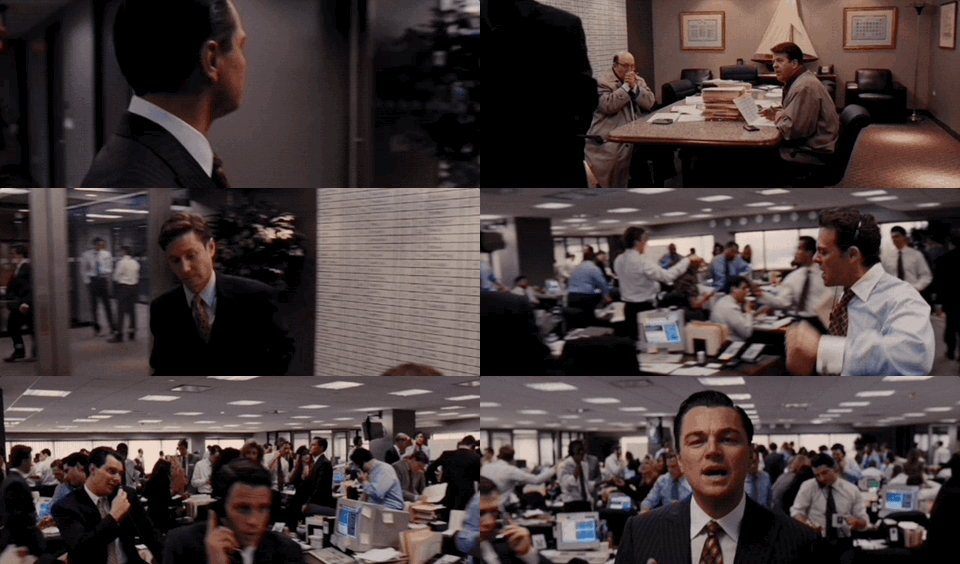
Wolf of Wall Street (2013)
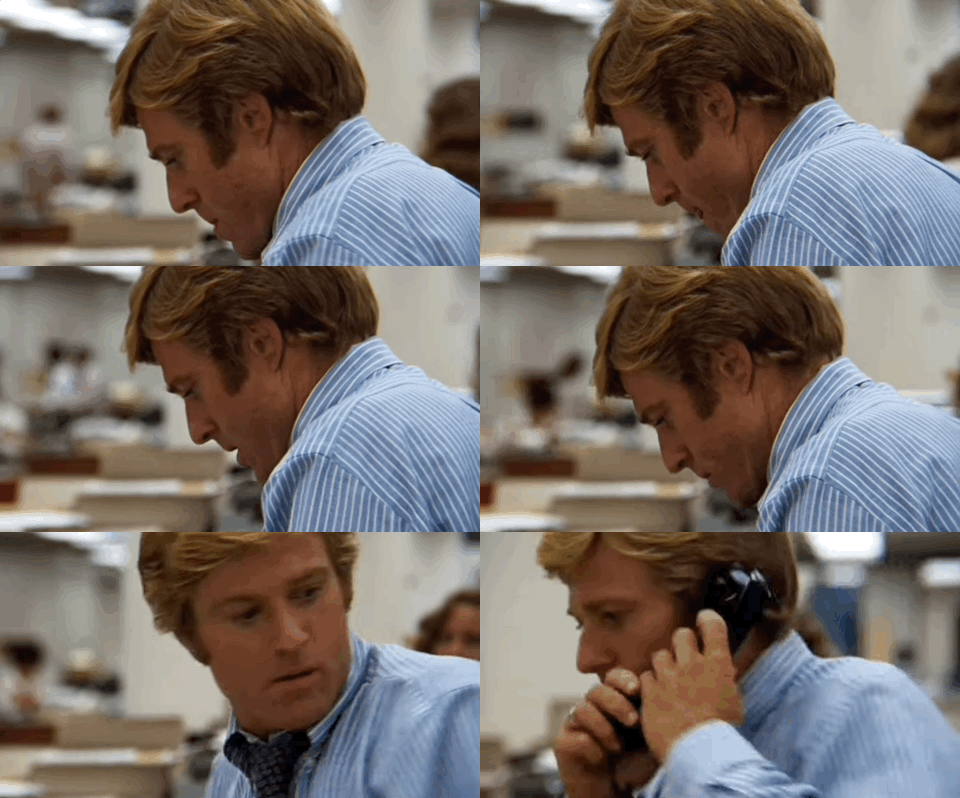
All the President's Men (1976)

The Shining (1980) - Stanley Kubrick
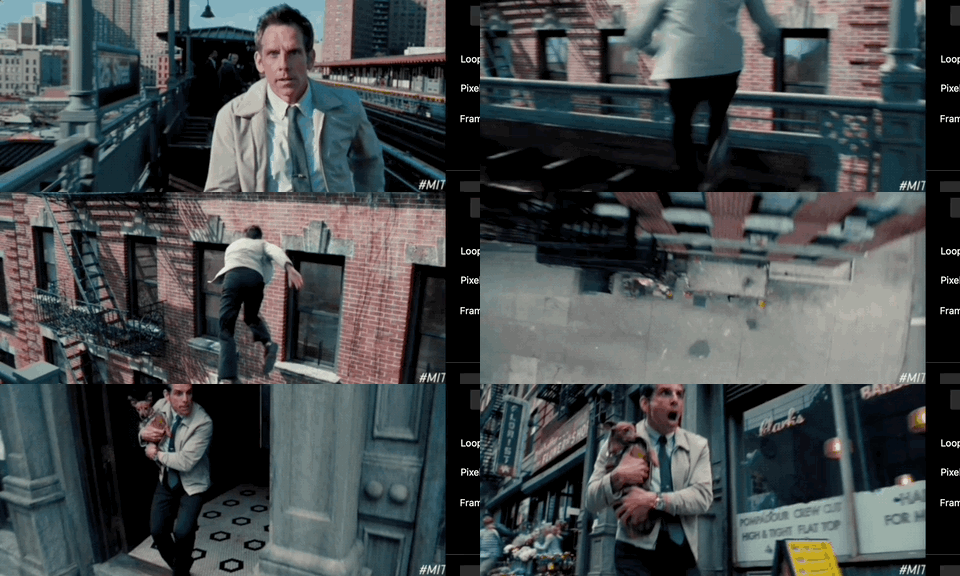
The Secret Life of Walter Mitty (2013)
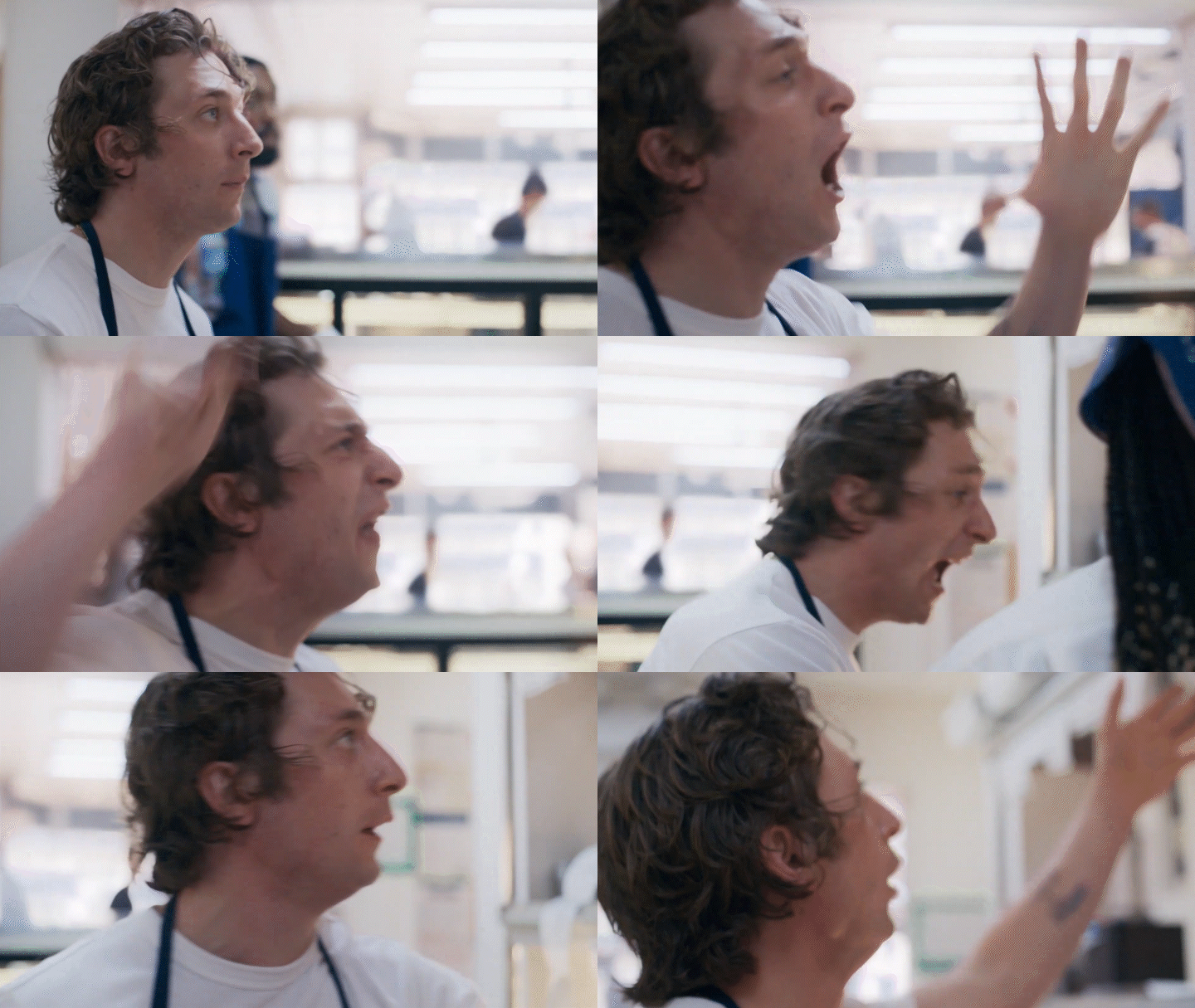
TheBear E7 (2022) Christopher Storer
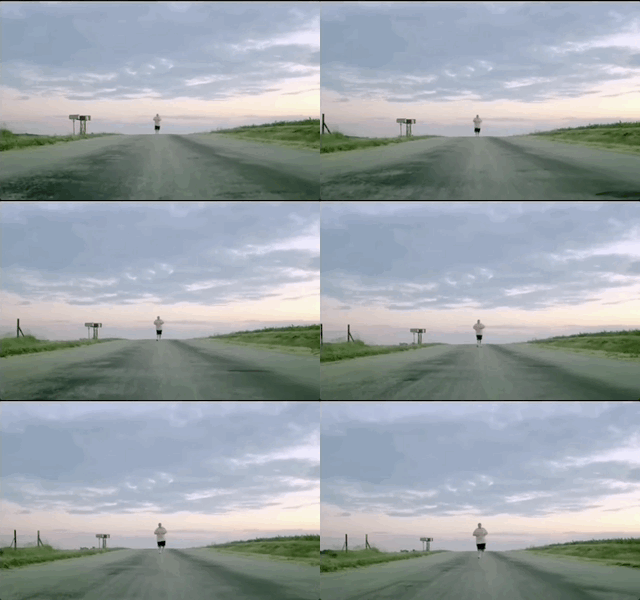
Nike: Find Your Greatness — Jogger (2013) Lance Acord
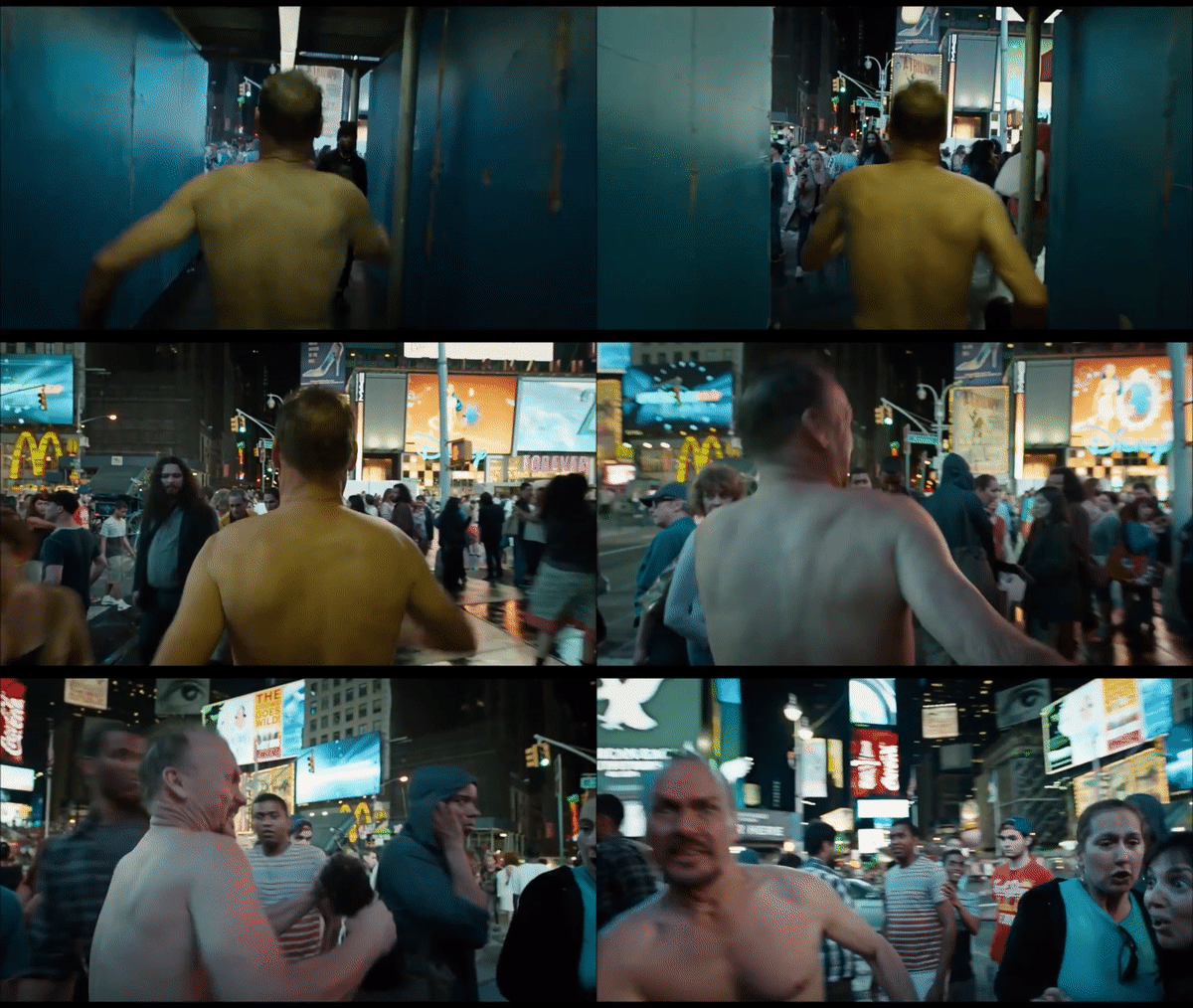
Birdman (2013) Alejandro González Iñárritu
LEARN ABOUT IT
LEARN ABOUT IT
Dive Deeper
-
-
While both terms involve a prolonged shot, they actually refer to different aspects of film-making. A long take is a continuous shot that lasts for an extended period of time, with no cuts or edits. This technique can be used to create a sense of realism, tension, or intimacy, and is often associated with filmmakers like Alfred Hitchcock and Stanley Kubrick.
On the other hand, a long shot is a camera shot that shows the subject from a distance, emphasizing the context or setting rather than the subject's details. This technique is often used to establish a sense of location, scale, or perspective, and can be used to convey a sense of isolation or vulnerability. Examples of long shots include wide establishing shots of a city skyline or a group of characters walking through a vast landscape.
In summary, a long take is a prolonged shot without cuts, while a long shot is a camera shot that shows the subject from a distance.
-
There are several directors who are well-known for their use of the long take technique in film-making. Some of the most notable include:
Stanley Kubrick - Kubrick was a master of the long take, using it extensively in films such as "The Shining," "Full Metal Jacket," and "Eyes Wide Shut."
Alfred Hitchcock - Hitchcock was another filmmaker who was known for his use of long takes, with one of his most famous examples being the opening sequence of "Rope," which appears to be one continuous shot.
Paul Thomas Anderson - Anderson has used the long take technique in several of his films, including "Boogie Nights," "Magnolia," and "There Will Be Blood."
Brian De Palma - De Palma is known for his distinctive visual style, which often incorporates the long take technique, as seen in "Dressed to Kill" and "Carlito's Way."
Alejandro González Iñárritu - Iñárritu is another director who frequently employs the long take technique in his films, including "Birdman" and "The Revenant."
-
There are many notable movie scenes that use the long take technique to create a powerful visual effect or to capture a specific moment in time. Here are a few examples:
"Goodfellas" (1990) - The Copacabana scene in this Martin Scorsese classic is a famous example of the long take technique, as the camera follows the main characters through the back entrance of the nightclub and into the main room, without cutting.
"The Revenant" (2015) - This film, directed by Alejandro González Iñárritu, features a stunning long take sequence in which the camera follows the main character as he is attacked by a bear and then crawls out of the forest.
"1917" (2019) - This war film, directed by Sam Mendes, is designed to look like one continuous shot, with the camera following the two main characters through the trenches and across the battlefield.
"True Detective" (Season 1, Episode 4) - While not a movie, this single-take sequence in the HBO series is a standout example of the long take technique, as the camera follows Rust Cohle (played by Matthew McConaughey) through a tense shootout with a group of bikers.
"Touch of Evil" (1958) - The opening sequence of this Orson Welles film is a famous example of the long take technique, as the camera follows a car as it drives through the streets of a border town, building tension and setting the stage for the story to come.
-
The use of long takes in cinema can be traced back to the early days of filmmaking. One of the earliest examples is the silent film "The Great Train Robbery" (1903), which features a shot that lasts for almost a minute. However, it was not until the 1940s and 1950s that the long take became a more commonly used technique in Hollywood films.
One of the filmmakers who helped popularize the long take was Orson Welles, who used it to great effect in his 1941 masterpiece "Citizen Kane." The film's famous "News on the March" sequence is a notable example of the long take, as the camera moves through a series of newspaper headlines, eventually revealing the story of the main character's life.
Another director who was known for his use of long takes was Alfred Hitchcock, who used them to create tension and suspense in films such as "Rope" (1948) and "Vertigo" (1958).
In the decades since, the long take has continued to be used by filmmakers as a way to create immersive and engaging scenes, with notable examples including the extended single-shot sequence in Alejandro González Iñárritu's "Birdman" (2014) and the "one-take" war film "1917" (2019).
ARTIST SPOTLIGHT
ARTIST SPOTLIGHT
Brian De Palma’s
Long Take
Brian De Palma is an American film director known for his distinctive visual style, which often incorporates the long take technique. This technique involves filming a scene in one uninterrupted shot, without any cuts or editing.
De Palma's use of the long take is often used to create tension, suspense, and a sense of voyeurism. He also uses the technique to showcase his actors' performances, allowing them to fully immerse themselves in the scene without interruption.
One notable example of De Palma's use of the long take can be seen in his 1980 film "Dressed to Kill," which features a suspenseful and visually stunning long take sequence set in the Metropolitan Museum of Art.