PHOTOSENSITIVITY WARNING
This content contains visual elements that may trigger photosensitive seizures or adverse reactions in individuals with photosensitivity or epilepsy. Viewer discretion is advised.
HYPERLAPSE
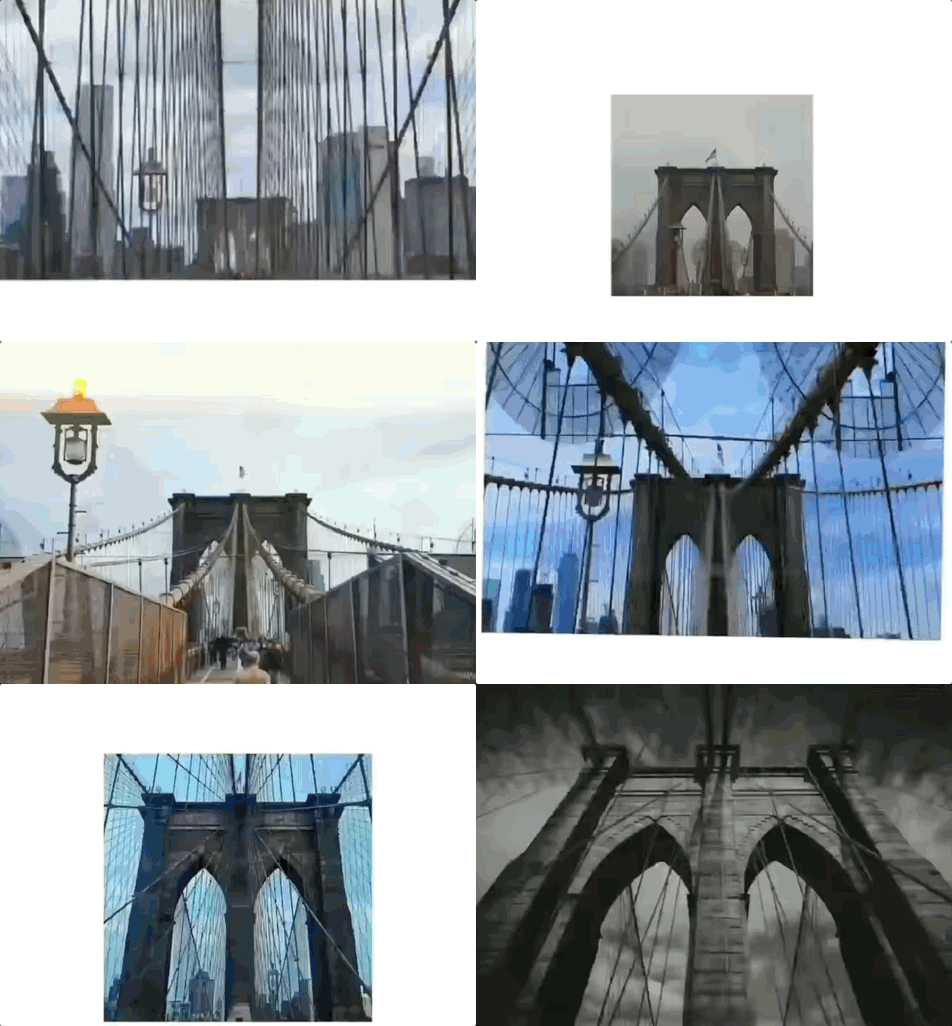
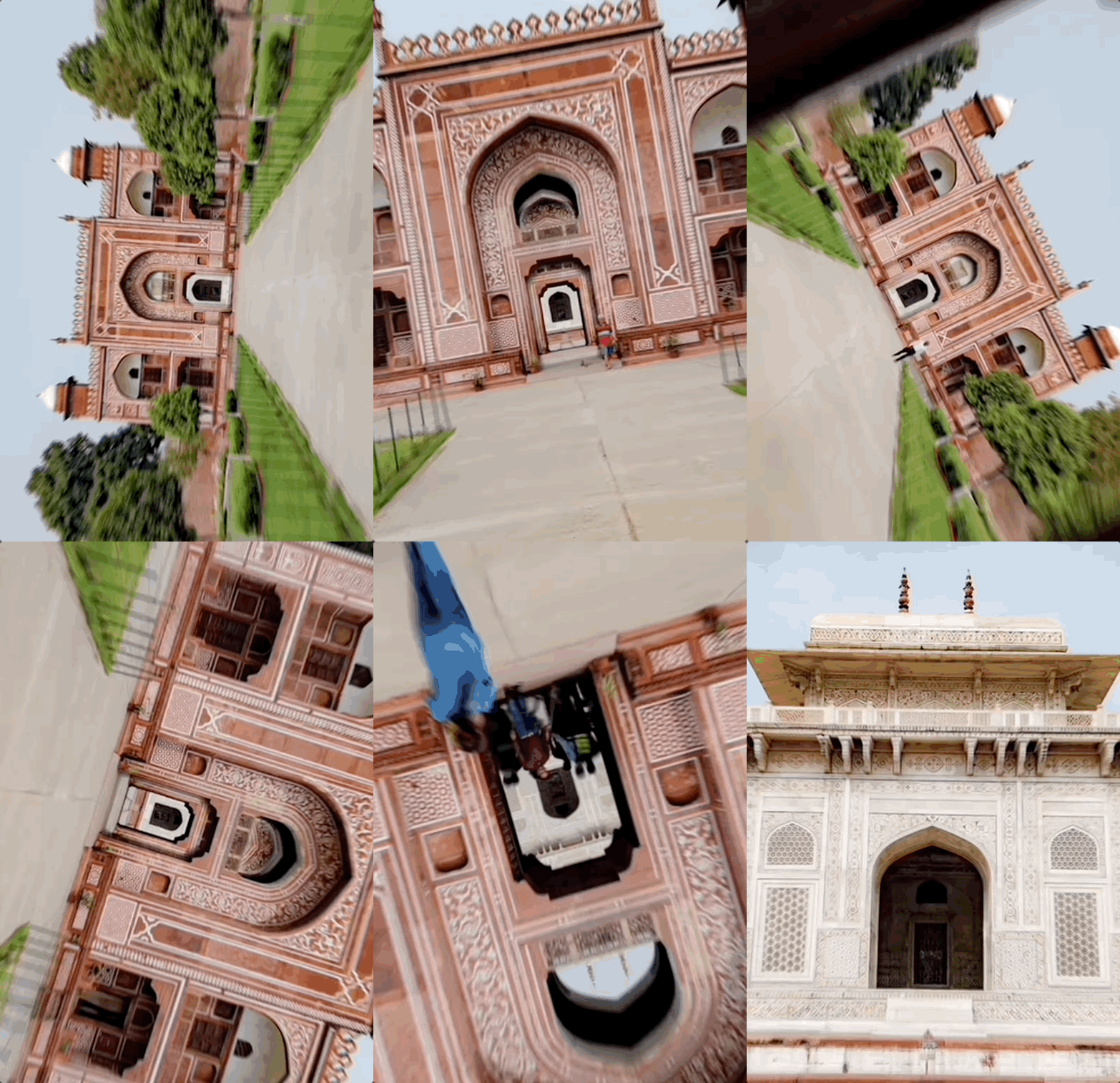
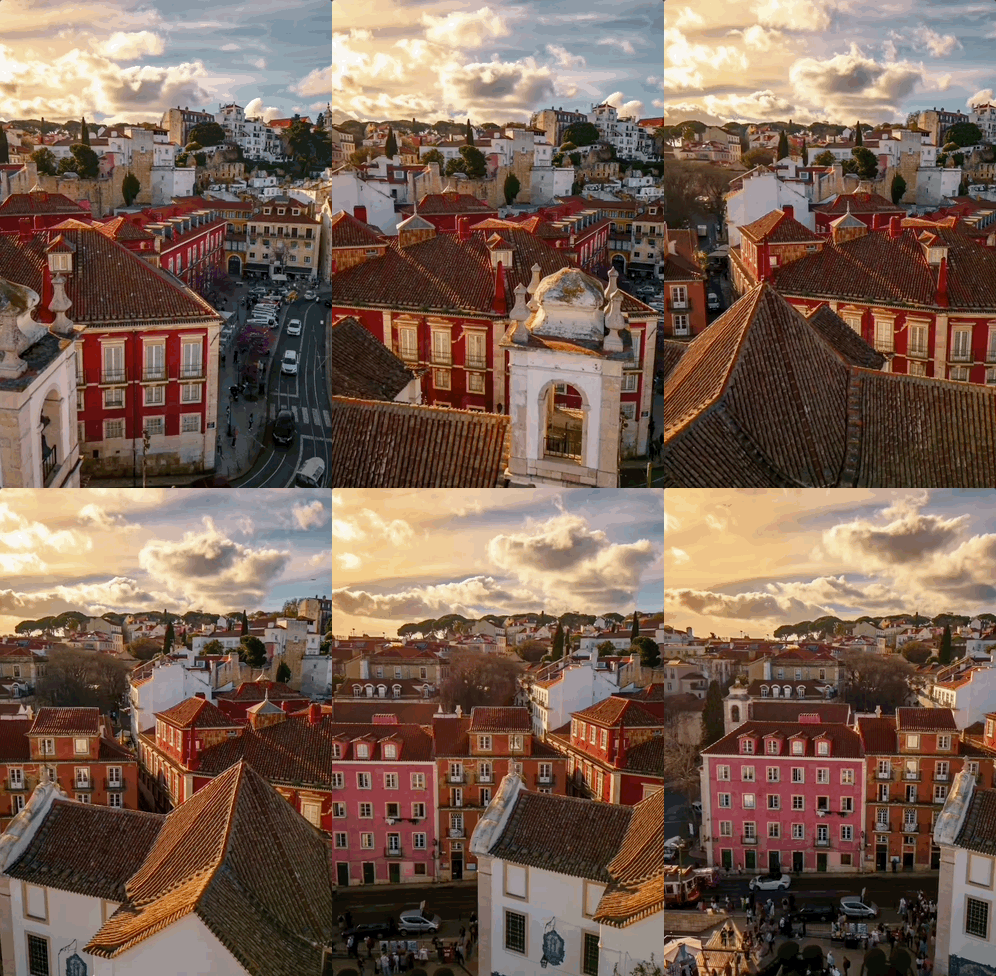
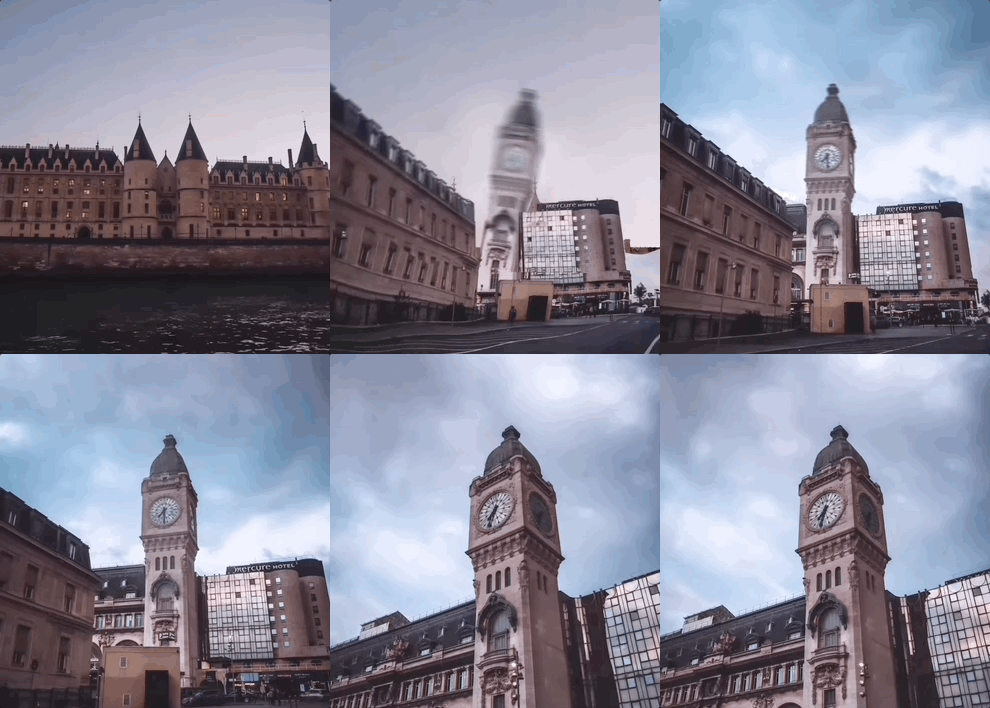
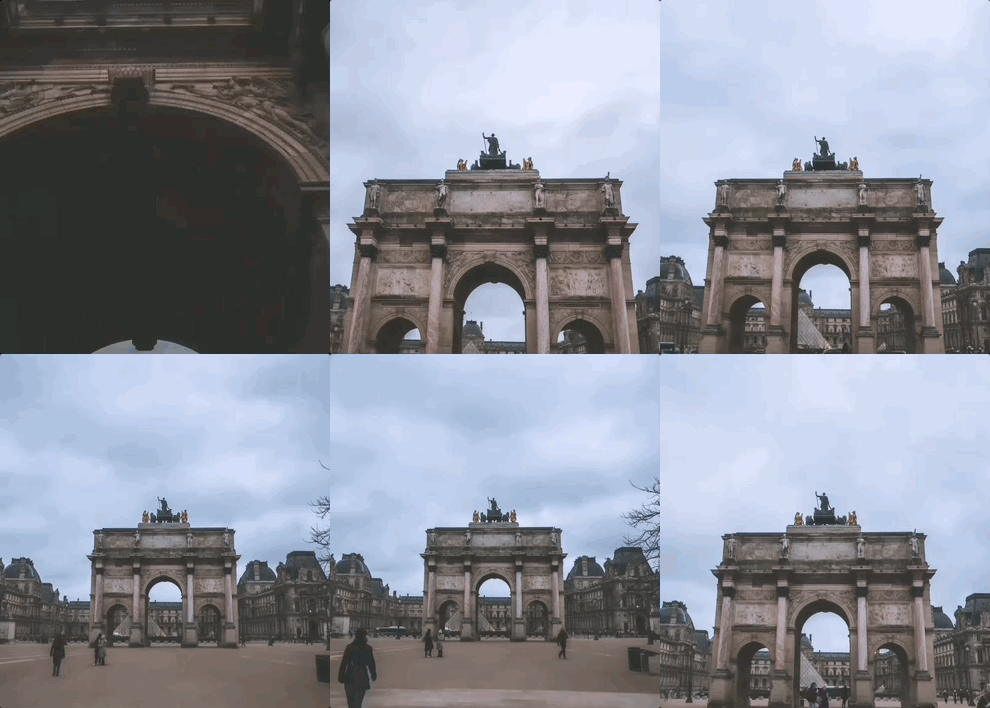
Hyperlapse is like a time machine on steroids, it's used in cinema to compress hours of footage into just a few seconds, and make even the most mundane scenes look like a wild rollercoaster ride. It's perfect for showing off the beauty of a location without boring the audience with a long, drawn-out scene.
/ Gifycat
/ Are.na
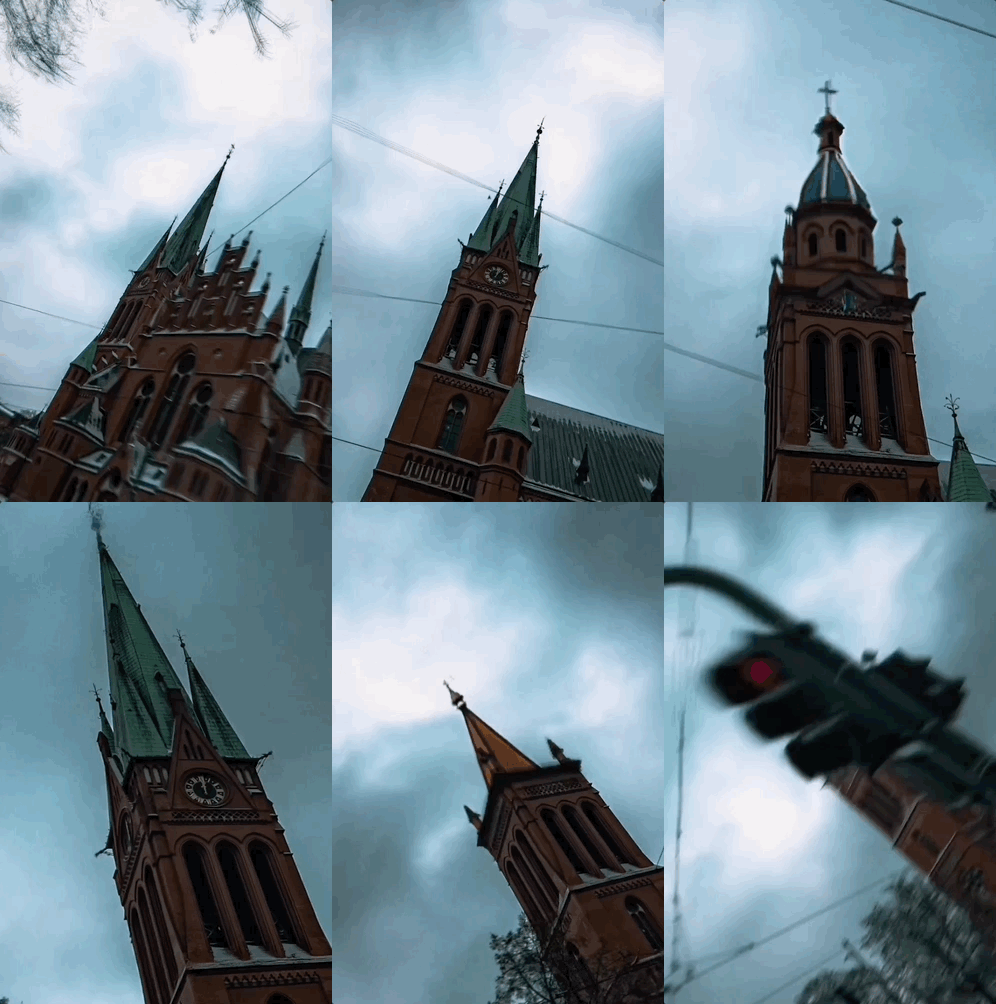
Kamil Przybylak - @camlstudio
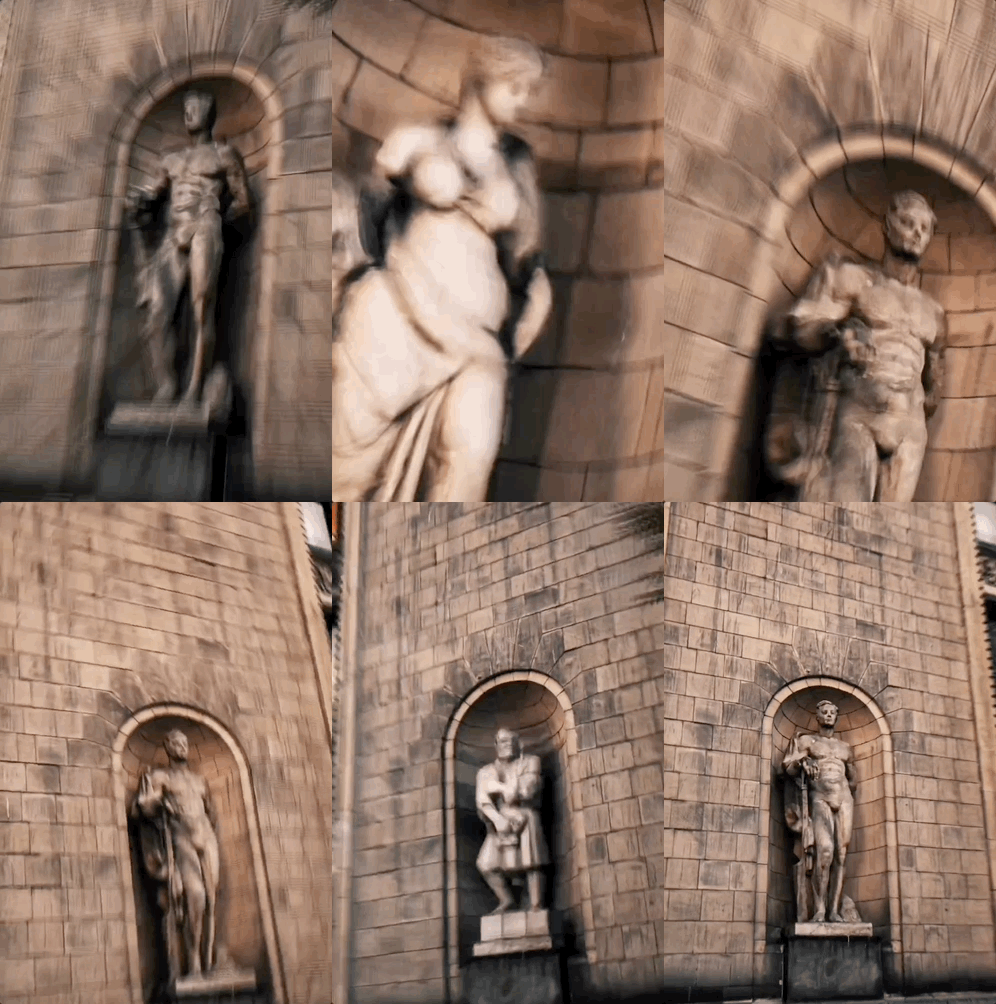
Kamil Przybylak - @camlstudio
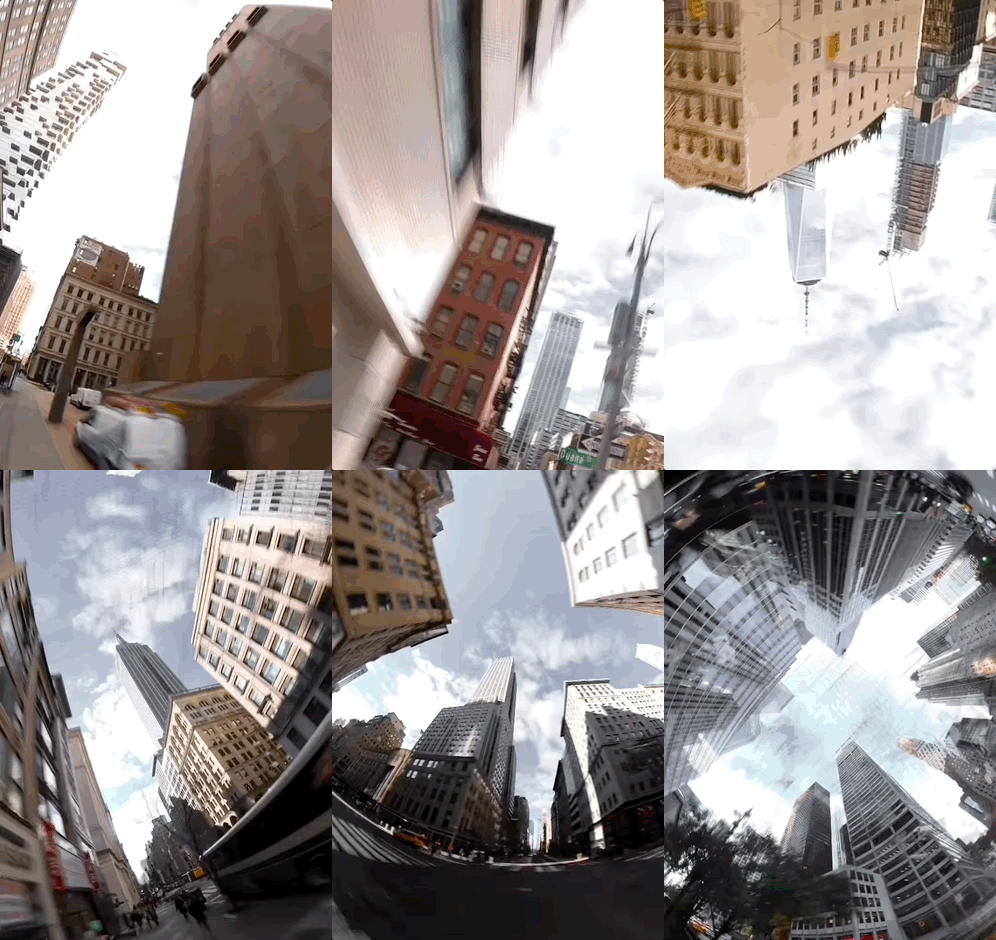
Typologies of New York City: A Crowdsourced Hyperlapse (2019) Sam Morrison
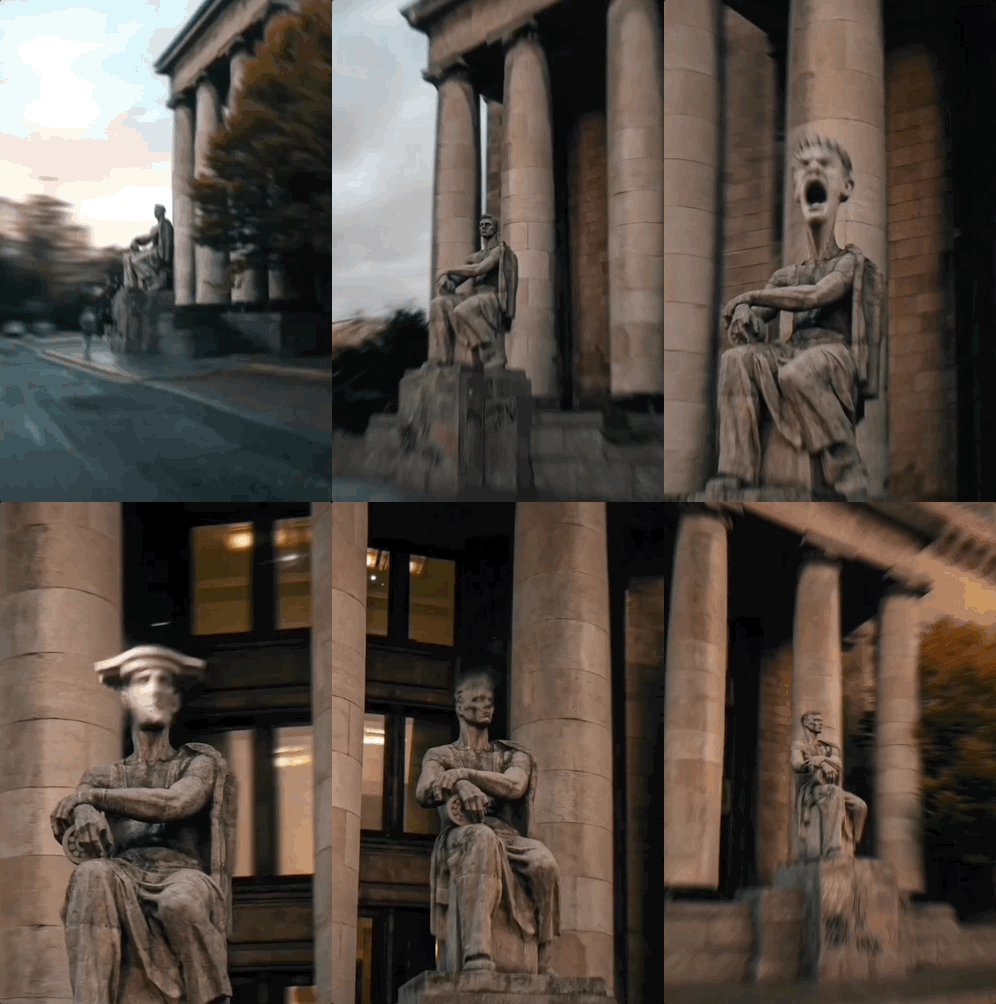
Kamil Przybylak - @camlstudio
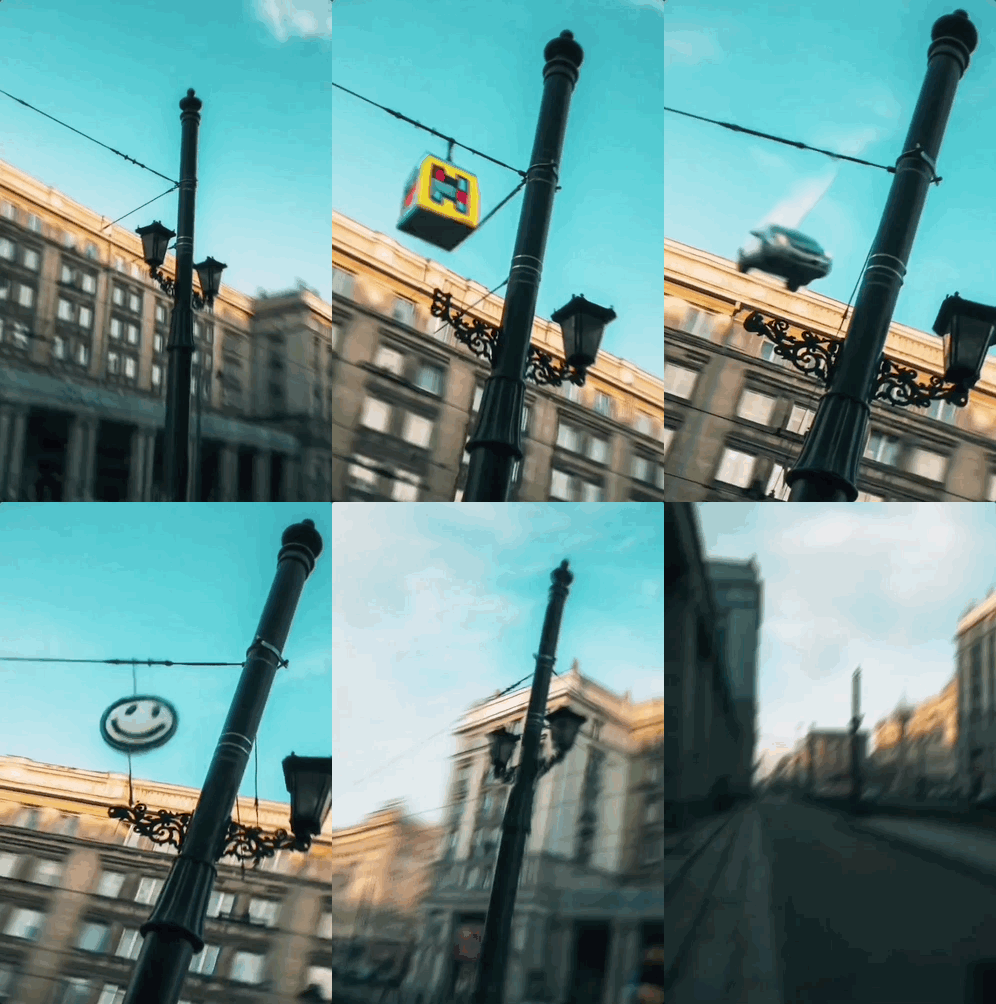
Kamil Przybylak - @camlstudio
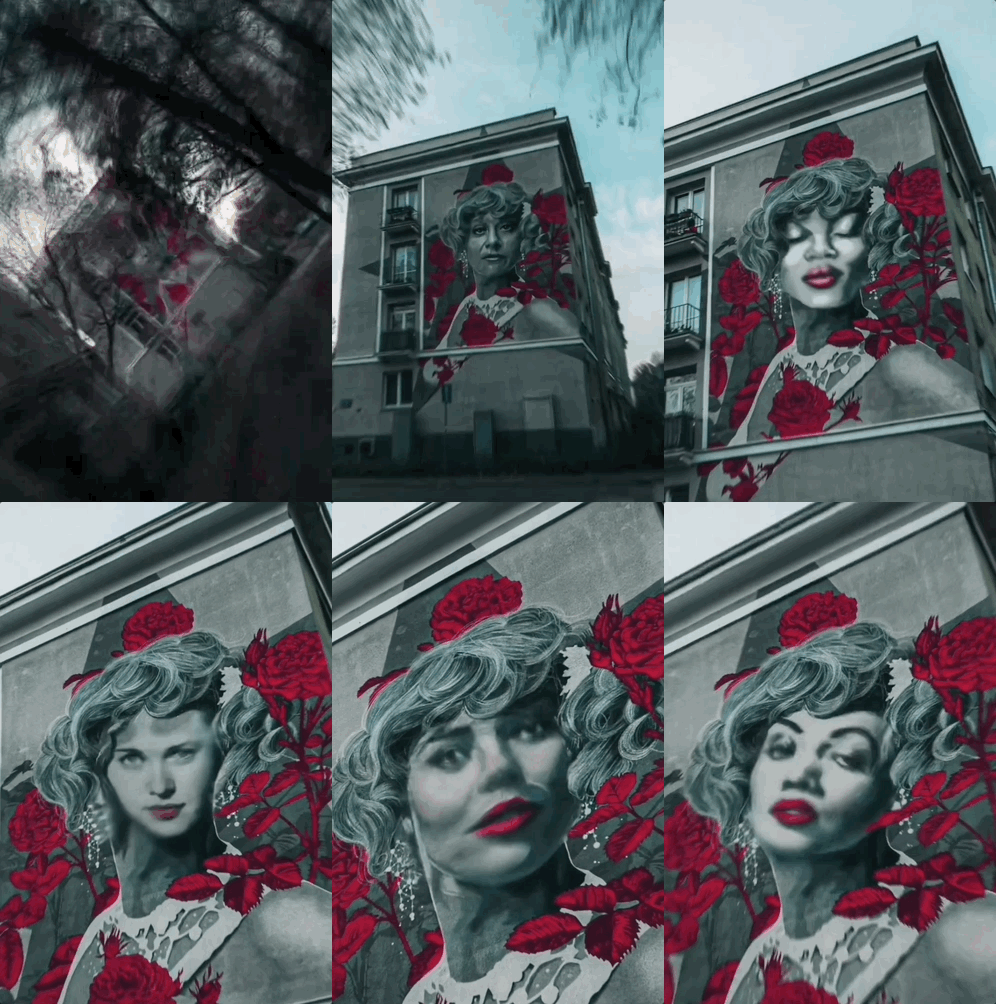
Kamil Przybylak - @camlstudio
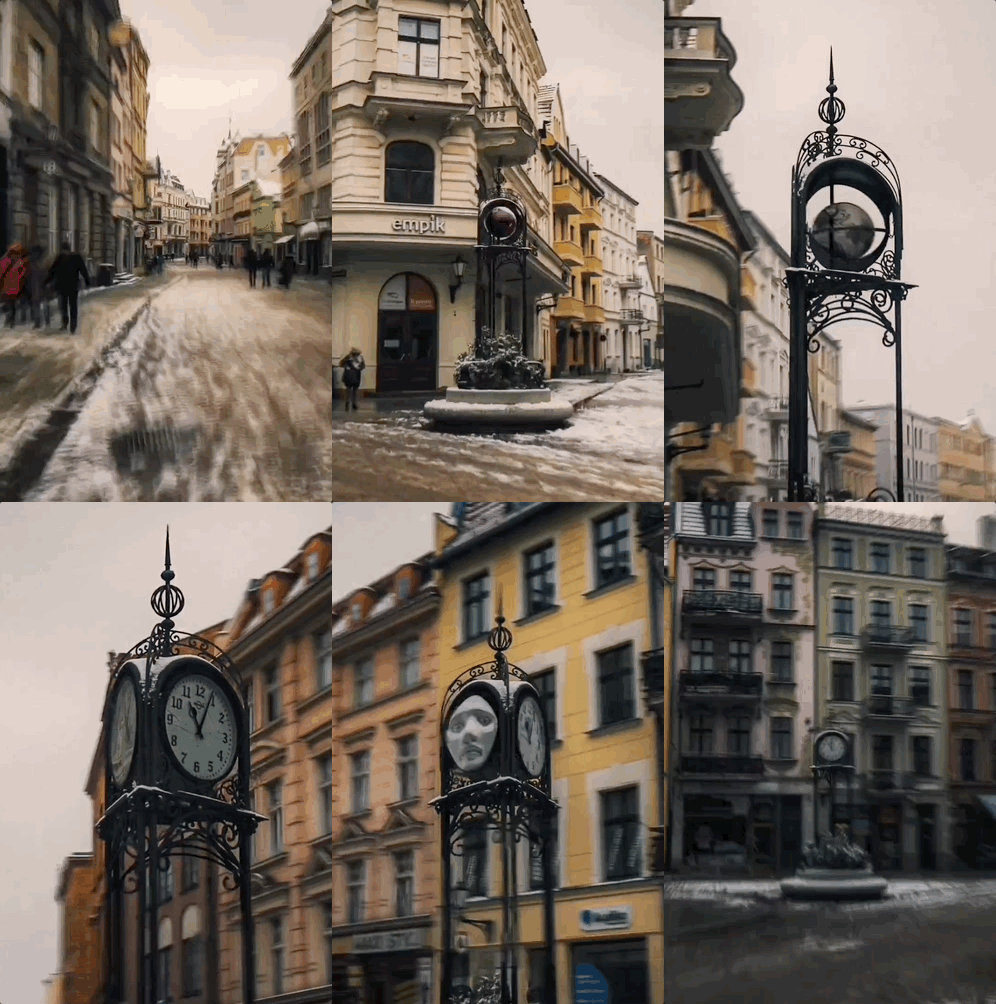
Kamil Przybylak - @camlstudio
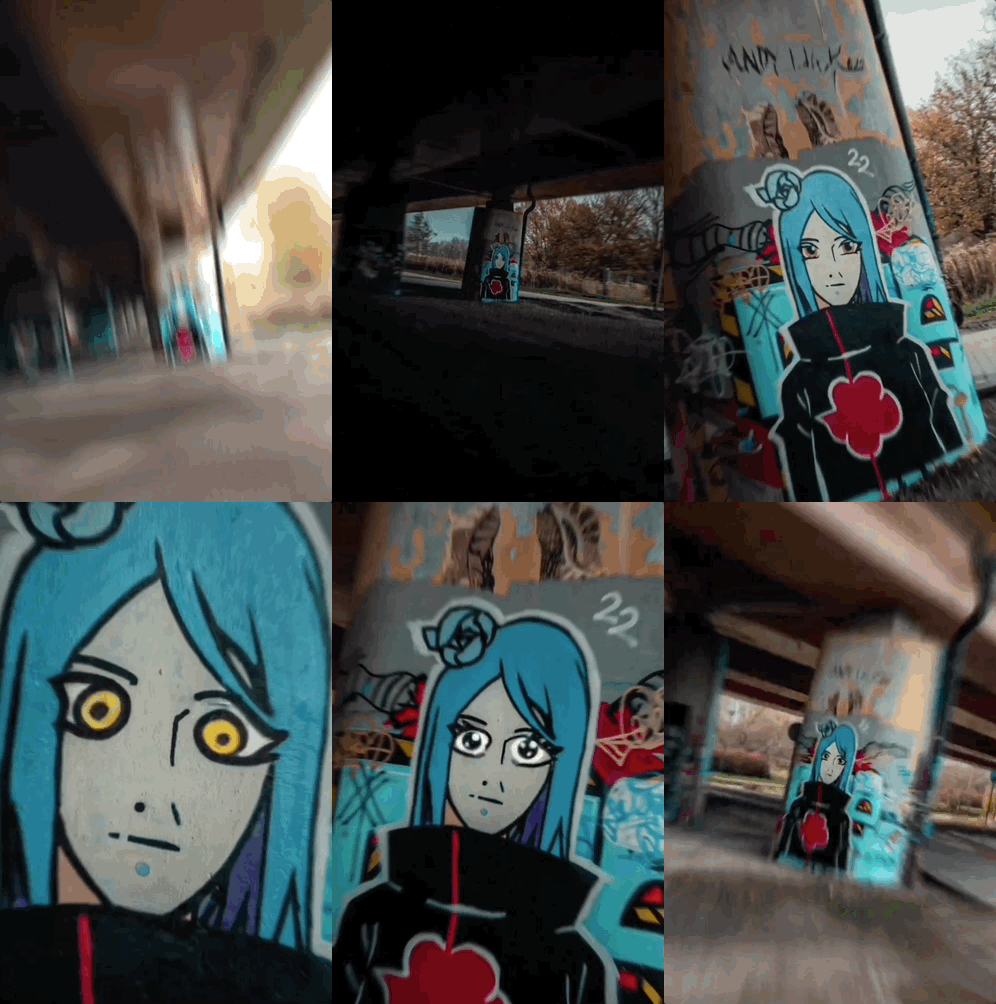
Kamil Przybylak - @camlstudio
@meinbhitraveller / IG
@nuno.koe / IG
@b2graphy / IG
Elouen la Baleine (2023) / IG
@timelapseworlds / IG
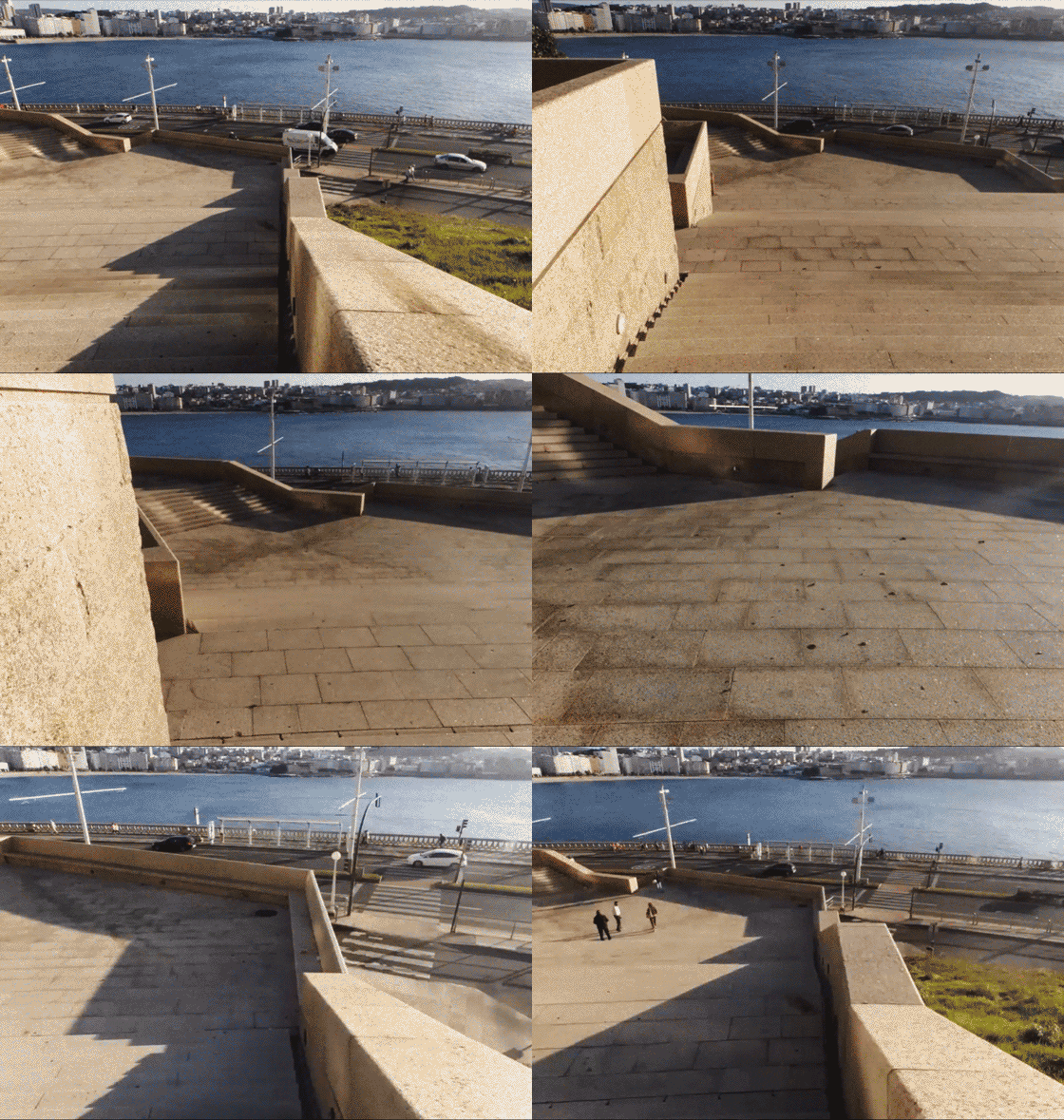
@alcrego / Giphy
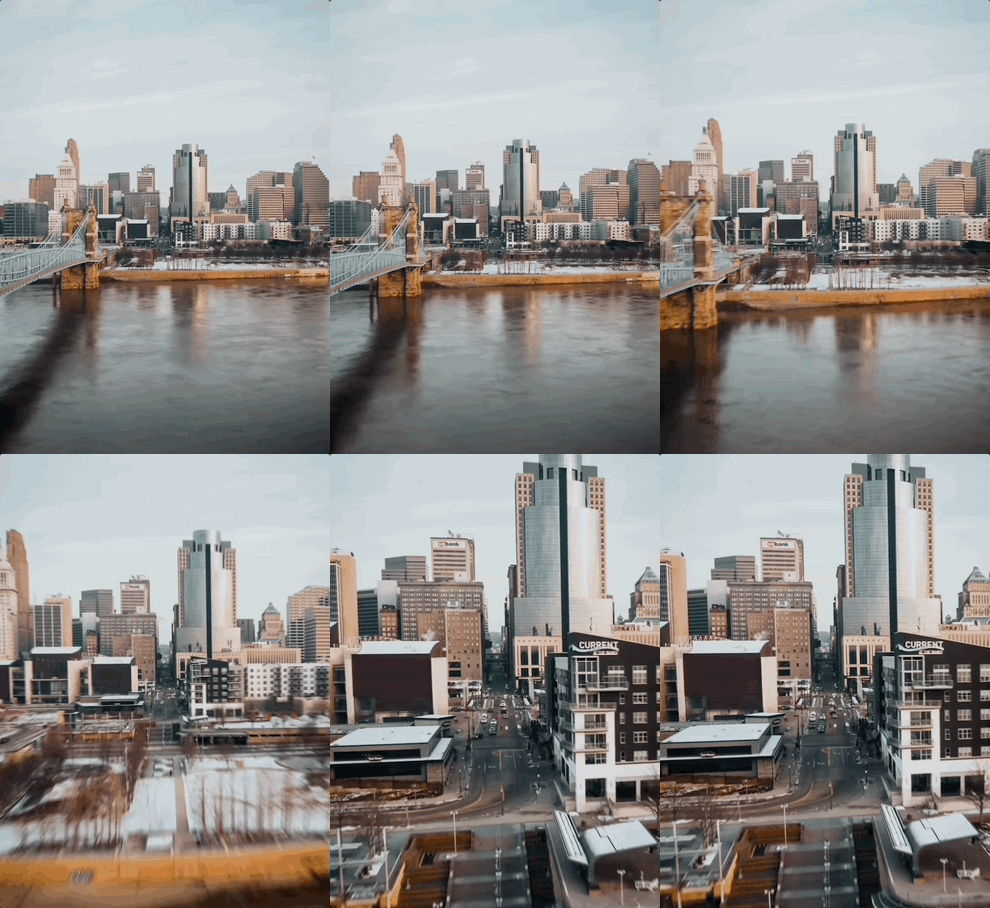
Zak Kauth - @zkauth
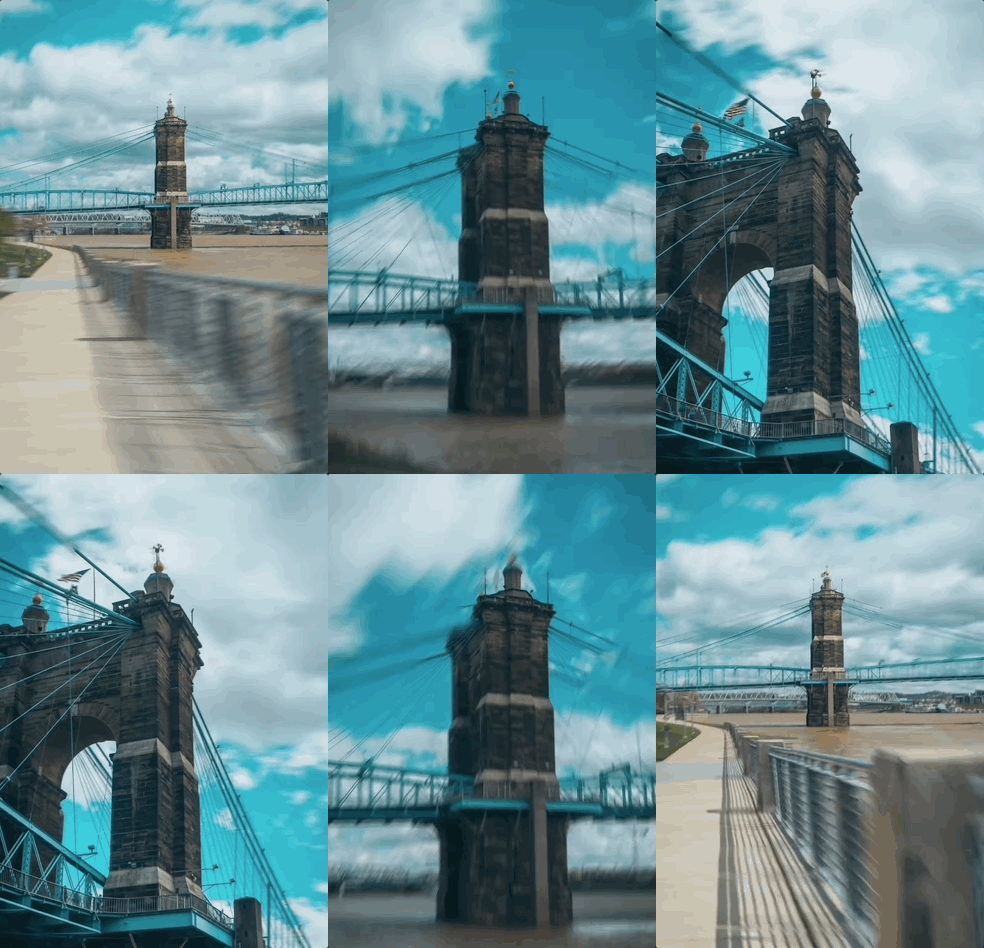
Zak Kauth - @zkauth
Kevin McGloughlin
@matjoez / IG
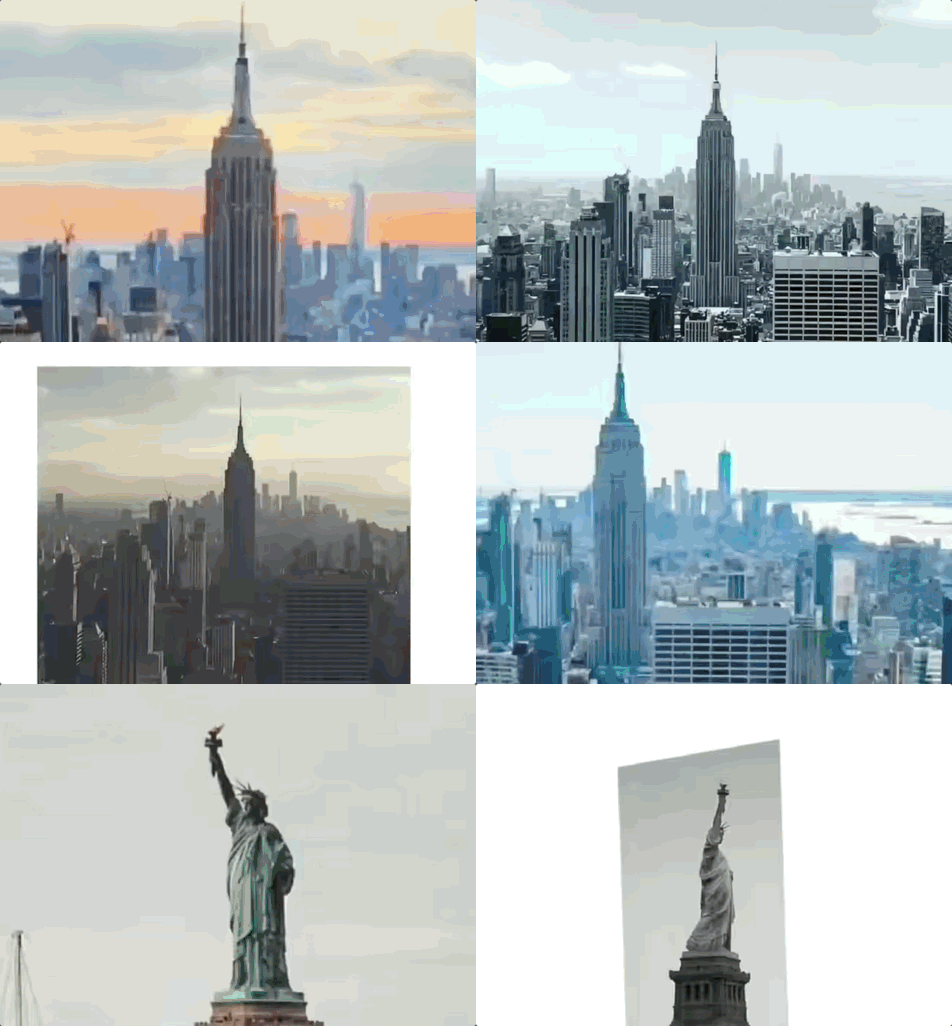
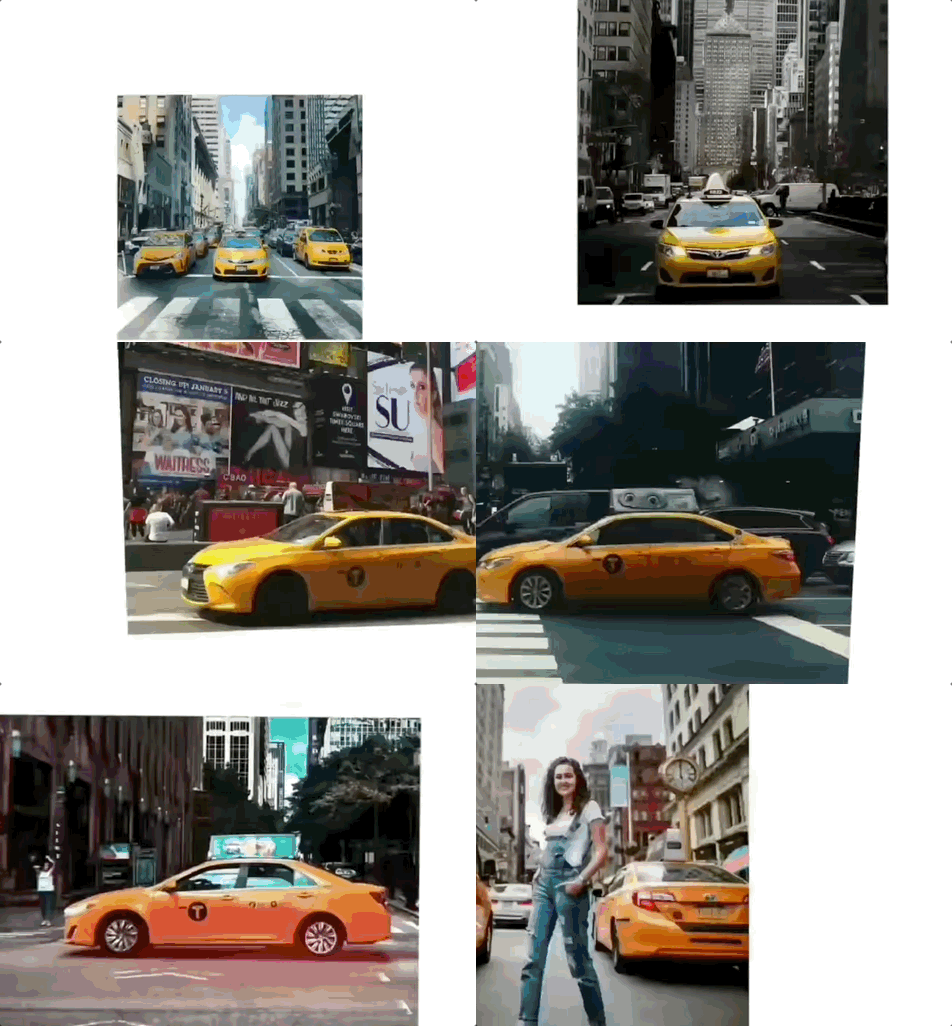
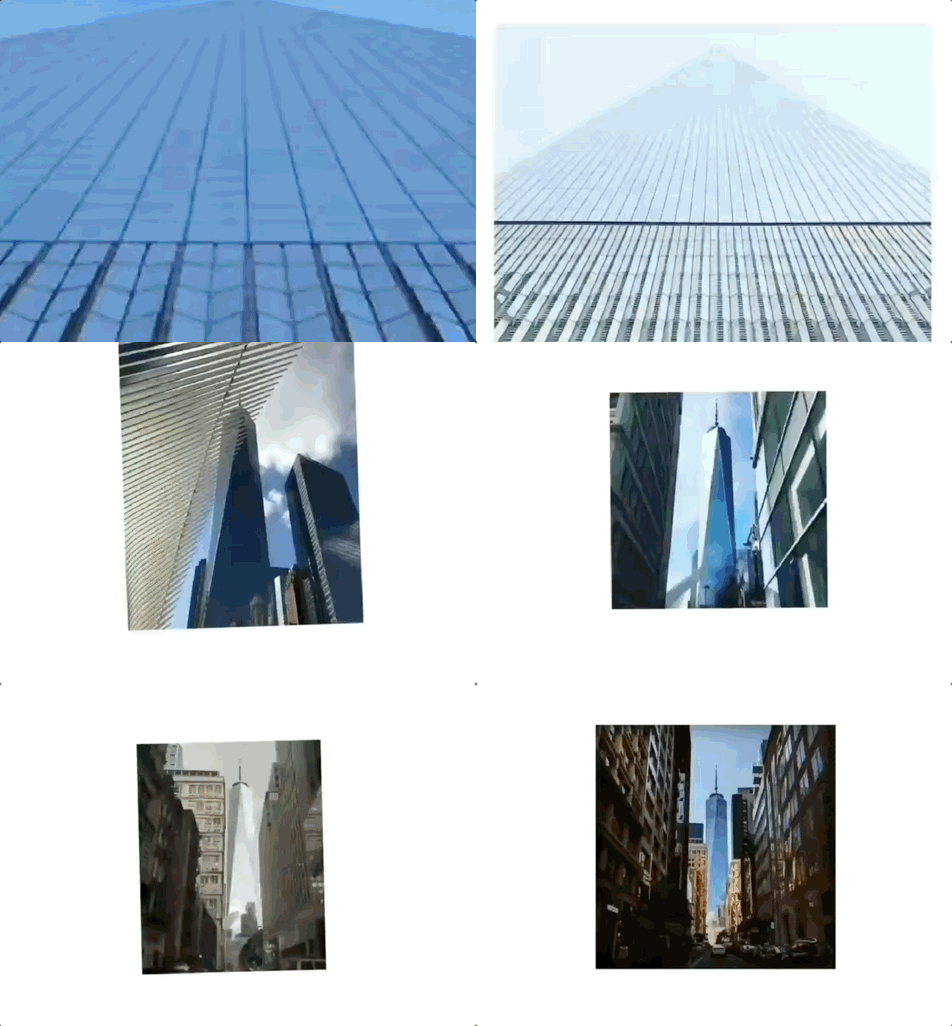
Typologies of New York City: A Crowdsourced Hyperlapse (2019) Sam Morrison
Elouen la Baleine (2023) / IG
Typologies of New York City: A Crowdsourced Hyperlapse (2019) Sam Morrison
Typologies of New York City: A Crowdsourced Hyperlapse (2019) Sam Morrison
Typologies of New York City: A Crowdsourced Hyperlapse (2019) Sam Morrison
Typologies of New York City: A Crowdsourced Hyperlapse (2019) Sam Morrison
N/A - Know the source?
@chinmayakotian / IG
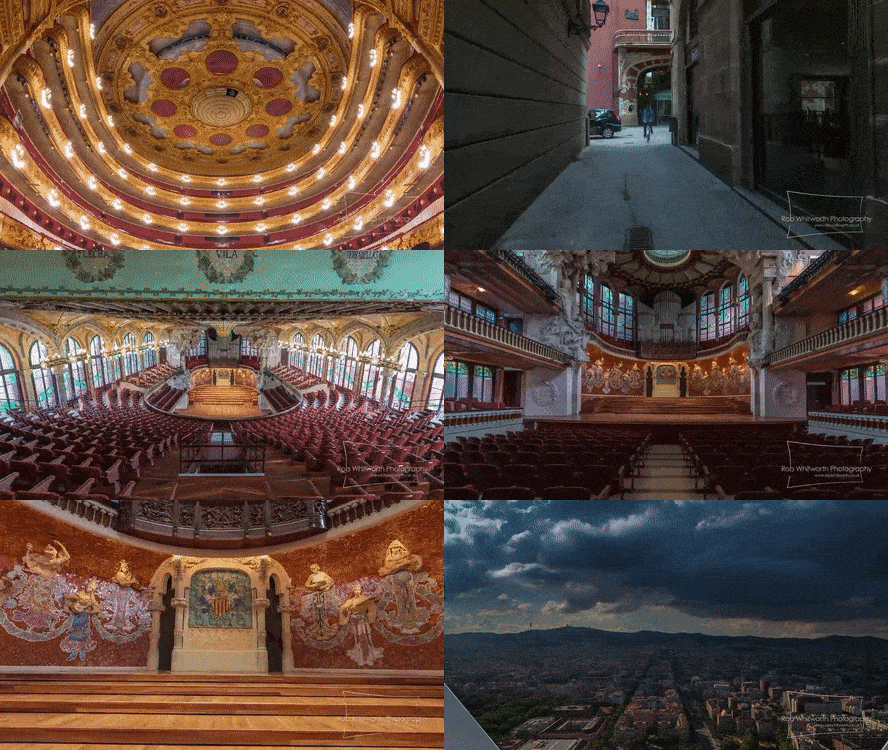
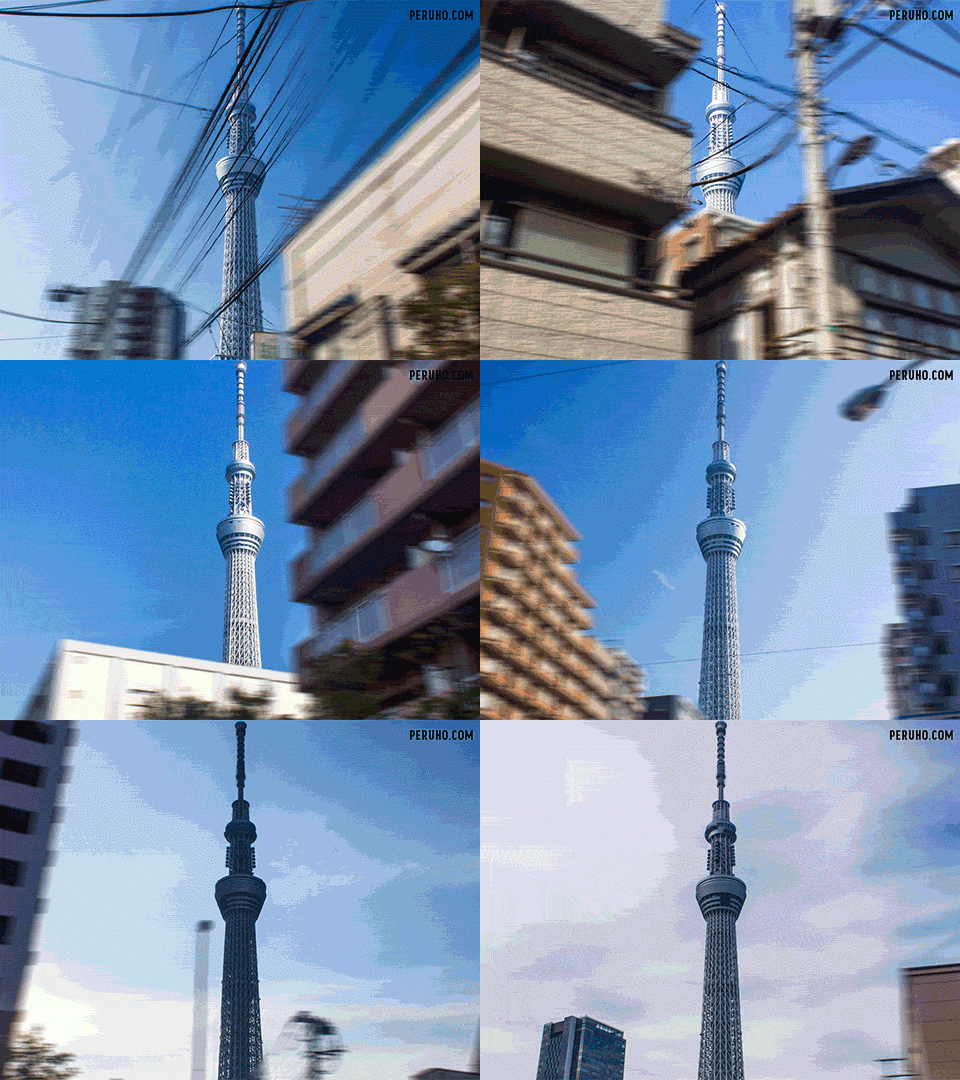


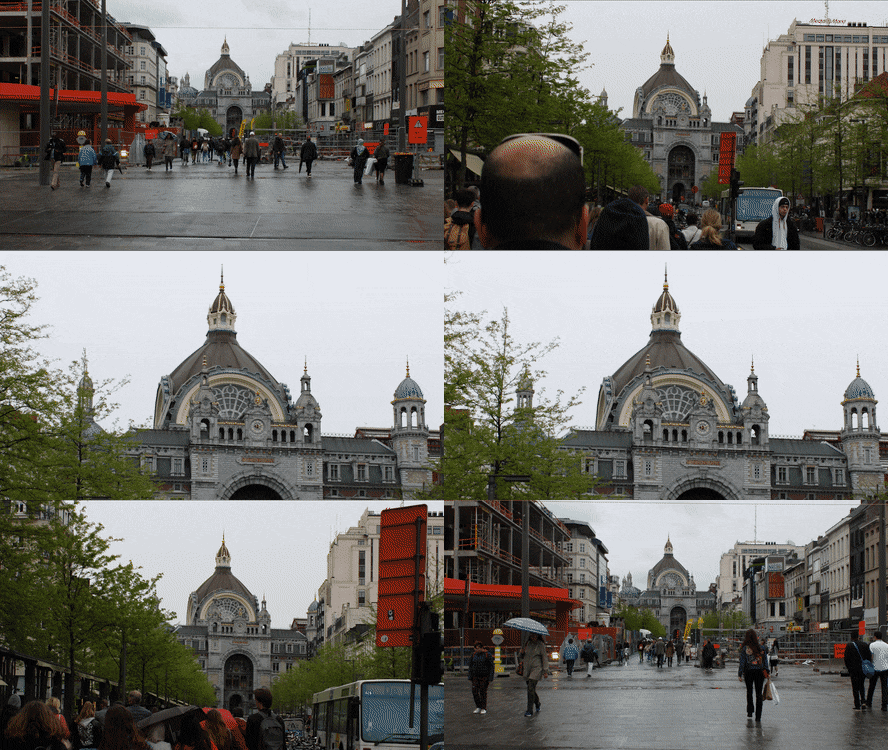
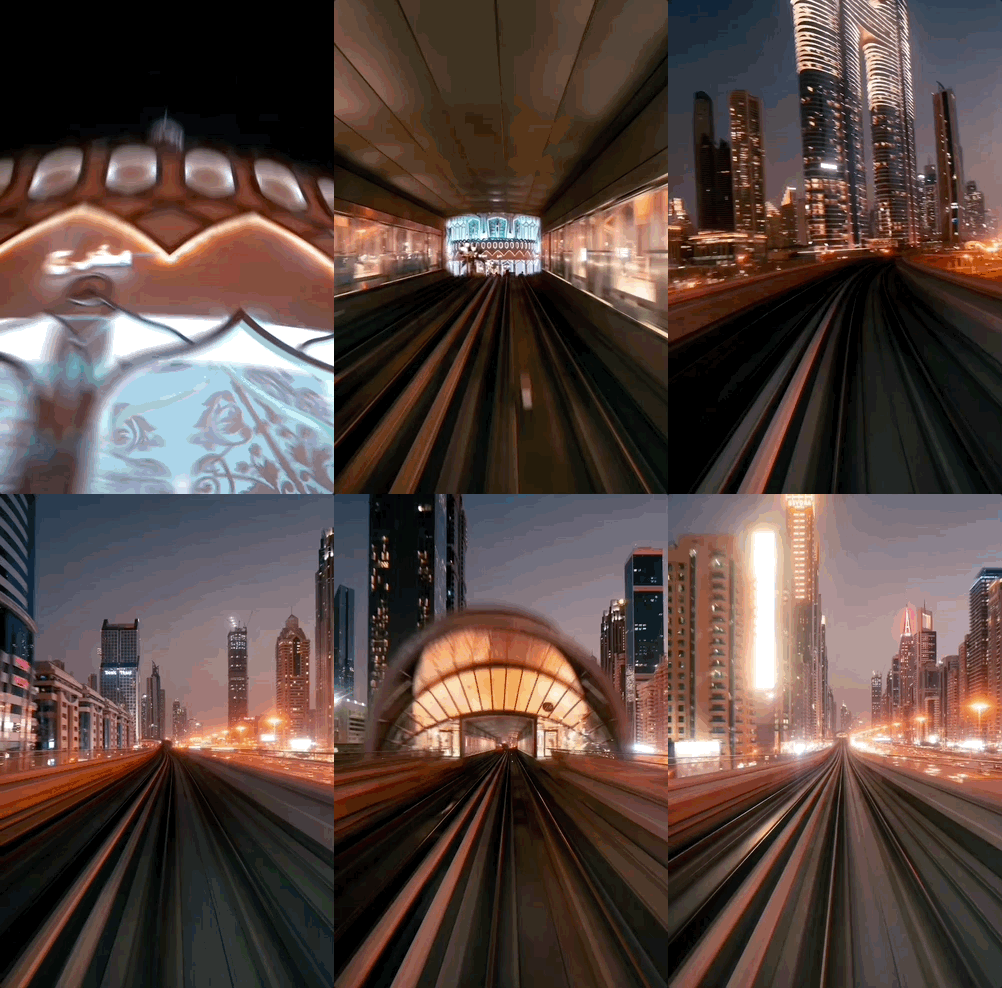
DIVE DEEPER
DIVE DEEPER
Dive Deeper
-
The origins of hyperlapse can be traced back to the technique of "motion control", which was developed in the 1980s by the visual effects industry. Motion control involved using a computer-controlled camera rig to capture multiple images of a scene from different angles and positions. The images could then be combined to create a fluid, seamless motion through the scene.
In the early 2000s, a filmmaker named Dan Eckert experimented with the technique and developed a simpler and more affordable way of creating motion-controlled time-lapse videos. His approach involved using a camera mounted on a motorized rail to capture a series of images while moving the camera between each shot. This technique allowed for a more dynamic and dramatic motion through the scene than traditional time-lapse videos.
The term "hyperlapse" was coined in 2012 by a filmmaker named Geoff Tompkinson, who used the technique in his video "Alone in Paris". The video went viral and helped popularize hyperlapse as a new and innovative technique in the world of photography and videography.
Since then, hyperlapse has become increasingly popular and has been used in a wide range of applications, including in commercials, music videos, and feature films. With the help of technology advancements such as motorized gimbals and software stabilization, hyperlapse has become more accessible and easier to create, leading to even more creative uses of the technique.
-
Many photographers and filmmakers have used hyperlapse as a technique to create stunning visual effects in their work. Here are a few artists who have incorporated hyperlapse in their films:
Rob Whitworth: Rob Whitworth is a British filmmaker and photographer who is known for his hyperlapse videos. His works include "Dubai Flow Motion," "Shanghai Tower," and "Barcelona Go!".
Kirill Neiezhmakov: Kirill Neiezhmakov is a Ukrainian photographer and filmmaker who has created hyperlapse videos of various cities around the world. His works include "Singapore Hyperlapse," "Hong Kong Hyperlapse," and "Night Hyperlapse of Kiev."
Michael Shainblum: Michael Shainblum is a photographer and filmmaker based in San Francisco who has created hyperlapse videos of landscapes and cityscapes. His works include "Mirror City," "Symphony of Light," and "Nightfall New Zealand."
Sam Kolder: Sam Kolder is a Canadian filmmaker and photographer who has used hyperlapse in his travel videos. His works include "My Year 2016," "Bali - A Cinematic Short Film," and "Philippines - A Cinematic Travelogue."
Geoff Tompkinson: Geoff Tompkinson is a British photographer and filmmaker who is credited with coining the term "hyperlapse." His works include "Alone in Paris," "Patagonia Time Lapse," and "A Day in New York City."
-
Hyperlapse and timelapse are both techniques used in photography and videography to create time-lapse videos, but they differ in how they are created and the final result they produce.
Timelapse is a technique that involves capturing a series of still images at regular intervals over a period of time, which are then played back at a faster rate than they were captured, creating the illusion of time moving quickly. The final video shows the passage of time, but the camera is usually stationary, or moves very slowly, over the course of the shoot.
Hyperlapse, on the other hand, involves moving the camera during the shoot, covering a larger distance and creating a more dramatic effect. The technique involves capturing a series of still images at different locations, with the camera moving between each location, and then combining them into a video that shows a rapid motion through the scene. Hyperlapse videos can be created using a variety of methods, including by physically moving the camera, using a motorized slider or gimbal, or by using software to stabilize the footage and create the motion effect.