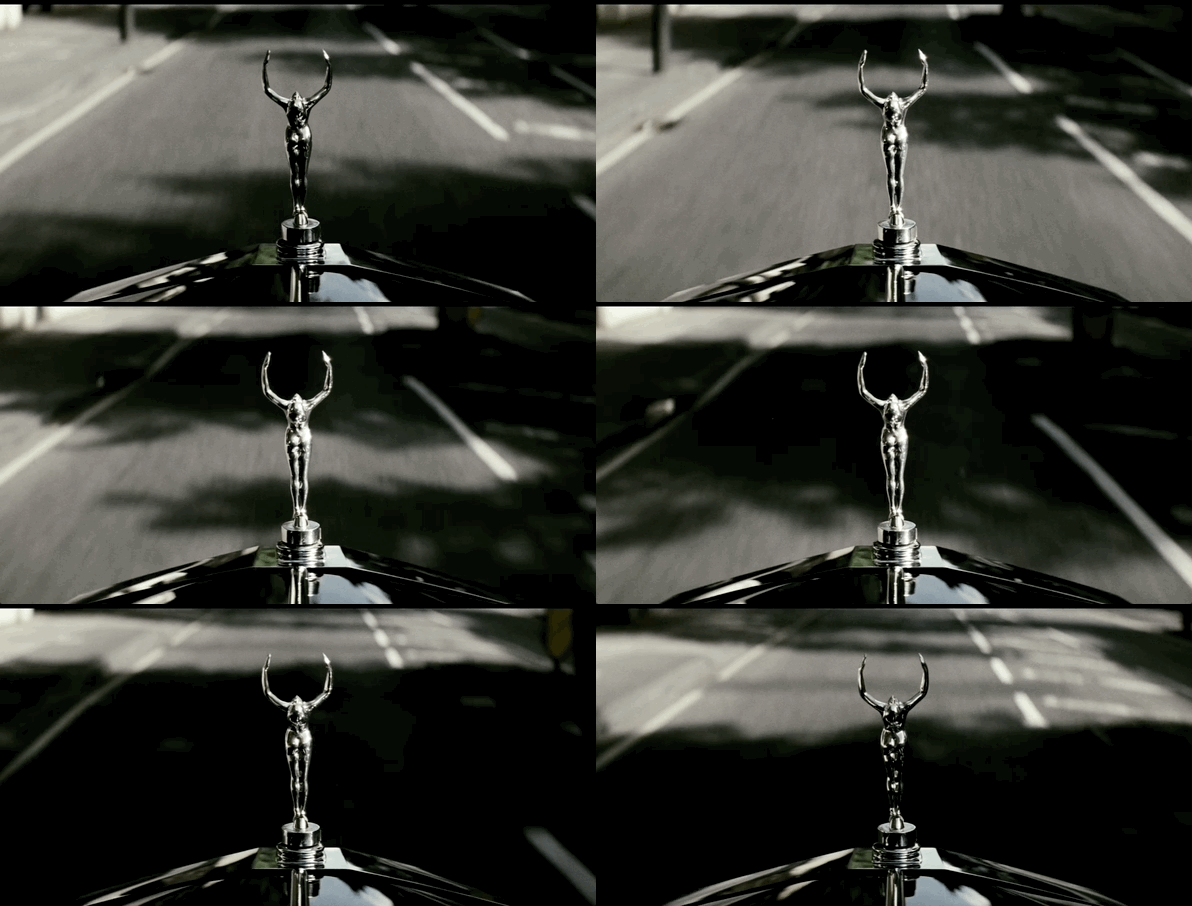
FIXED CAMERA
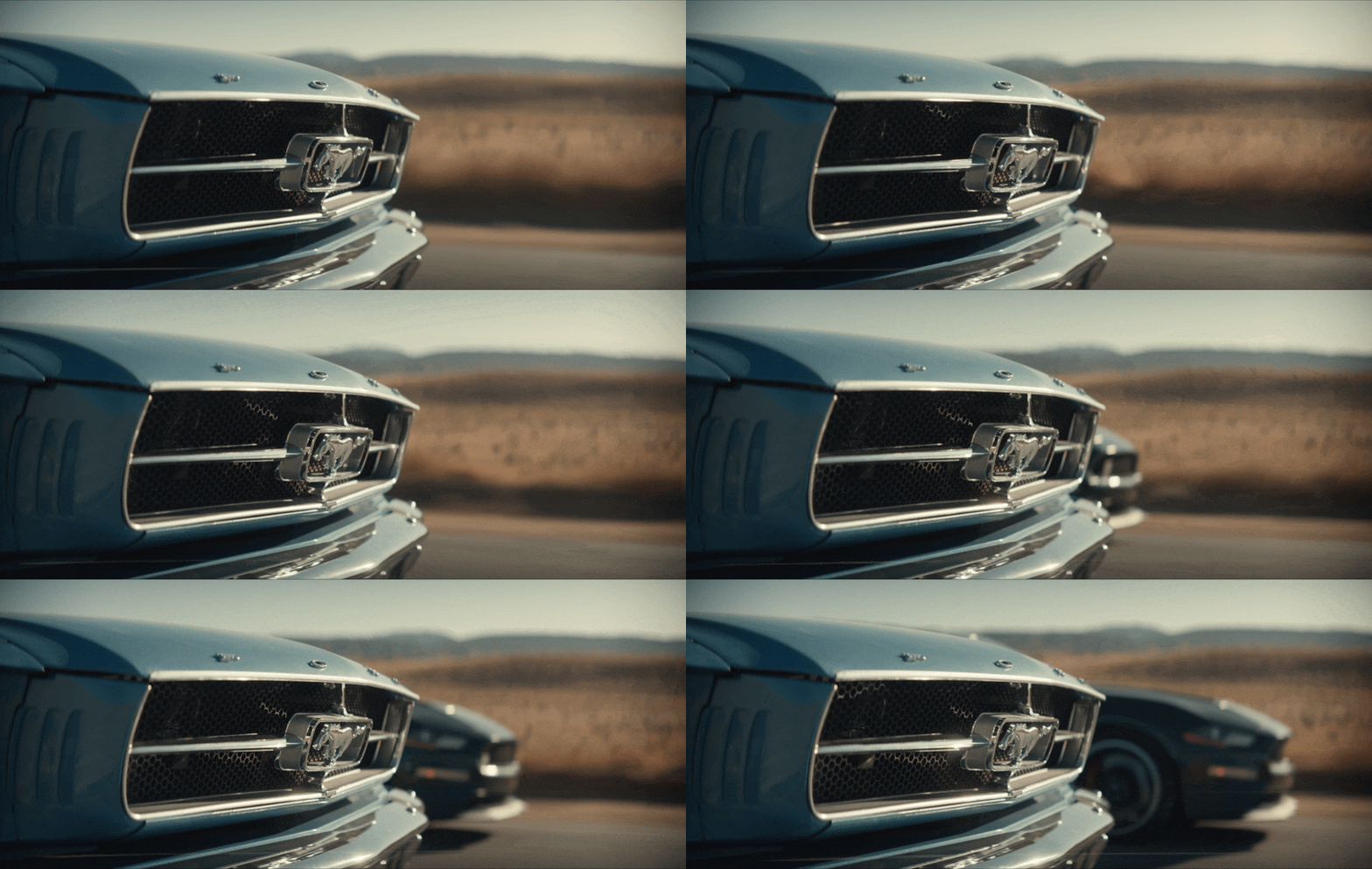
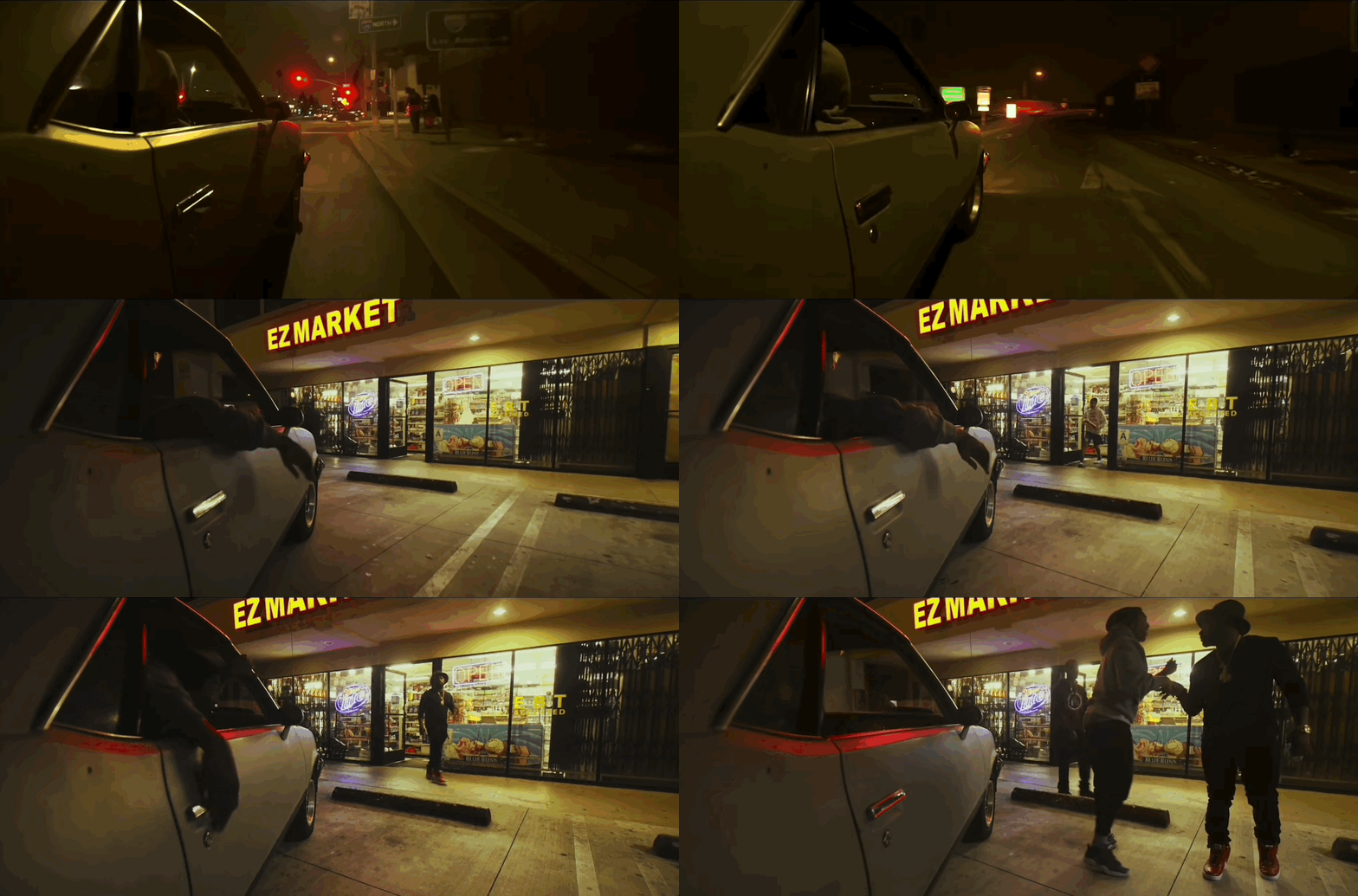
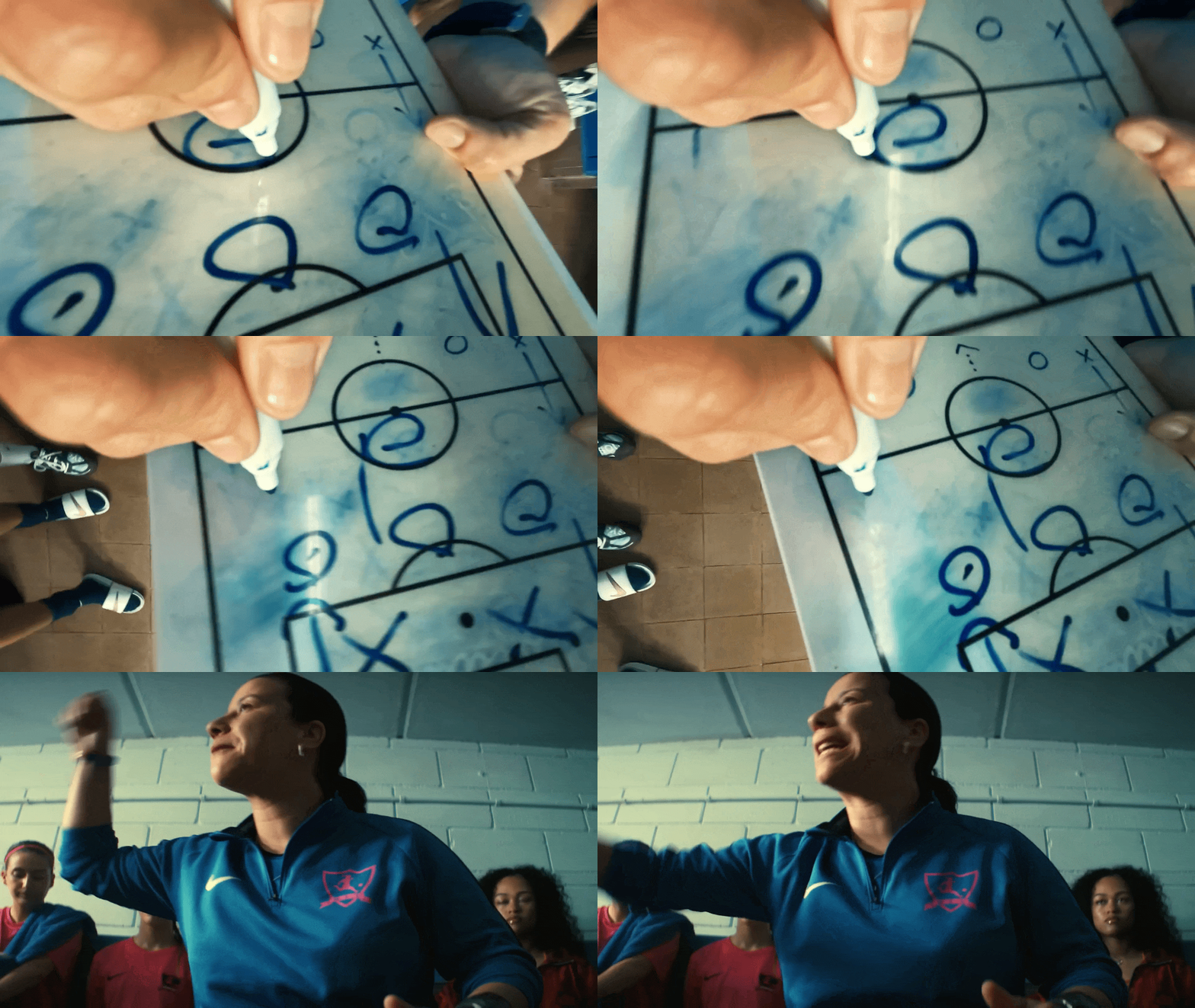
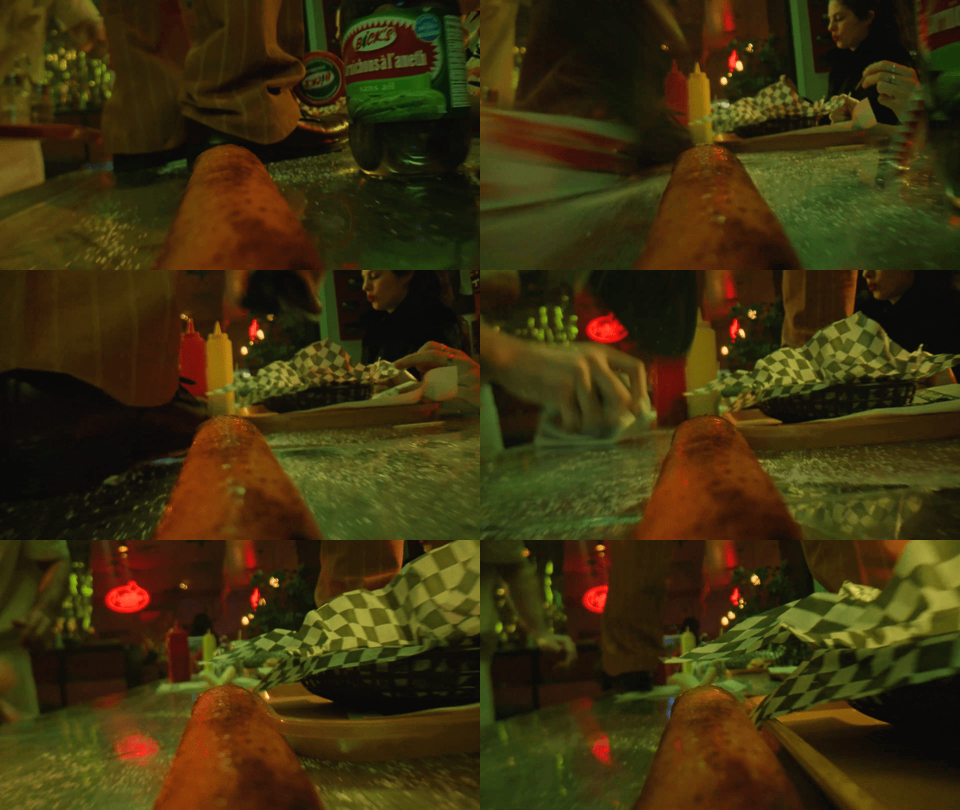
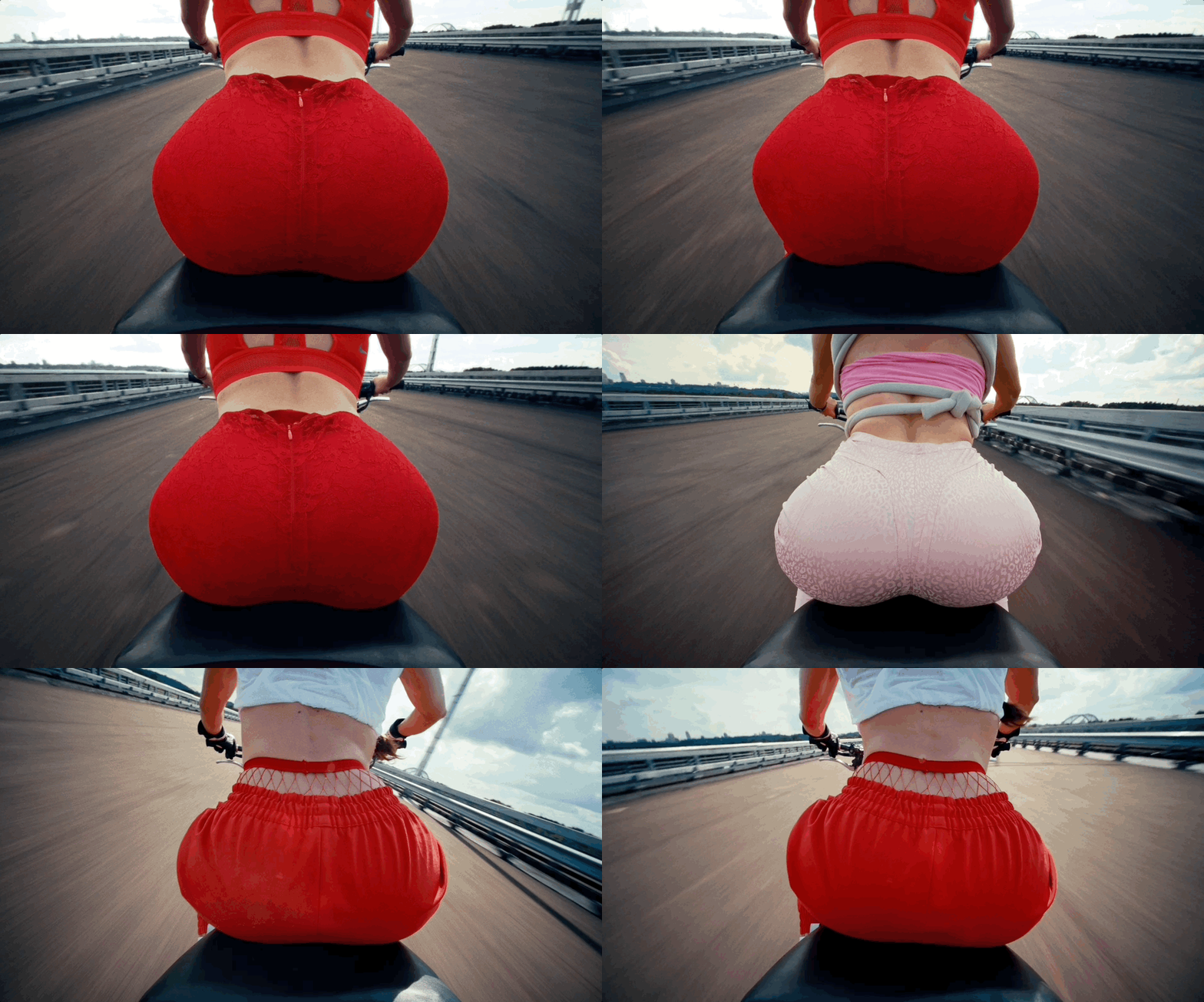
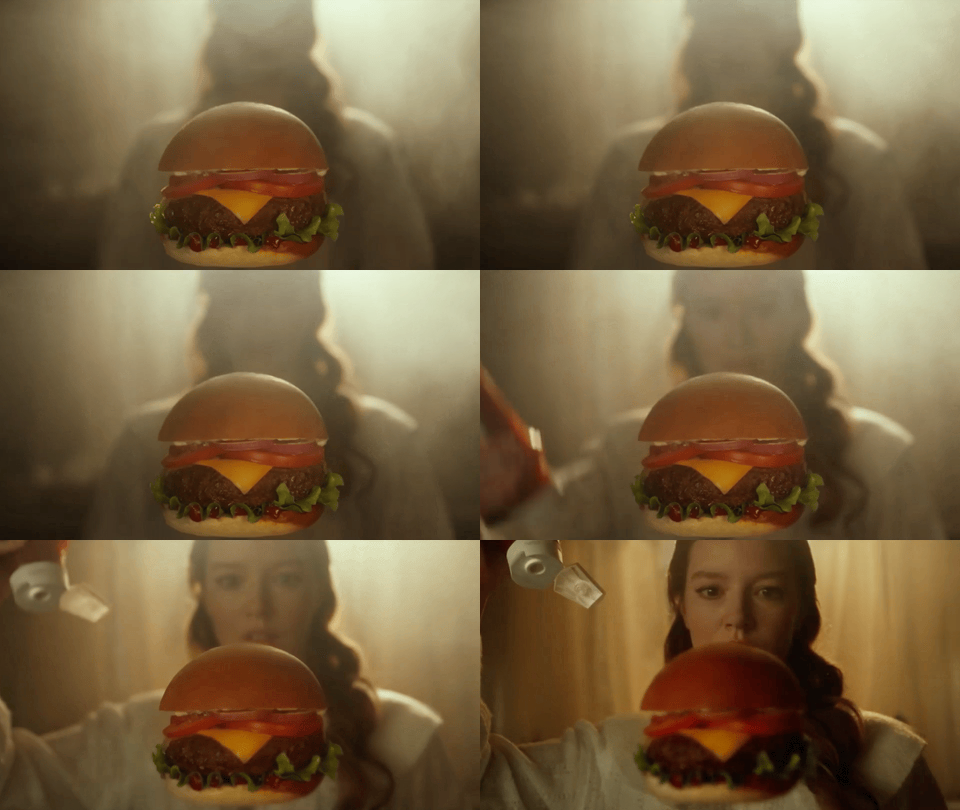
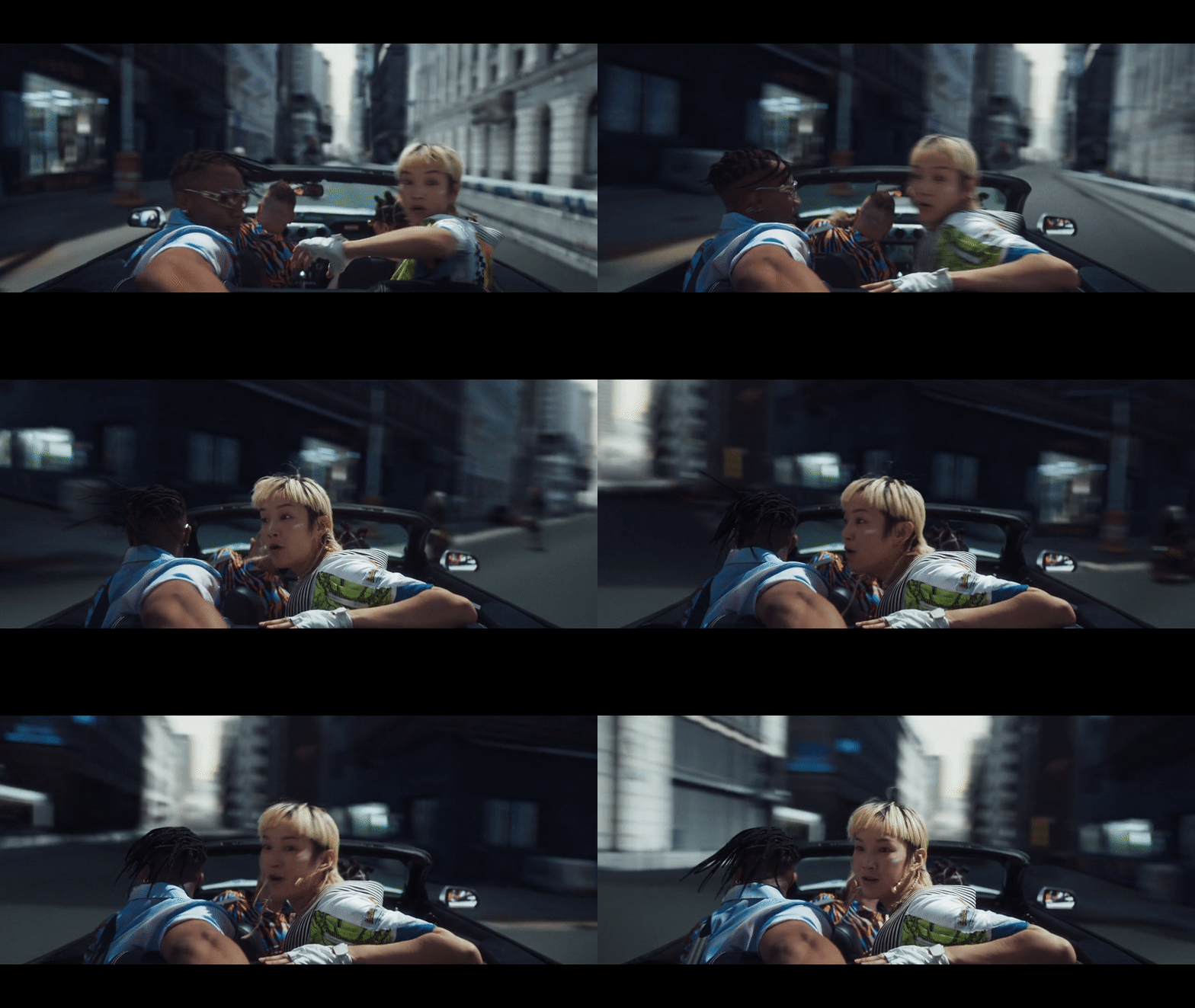
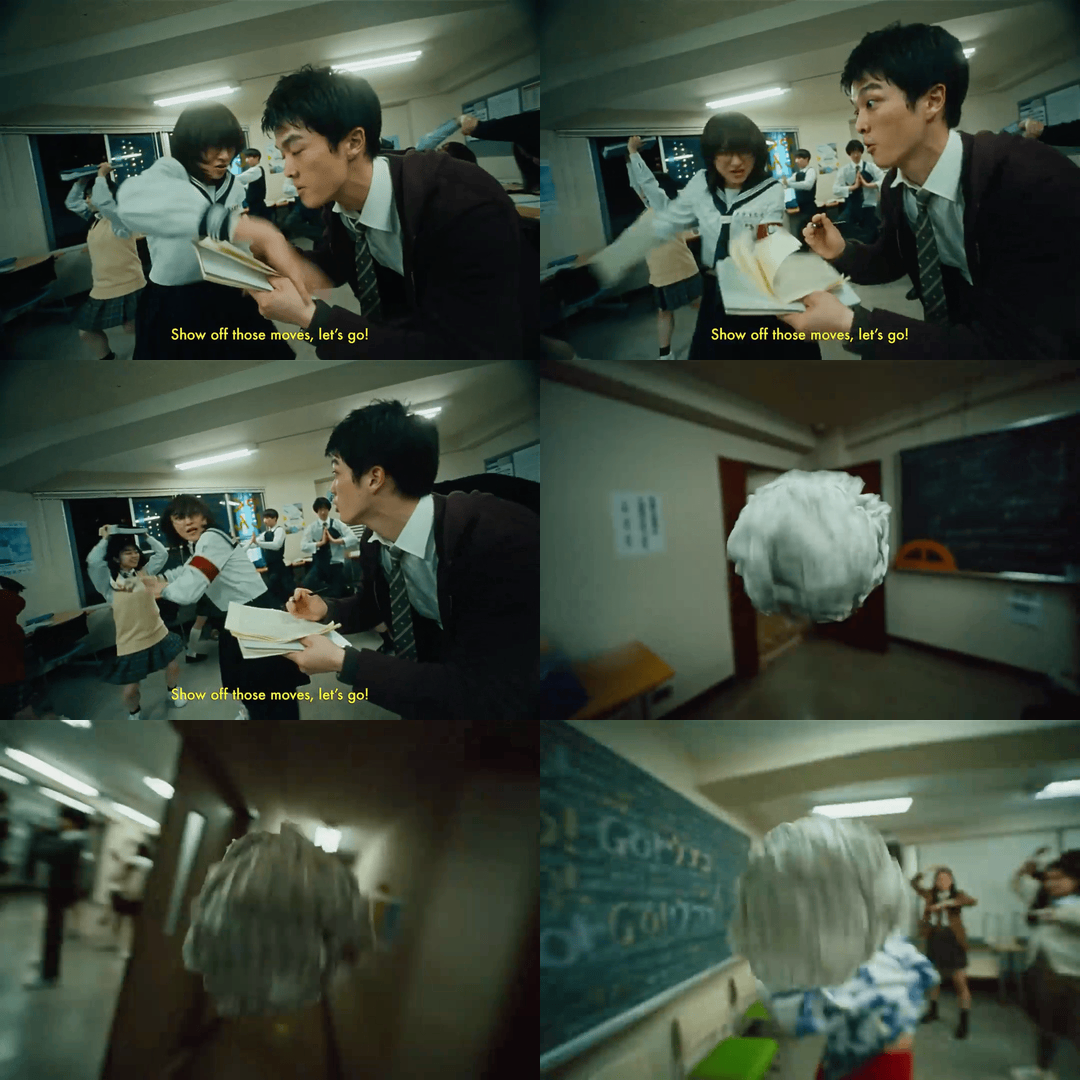
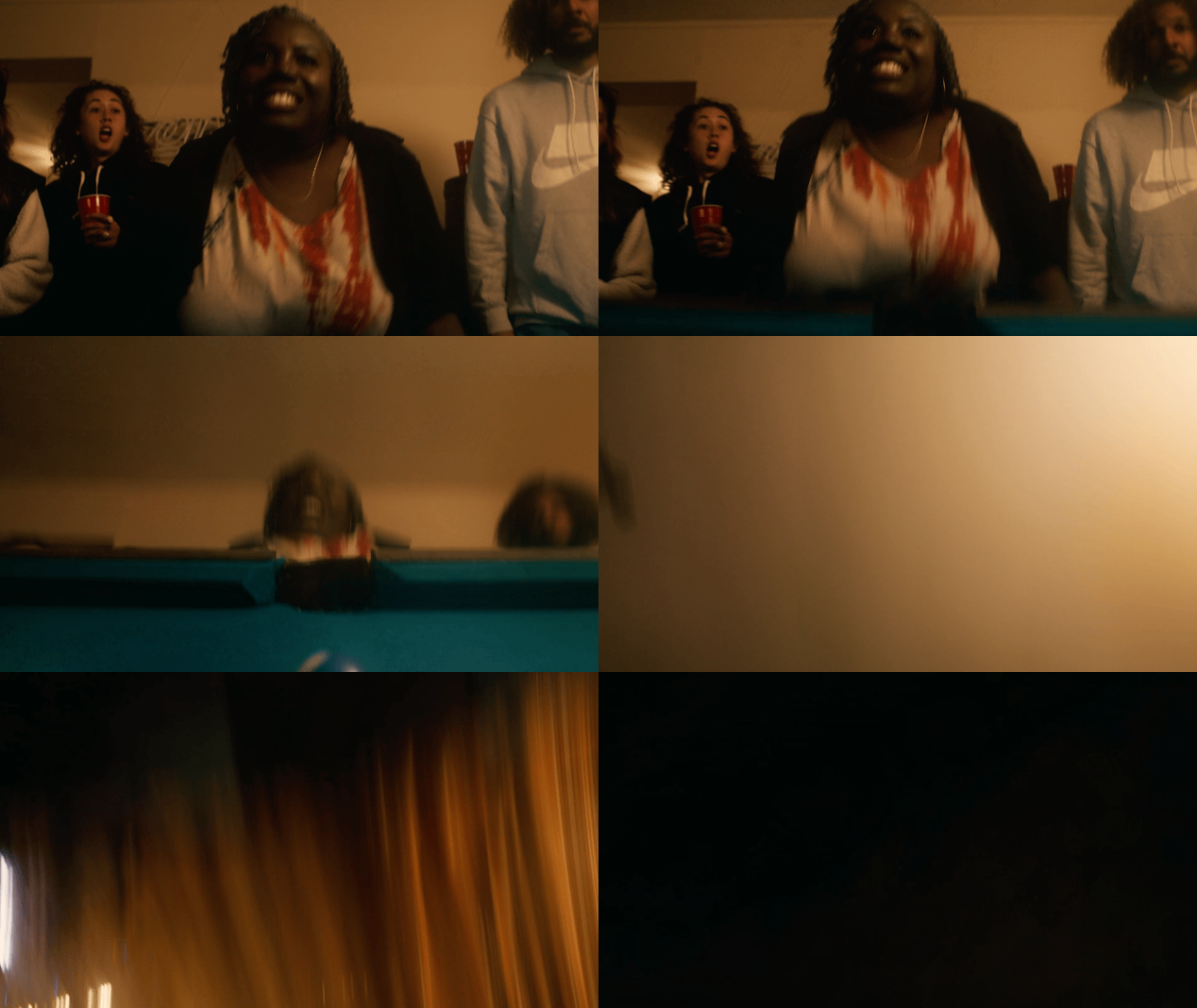
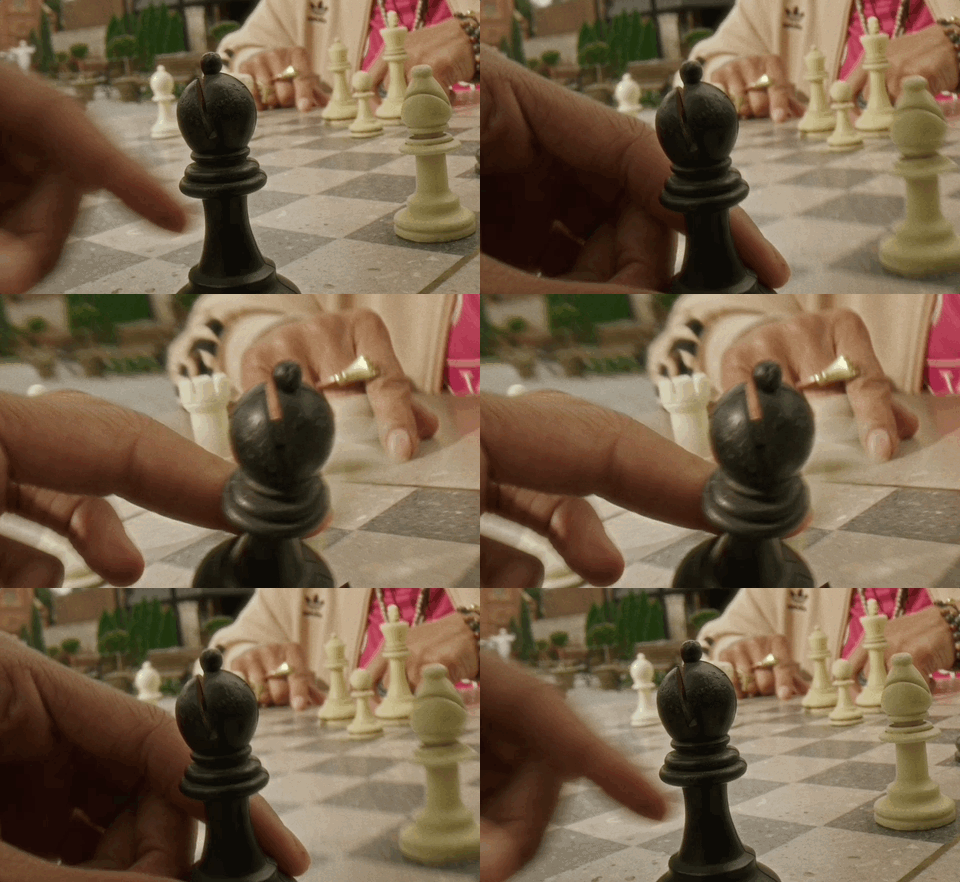
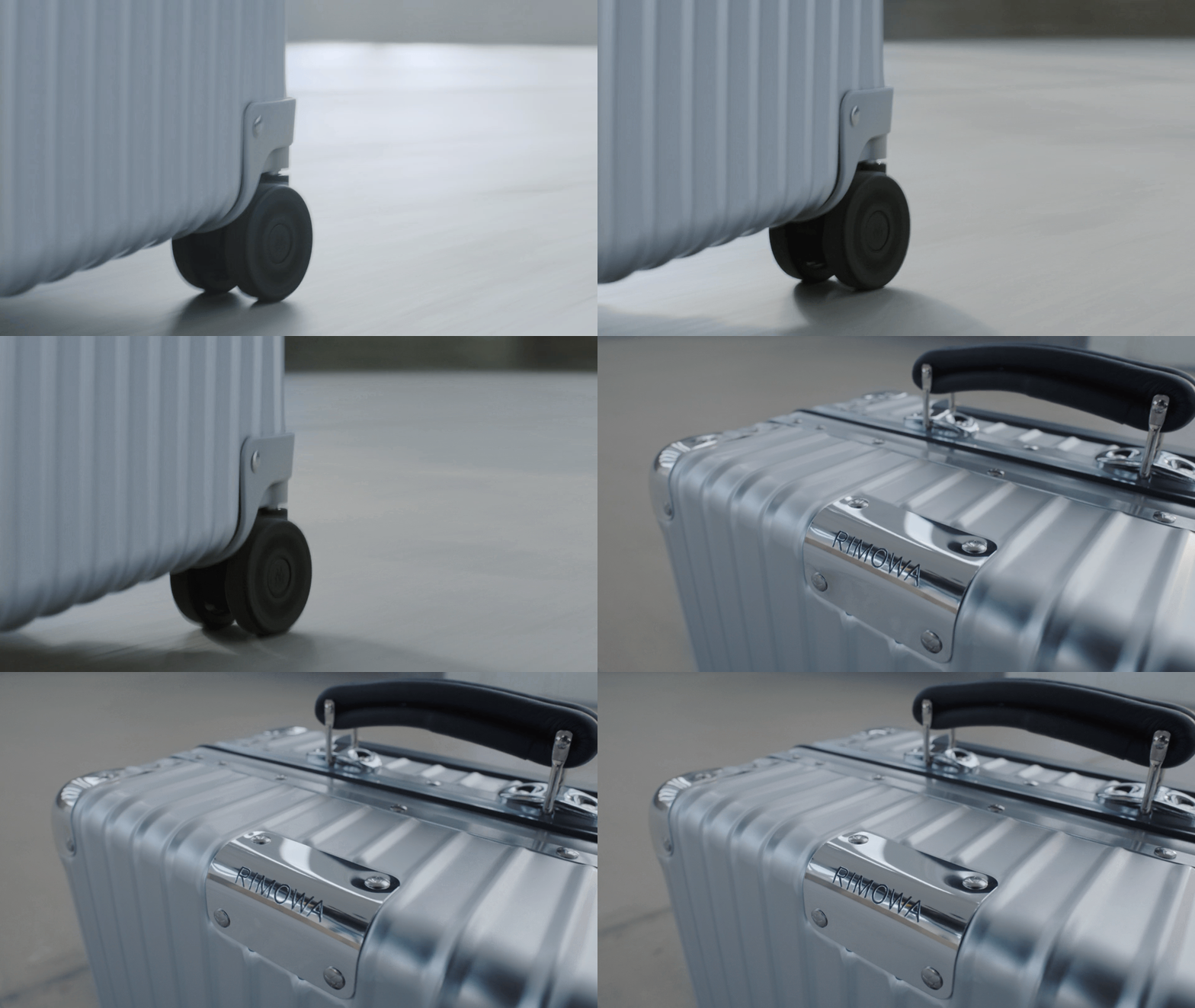
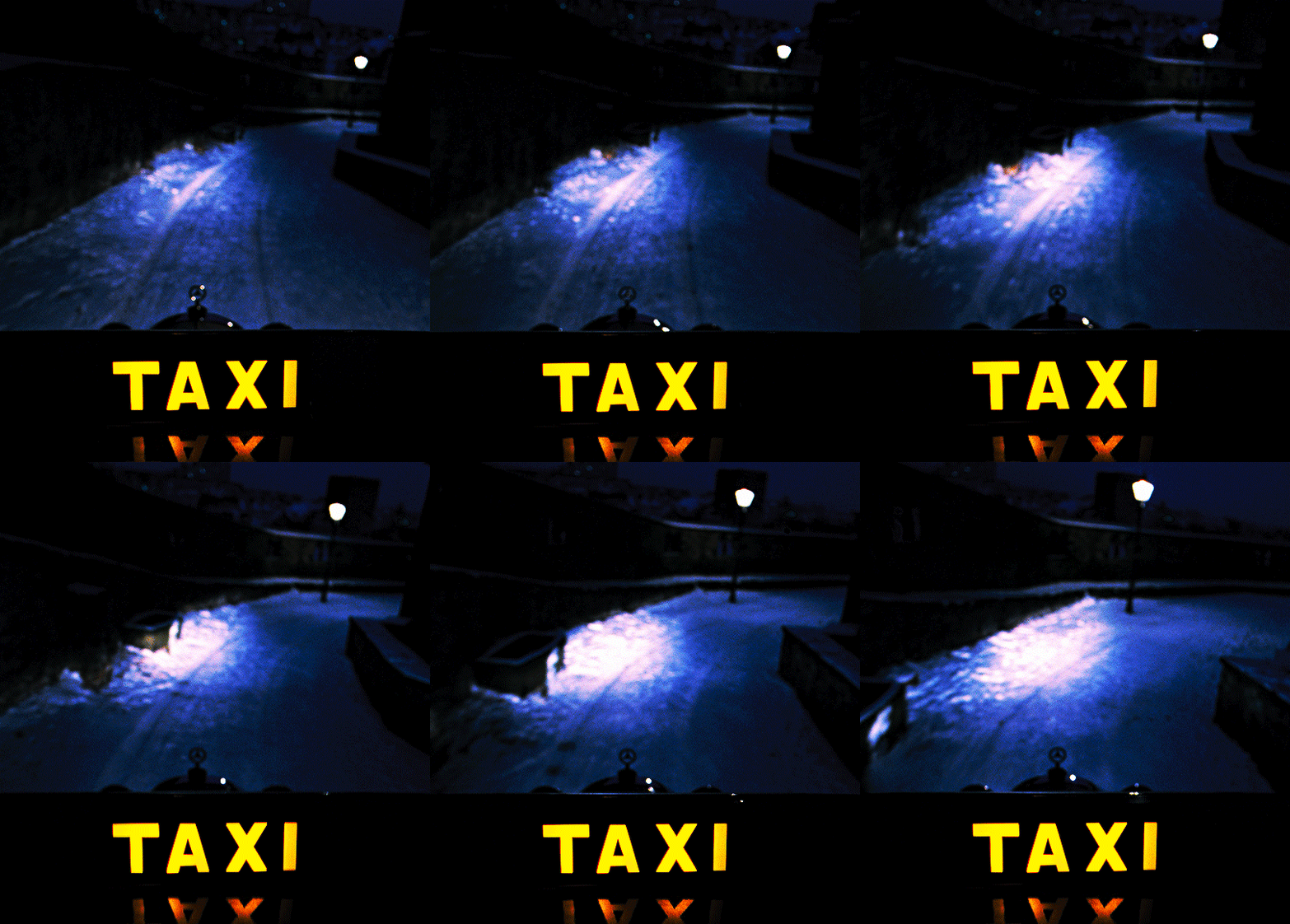
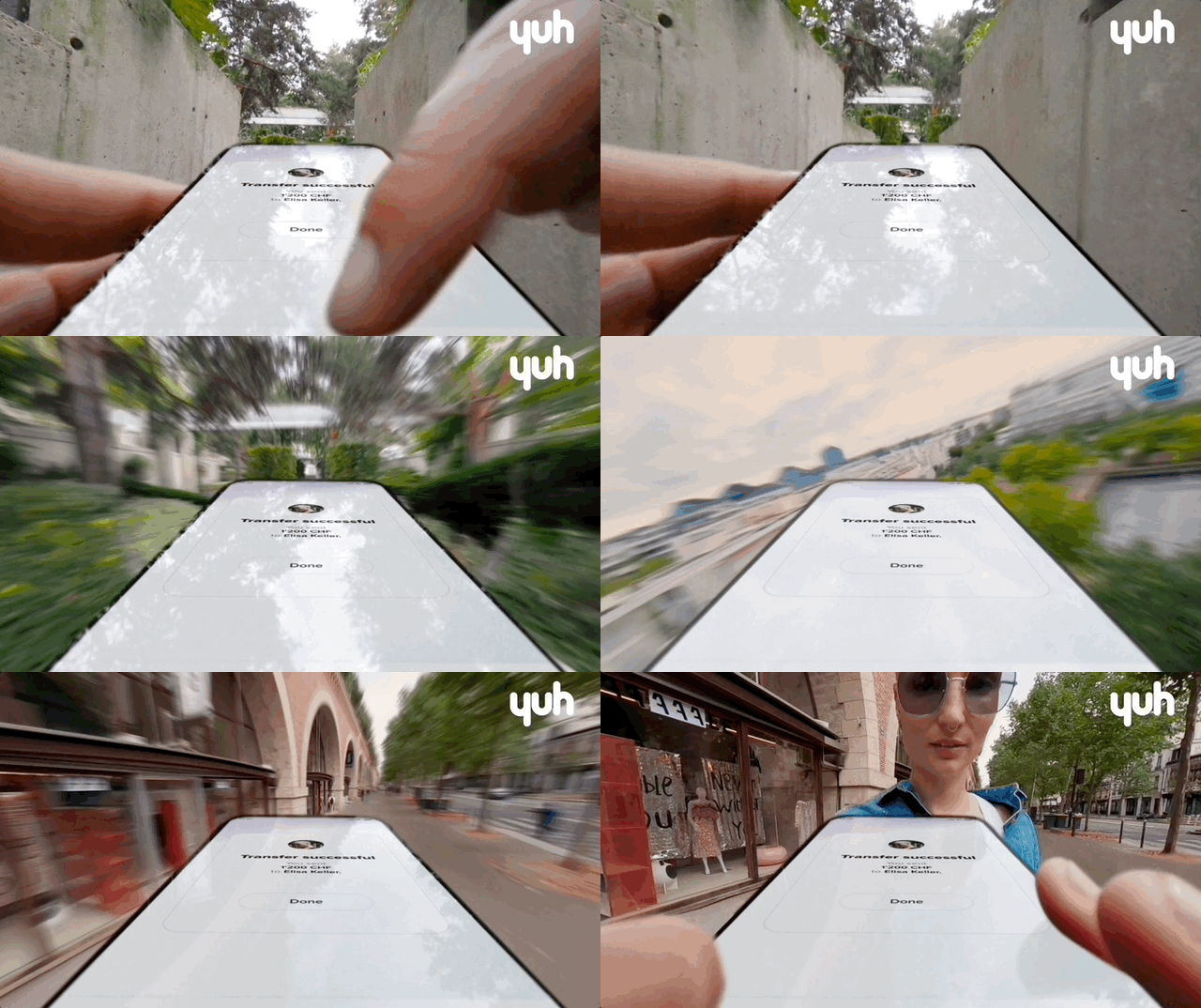
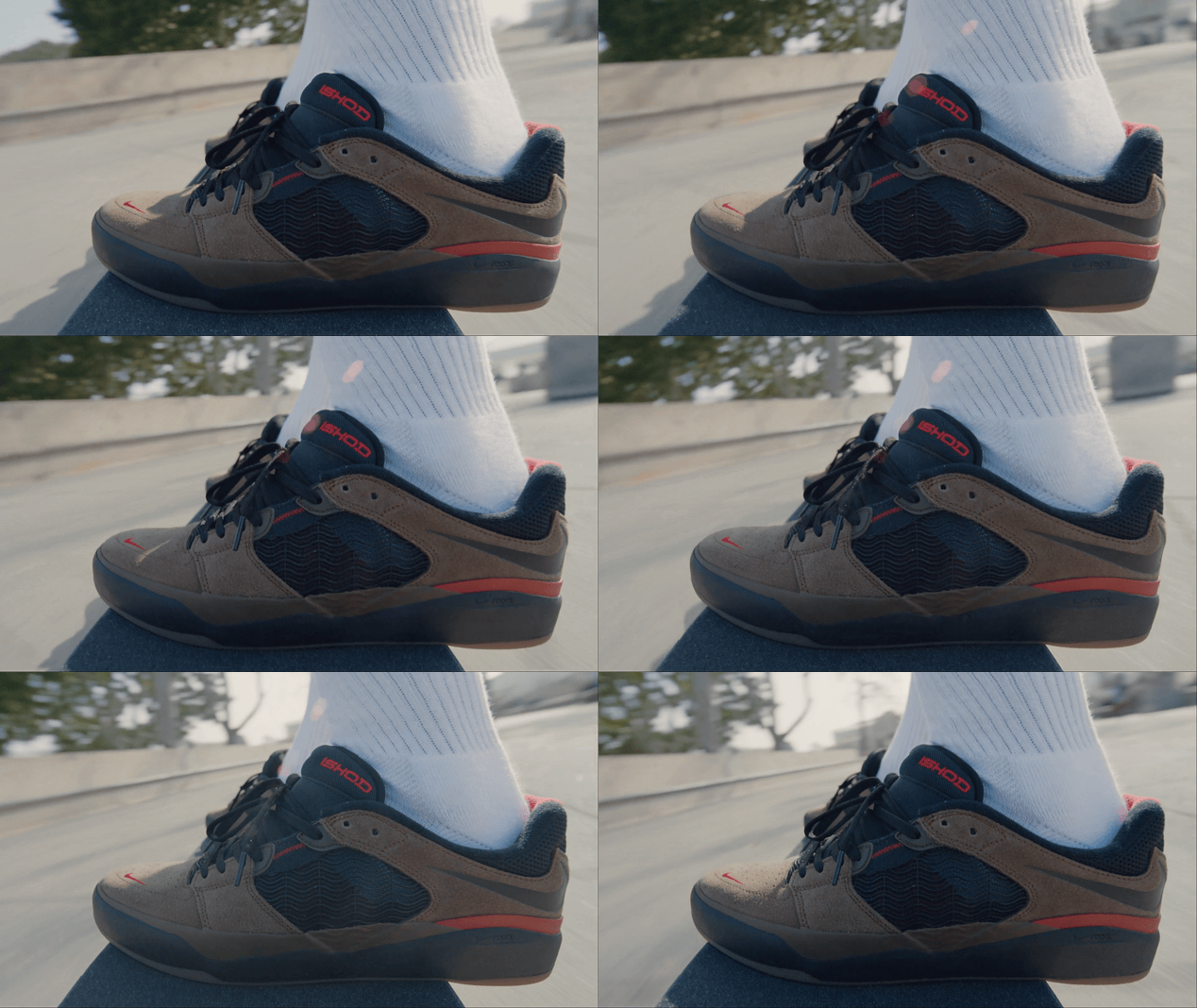
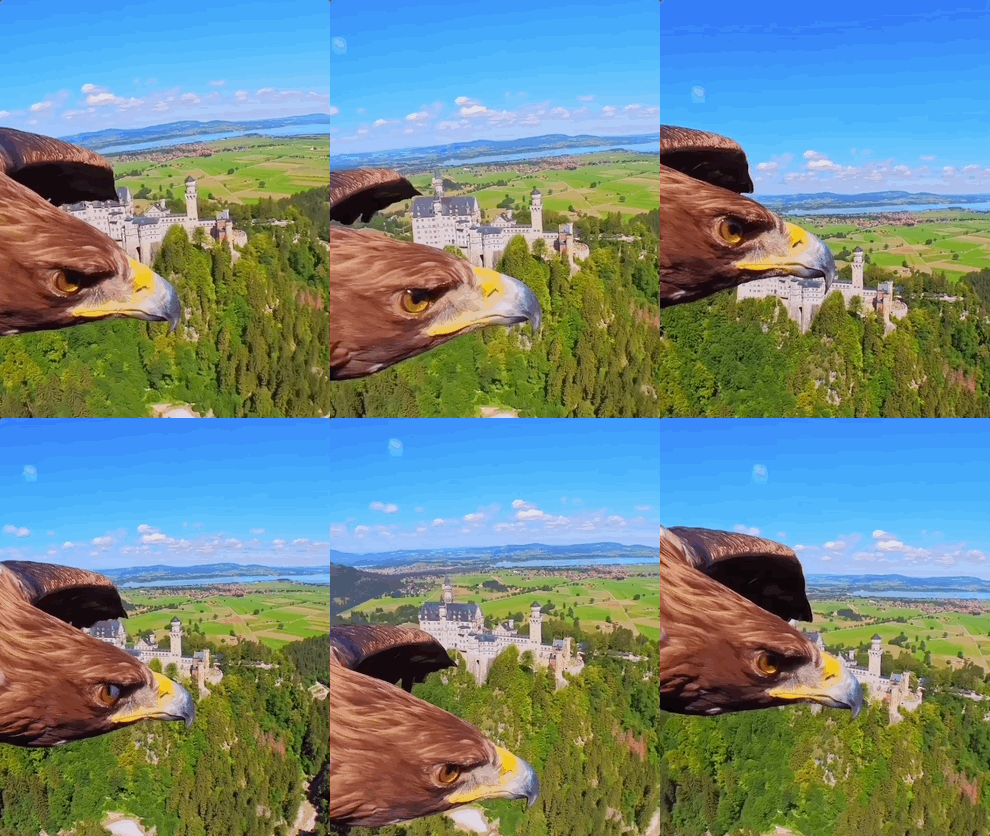
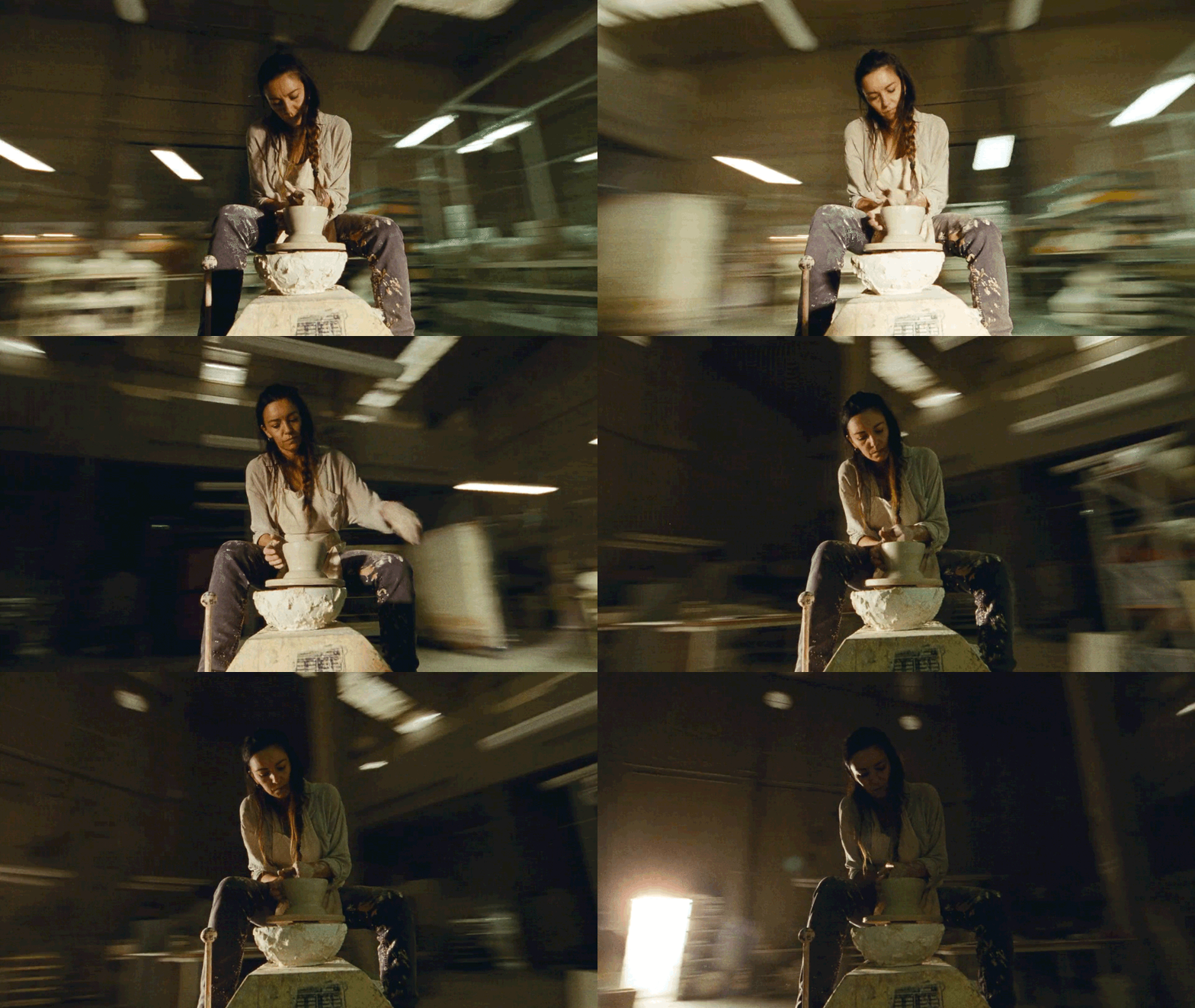
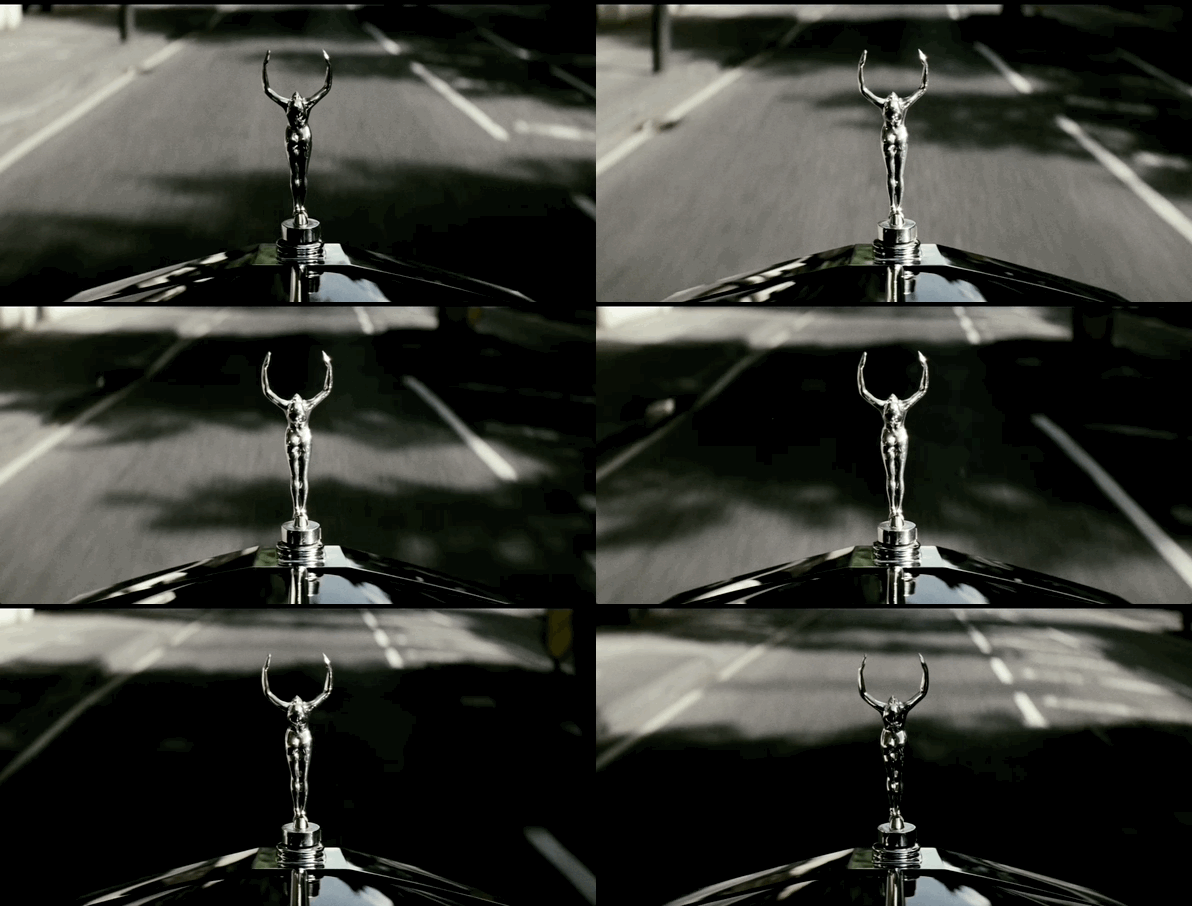
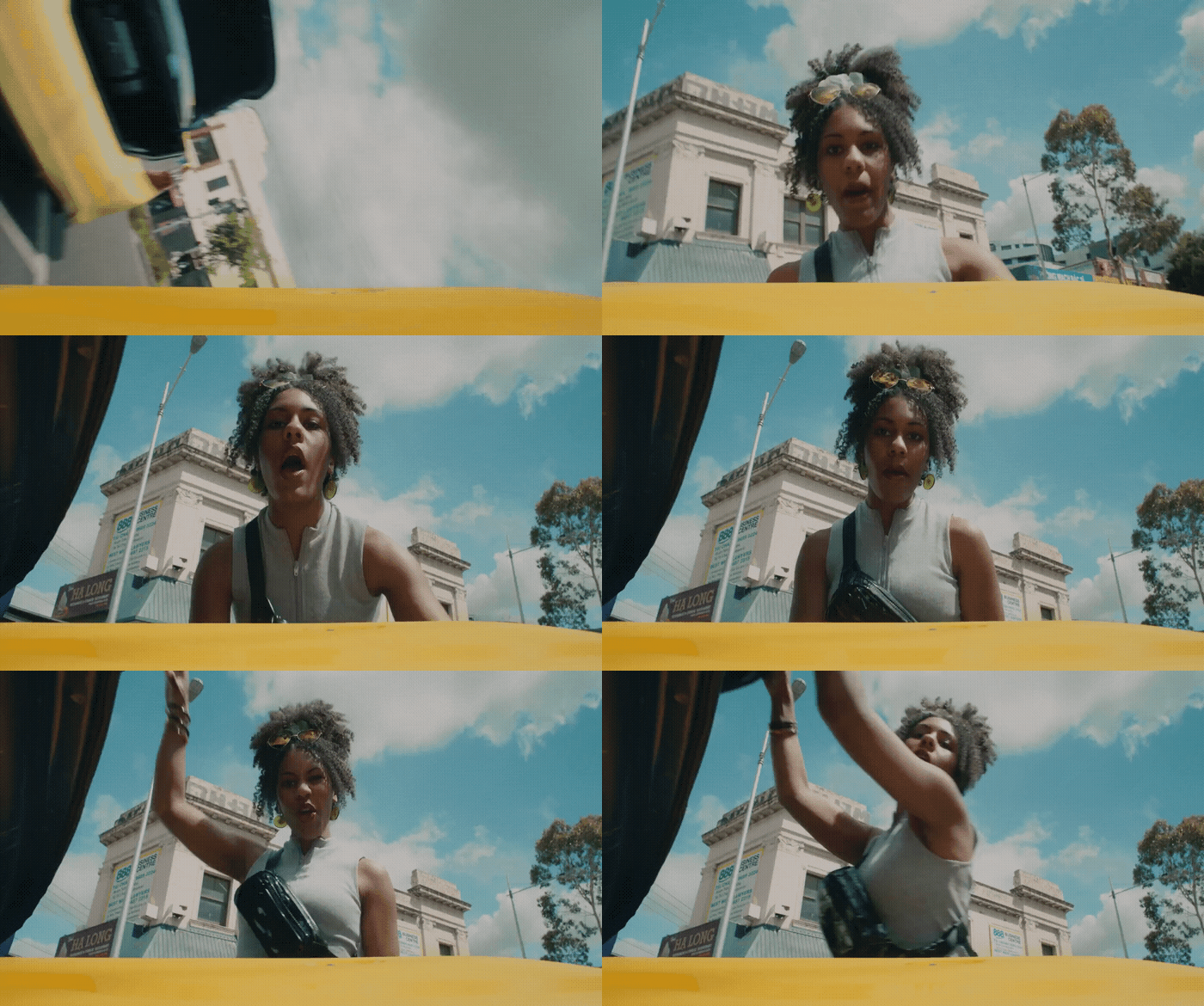
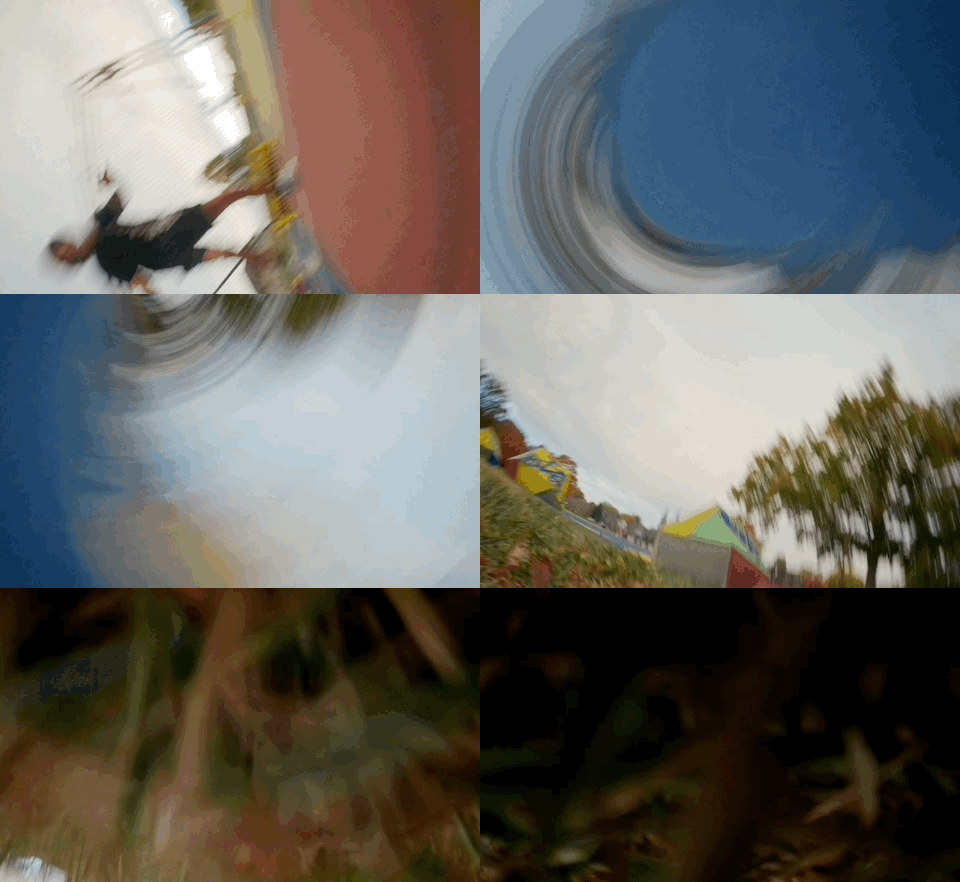
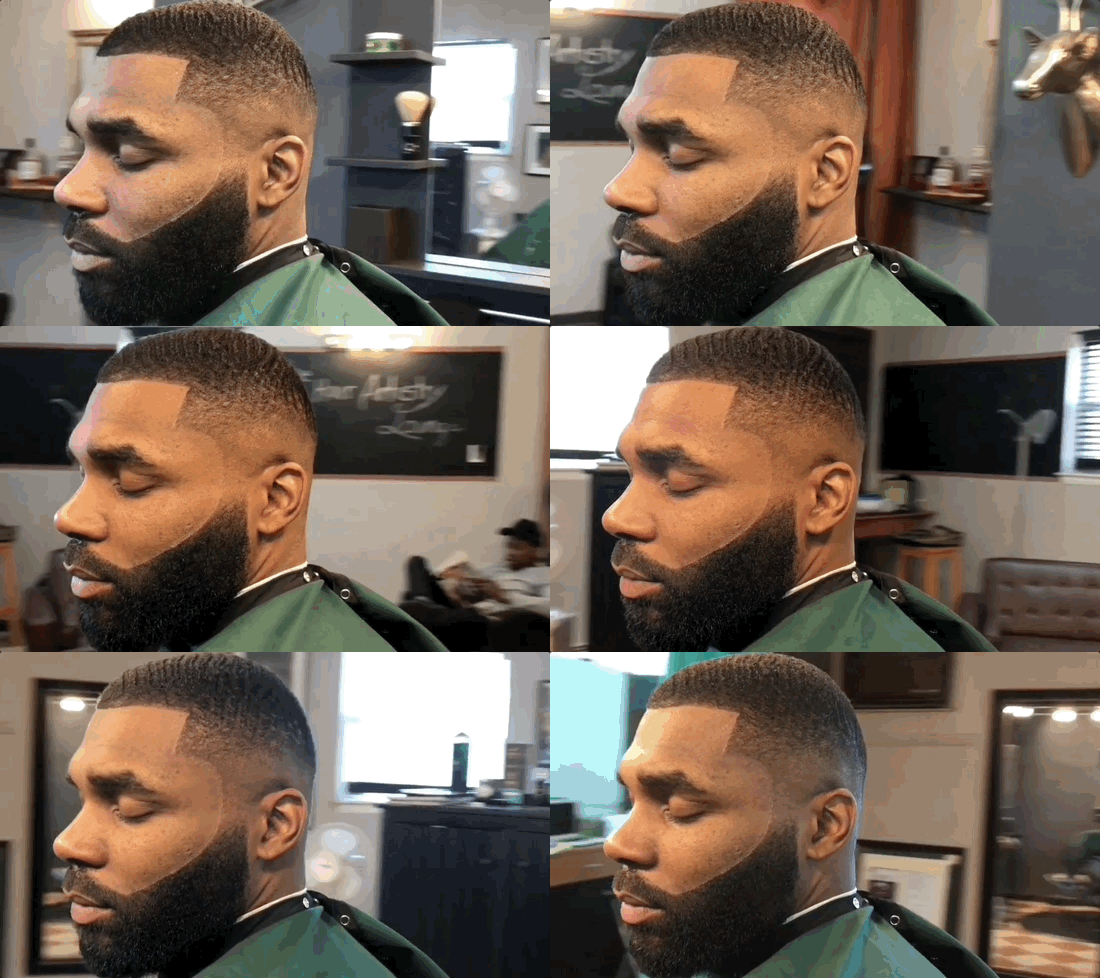
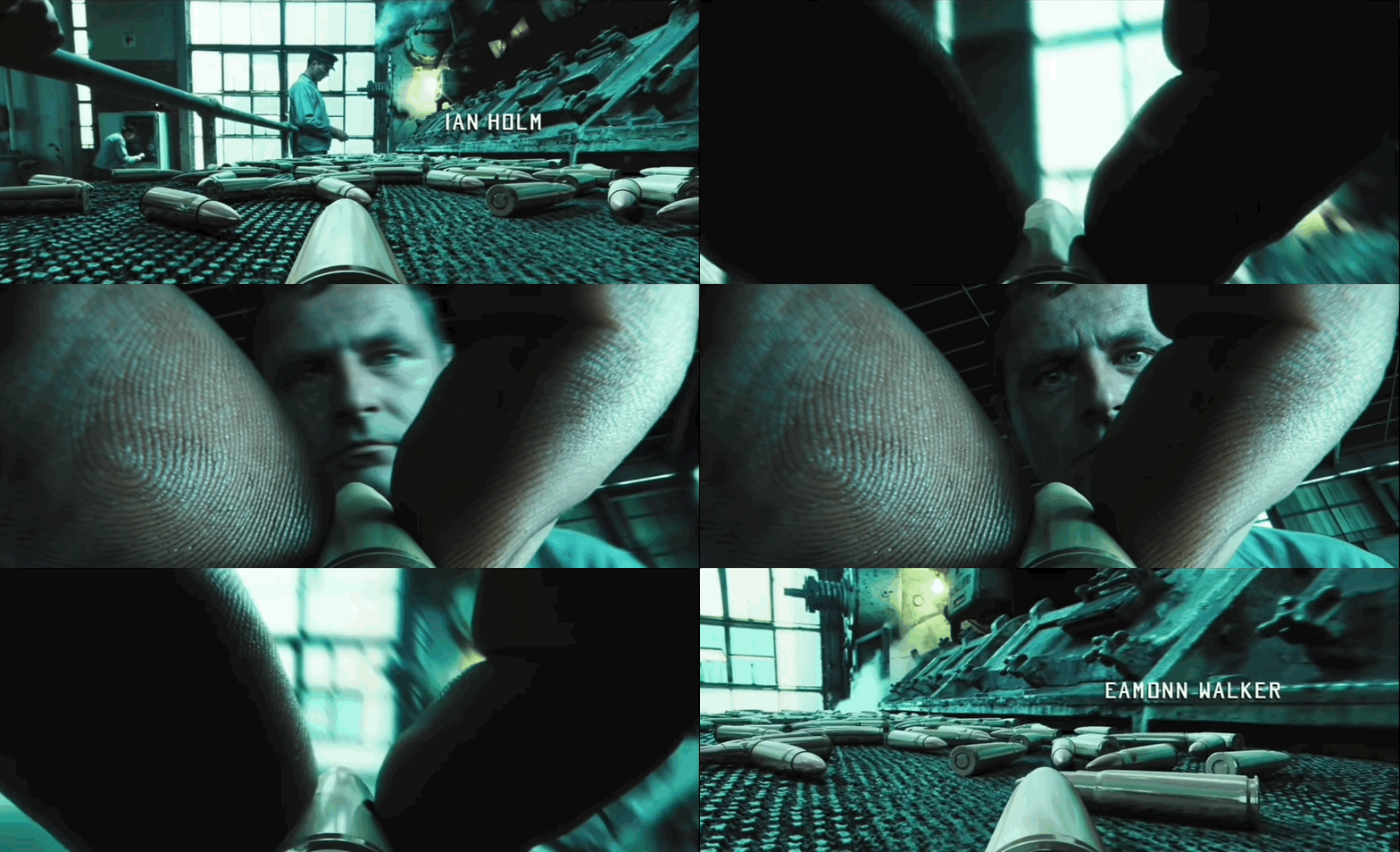
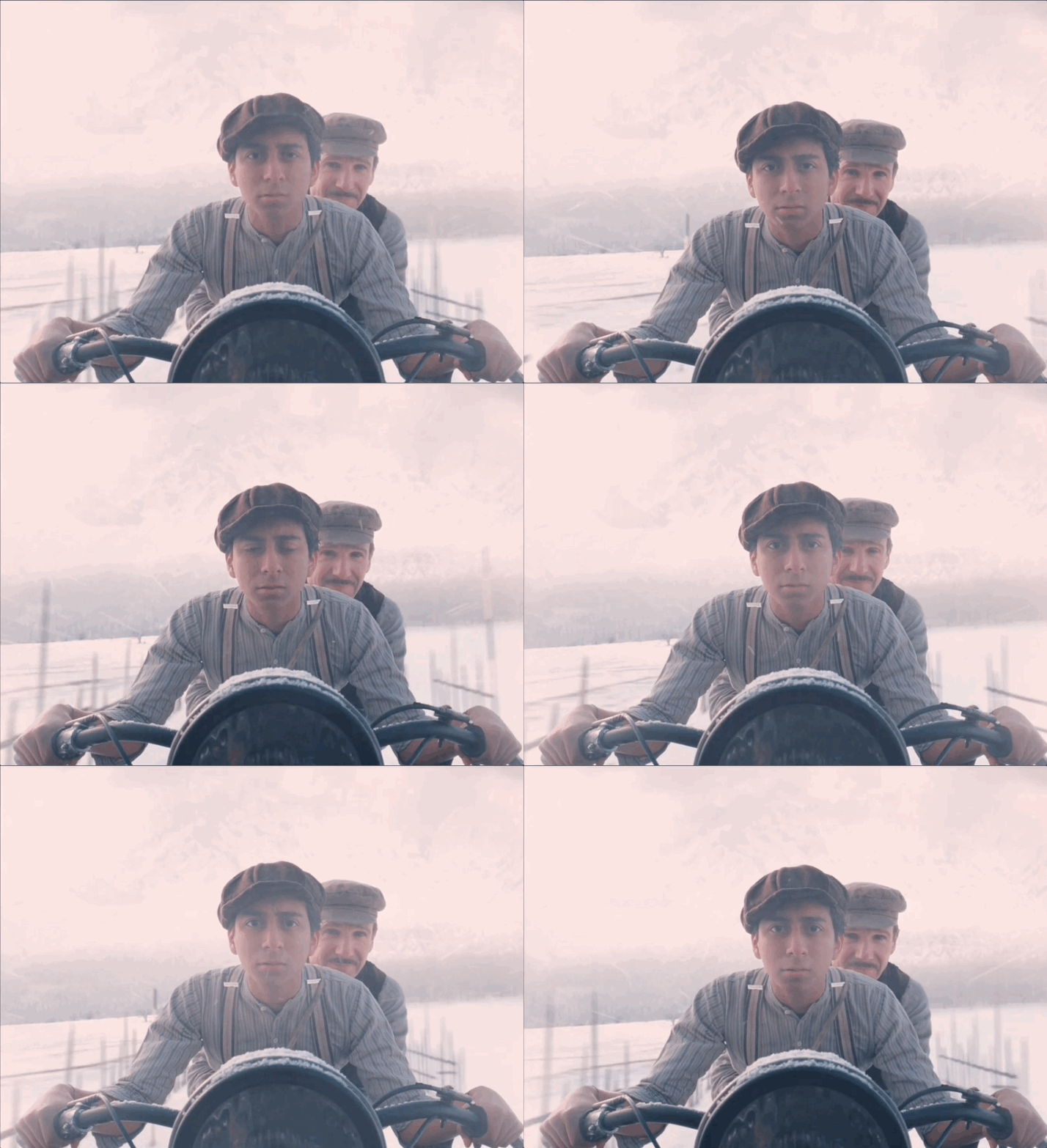
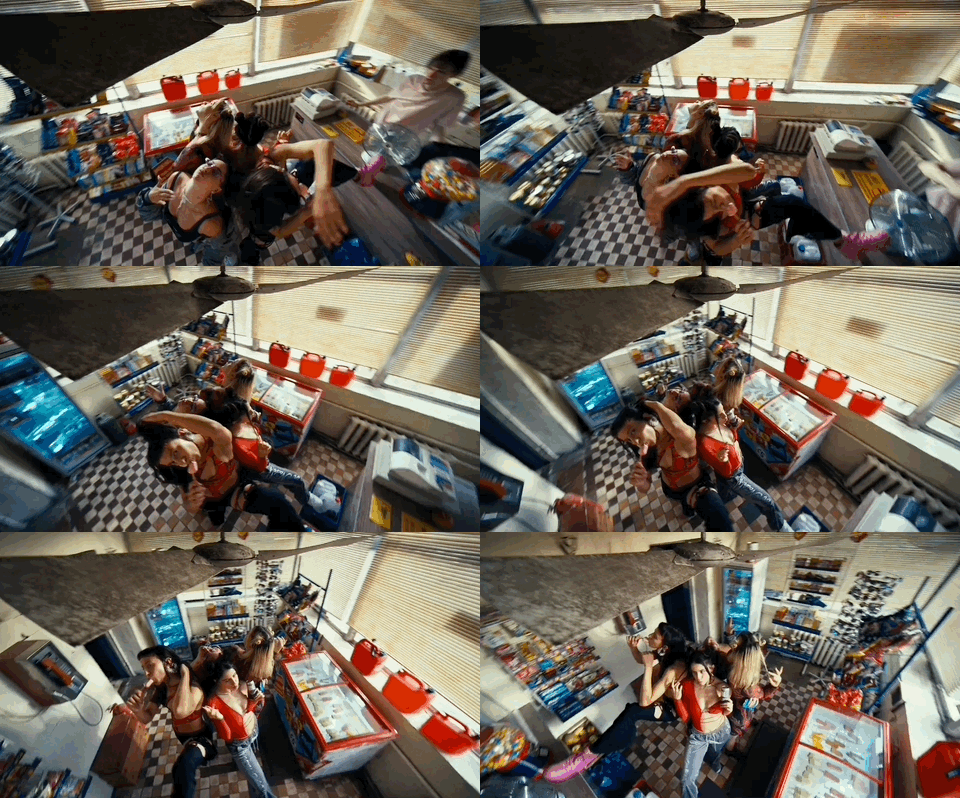
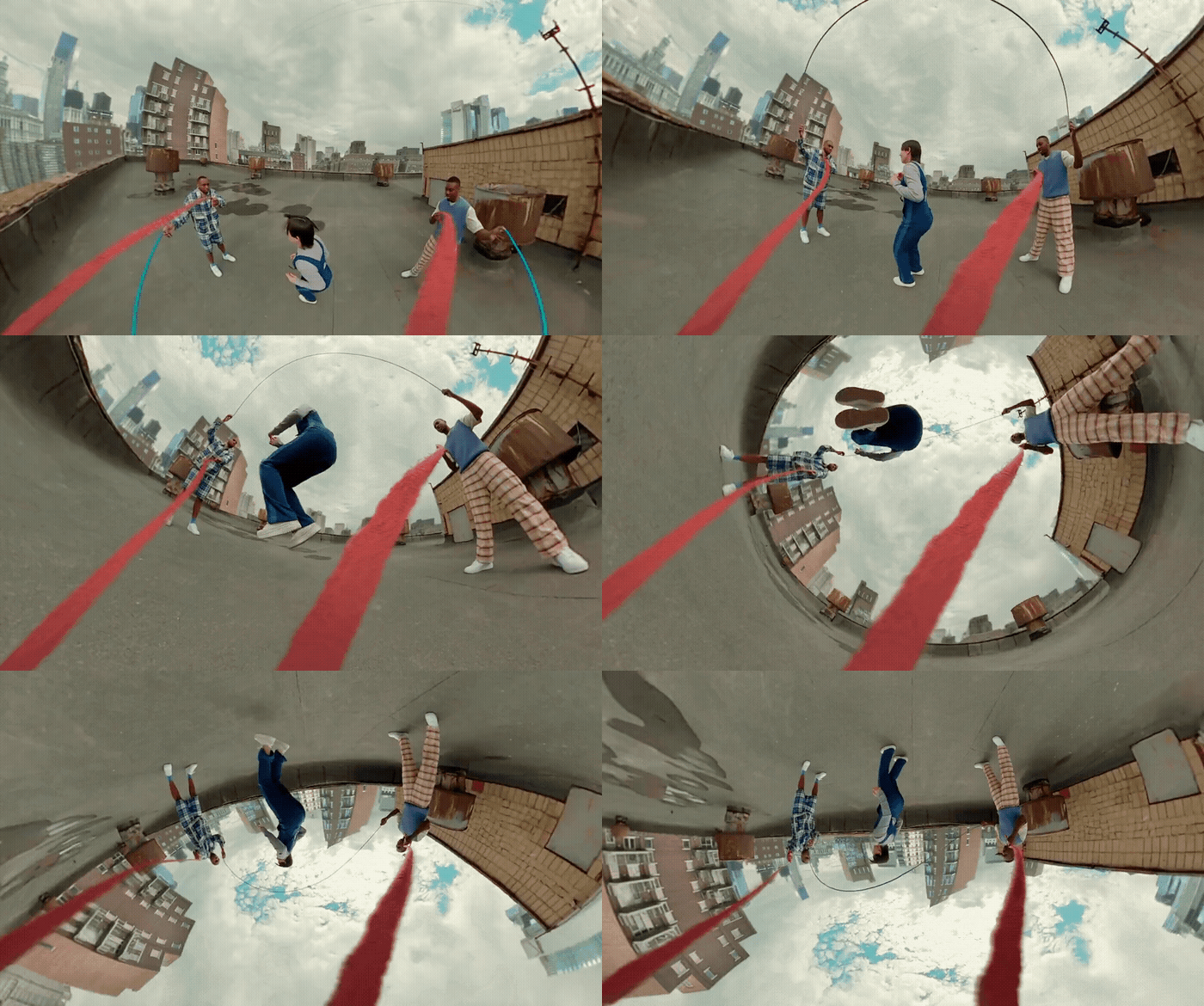
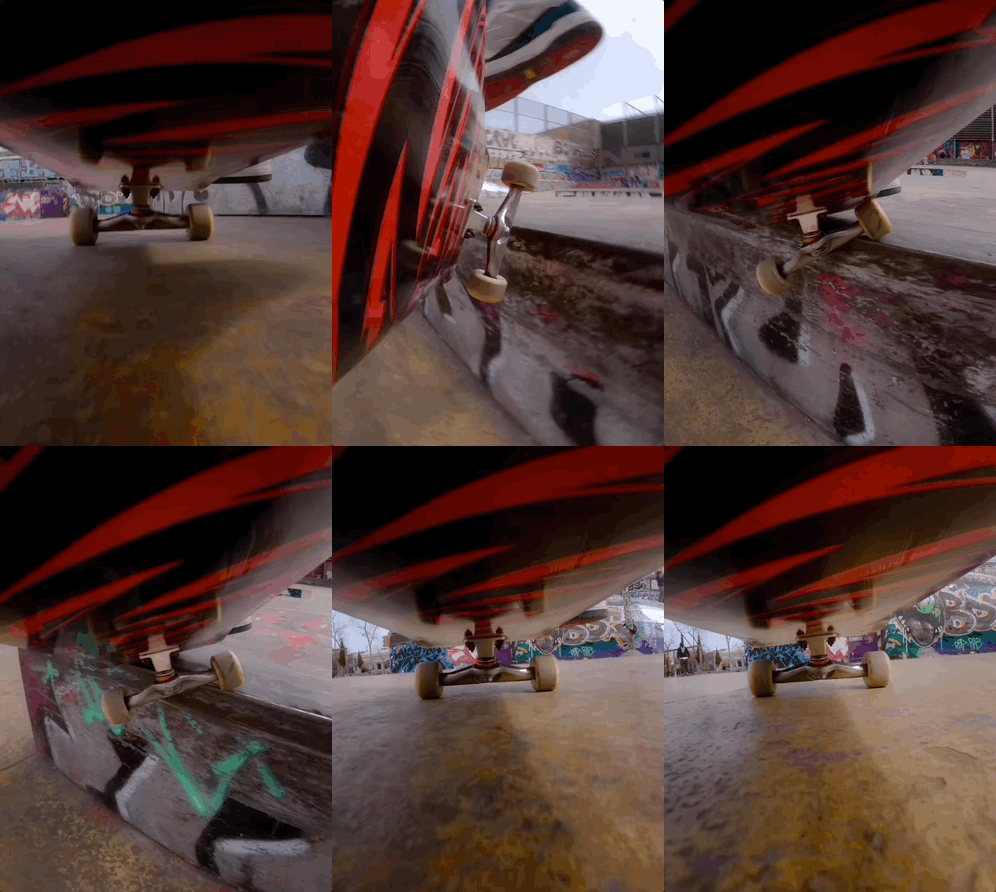
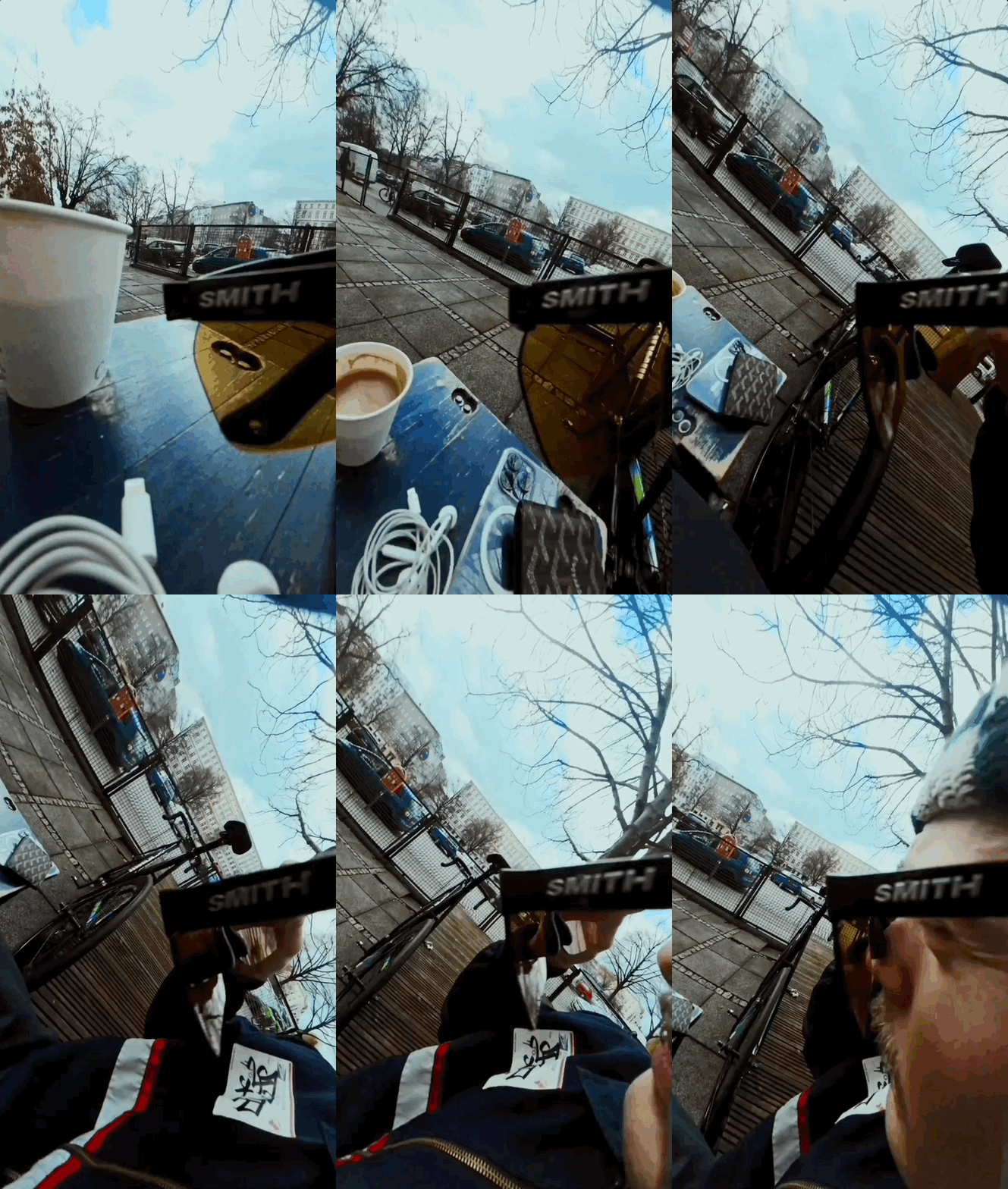
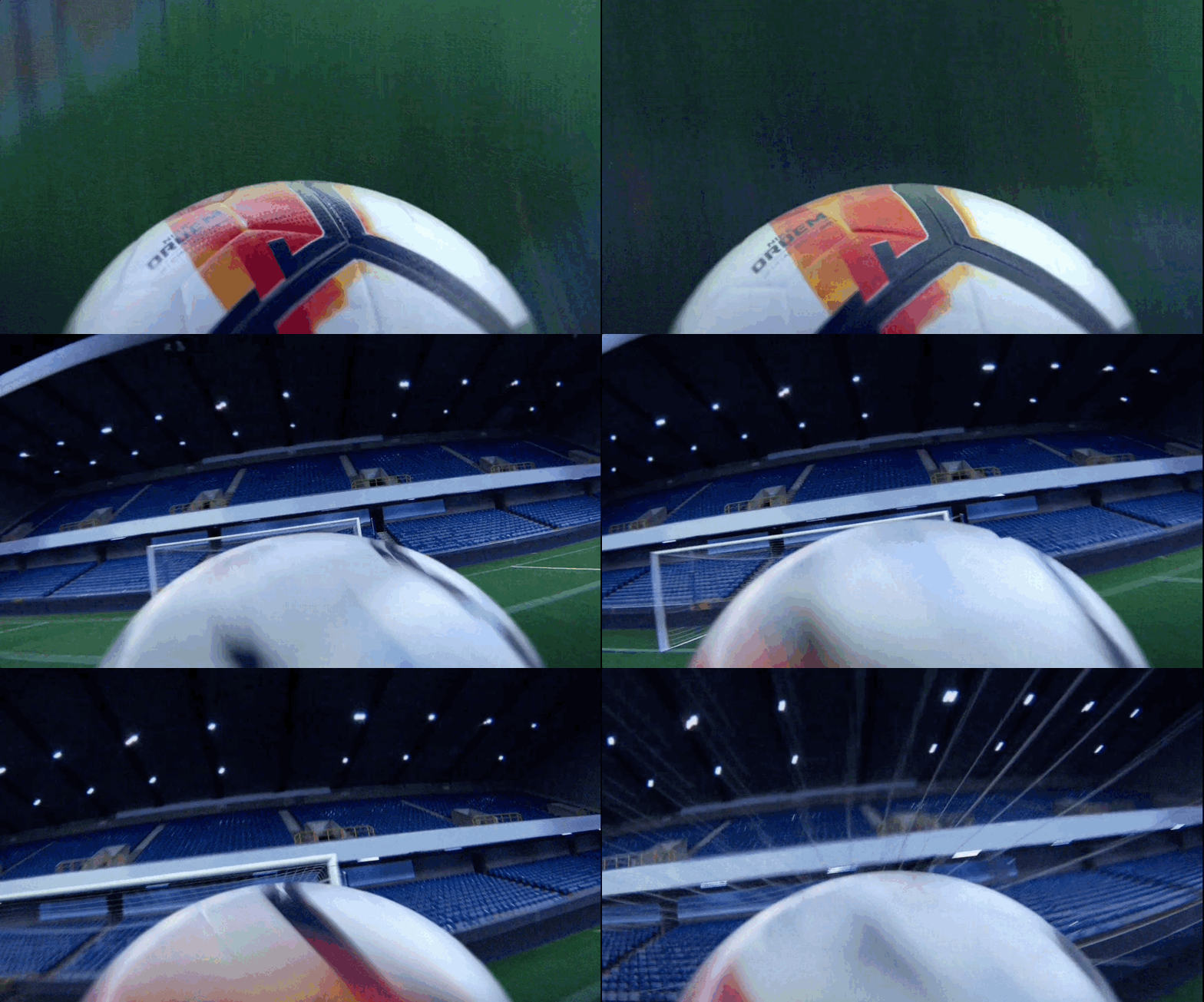
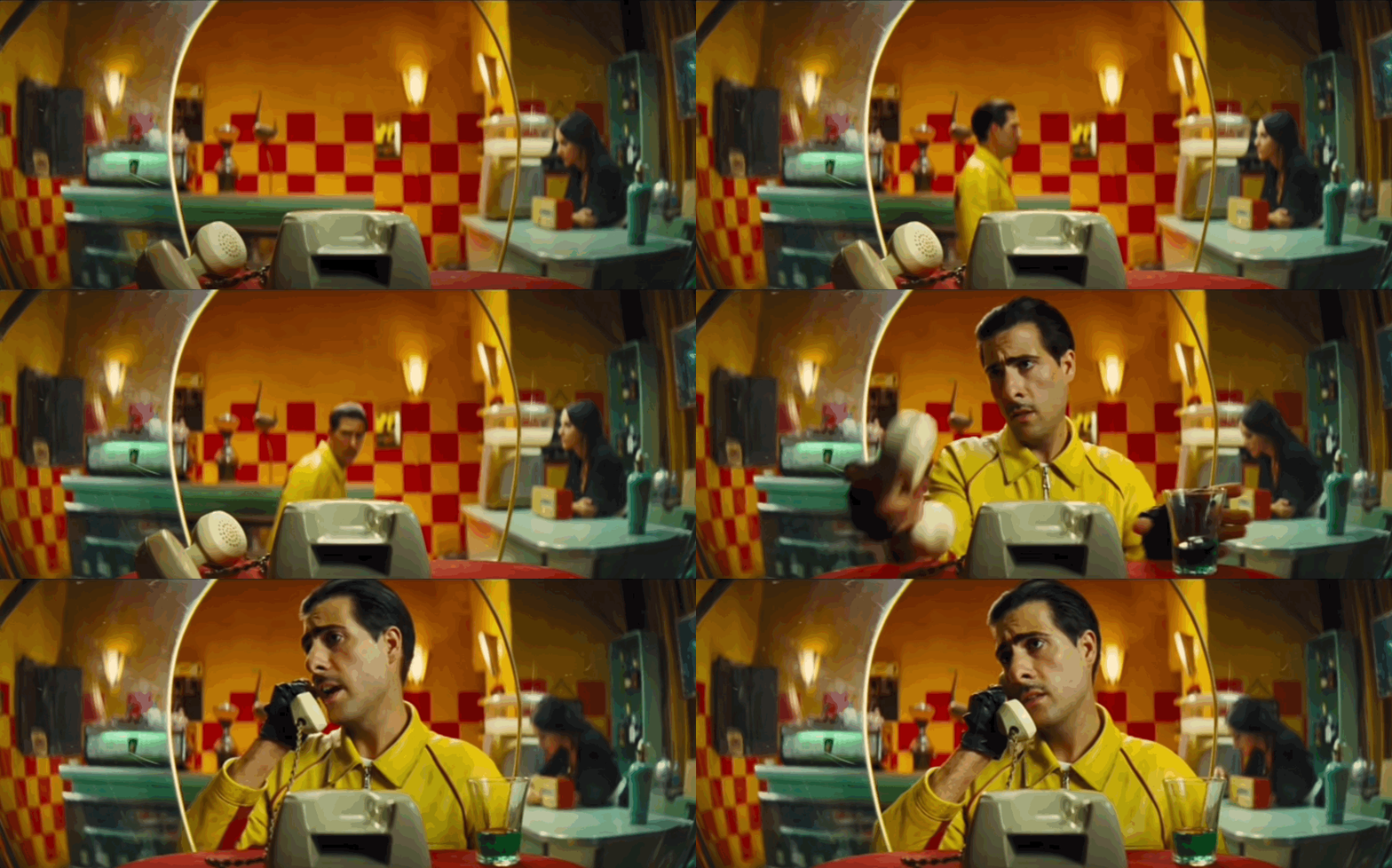
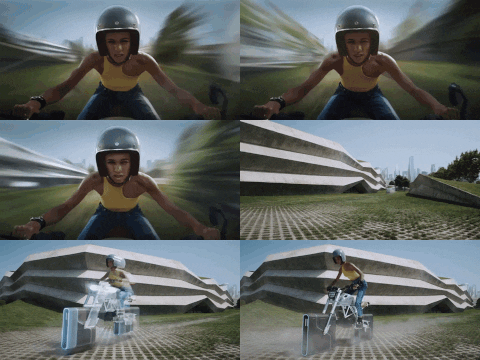
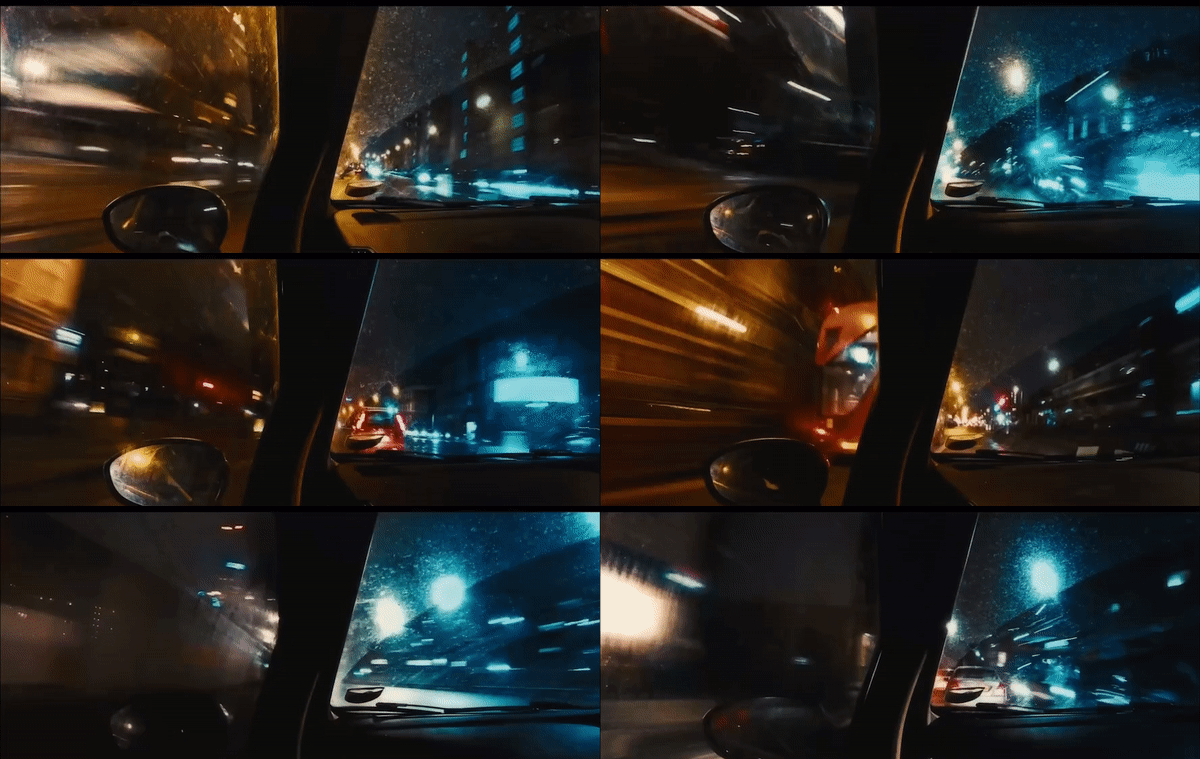
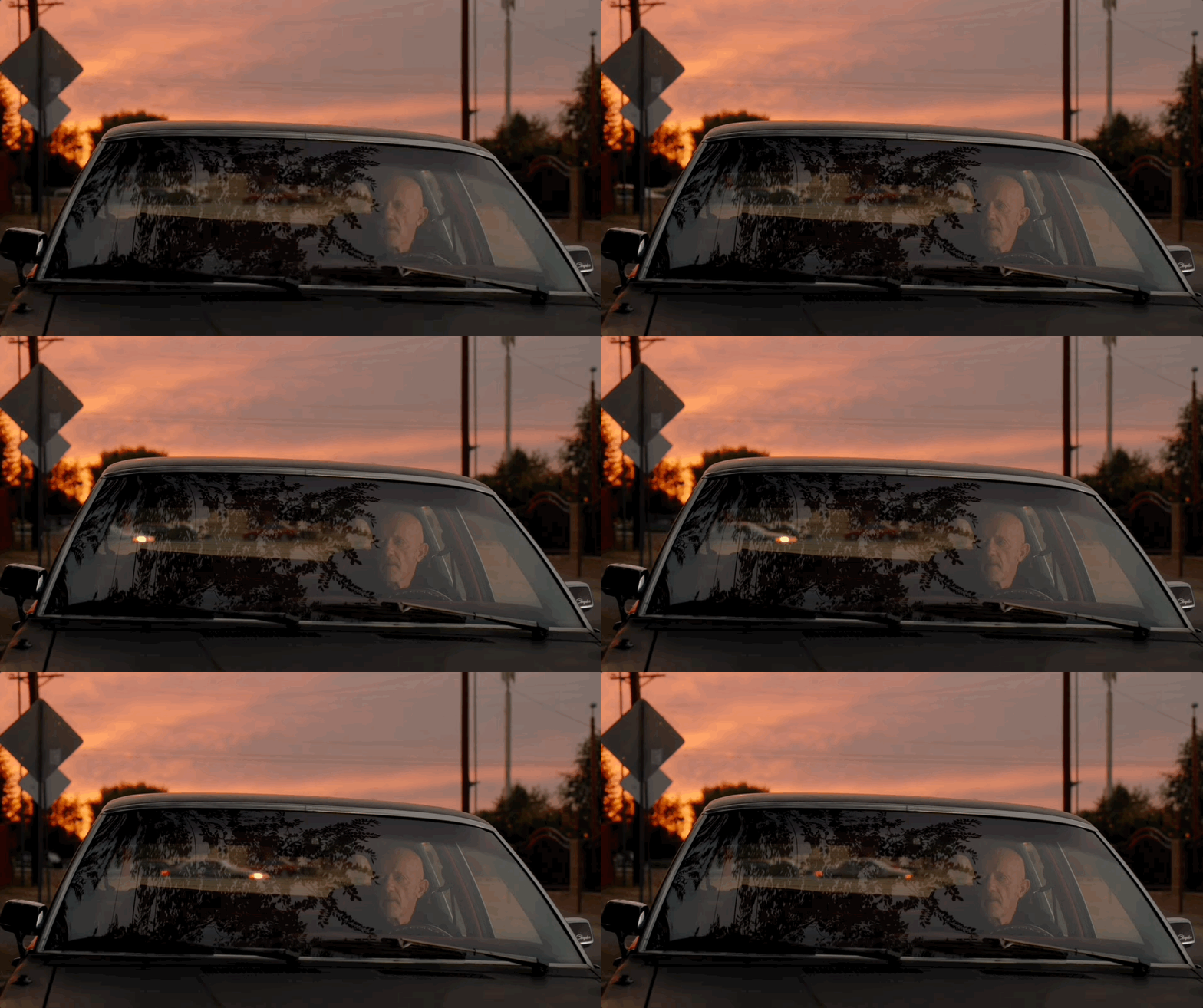
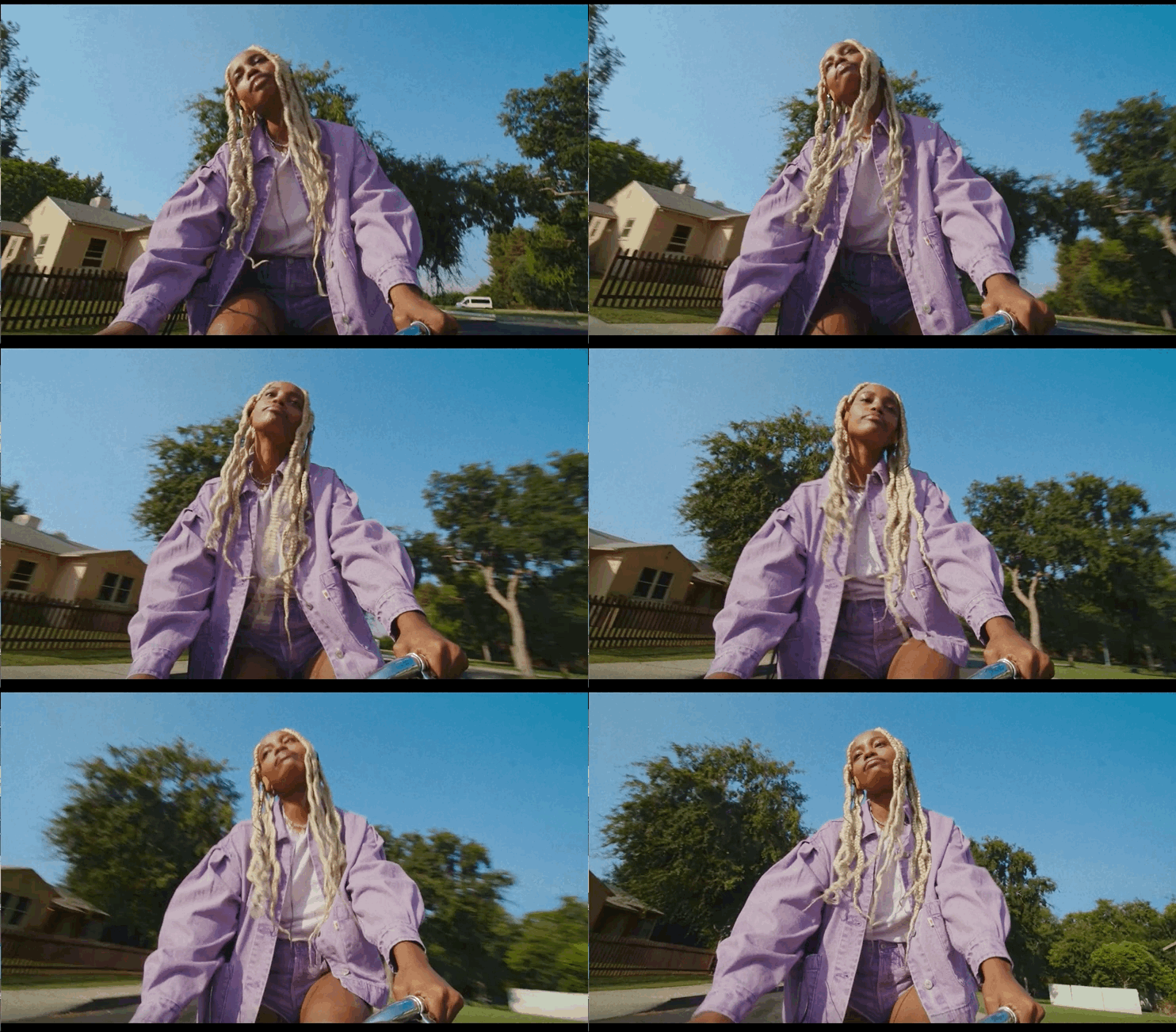
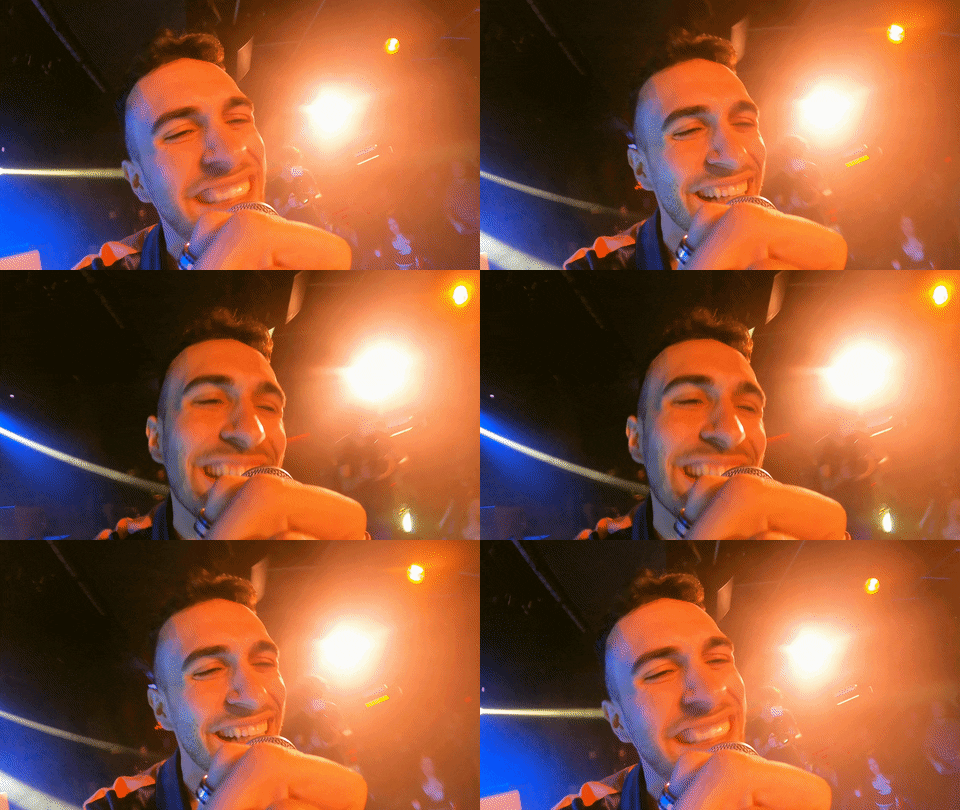
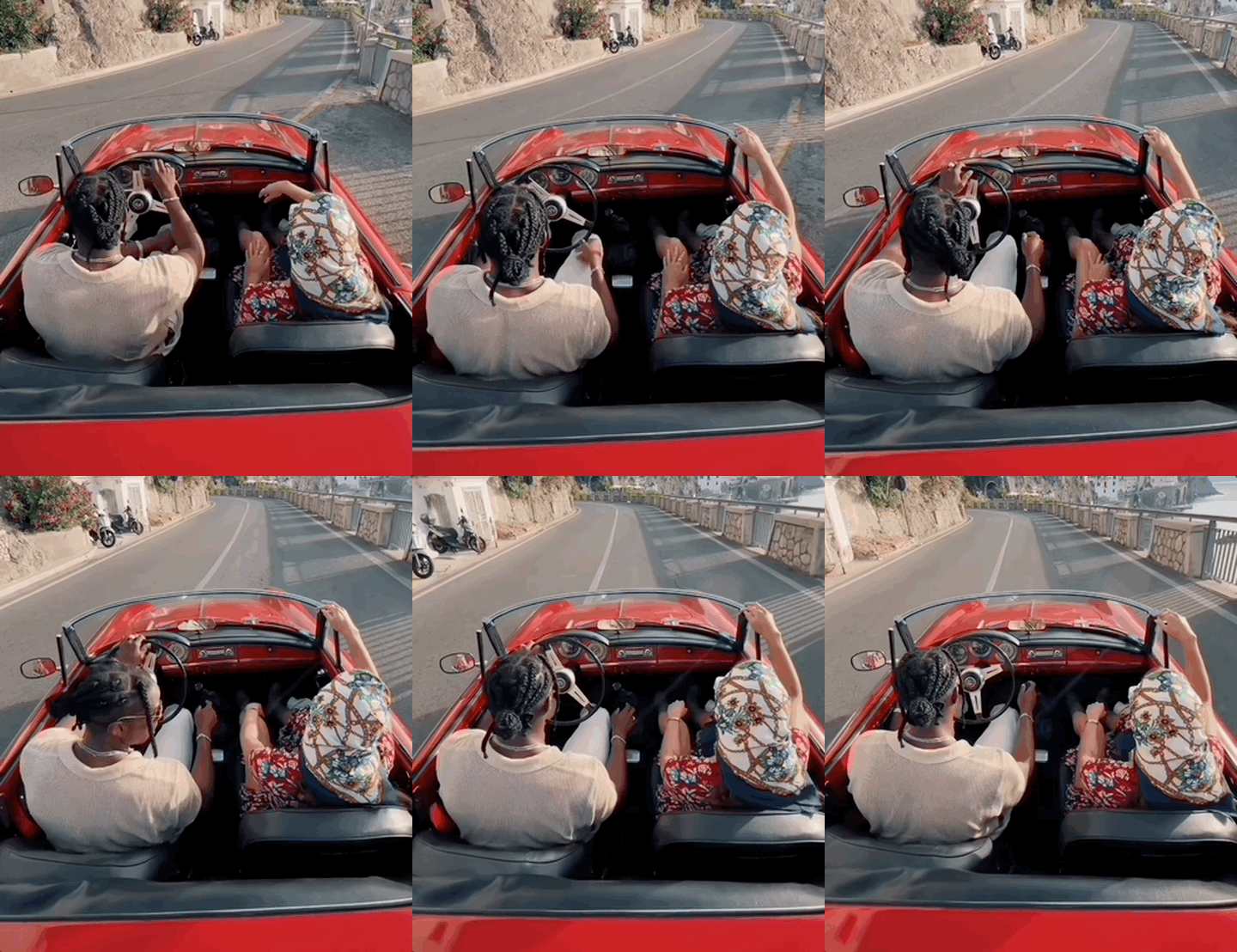
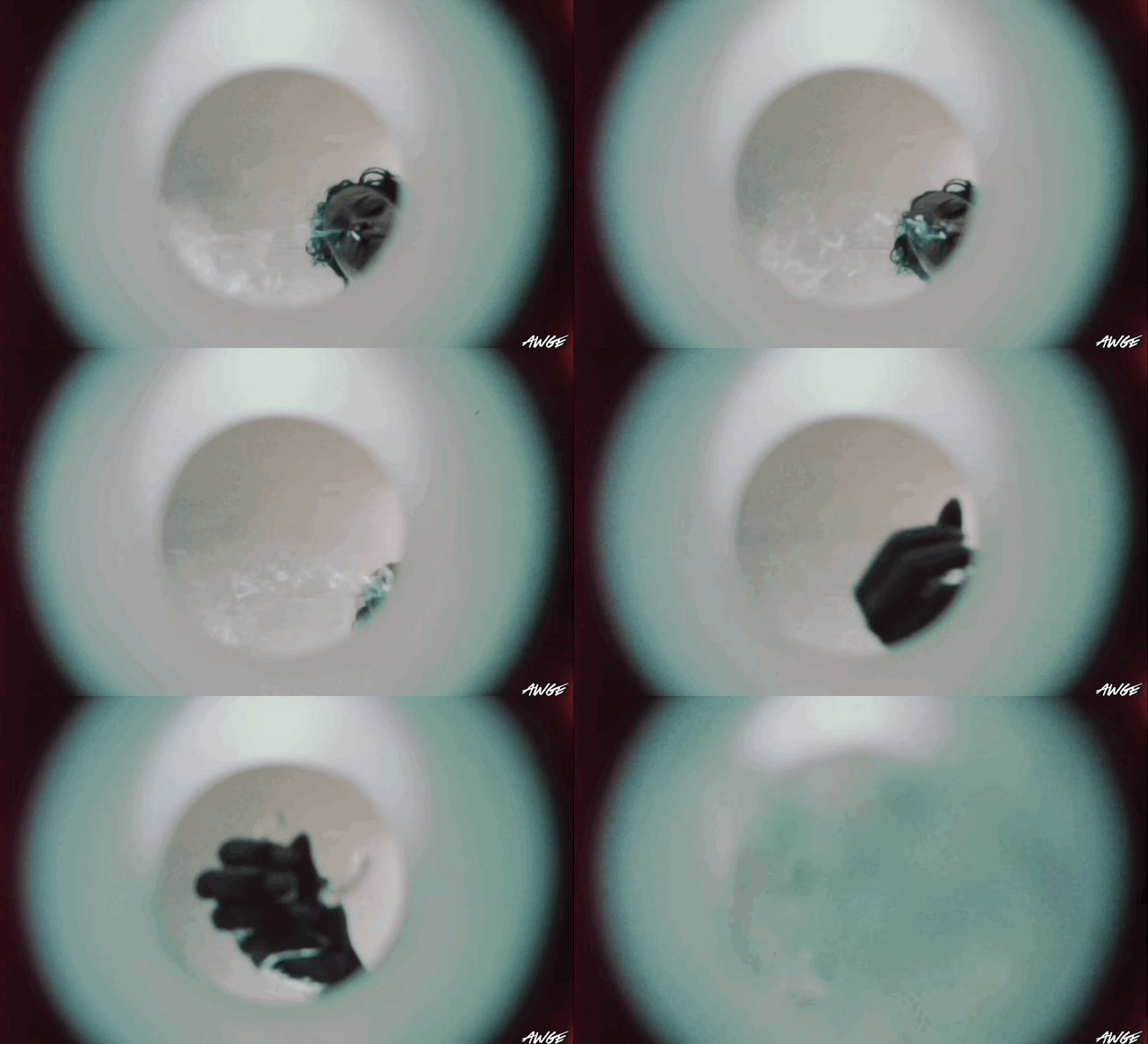
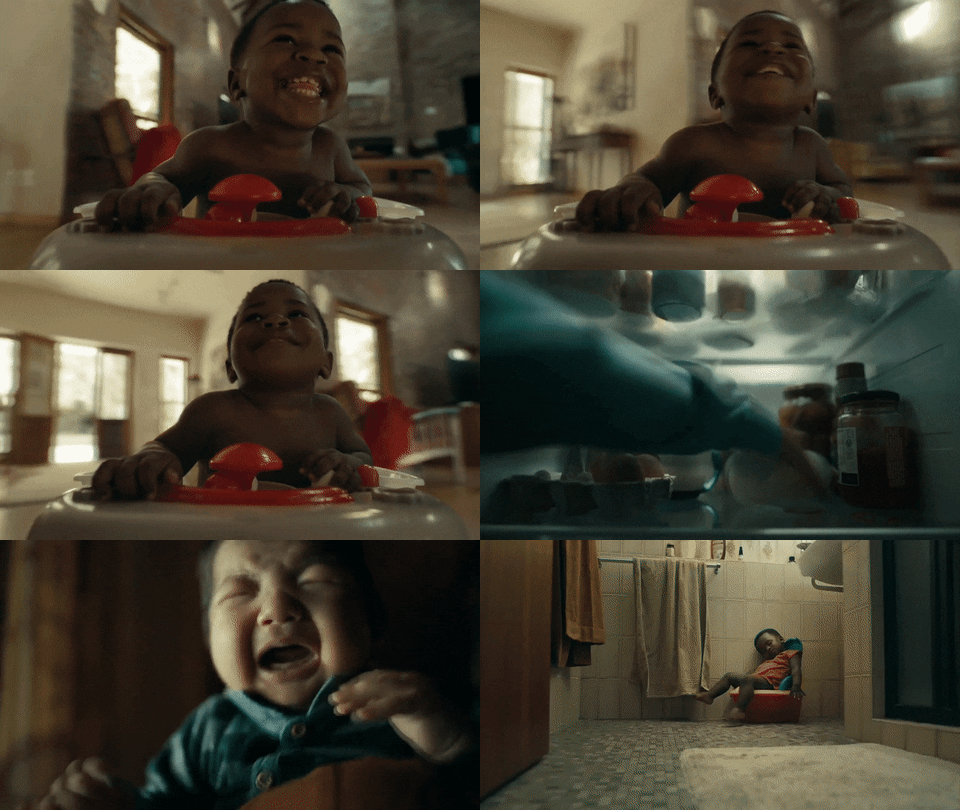
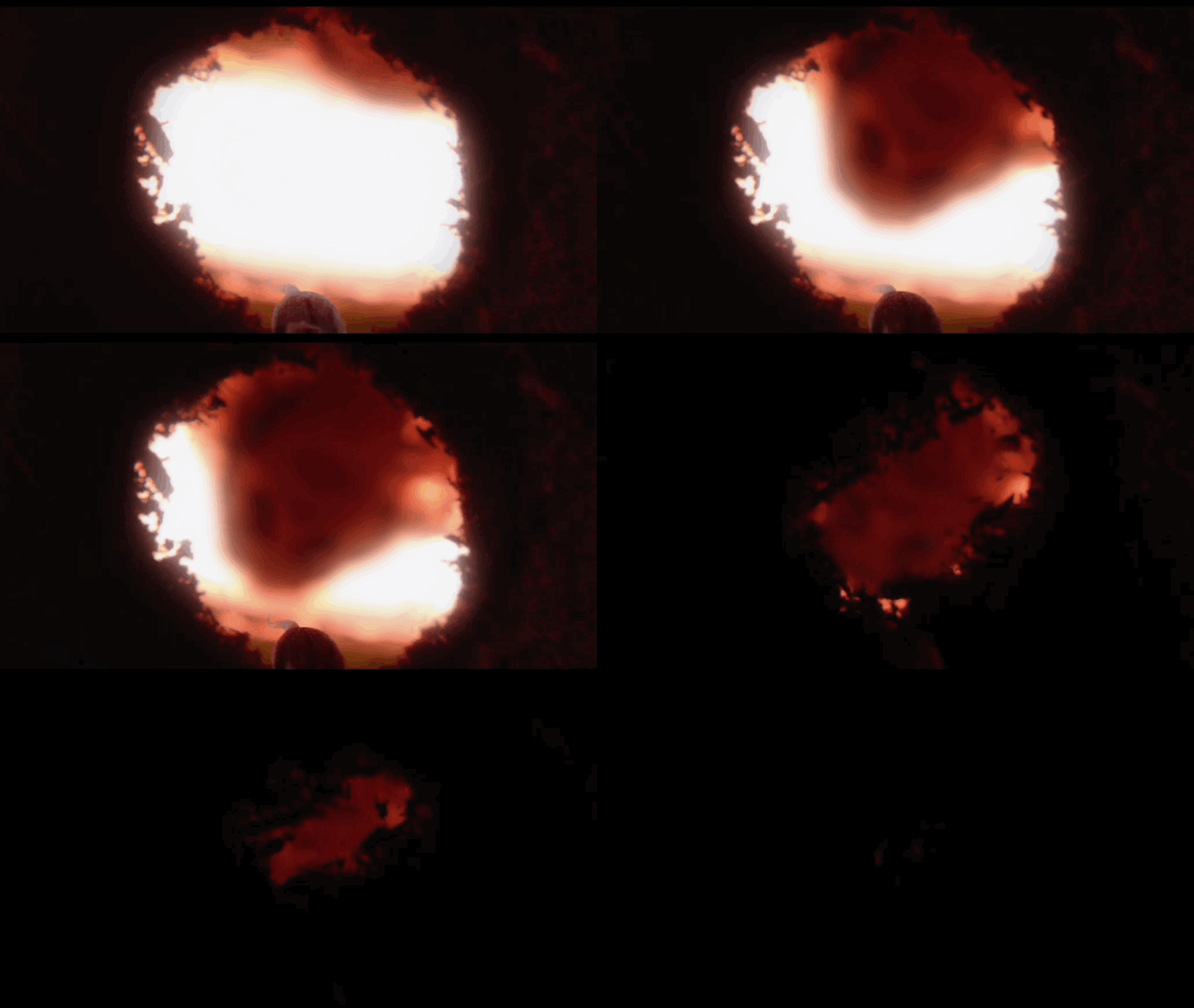
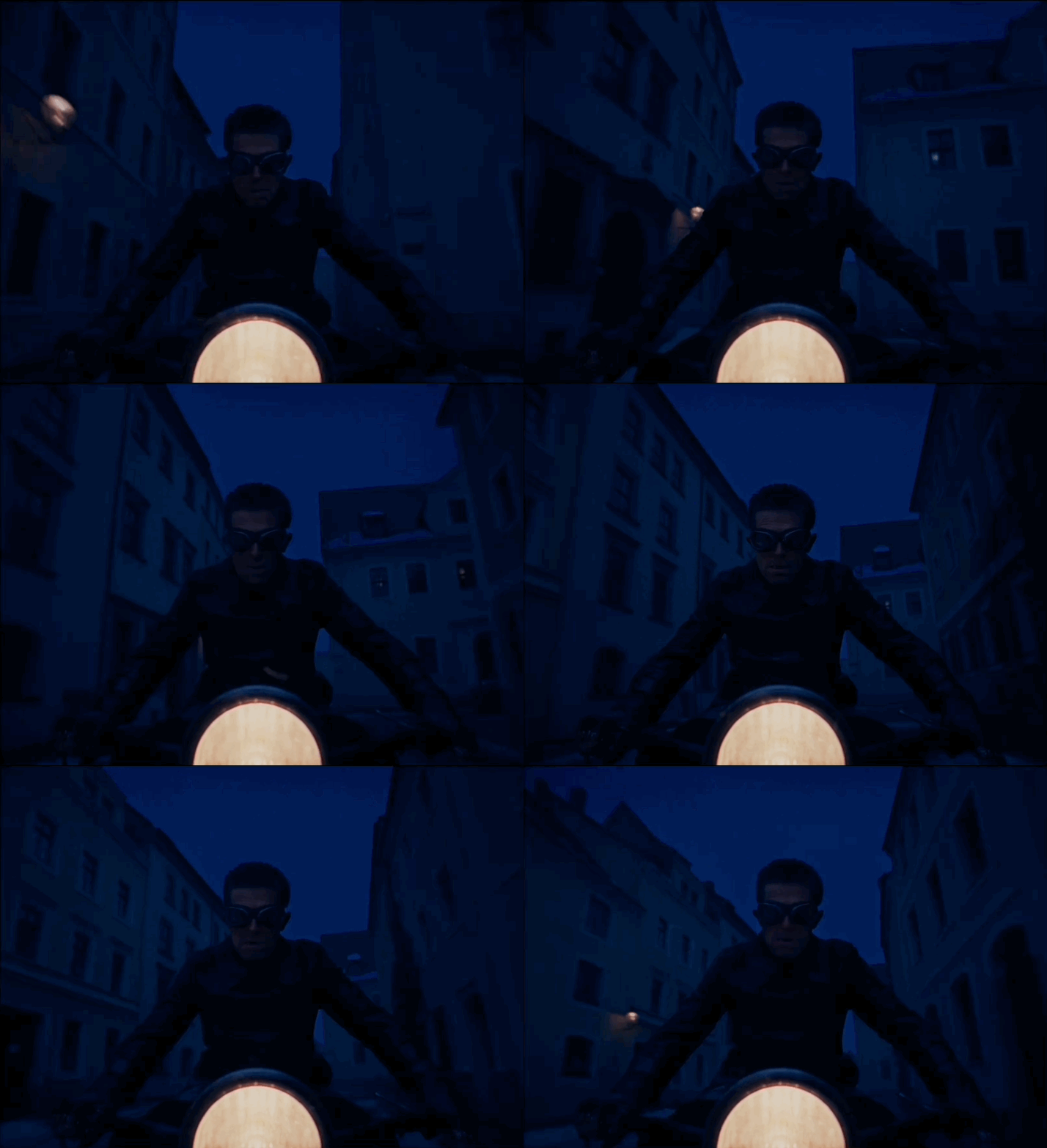
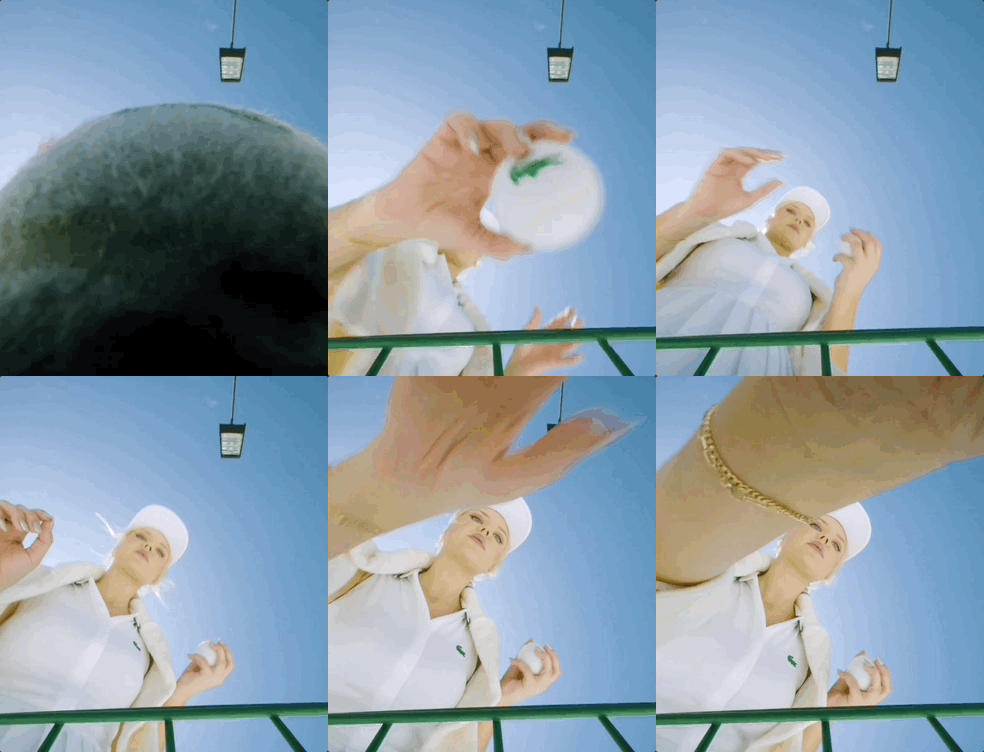
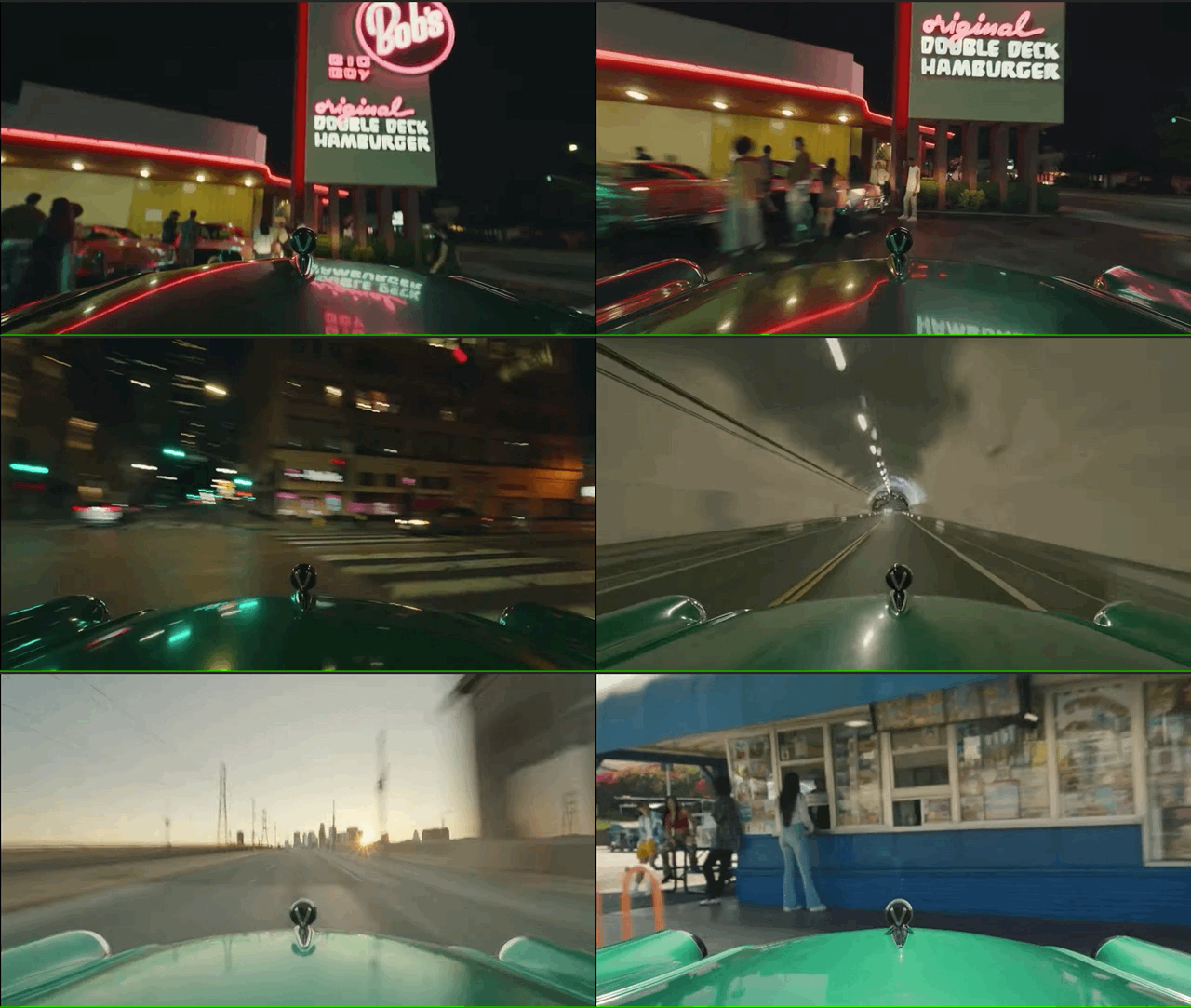
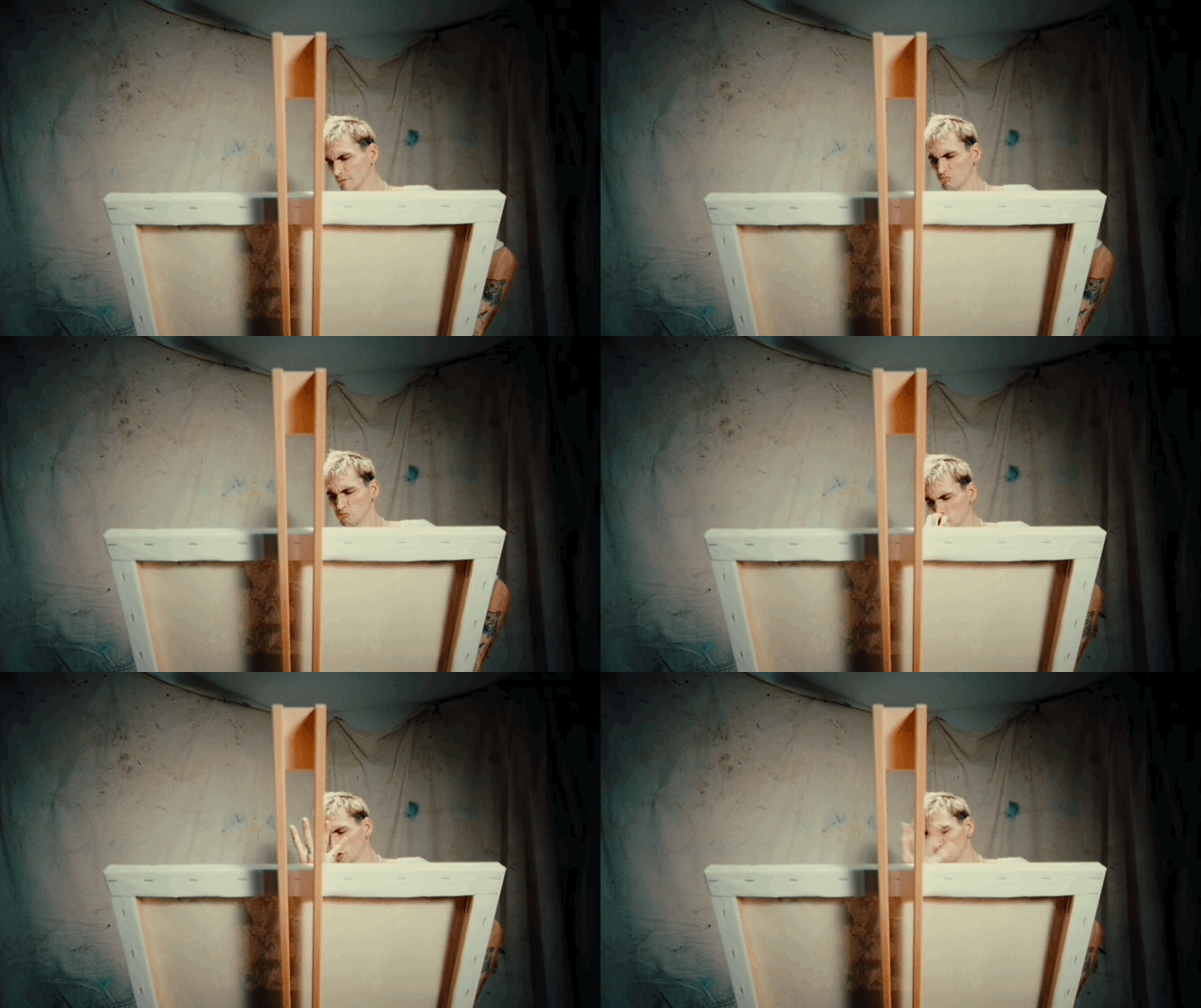
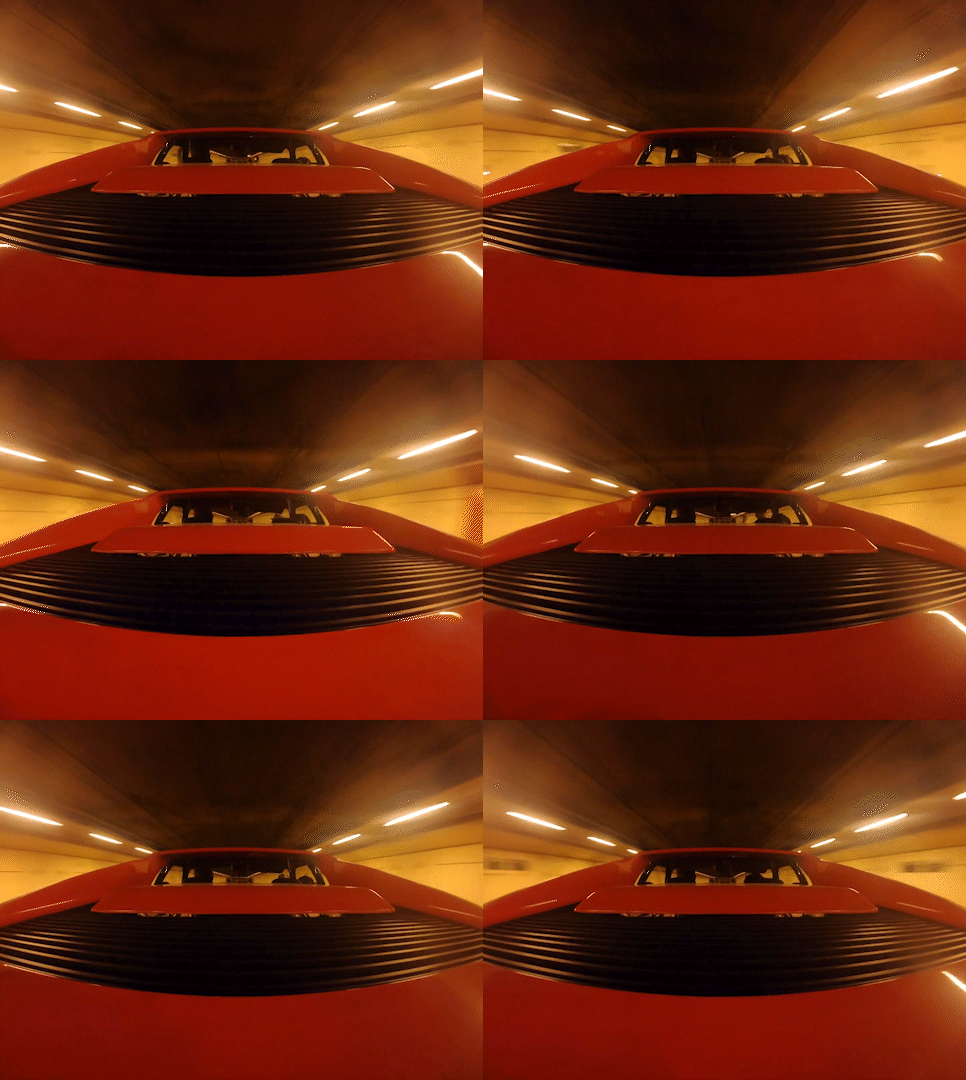
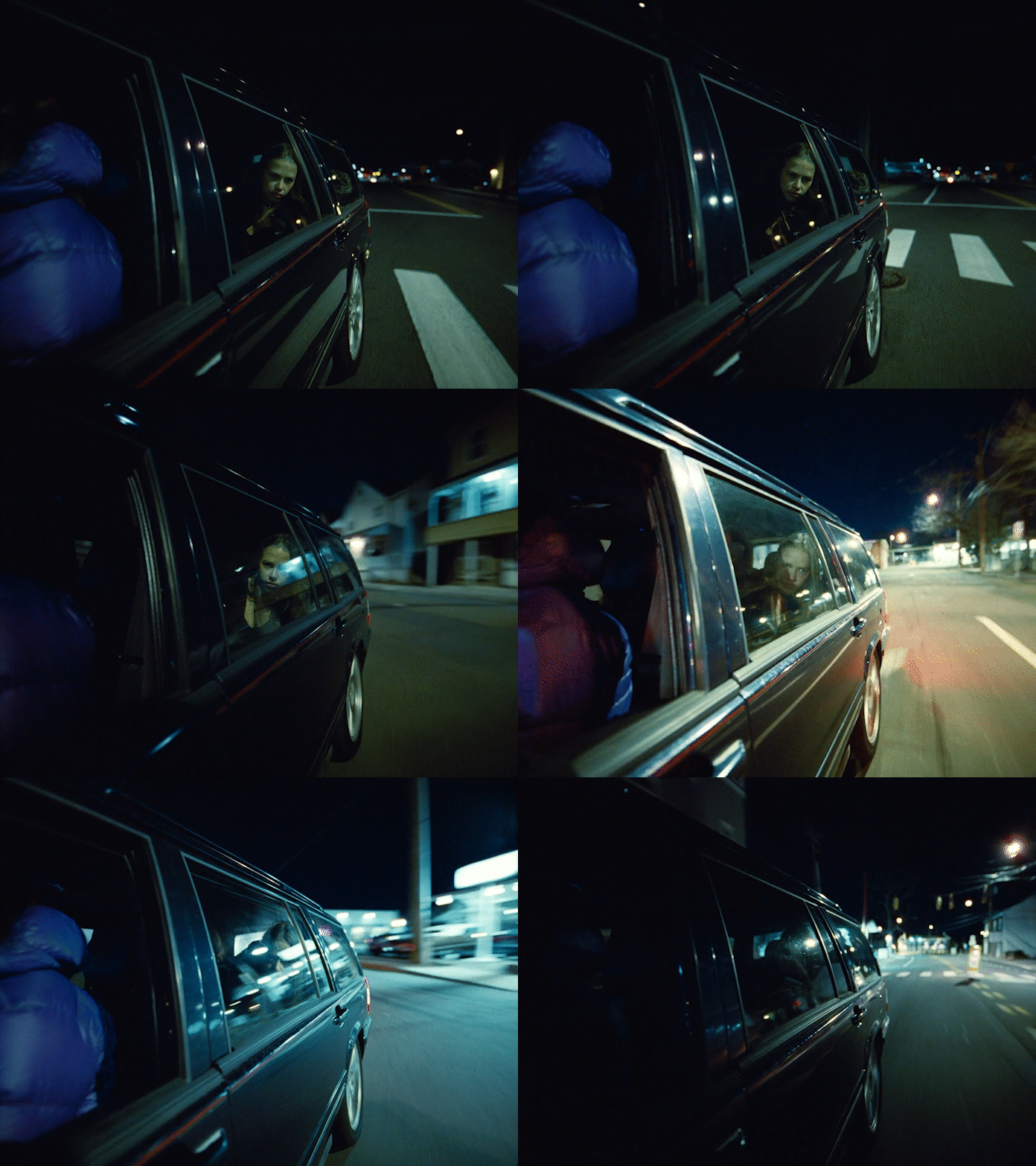
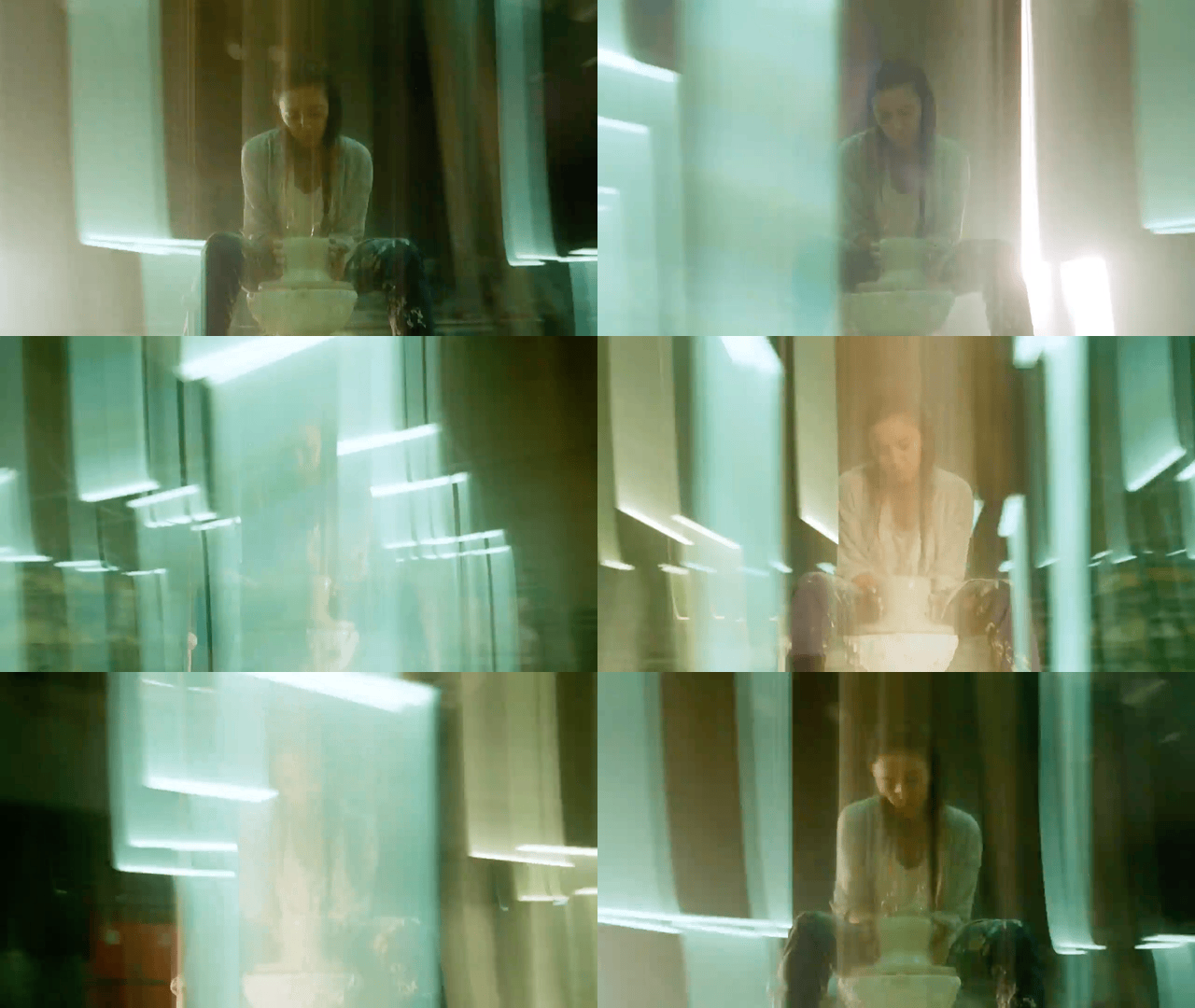
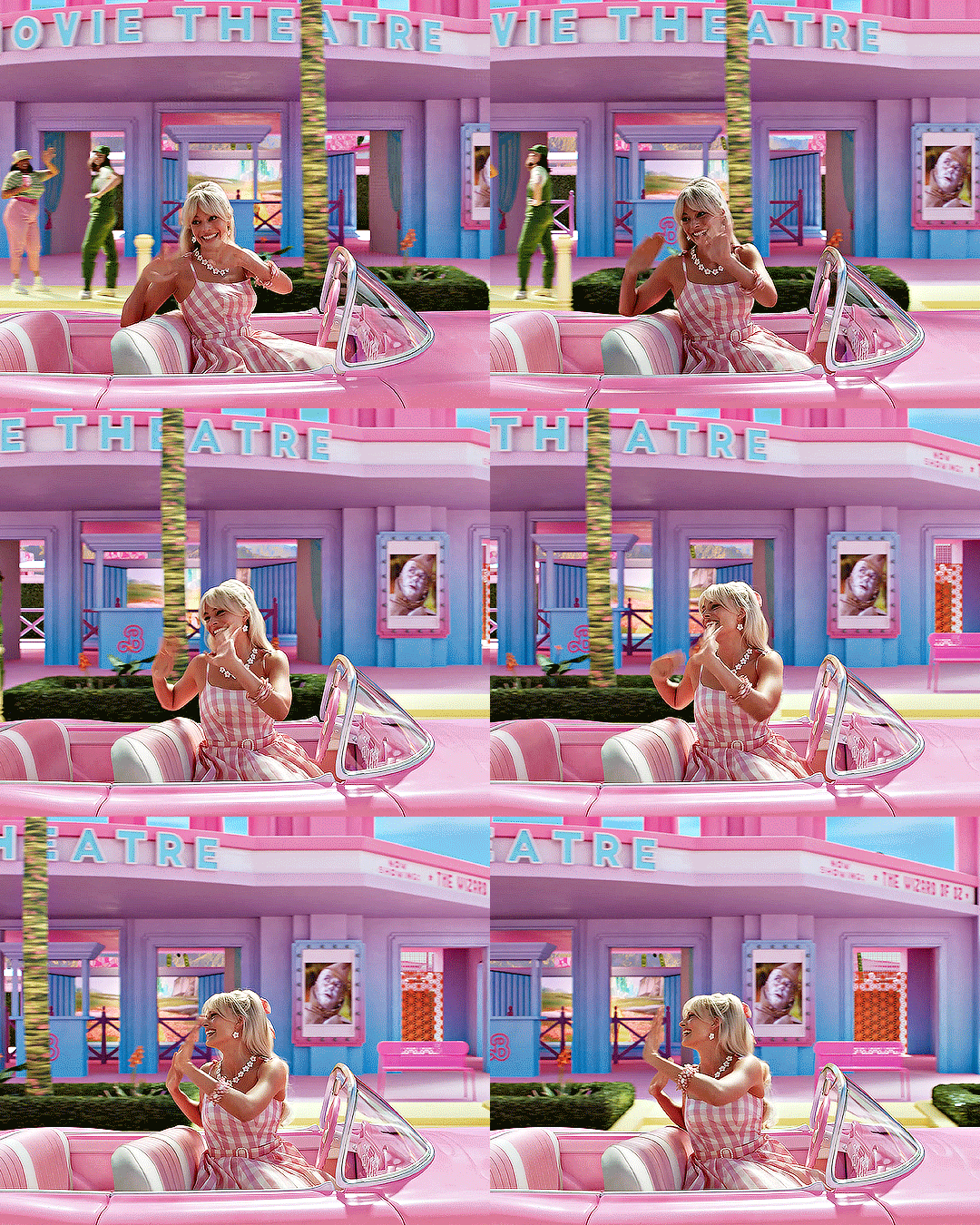
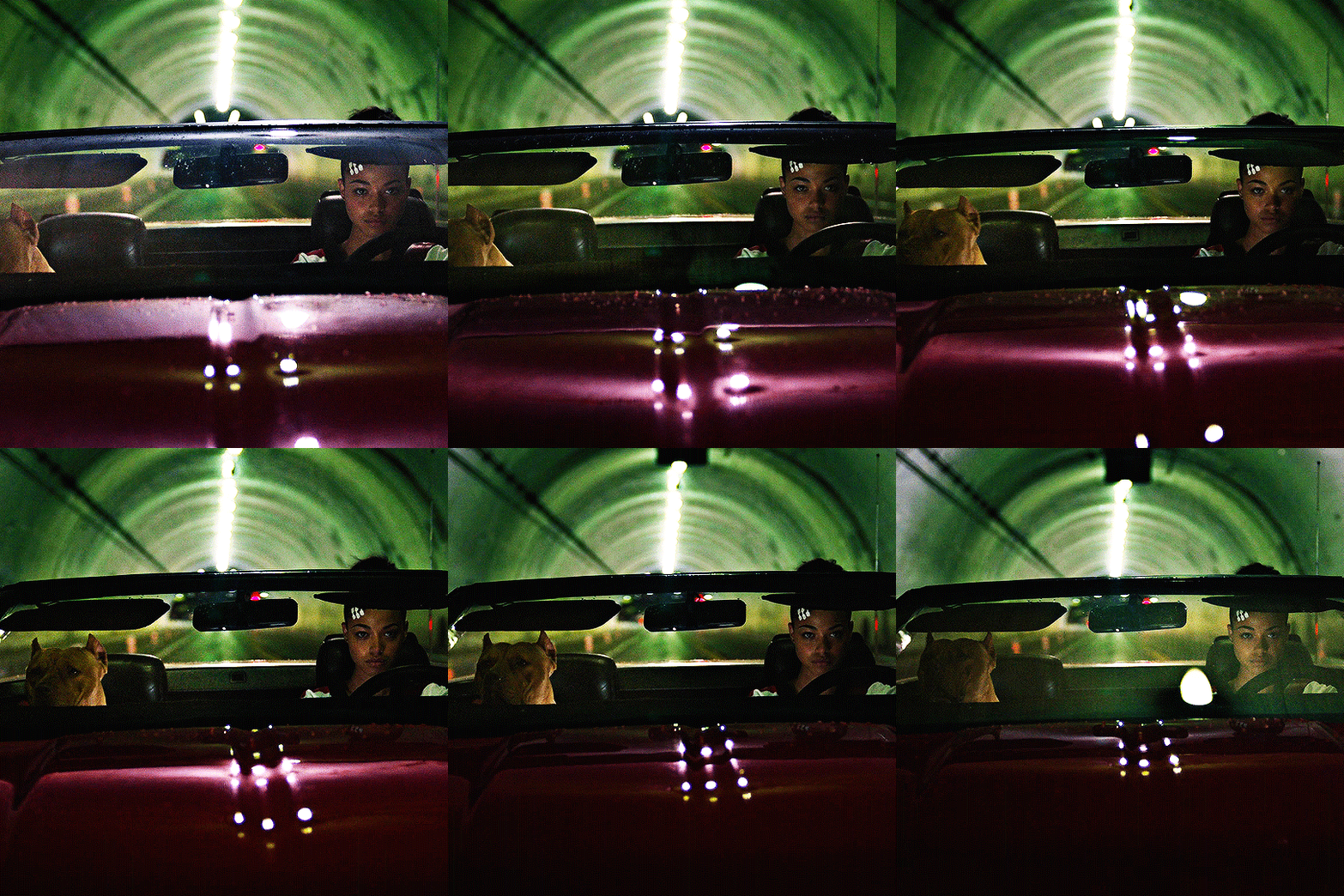
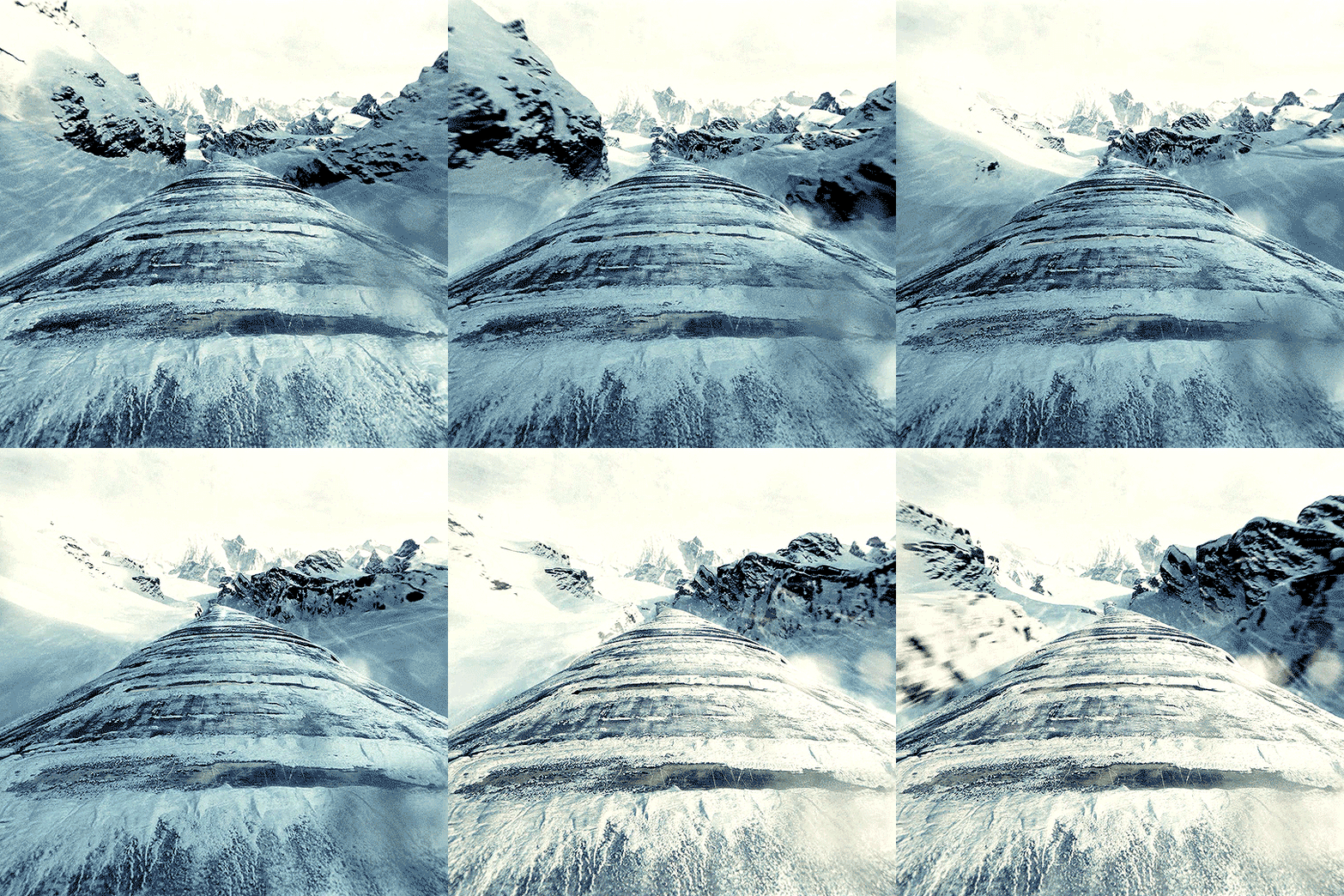
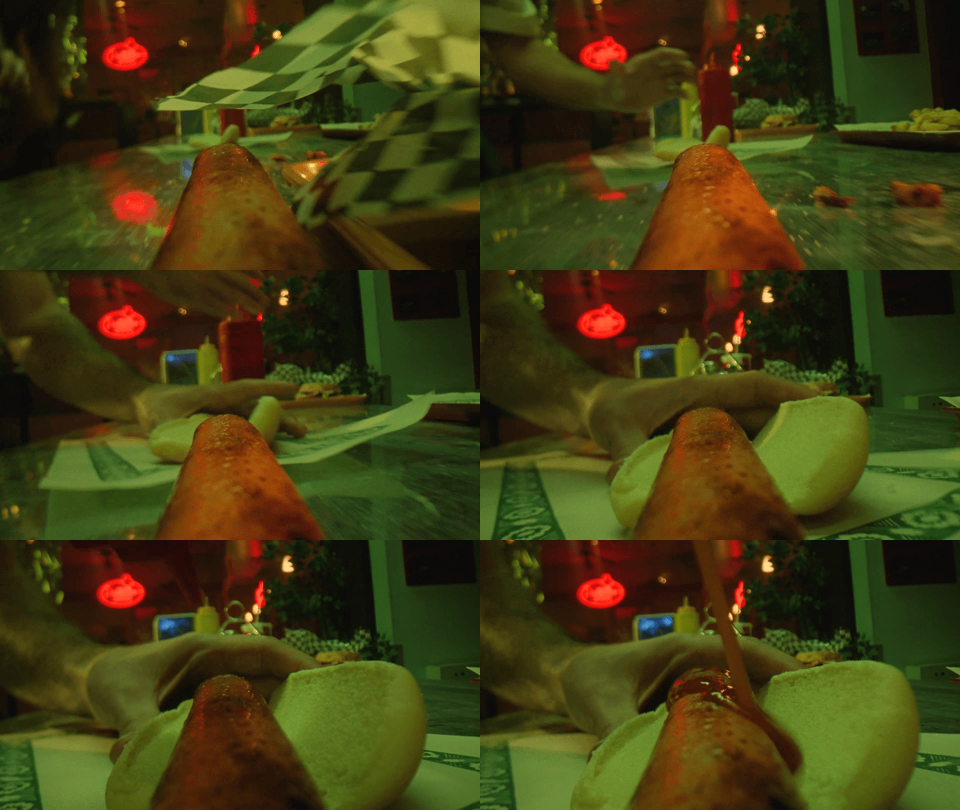
Akin to a camera being attached to an object. Unlike Object Focus, the background can change, but the object is constant.
Ford - Welcome to the Heard (2020) dir. Henry Hobson
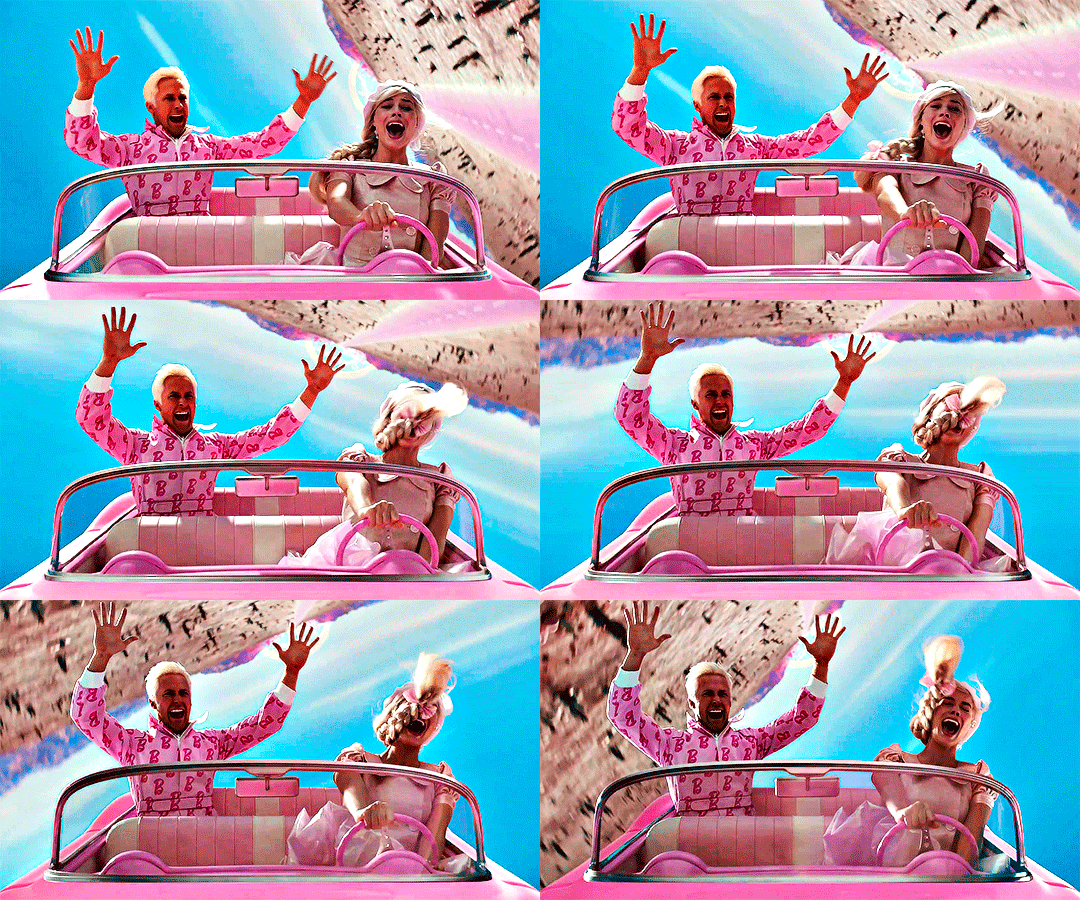
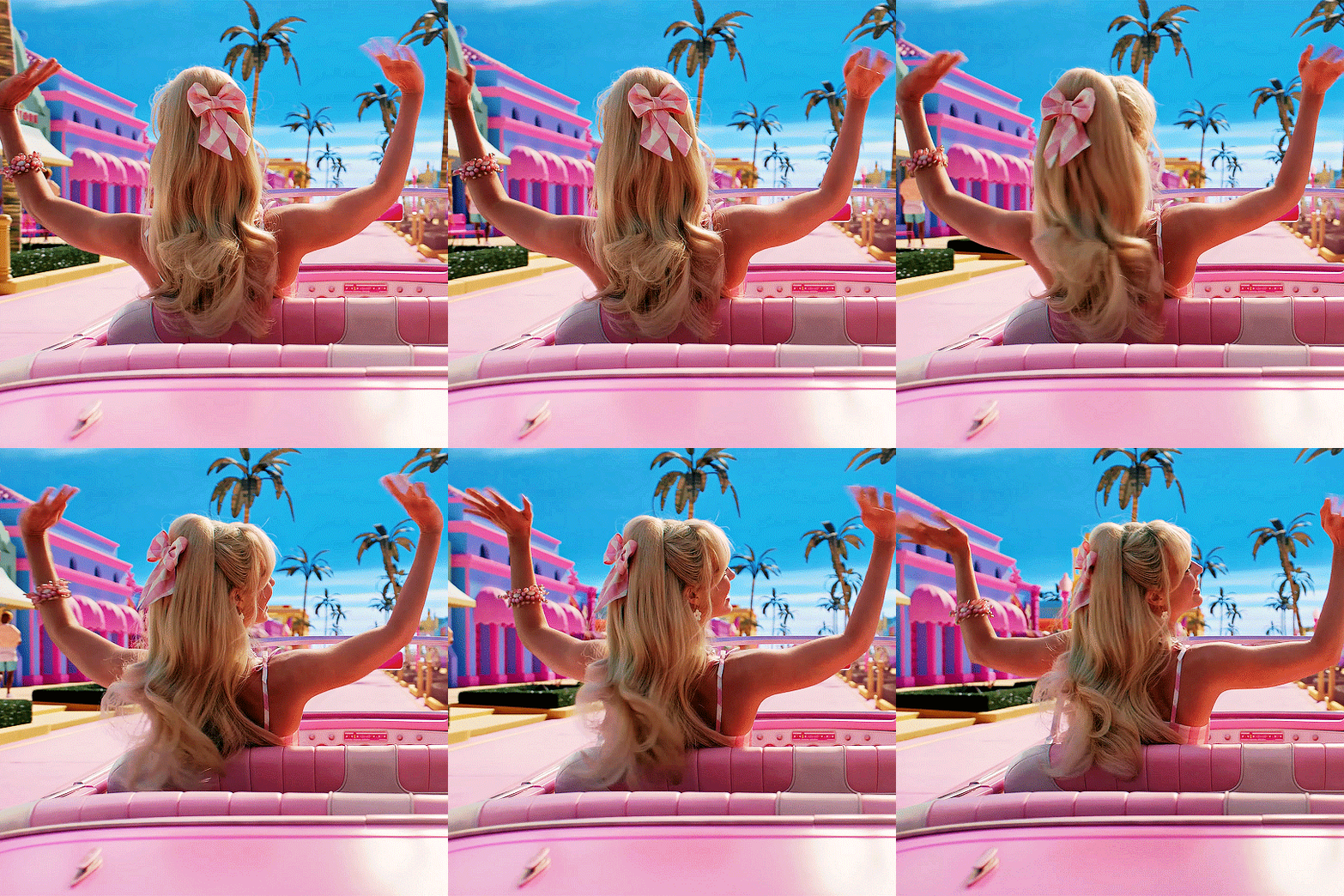
BARBIE (2023) dir. Greta Gerwig
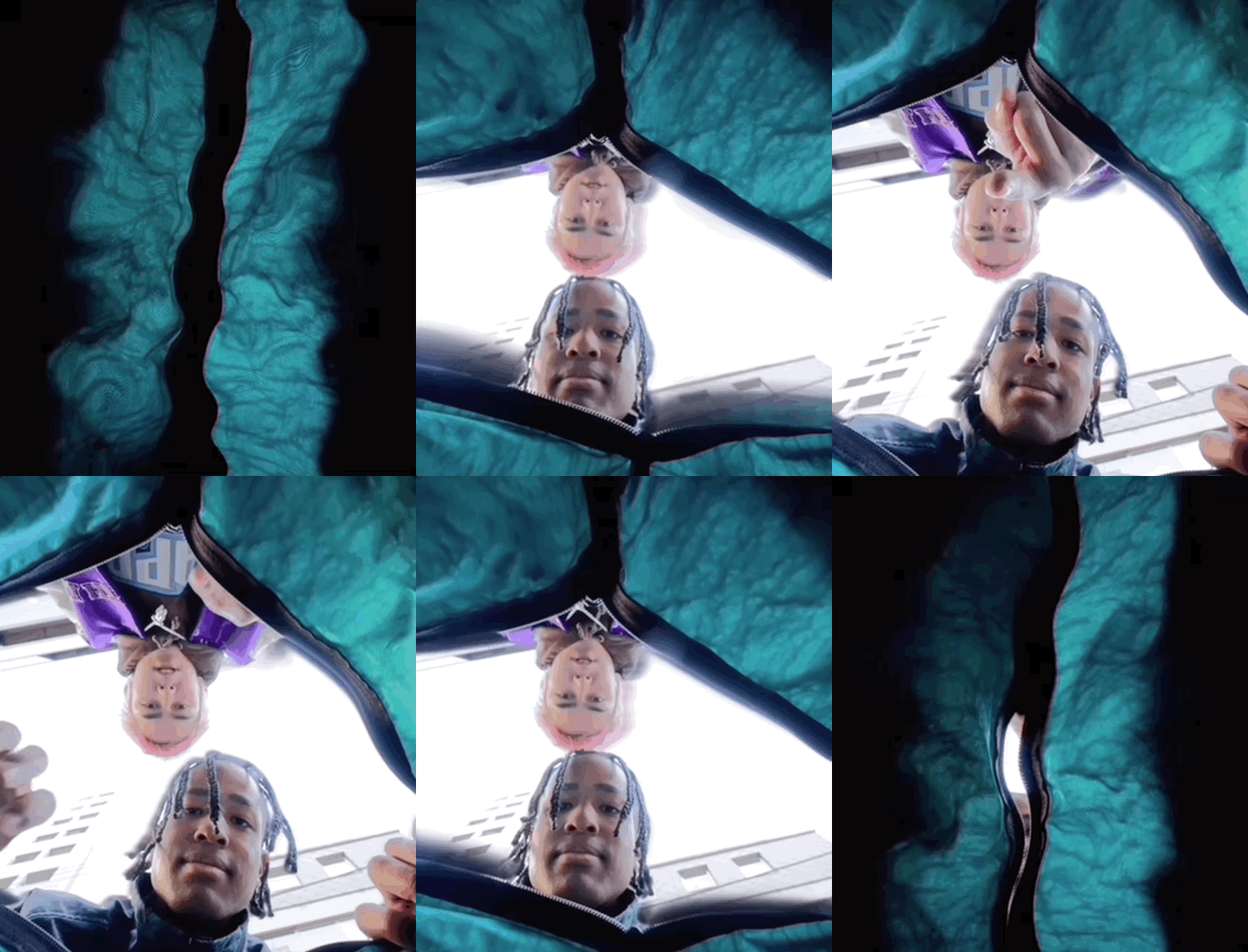
ScHoolboy Q - JoHn Muir
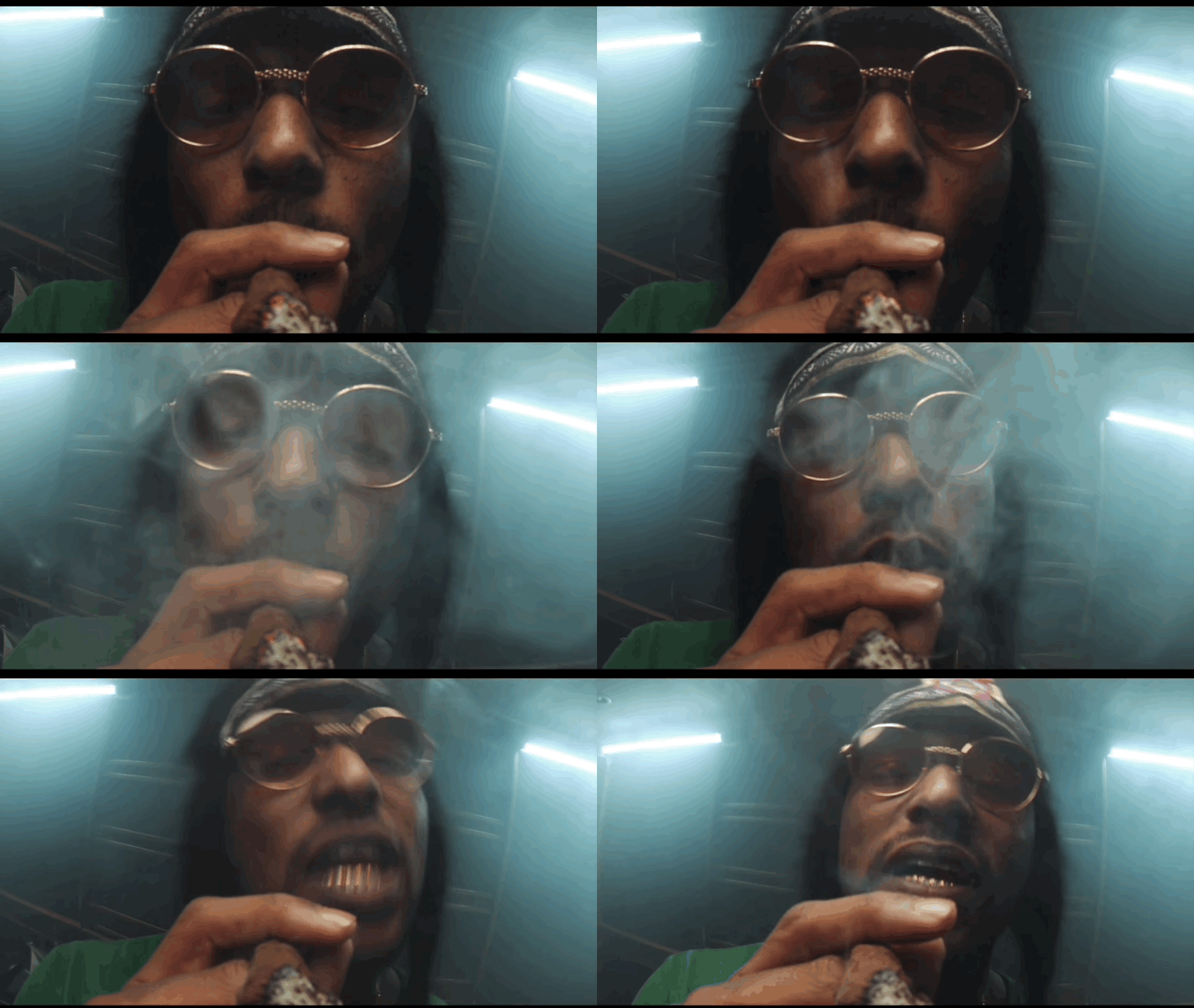
ScHoolboy Q - Dope Dealer ft. E-40
Never Settle. Never Done. (2022) dir. Valentin Petit
Valaire - (She's a) Winner (feat. Alan Prater) (2023)
ROSALÍA - SAOKO (2022) Valentin Petit
@academyfilms / IG
Playstation - Play Has No Limits (2022) dir. François Rousselet
Nike – Woo! Go! by Atarashii Gakkou ft. Nike Juku (2022) dir. Mackenzie Shepard
Nike SB - Don’t Make Plans (2021) Dir. Bennett Johnson
Bruton Stroube - STL Jersey (2022)
Rimowa - Ingenieurskunst (2022) Man Lim-chung
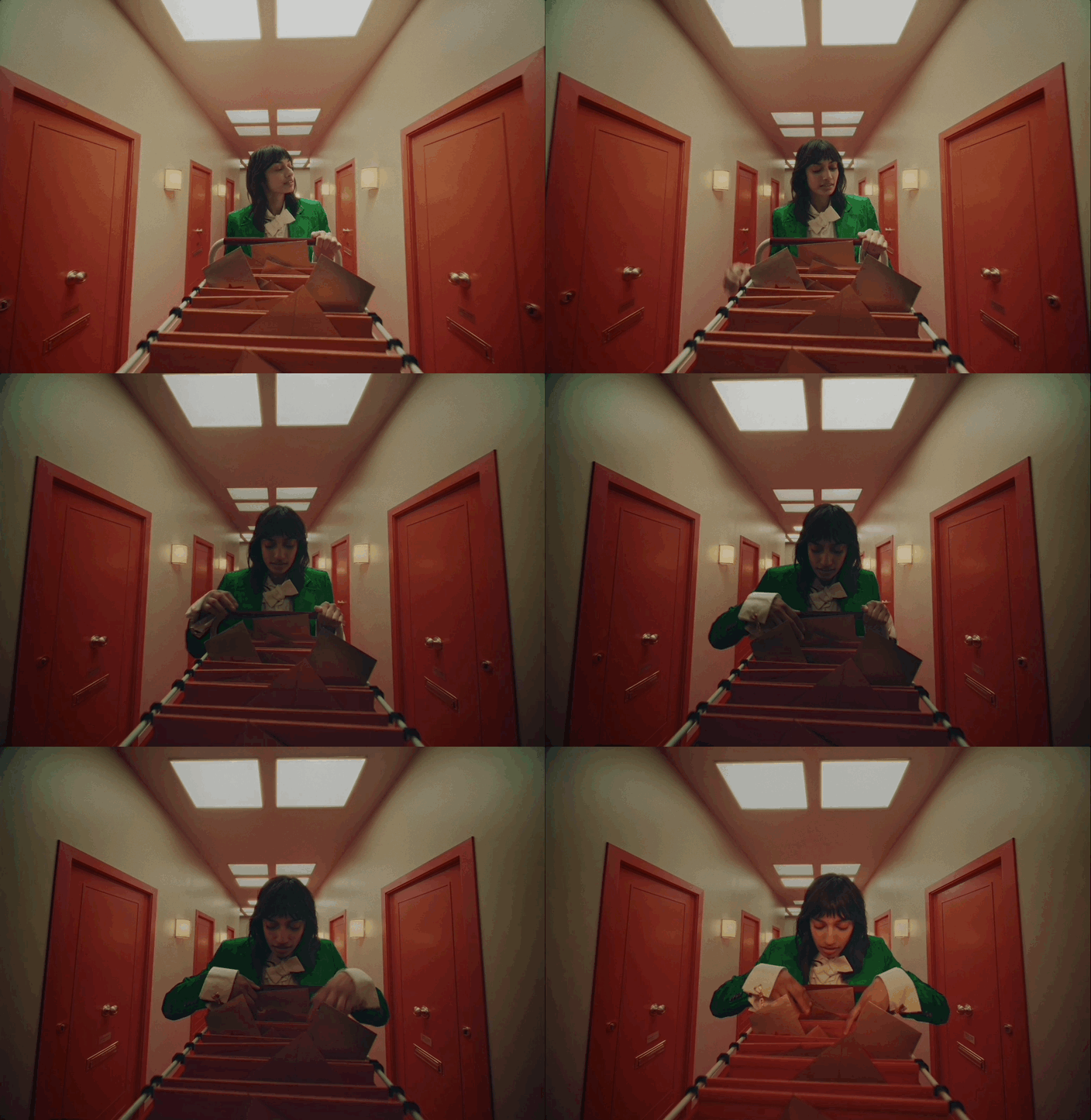
THE GRAND BUDAPEST HOTEL 2014 dir. Wes Anderson
Yuh - Can Do It (2021)
Nike SB - Don’t Make Plans (2021) Dir. Bennett Johnson
Artist: @insta360 / IG
Square - Para Los Que Hacen (2021) Alex Hulsey
Flybuys: Give a flybuys (2021)
Bruton Stroube - STL Jersey (2022)
Hassan DeMarco (2017) / IG
Lord of War (2005) Andrew Niccol
The Grand Budapest Hotel (2014) Wes Anderson
ROSALÍA - SAOKO (2022) Valentin Petit
MAKE UP FOR EVER - HD SKIN (2022) dir. Valentin Petit
Gonzalo Gonzalez De Vega - @gochiestrella
@phepper / IG
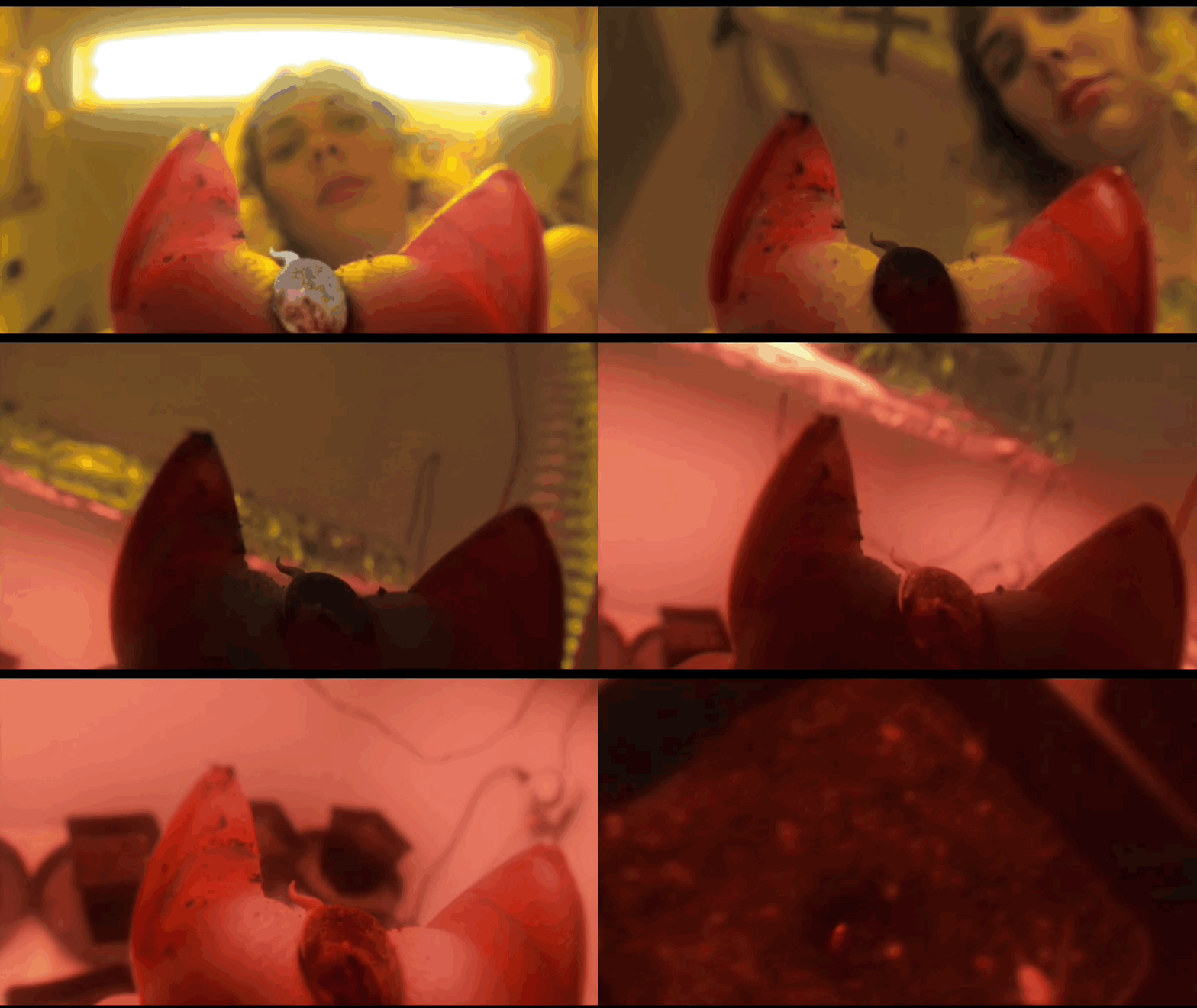
ScHoolboy Q - Dope Dealer ft. E-40
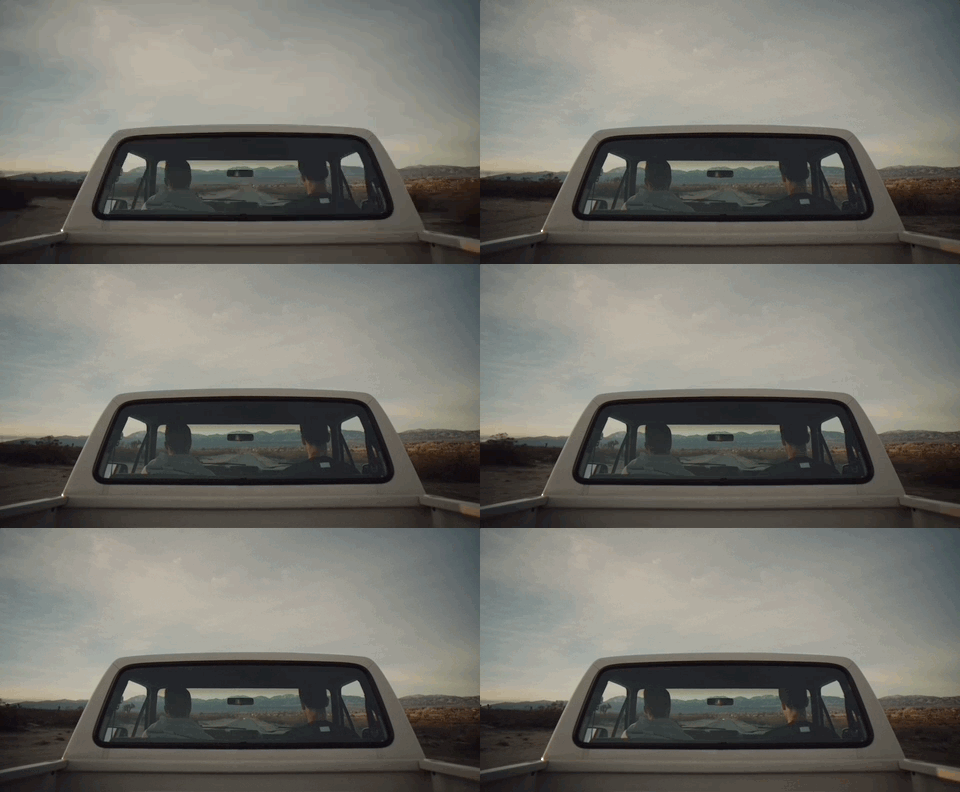
Fear of God - Directed by Dean Podmore
Nike - Nothing Beats a Londoner (2018) Megaforce
Wes Anderson for Prada (2013)
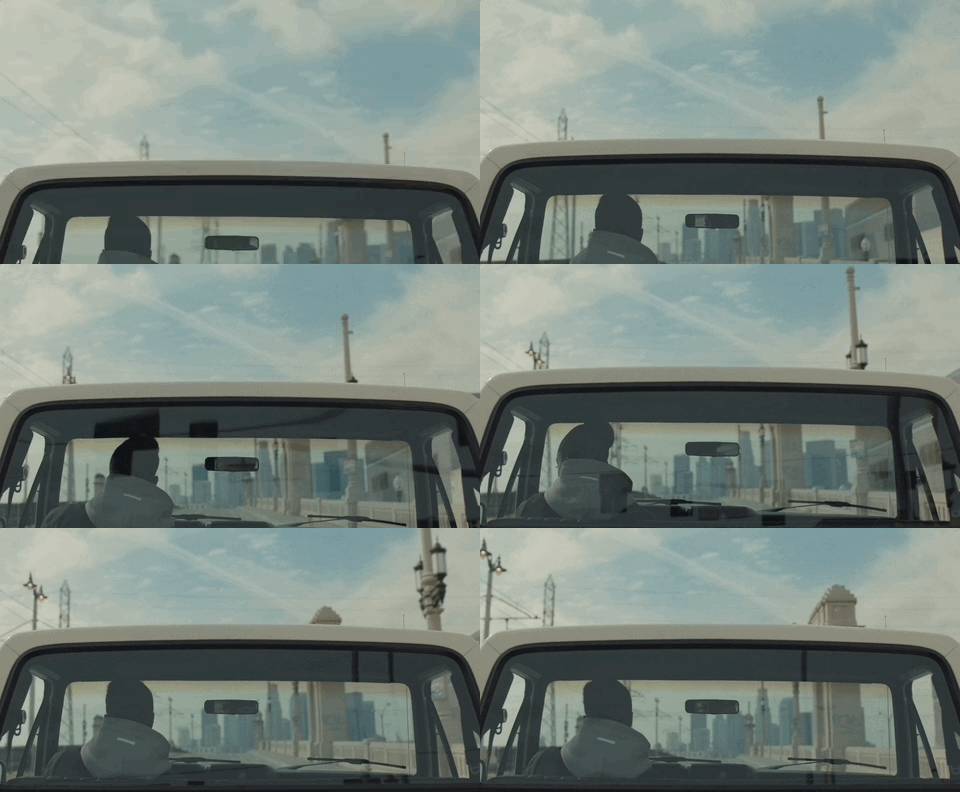
Fear of God - Directed by Dean Podmore
Know where this is from?
Know where this is from?
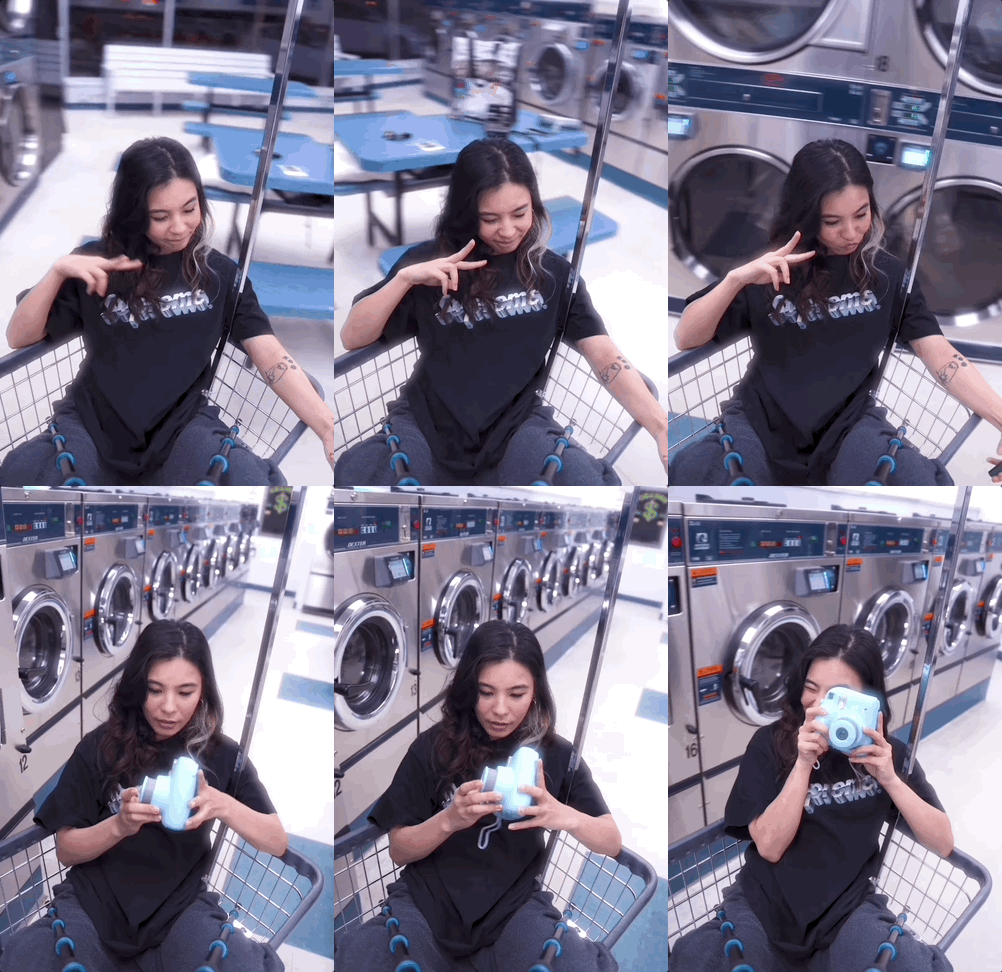
DomC Visuals - @domdedum
Better Call Saul (2015) Vince Gilligan
/ Are.na
@subliminal_marc / Giphy
@karl_shakur / IG
A$AP Rocky - D.M.B. (2022) AWGE
Huggies - Superbowl 2023
ScHoolboy Q - Dope Dealer ft. E-40
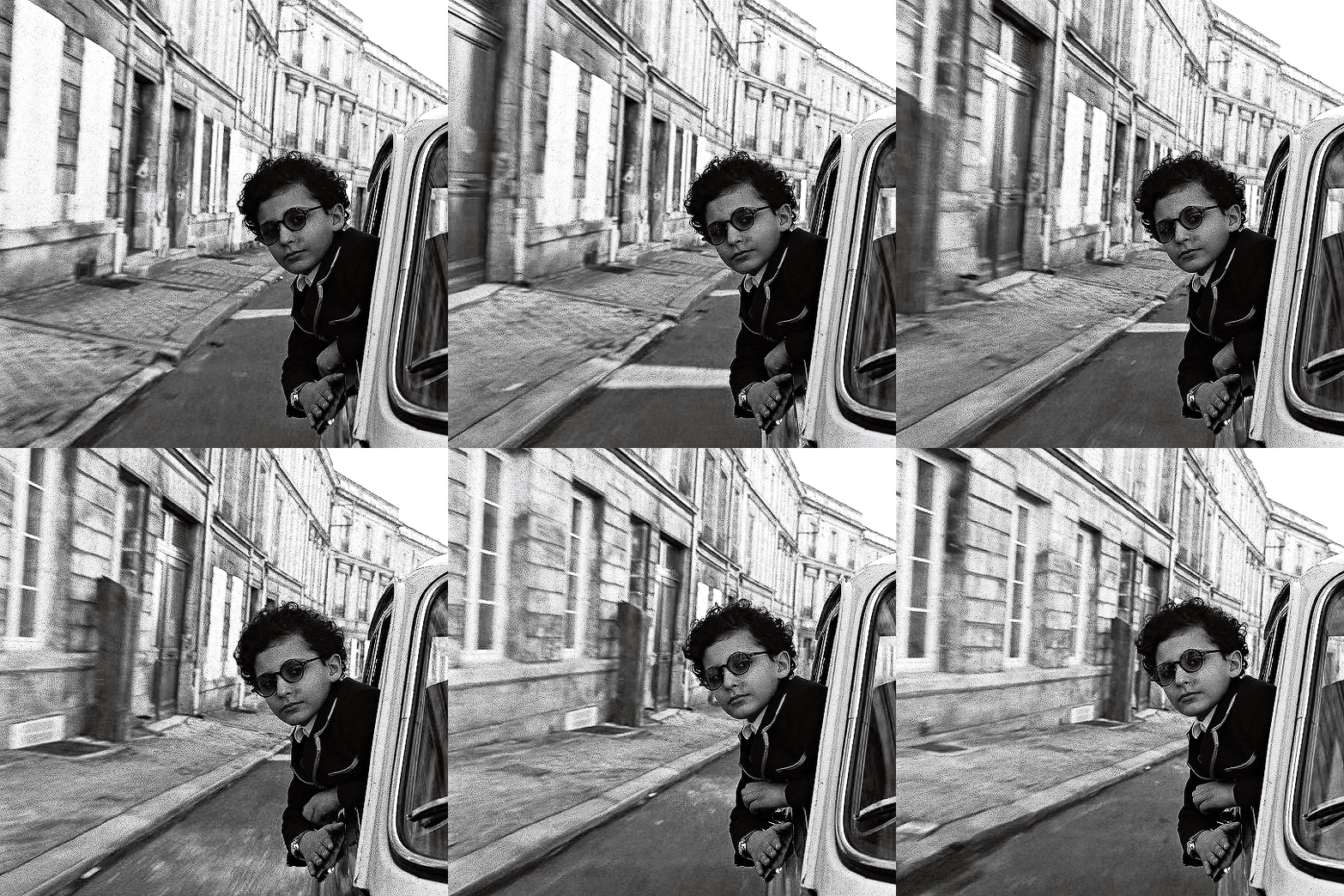
The French Dispatch (2021) Wes Anderson
Gaku - @gakuyen
@cliquamundo / IG
Barbie (2023)
Gaku - @gakuyen
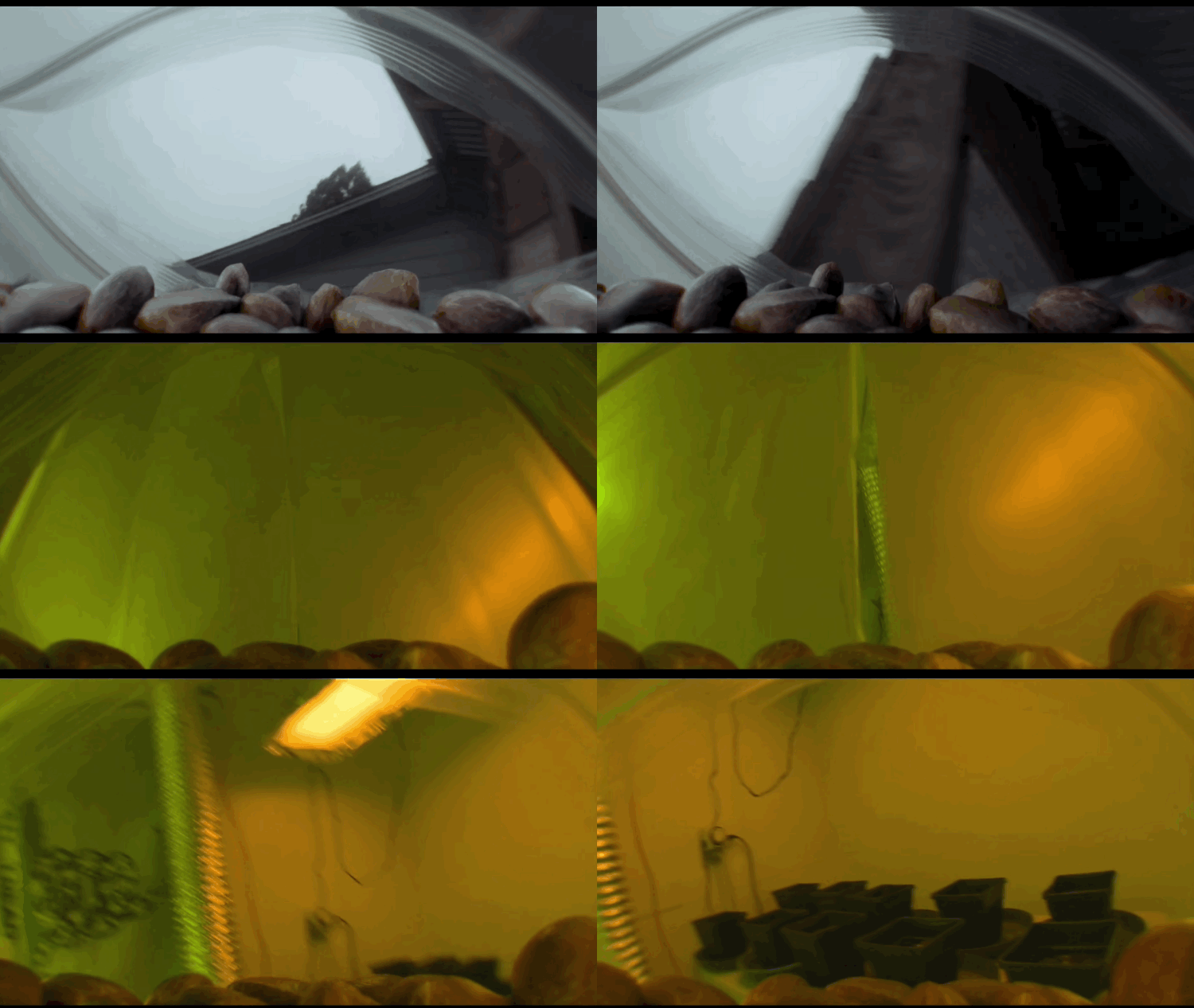
ScHoolboy Q - Dope Dealer ft. E-40
H&M - House of Members (2023) Jason Yan Francis
The French Dispatch (2021), Wes Anderson
Conswank - Holes In My Denim (2023) Pat & Seamus
Kelsey Lu
DJ Drama - Forever (2022)
Square - Para Los Que Hacen (2021) Alex Hulsey
BARBIE (2023) dir. Greta Gerwig
RUN SWEETHEART RUN (2020) dir. Shana Feste
Snowpiercer (2013) dir. Bong Joon Ho
Valaire - (She's a) Winner (feat. Alan Prater) (2023)
Playstation - Play Has No Limits (2022) dir. François Rousselet
Vaeda Black - Run Fast (2019) dir. Jacobi Mehringer, Justin Leyba

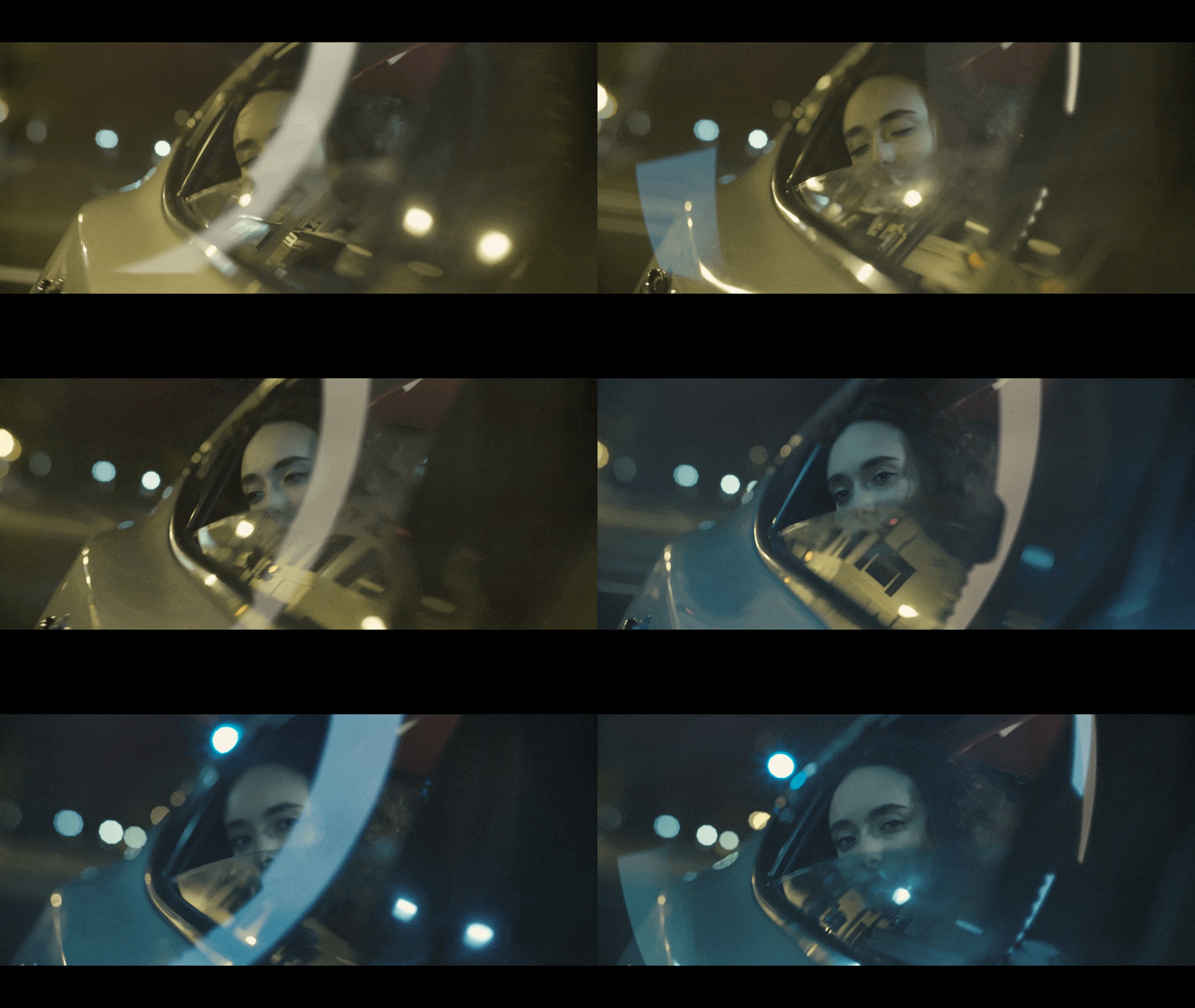
DEEP DIVE
DEEP DIVE
The Fixed Camera
-
The attached camera technique, also known as the point-of-view shot, is a common technique used in many films. Here are some examples of movies that use this technique:
"The Blair Witch Project" (1999) - The entire movie is shot using the attached camera technique, which adds to the film's sense of realism and suspense.
"Hardcore Henry" (2015) - This movie takes the attached camera technique to a new level by filming the entire movie from the point of view of the main character.
"Chronicle" (2012) - This found footage superhero film uses the attached camera technique to show the characters' powers from their point of view.
"Cloverfield" (2008) - This monster movie uses the attached camera technique to create a sense of chaos and panic as the characters try to survive an attack on New York City.
"District 9" (2009) - This sci-fi film uses the attached camera technique to create a documentary-like feel as the story unfolds.
"REC" (2007) - This Spanish horror film uses the attached camera technique to create a sense of claustrophobia and tension as a news crew gets trapped in a building with a deadly virus.
-
Directors use the attached camera technique to give the viewer a subjective perspective, as if they are experiencing the events firsthand. The camera is attached to a character or object and follows them through the scene, immersing the audience in the action. Directors may use this technique to create tension or suspense, as in the opening sequence of the horror film "Halloween" (1978), where the camera follows the killer's point of view as he stalks his victims. They may also use it to convey a character's emotions or physical sensations, such as in the car chase scene in "Children of Men" (2006), where the camera is attached to the front of the car and bounces around with every impact and turn, giving the audience a visceral sense of the danger and chaos.
-
The attached camera technique, also known as a body mount shot, involves attaching a camera to the body of the actor or an object to create a POV shot. Here are the steps to achieve this effect:
Choose a lightweight camera: The camera should be small and lightweight so that it can be easily attached to the performer's body.
Select the mounting location: Decide where you want to mount the camera on the performer's body. Some common locations include the head, chest, or waist.
Use a body mount: Use a specialized body mount rig that securely holds the camera in place on the performer's body.
Coordinate movements: Coordinate the performer's movements with the camera movement to ensure a smooth and stable shot.
Practice and test: Practice and test the shot before filming to ensure that the camera stays securely attached and the footage is stable.
Some filmmakers have also used handheld or DIY body mount rigs to achieve the attached camera effect.