CLOSE-UP SHOT
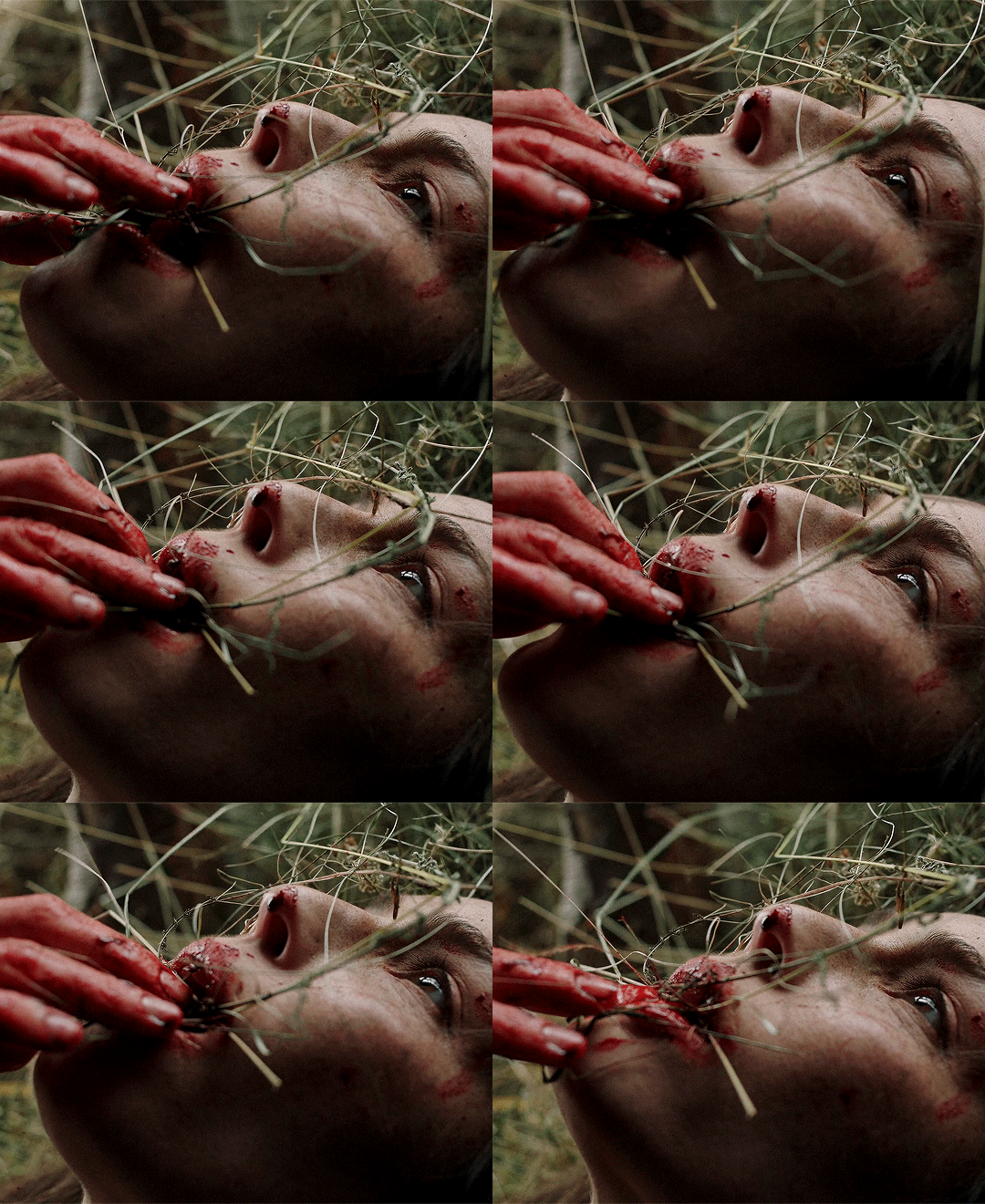
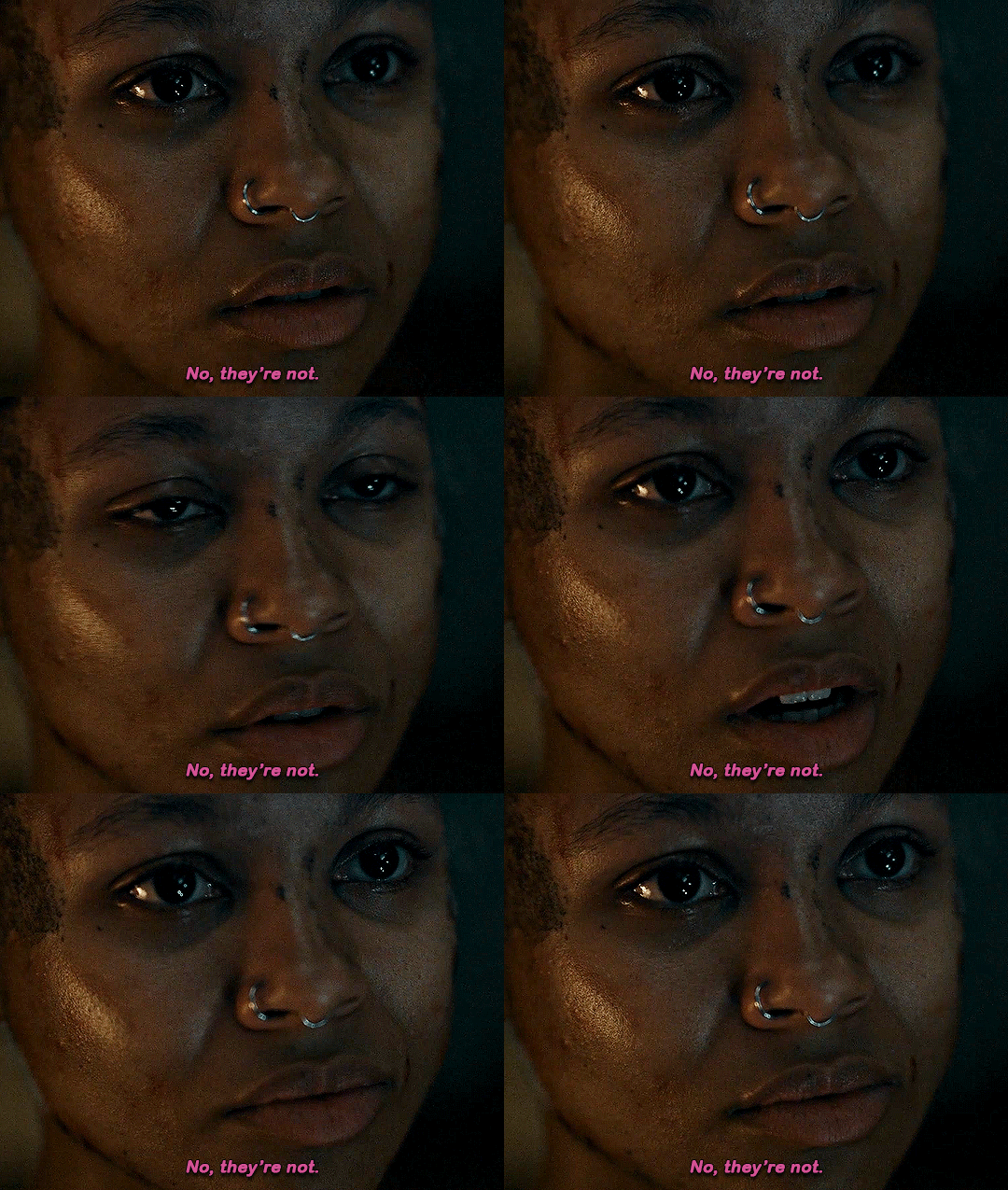
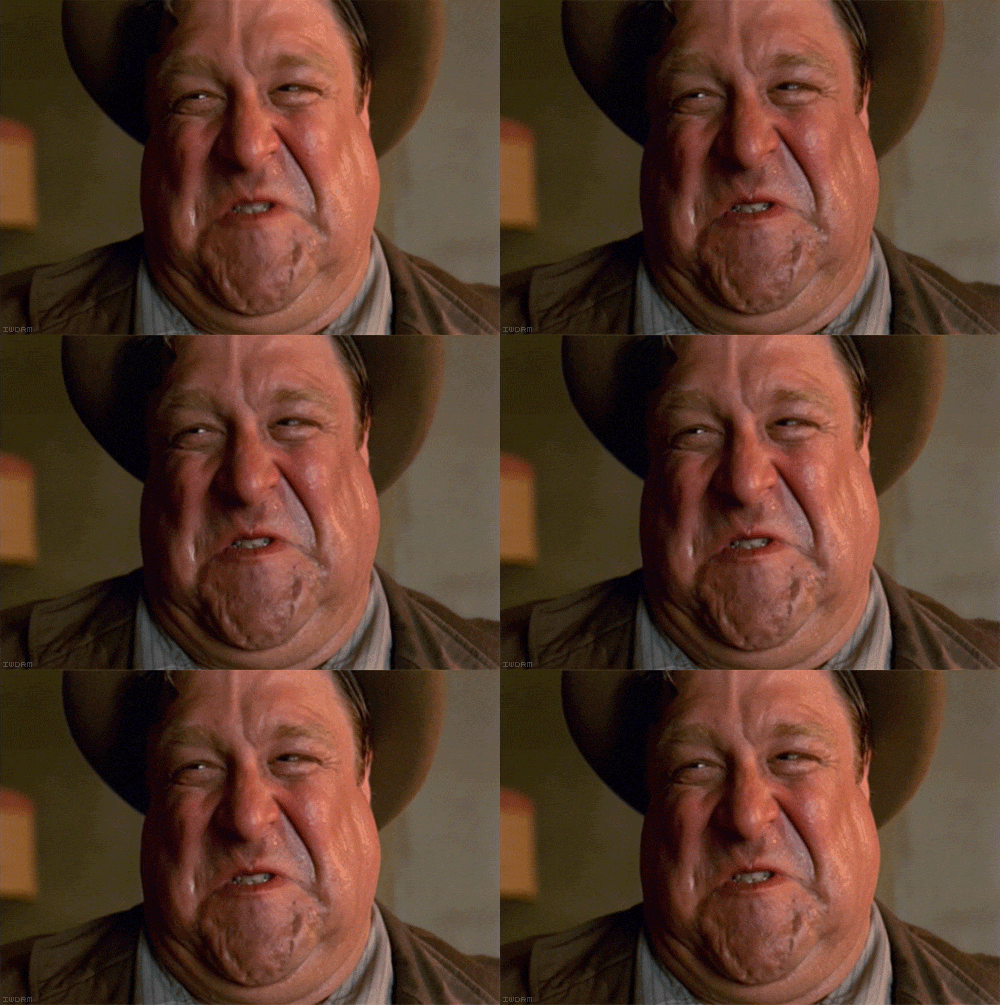
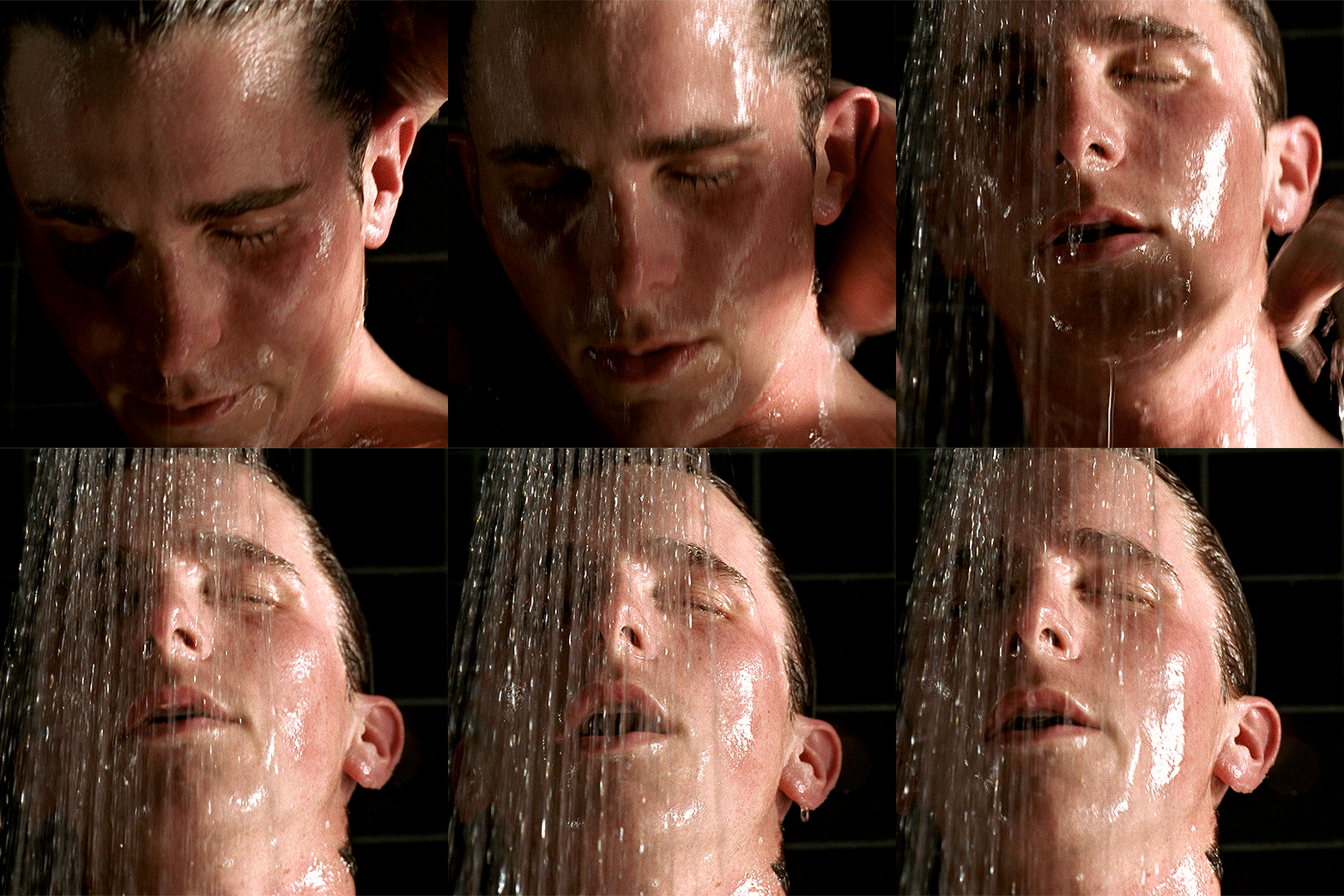
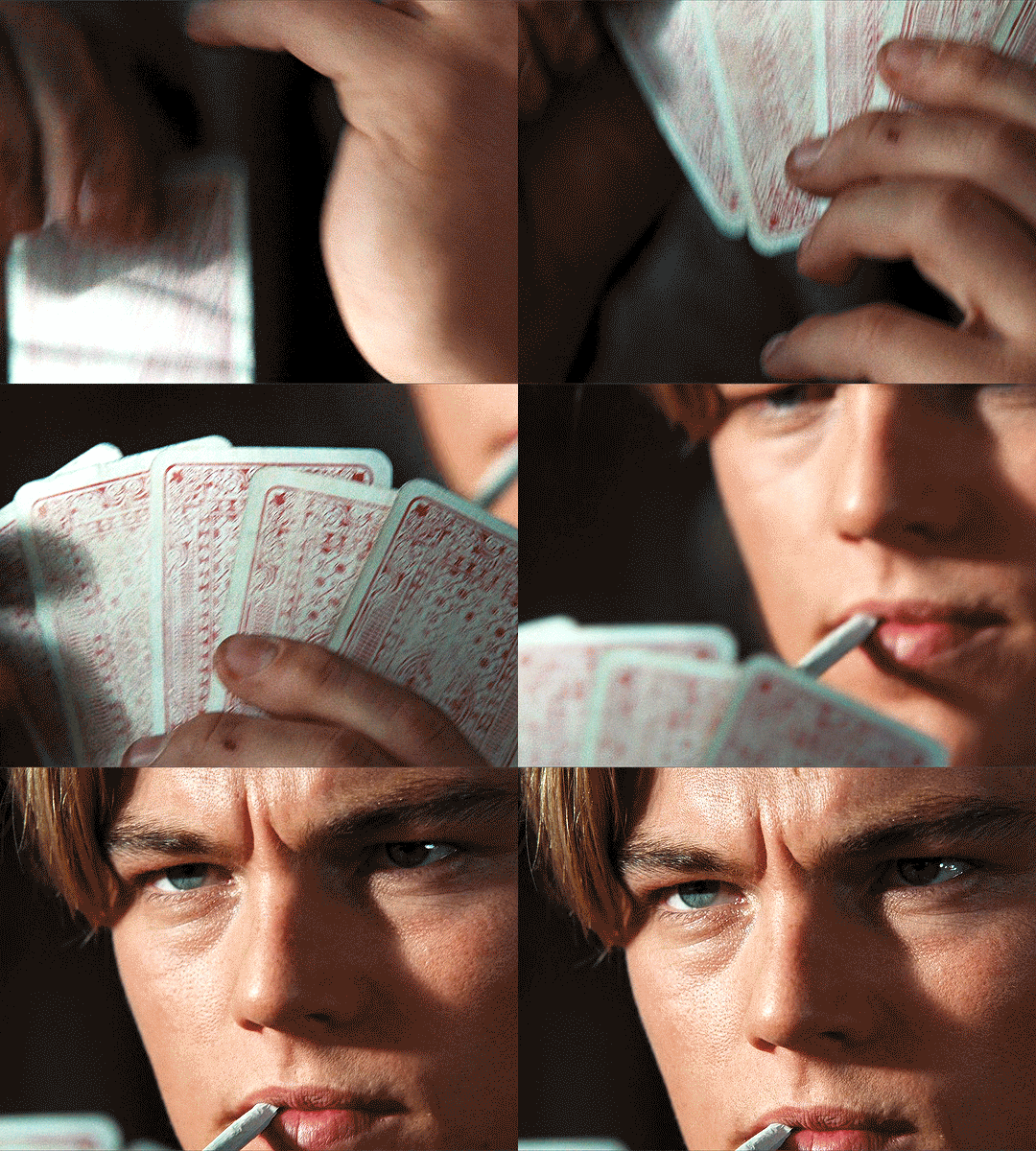
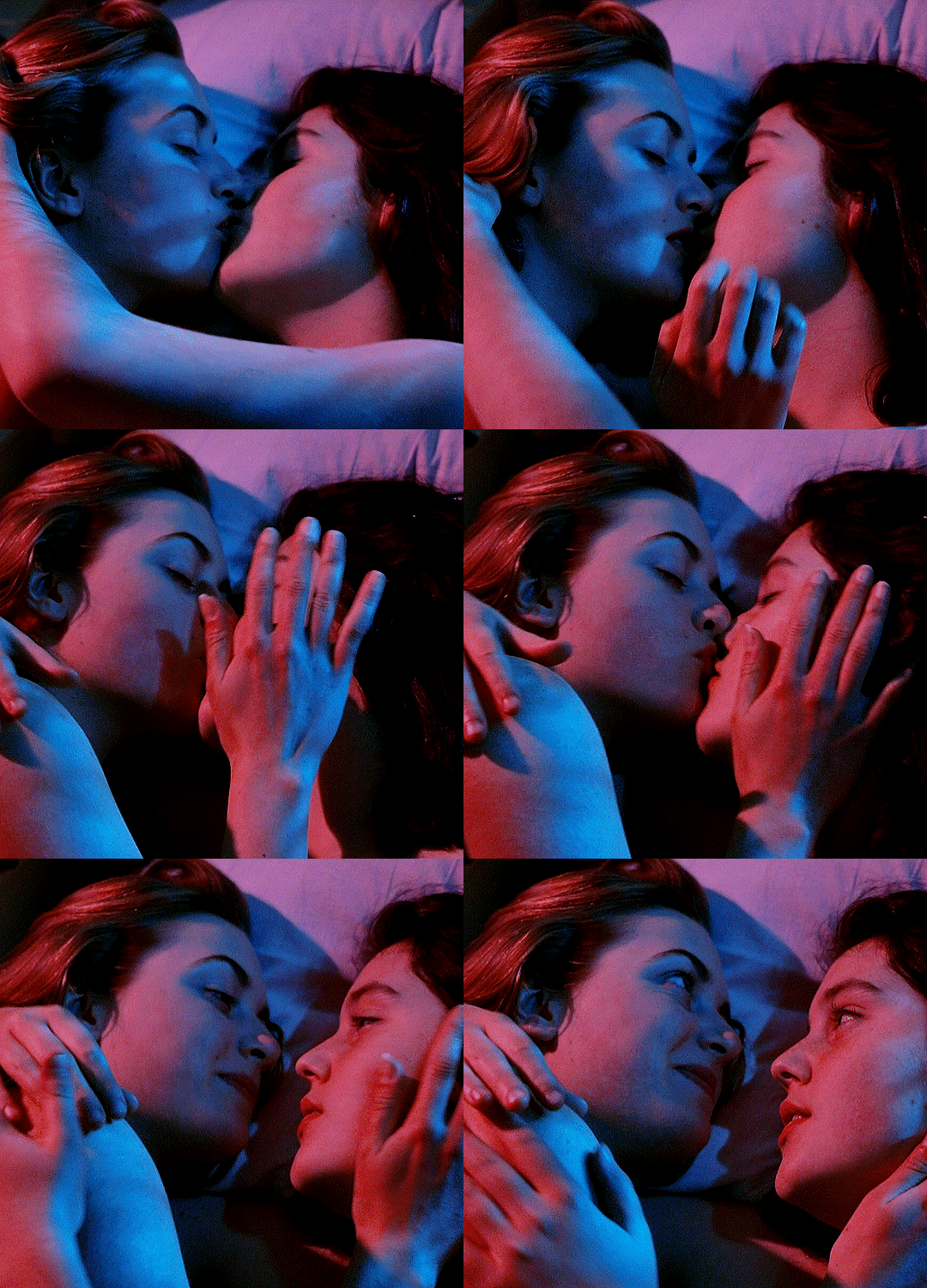
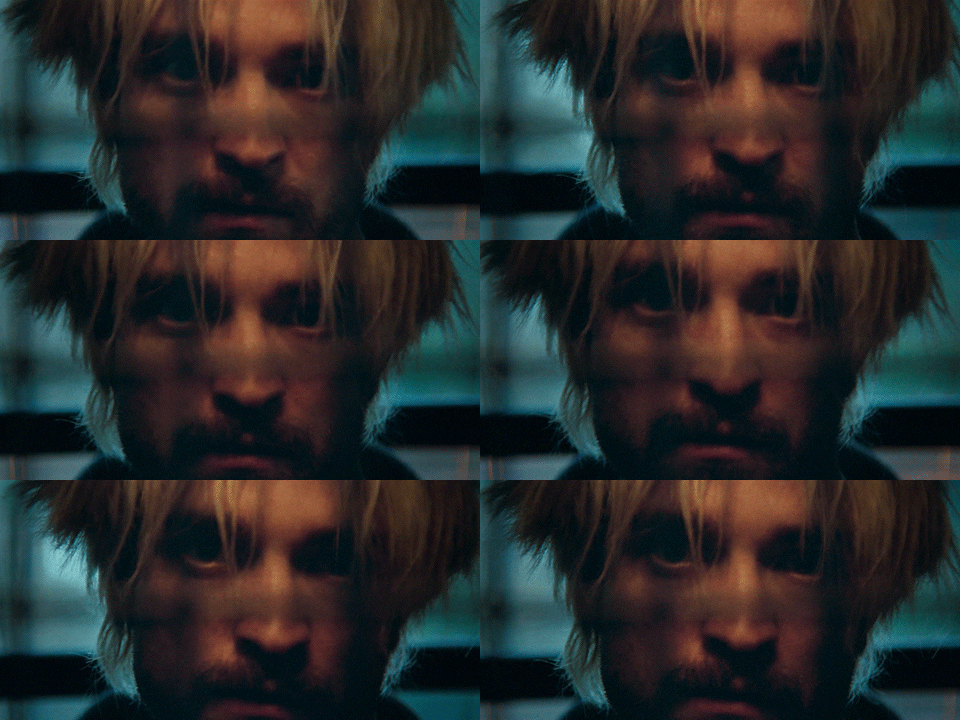
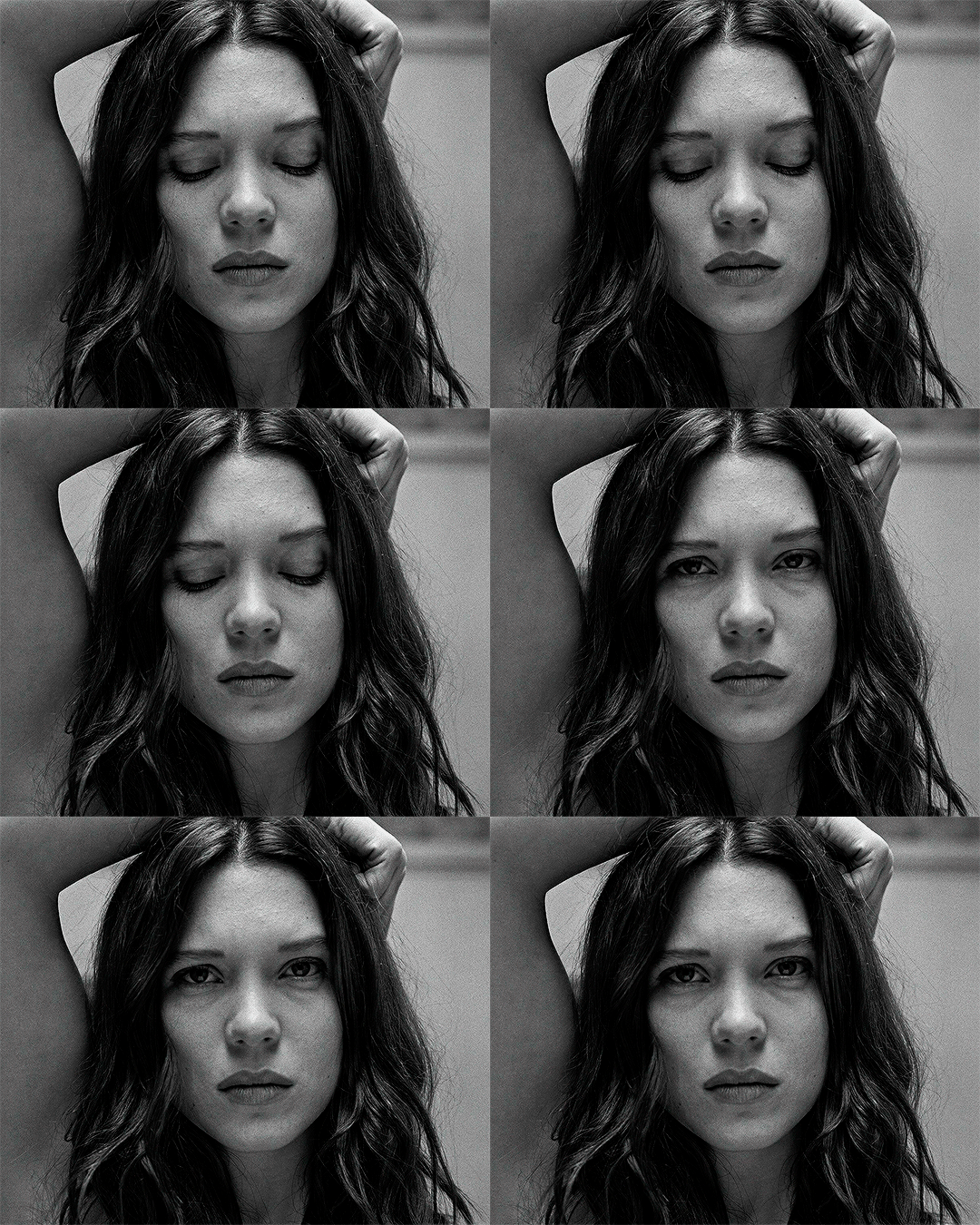
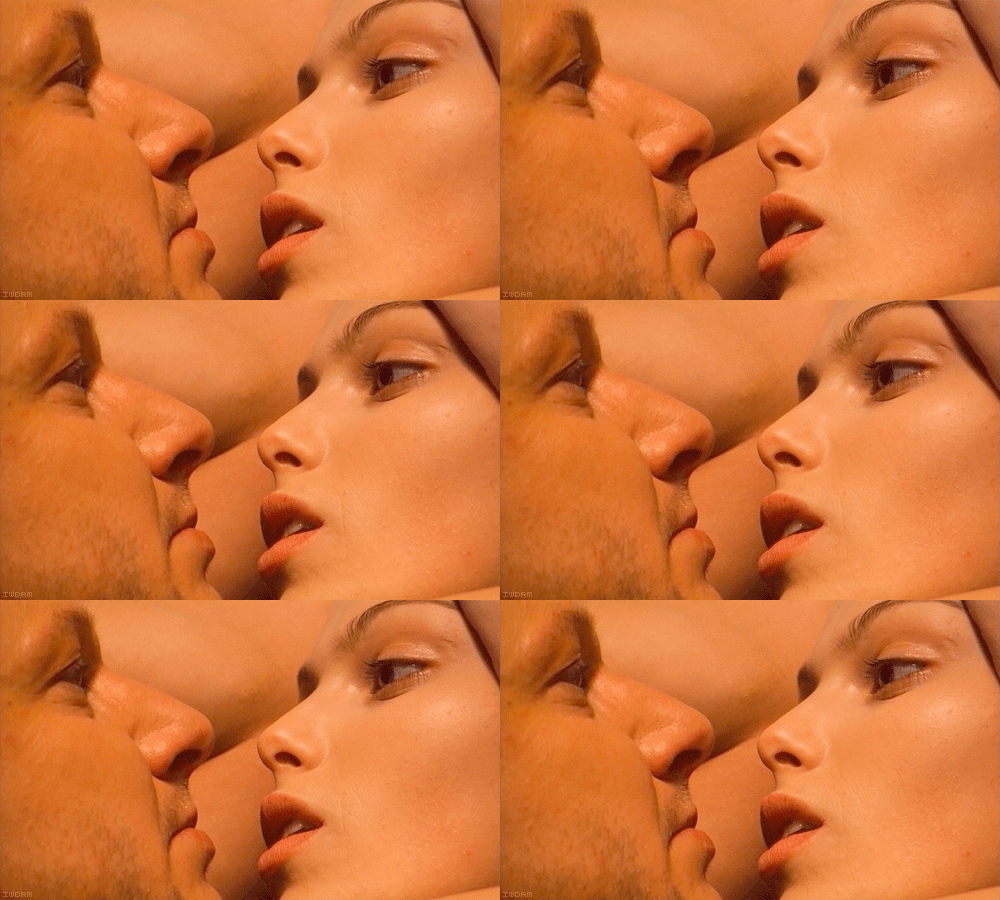
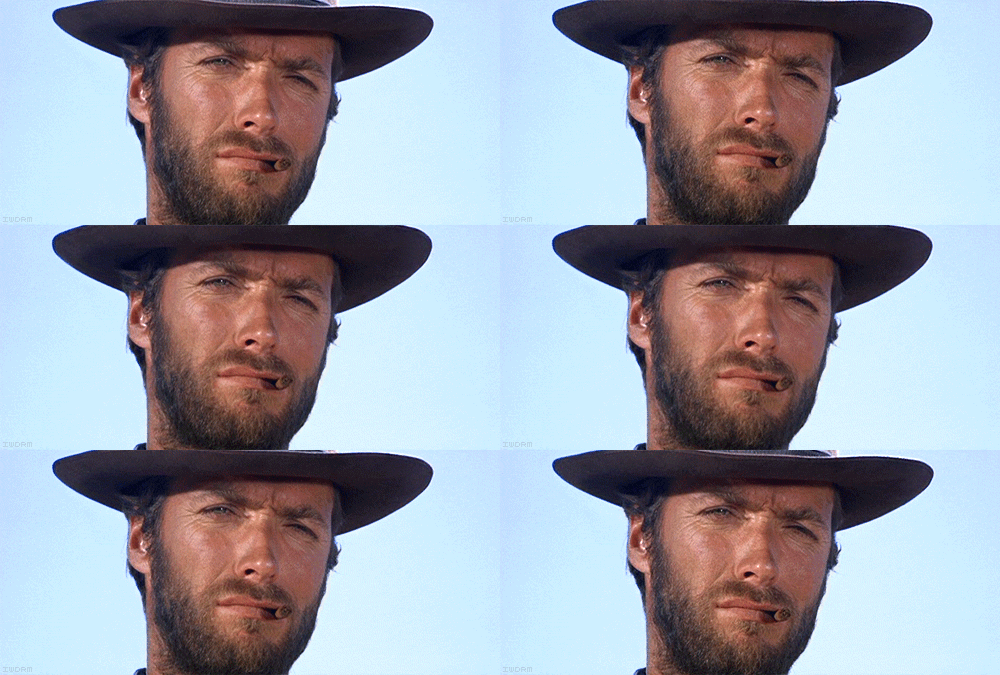
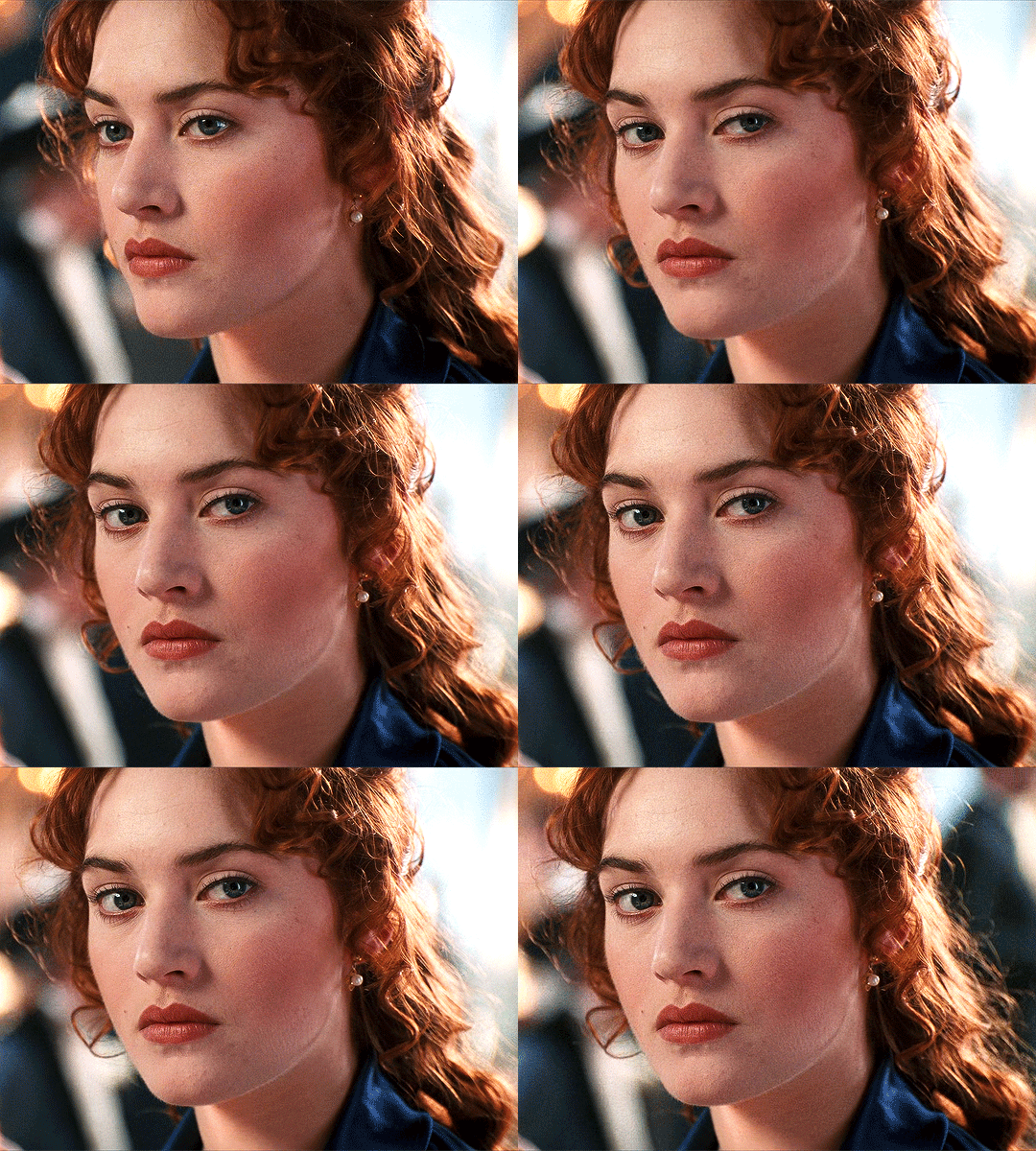
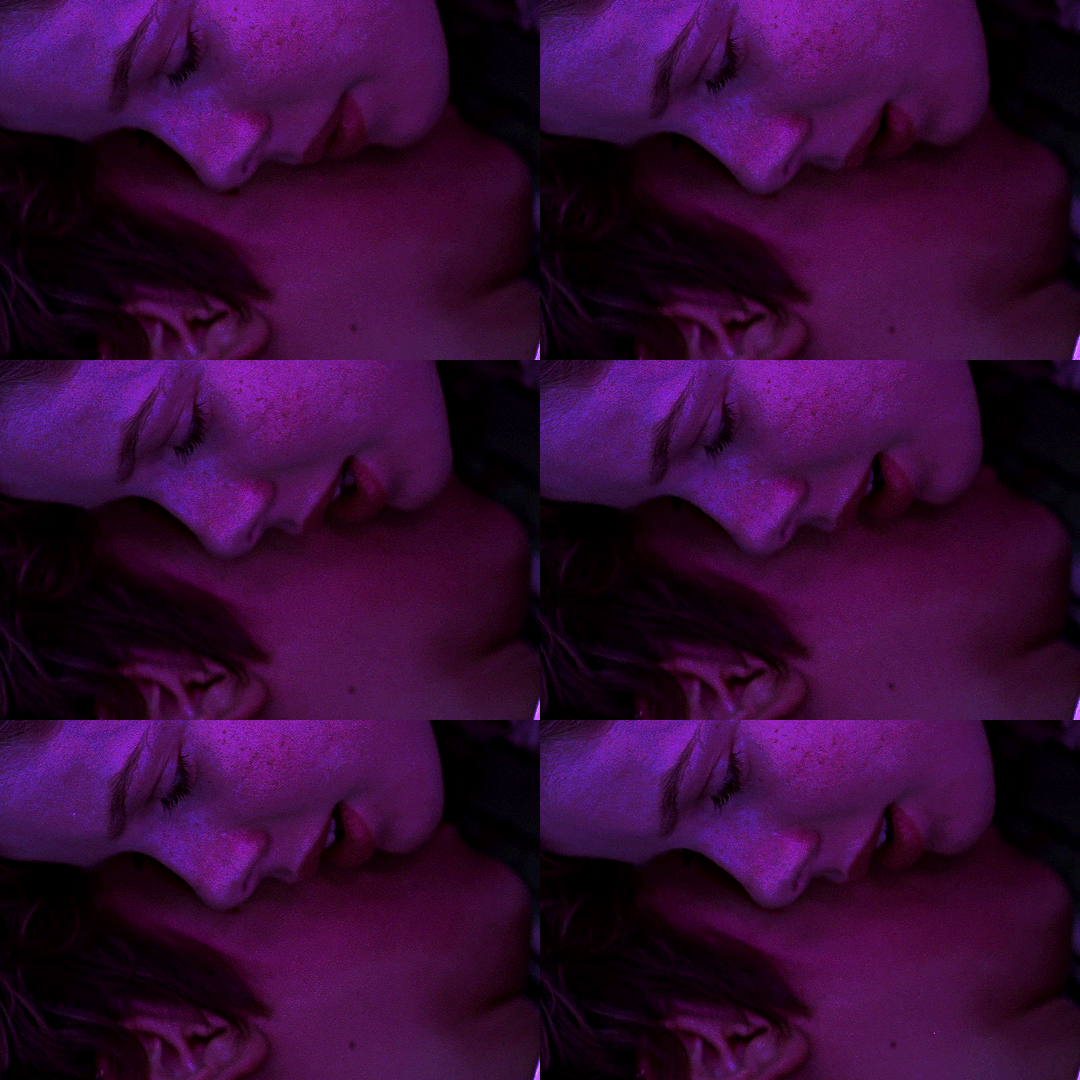
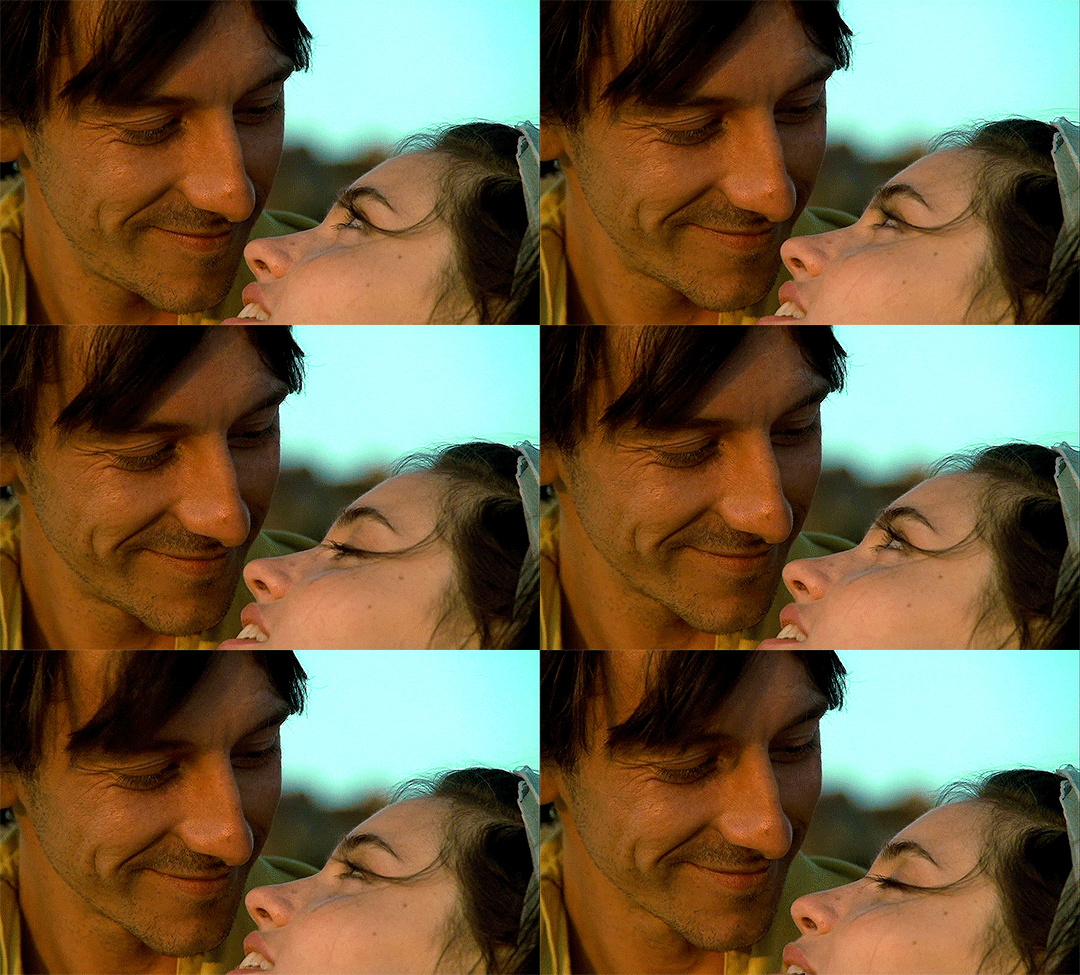
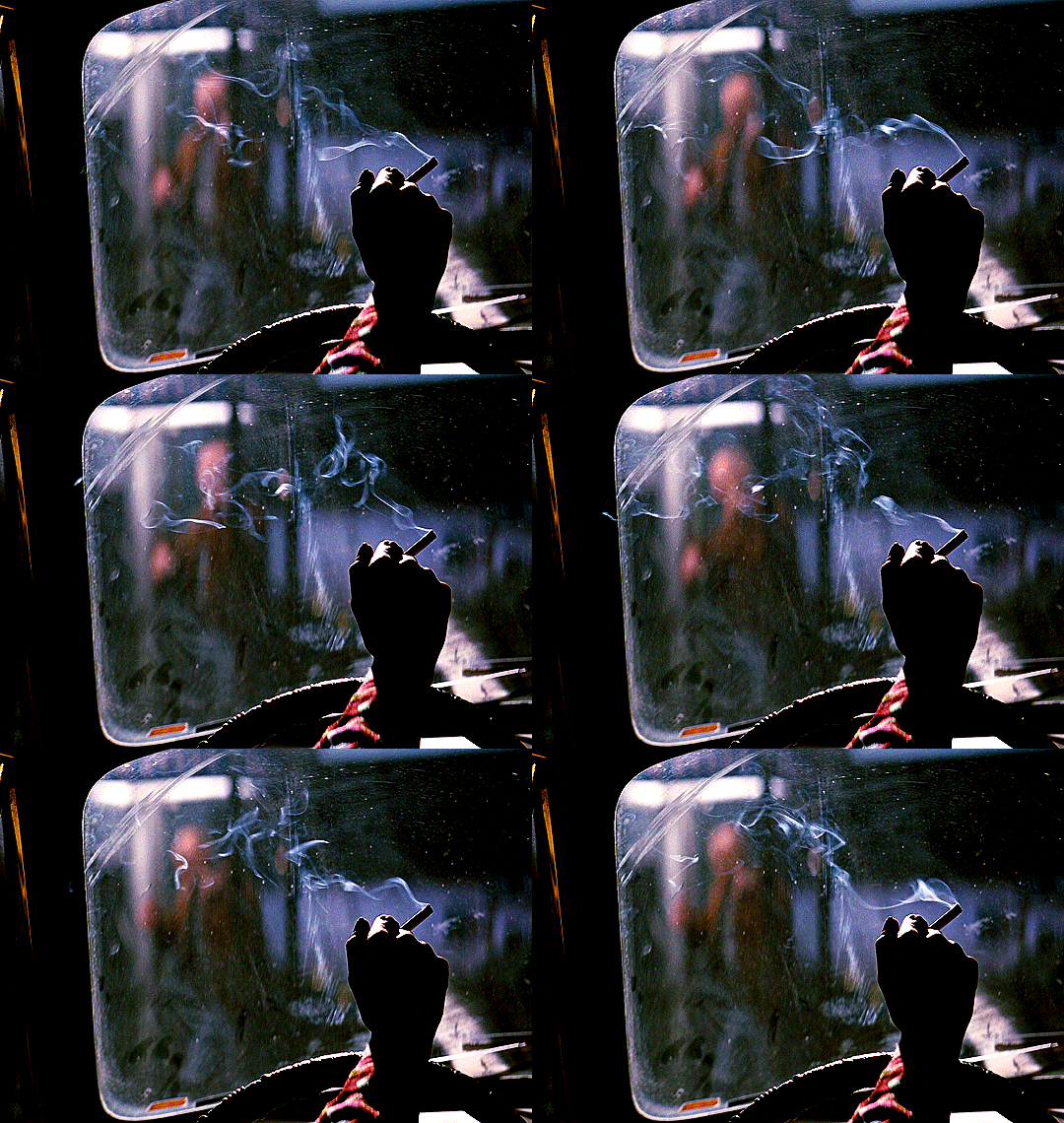
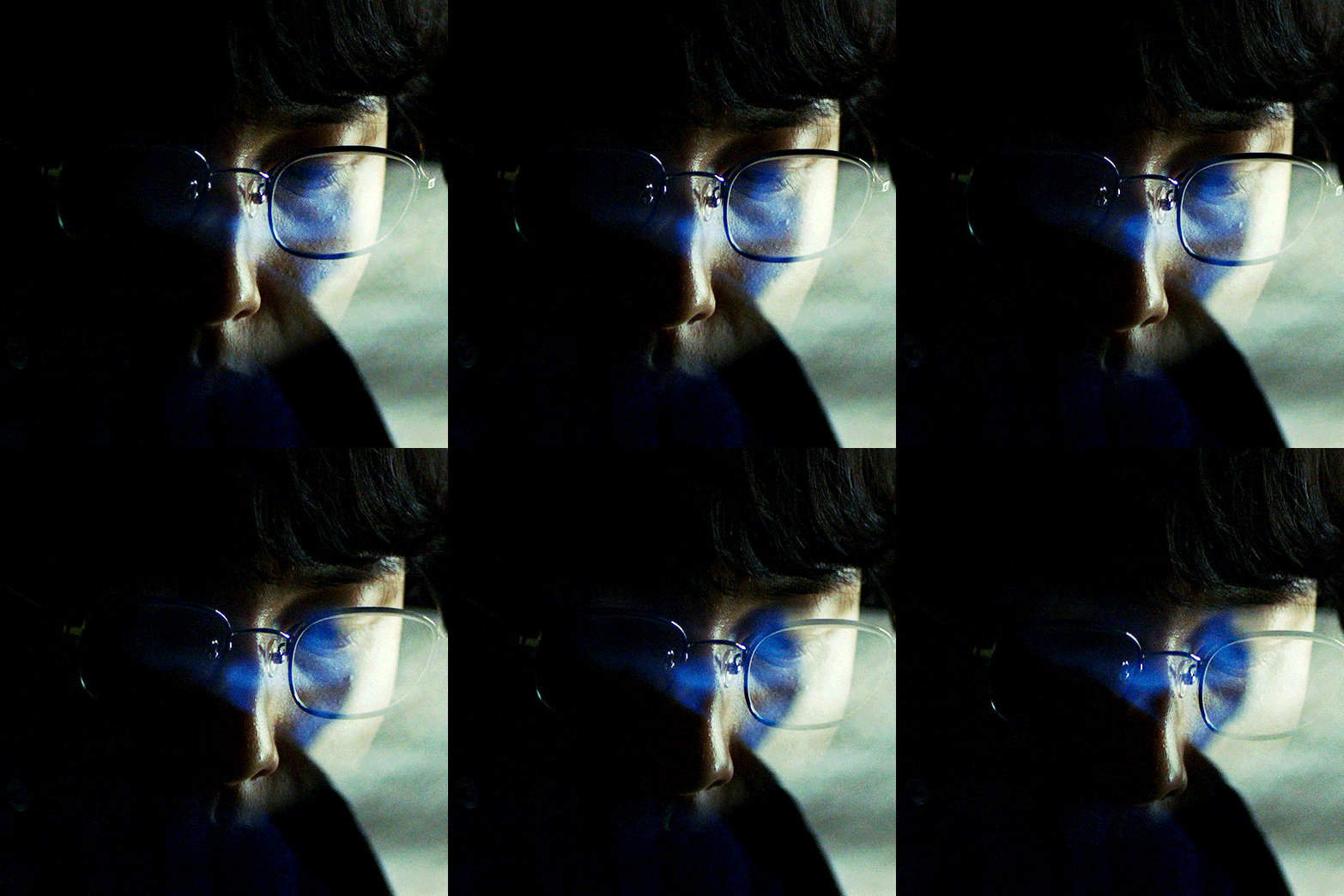
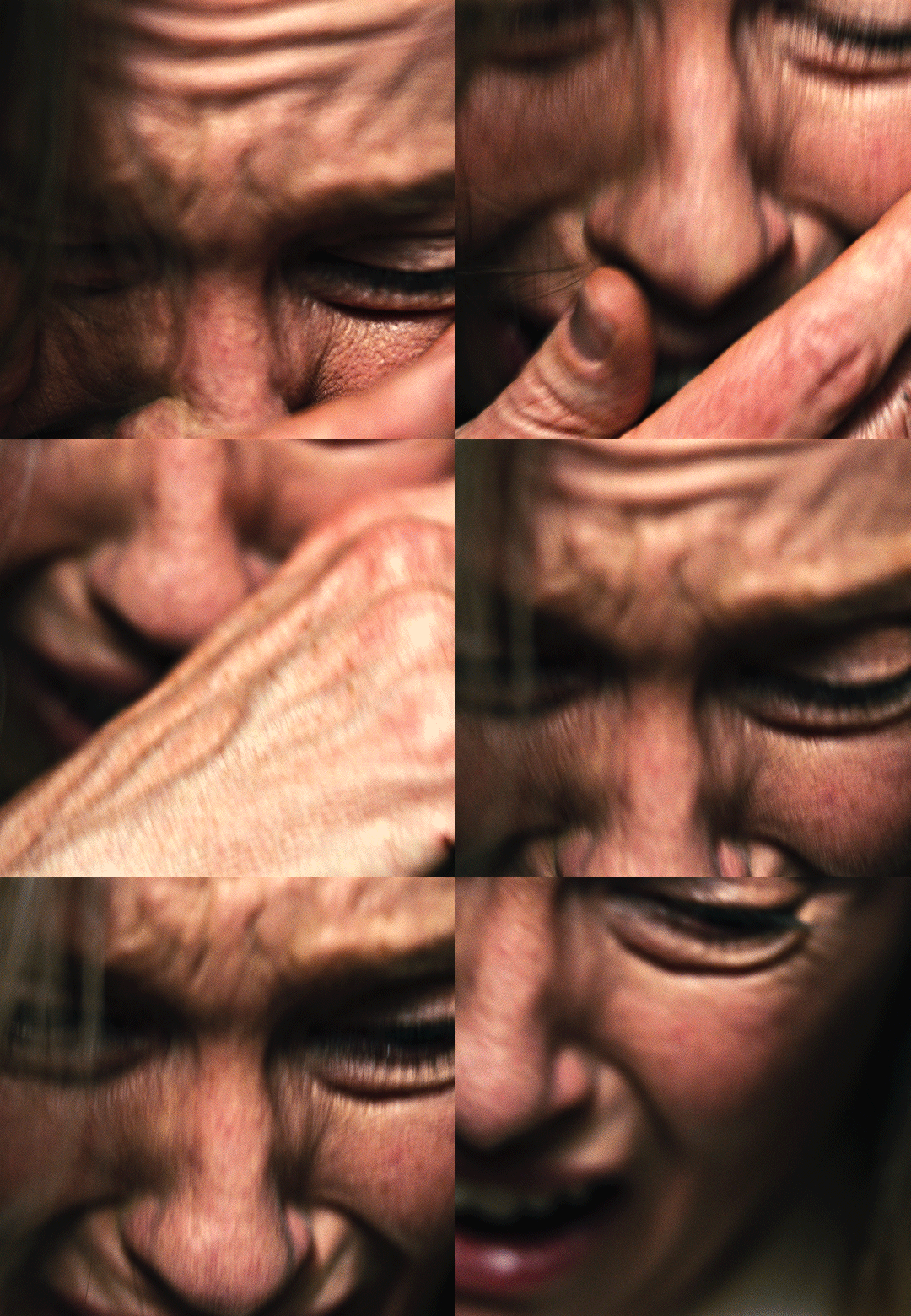
Close-Up fills the screen with part of the subject, such as a person's head/face. Framed this tightly, the emotions and reaction of a character dominate the scene.
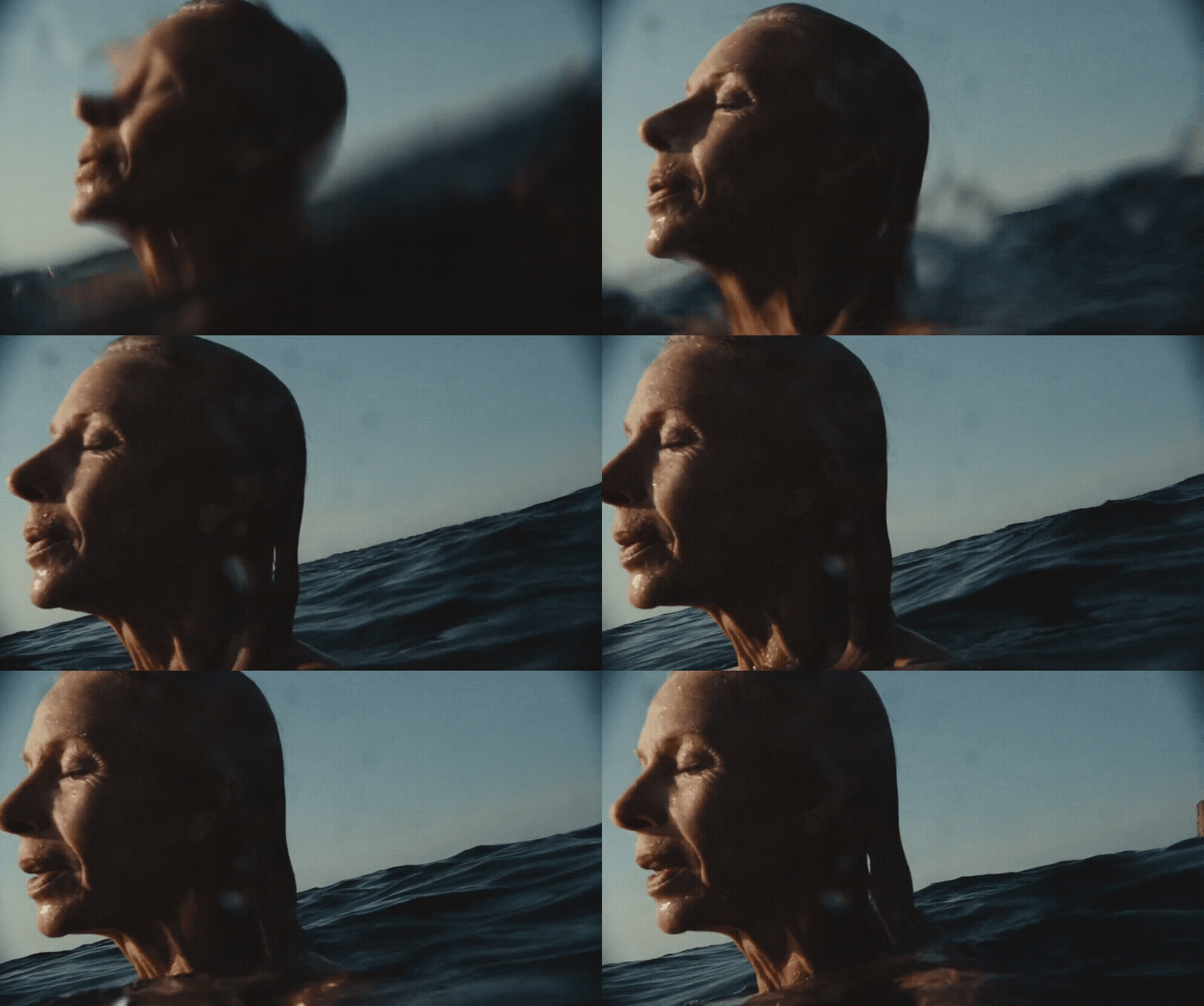
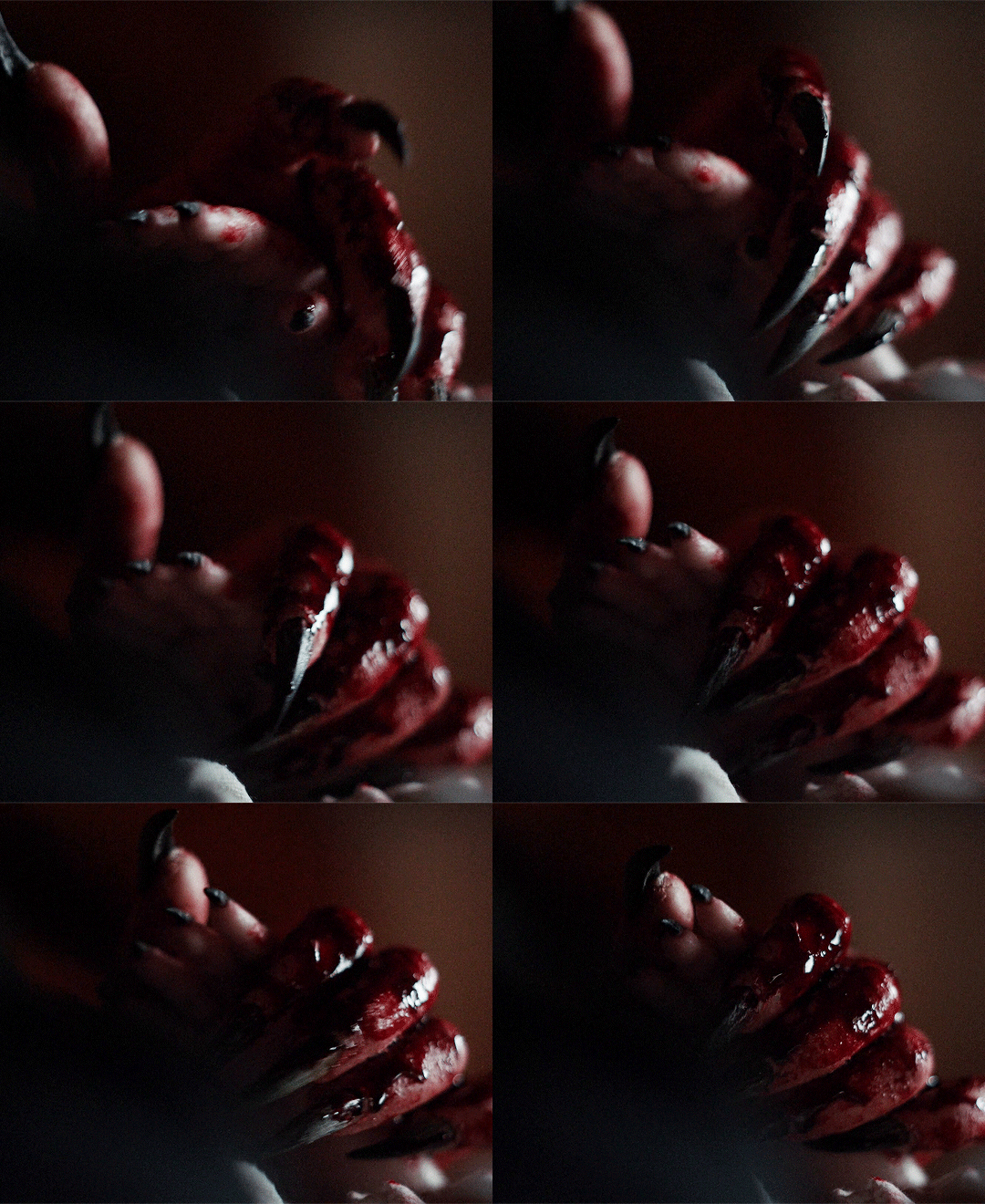
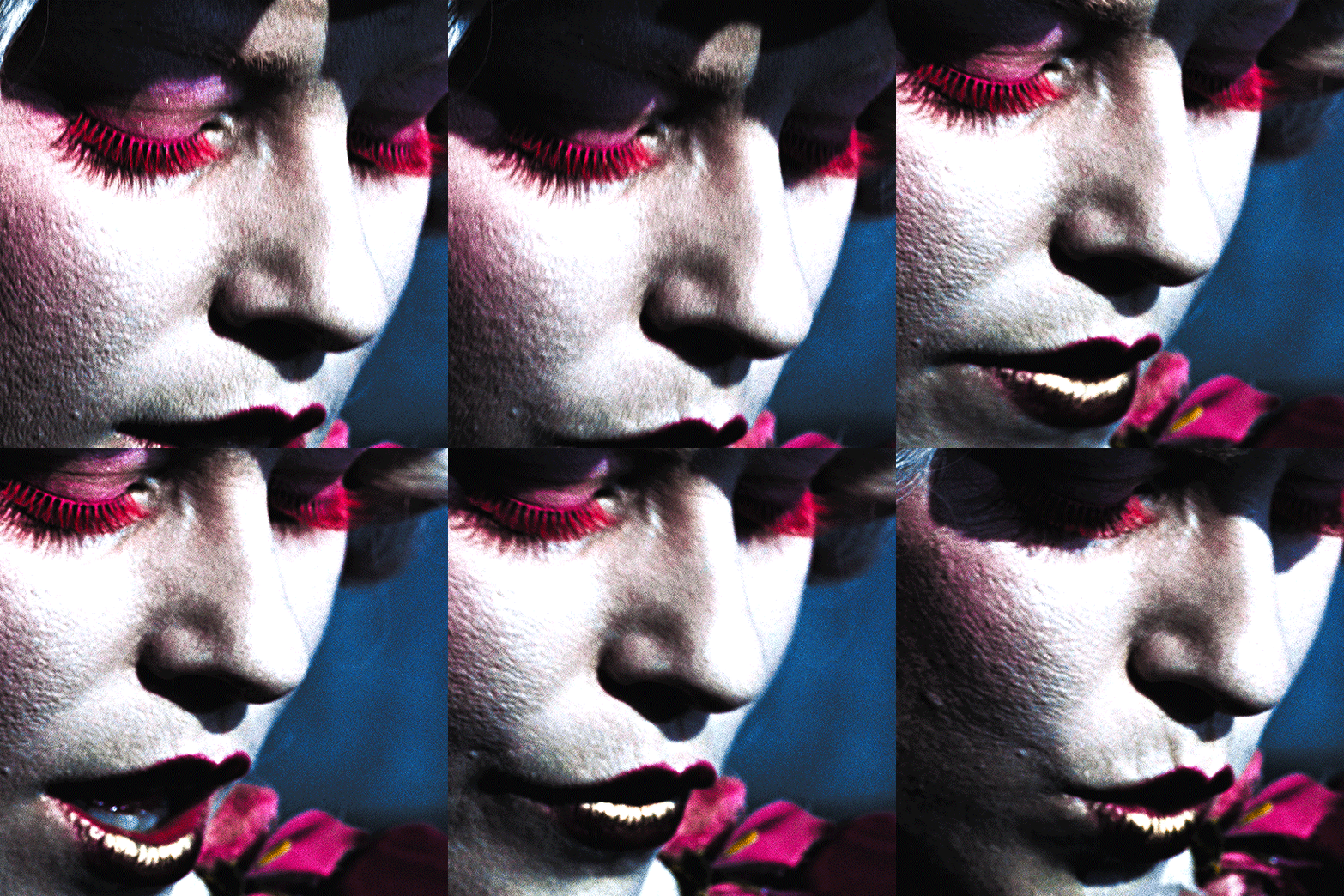
You Won’t Be Alone (2022) dir. Goran Stolevski
Bodies Bodies Bodies (2022), Halina Reijn
Barton Fink (1991)
Last Night in Soho (2021), Edgar Wright
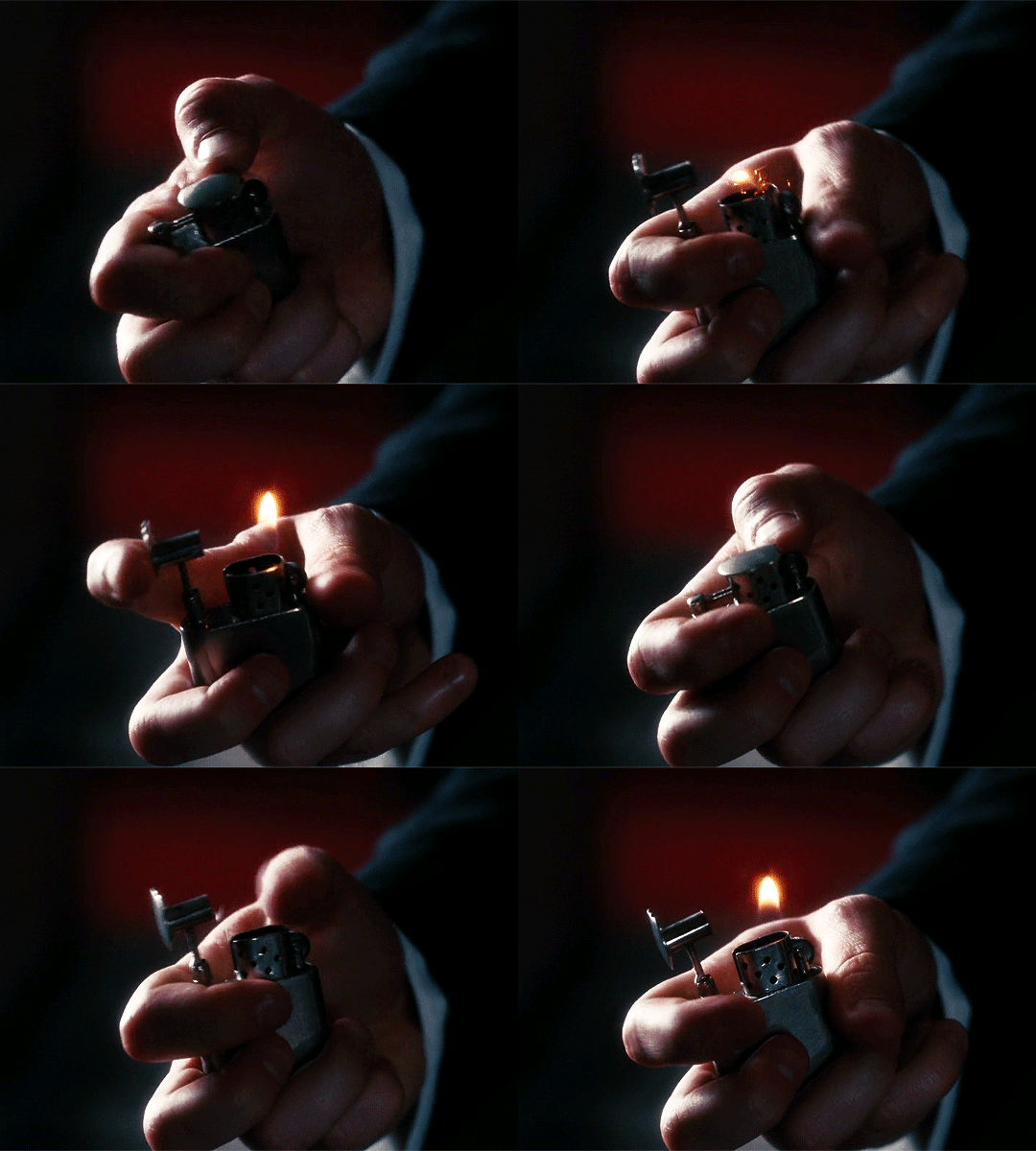
American Psycho (2000) dir. Mary Harron
Titanic (1997), James Cameron
Heavenly Creatures (1994) dir. Peter Jackson
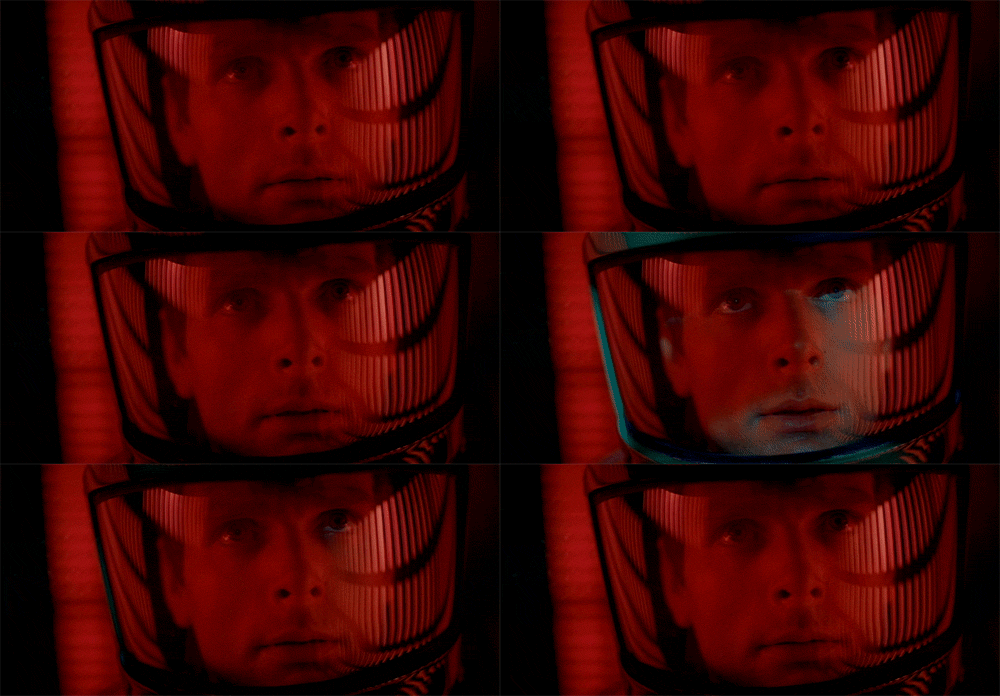
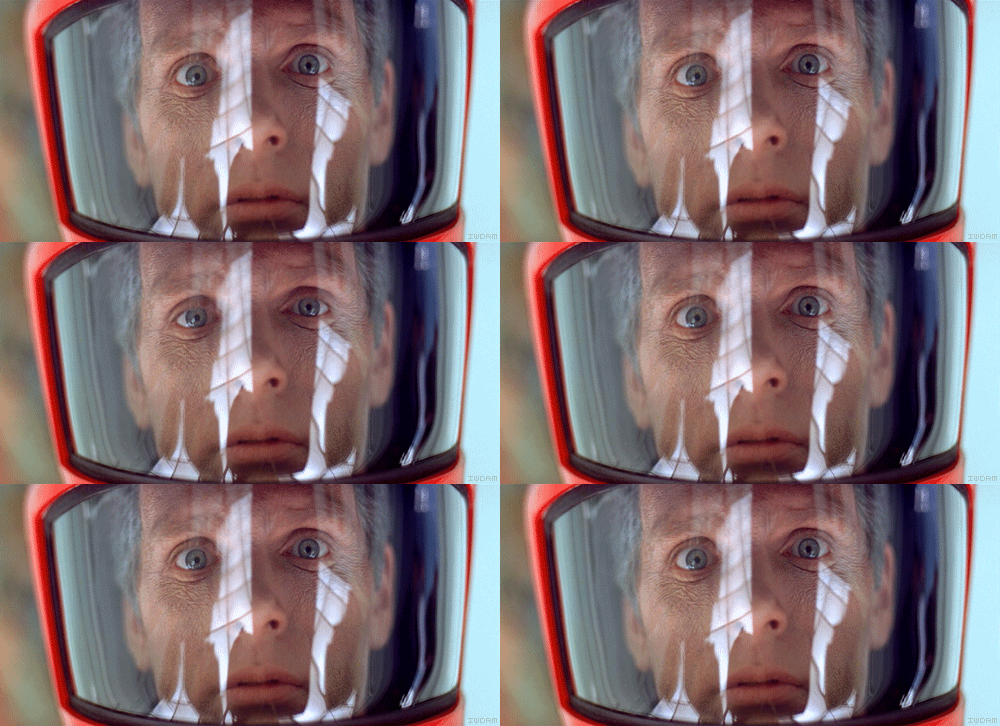
2001: A Space Odyssey (1968), Stanley Kubrick
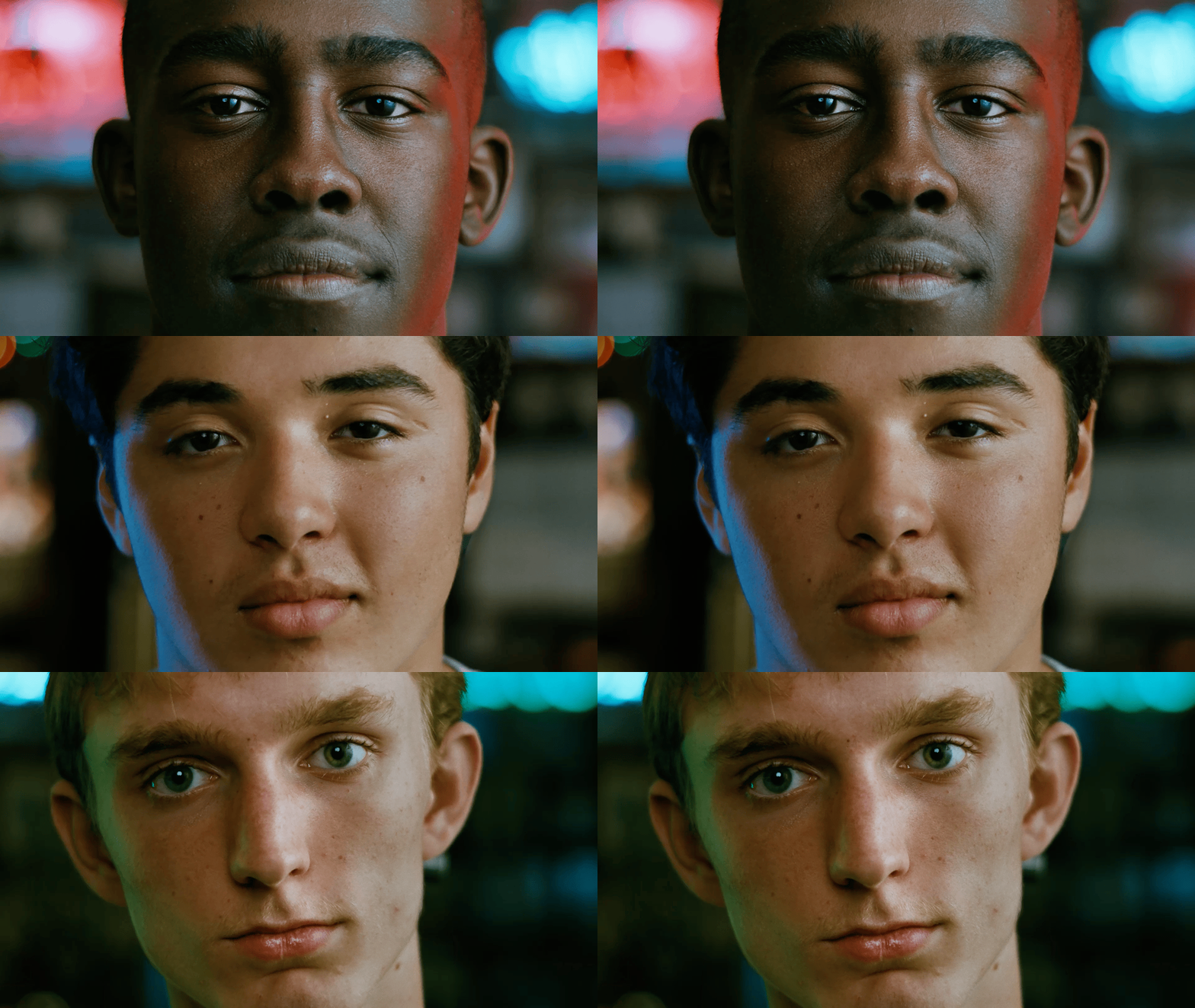
Good Time (2017) Safdie Bros
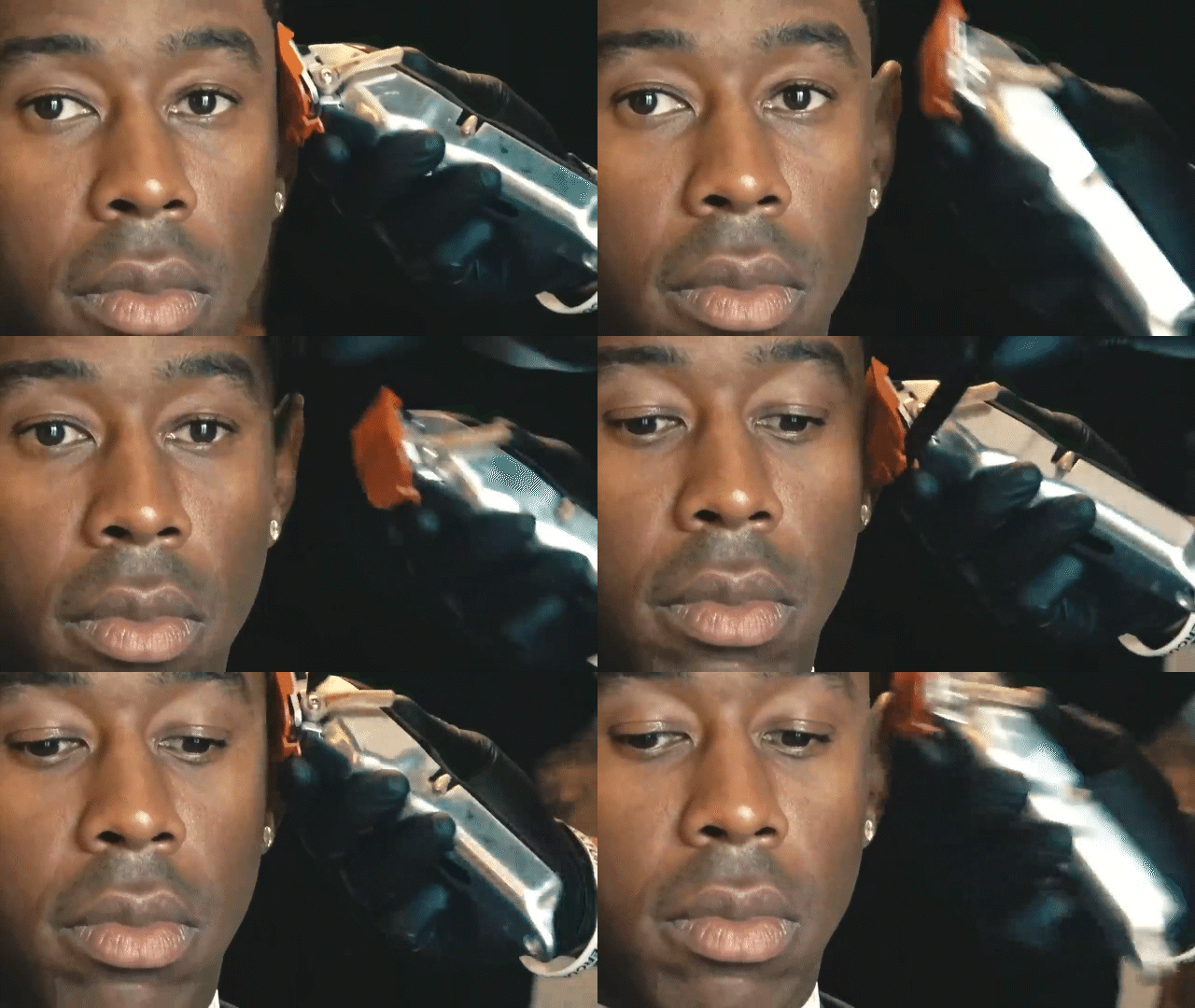
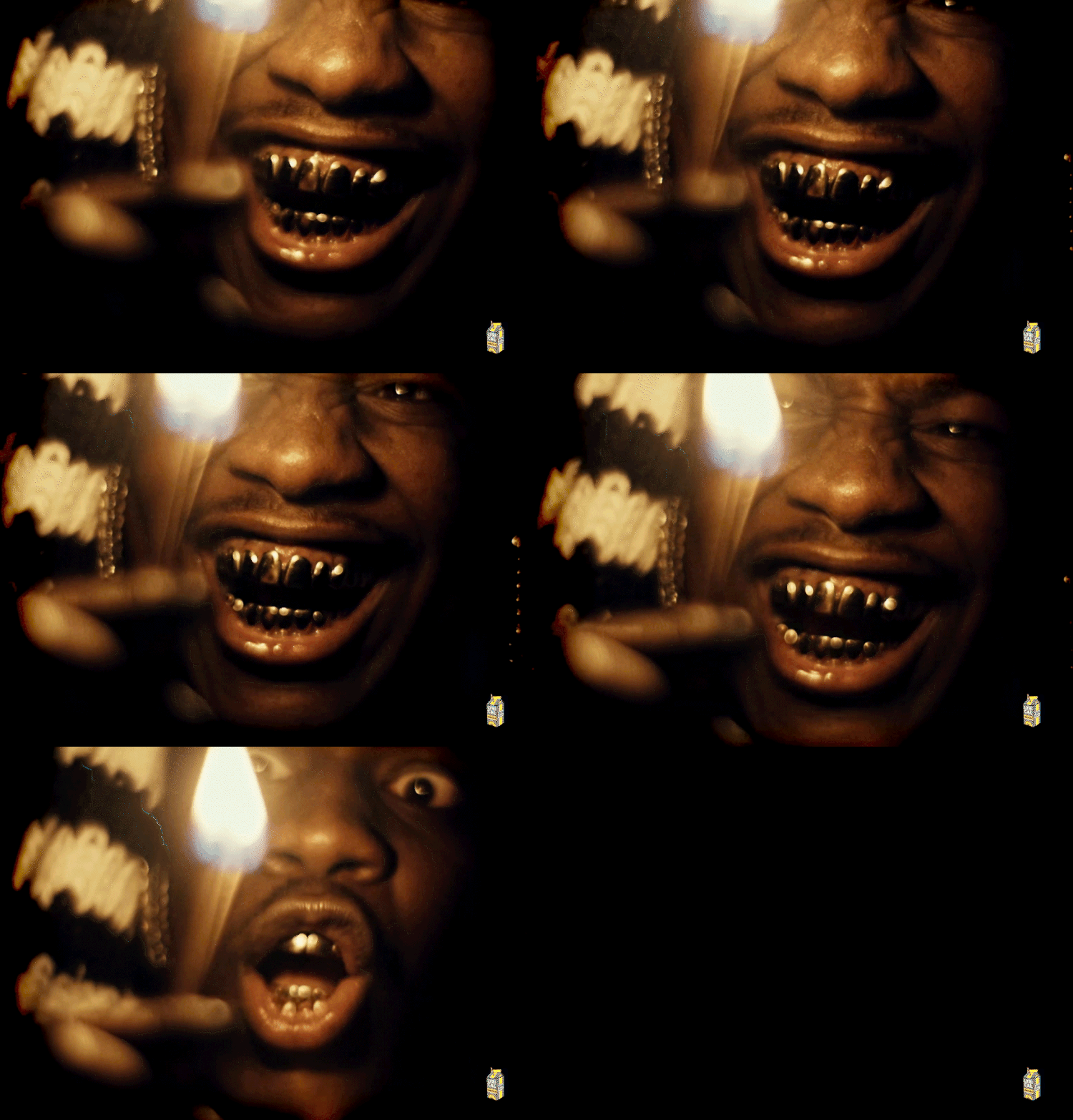
Tyler The Creator - Hot Winds Blow (Lazaro Rodriguez)
/ Kive
Nike - Sport Changes Everything, Chicago-Style (2019) Mike Warzin
Nike - Sport Changes Everything, Chicago-Style (2019) Mike Warzin
Sony - It's Just Your World, Nothing Else (2022)
The French Dispatch (2021), Wes Anderson
Lil Yachty - Strike (2023)
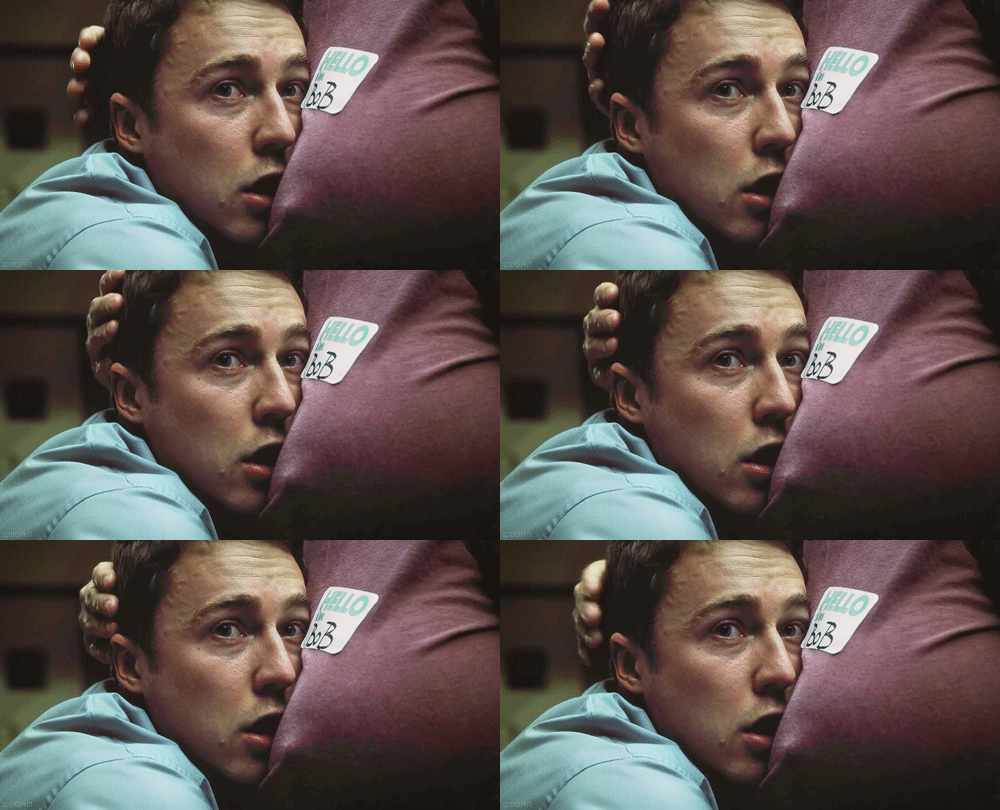
Fight Club (1999)
Walkabout (1971)
You Won’t Be Alone (2022) dir. Goran Stolevski
2001: A Space Odyssey (1968), Stanley Kubrick
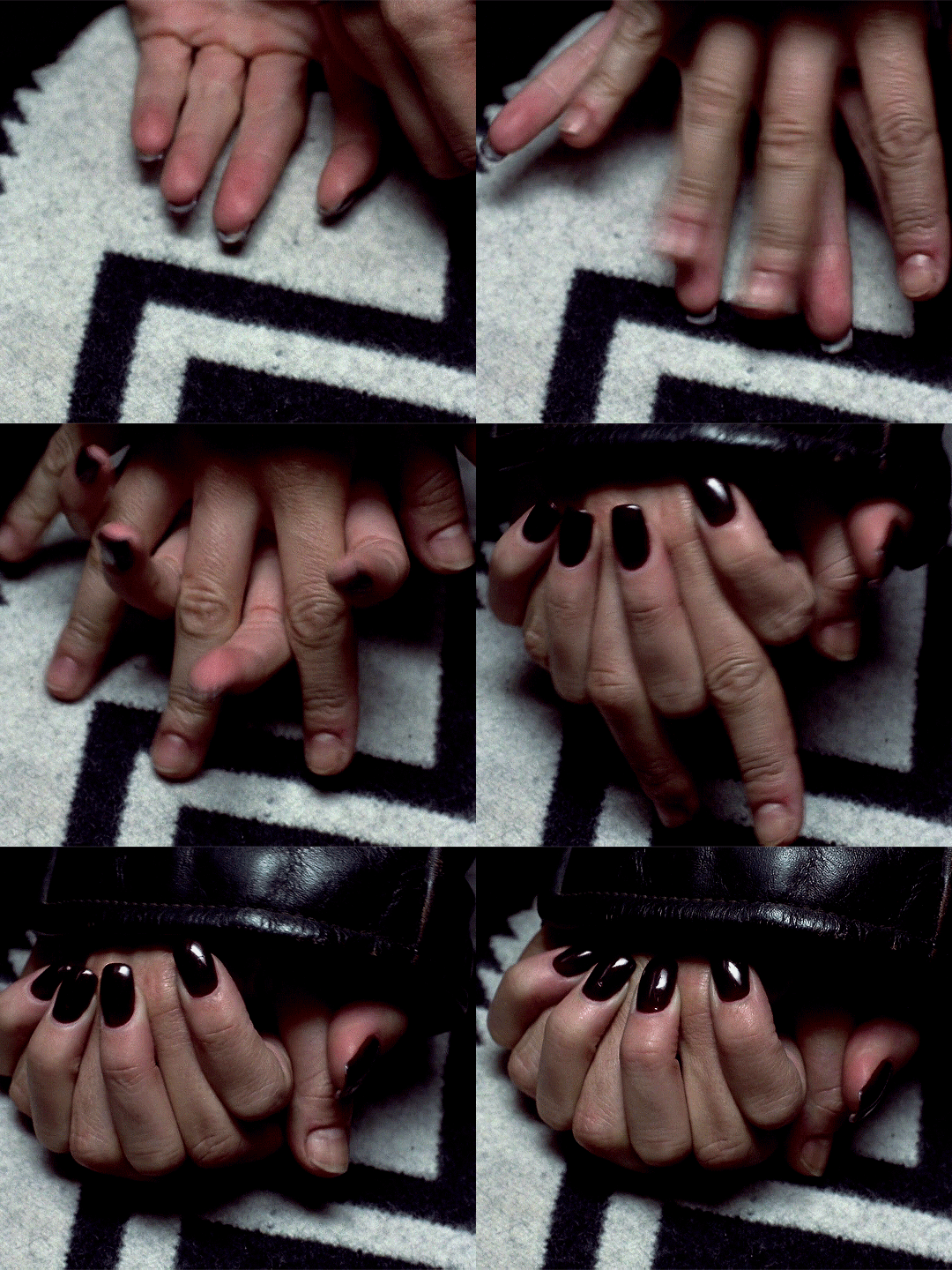
BOUND (1996) dir. The Wachowskis
The Fearless Vampire Killers (1967)
Lil Yachty - Strike (2023)
Peeping Tom (1960)
Szamanka (1996)
The Good, the Bad and the Ugly (1966)
Titanic (1997), James Cameron
Peter Pan (2003), P. J. Hogan
In the Mood for Love (2000) dir. Wong Kar-Wai
You Won’t Be Alone (2022) dir. Goran Stolevski
Chungking Express (1994) dir. Wong Kar Wai
X (2022) dir. Ti West
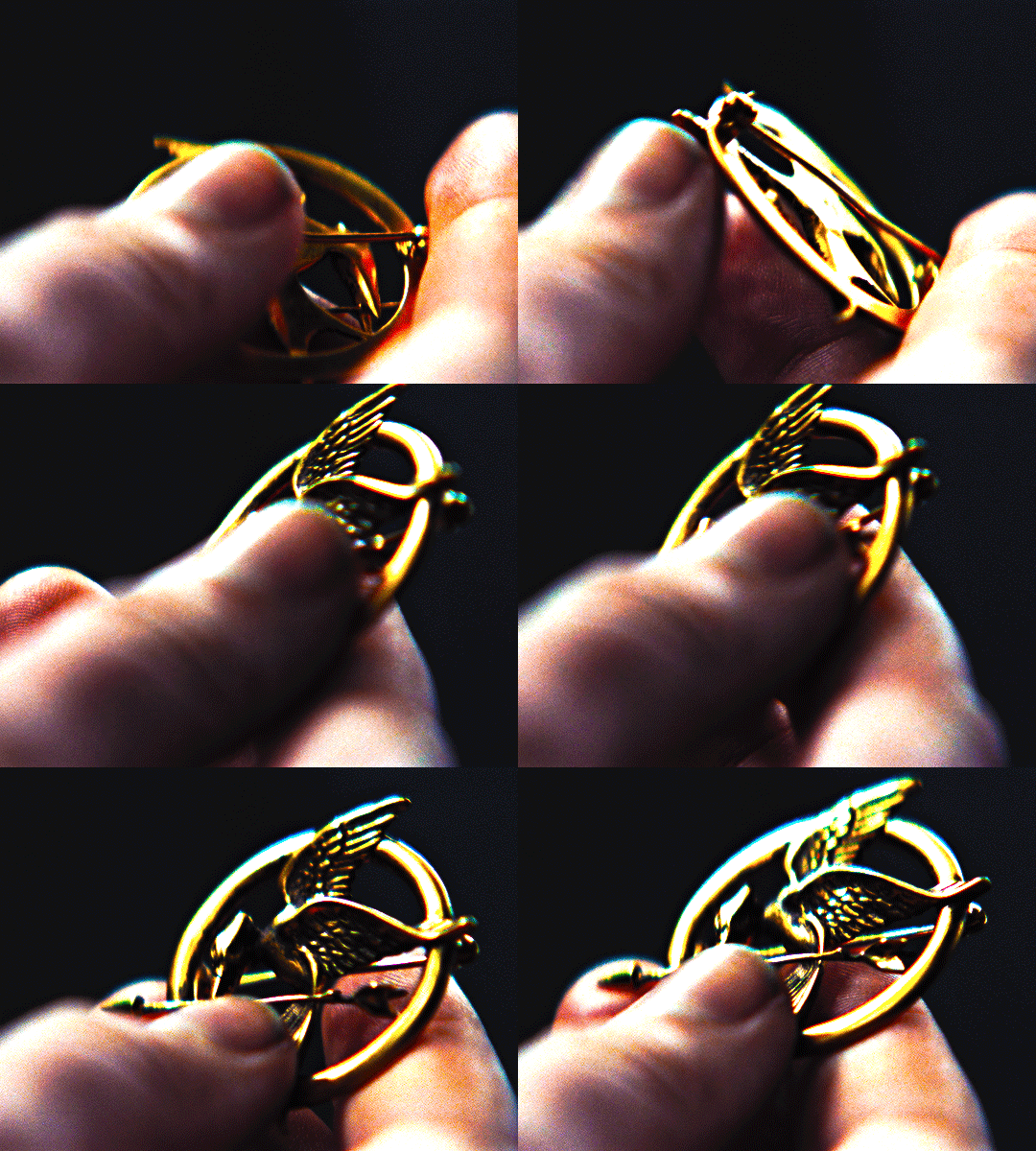
THE HUNGER GAMES 2012 | dir. Gary Ross
BOUND (1996) dir. The Wachowskis
TITANIC (1997), dir. James Cameron
TITANIC (1997), dir. James Cameron
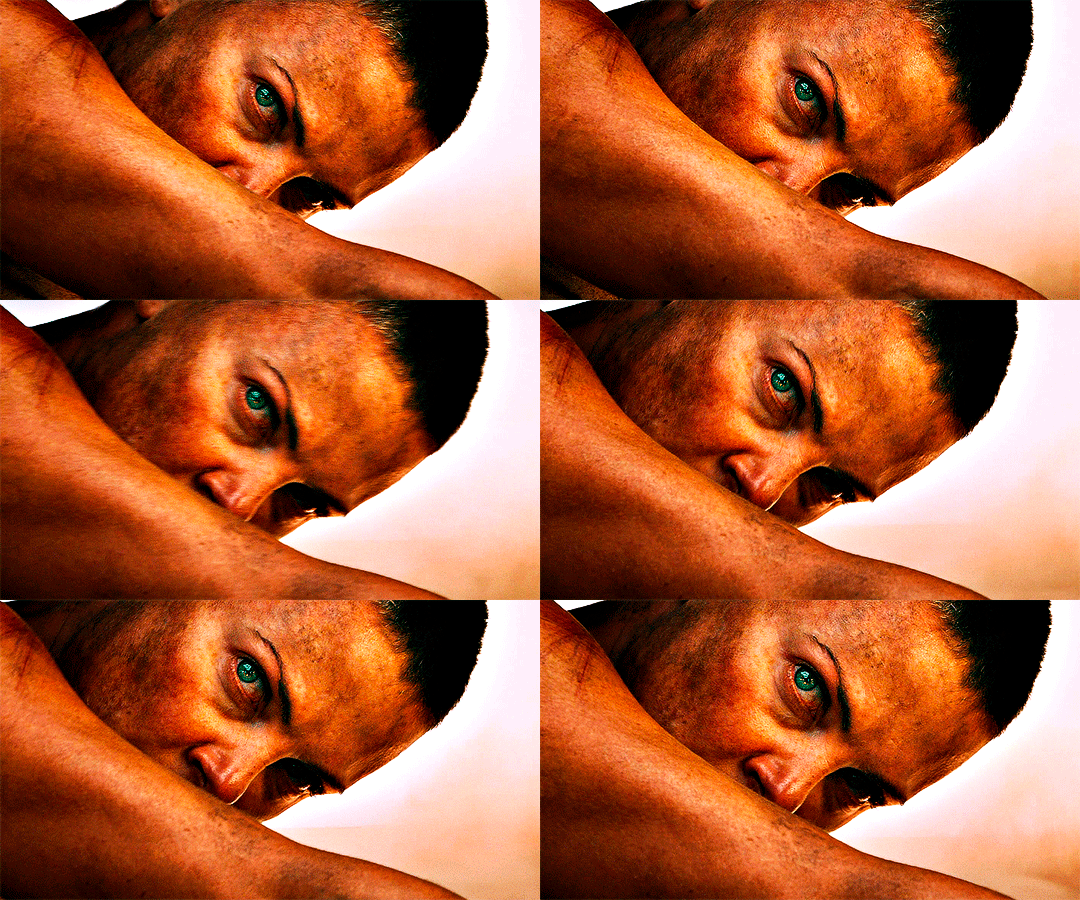
Mad Max: Fury Road (2015) dir. George Miller
The Metamorphosis of Birds (2020) dir. Catarina Vasconcelos
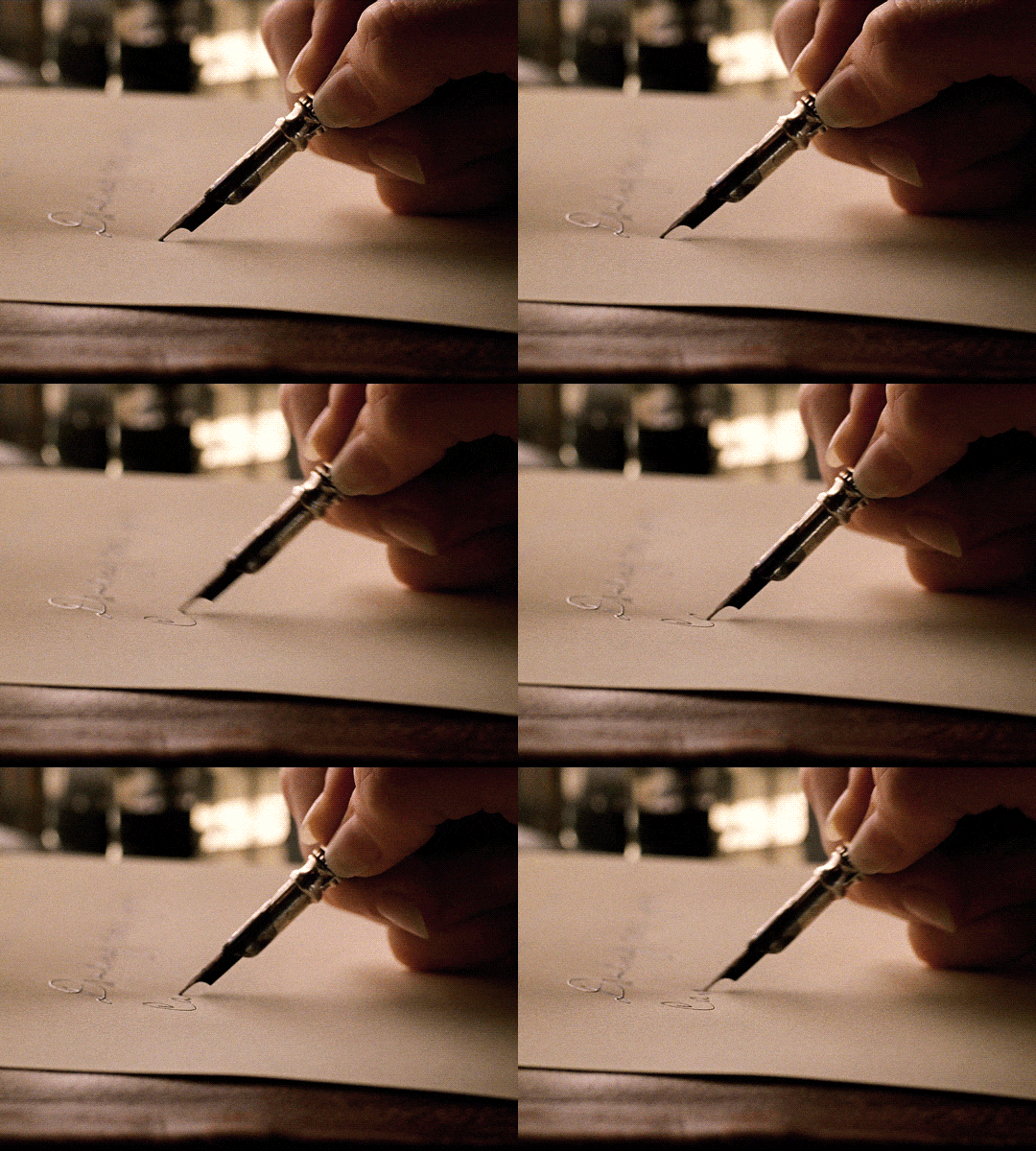
ATONEMENT (2007) Dir. Joe Wright
COCAINE BEAR (2023) dir. Elizabeth Banks
X (2022) dir. Ti West
Moulin Rouge! (2001) dir. Baz Luhrmann
Betty Blue (1986) dir. Jean-Jacques Beineix
Pulp Fiction (1994) dir. Quentin Tarantino
UNLOCKED (2023) dir. Kim Tae Joon
WHIPLASH (2014) dir. Damien Chazelle
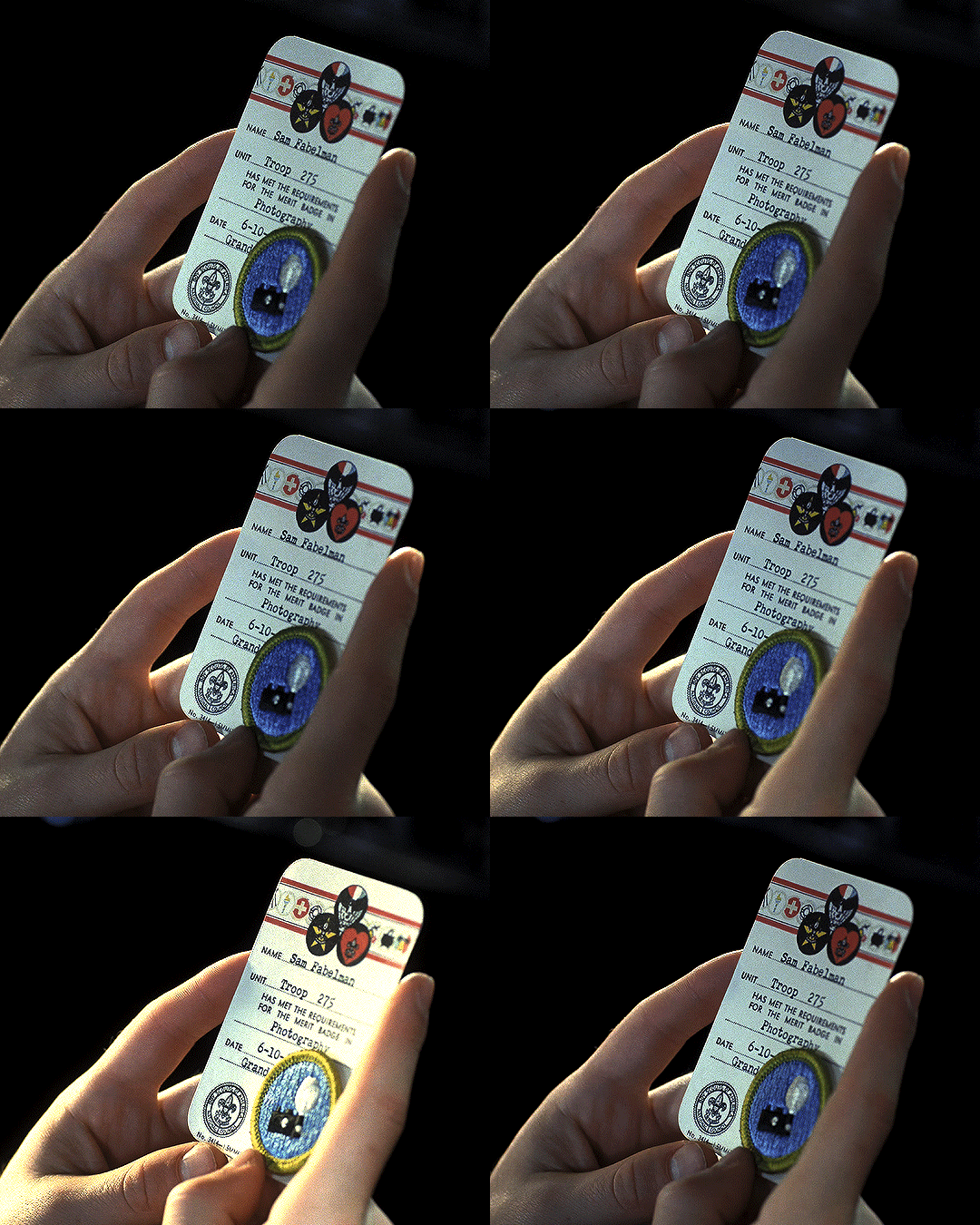
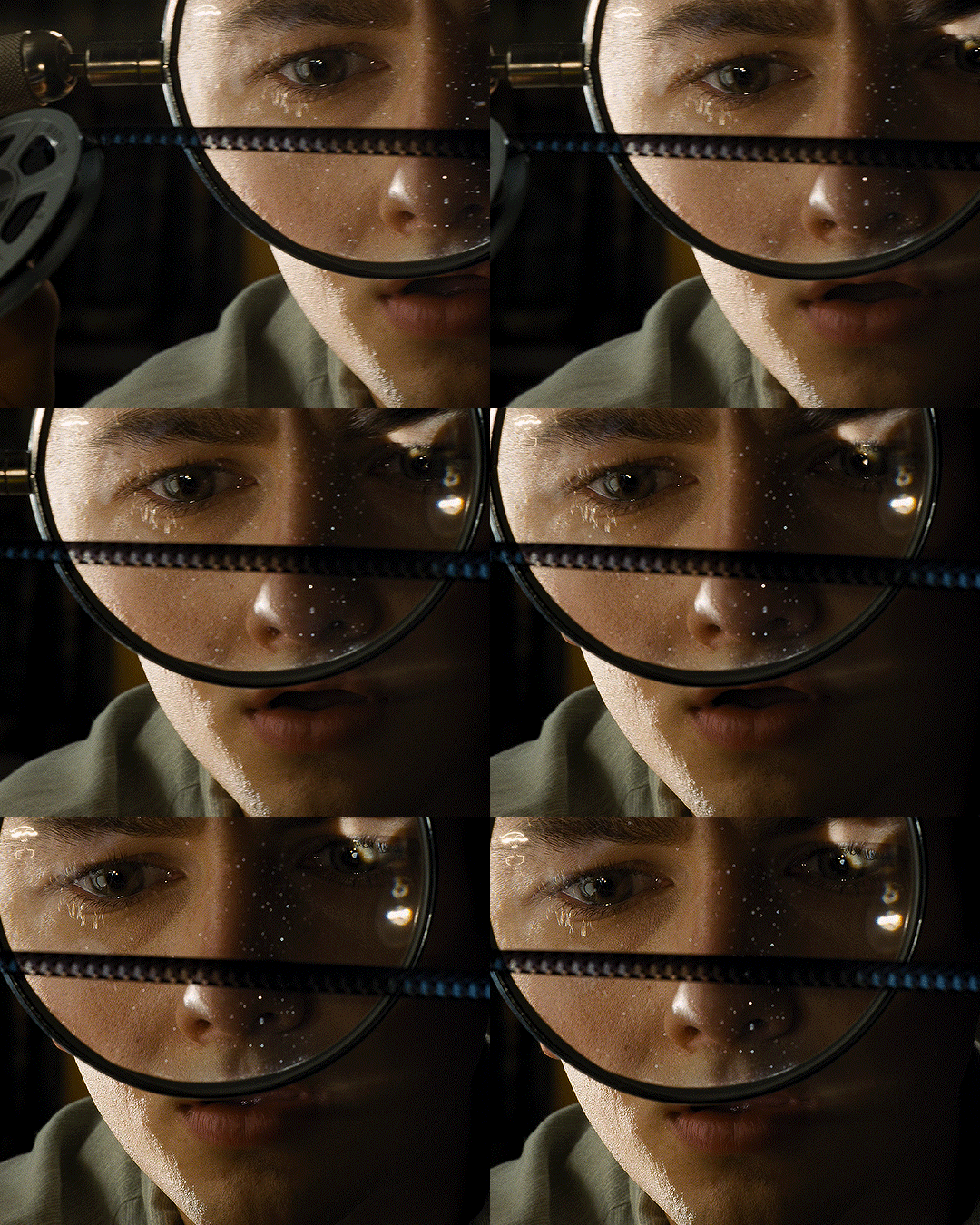
THE FABELMANS (2022) dir. Steven Spielberg
THE FABELMANS (2022) dir. Steven Spielberg
Cat People 1982 | dir. Paul Schrader
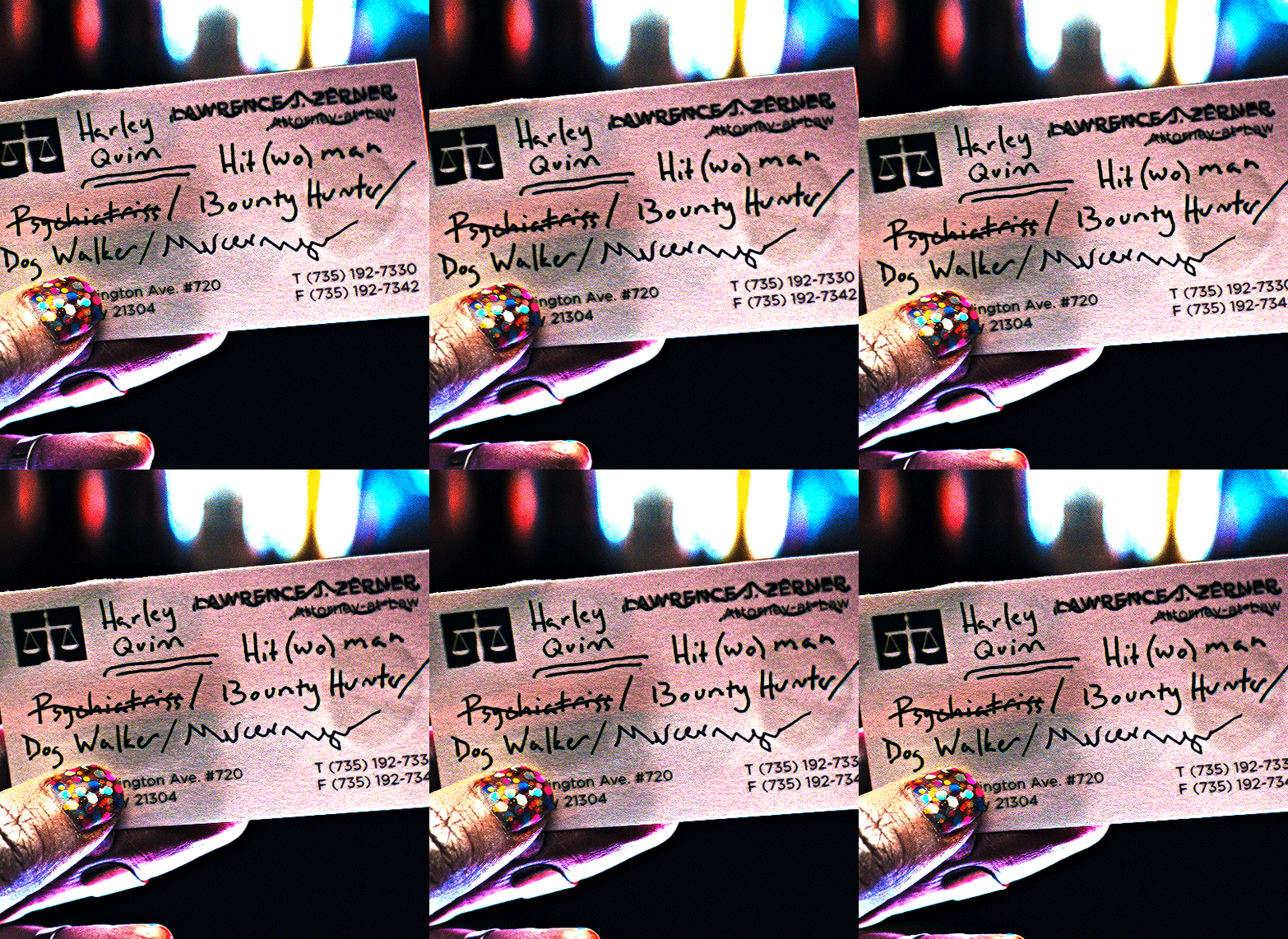
Birds of Prey (2020) dir. Cathy Yan
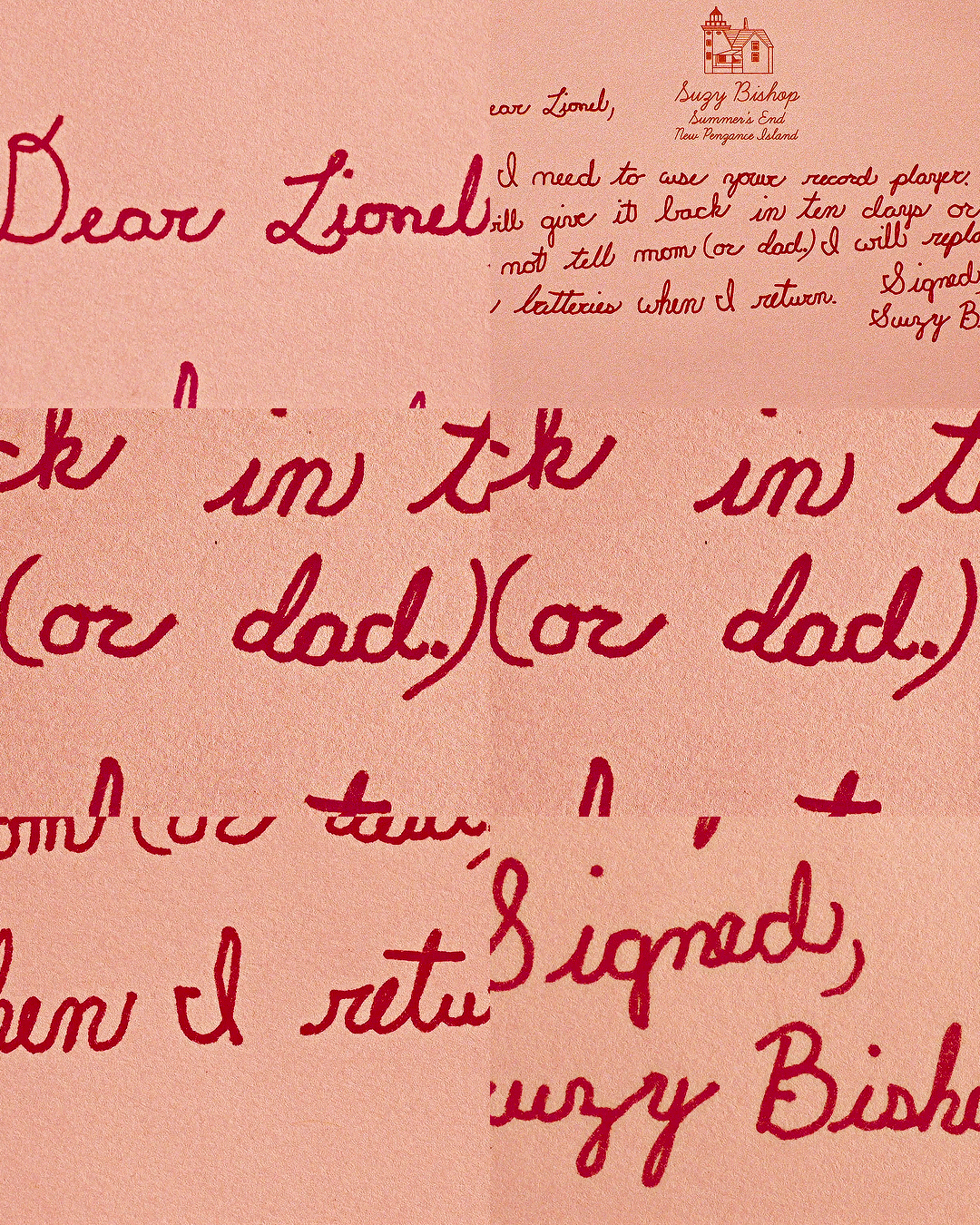
Moonrise Kingdom (2012) dir. Wes Anderson
WHIPLASH (2014) dir. Damien Chazelle
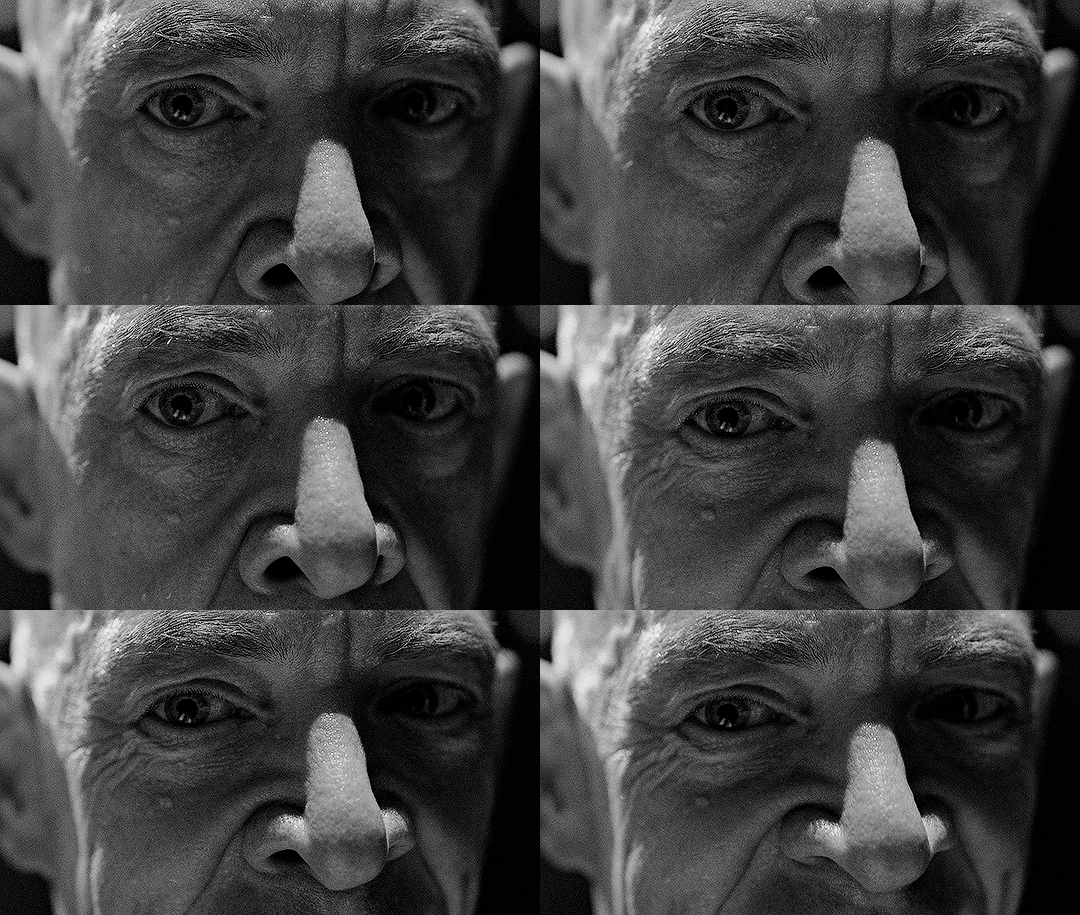
Quiz Show (1994) dir. Robert Redford




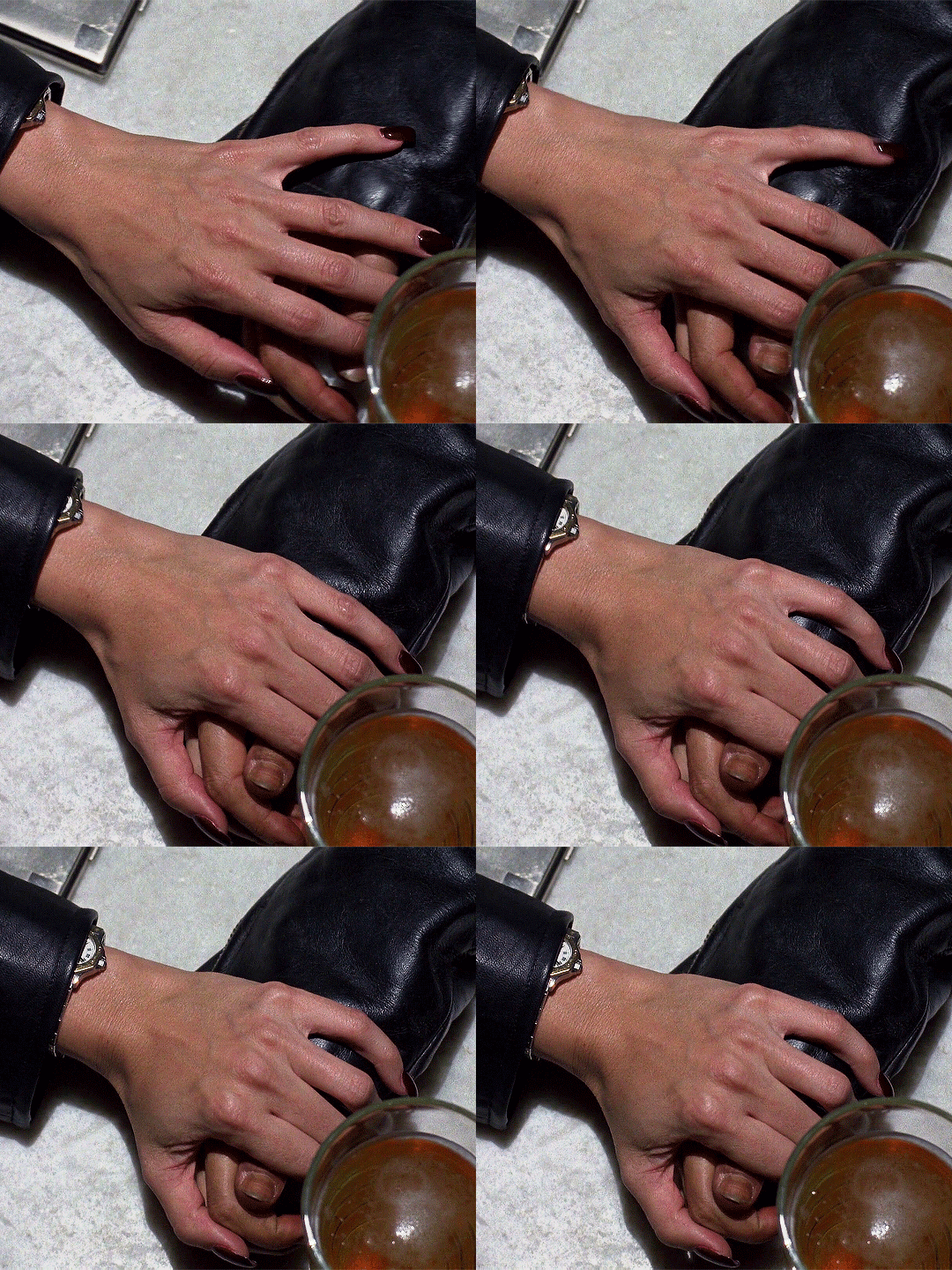
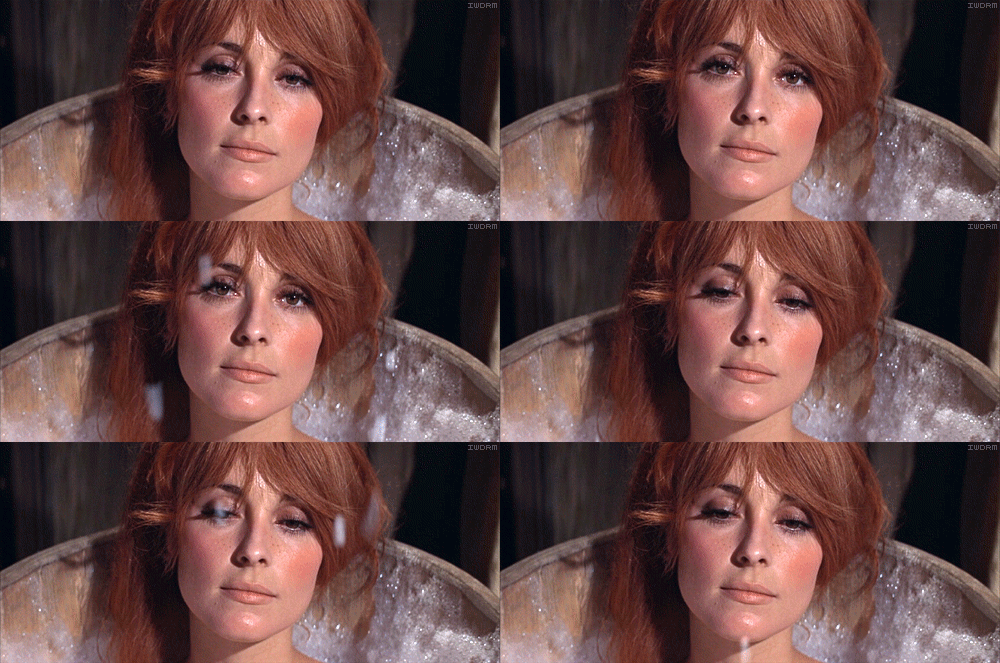
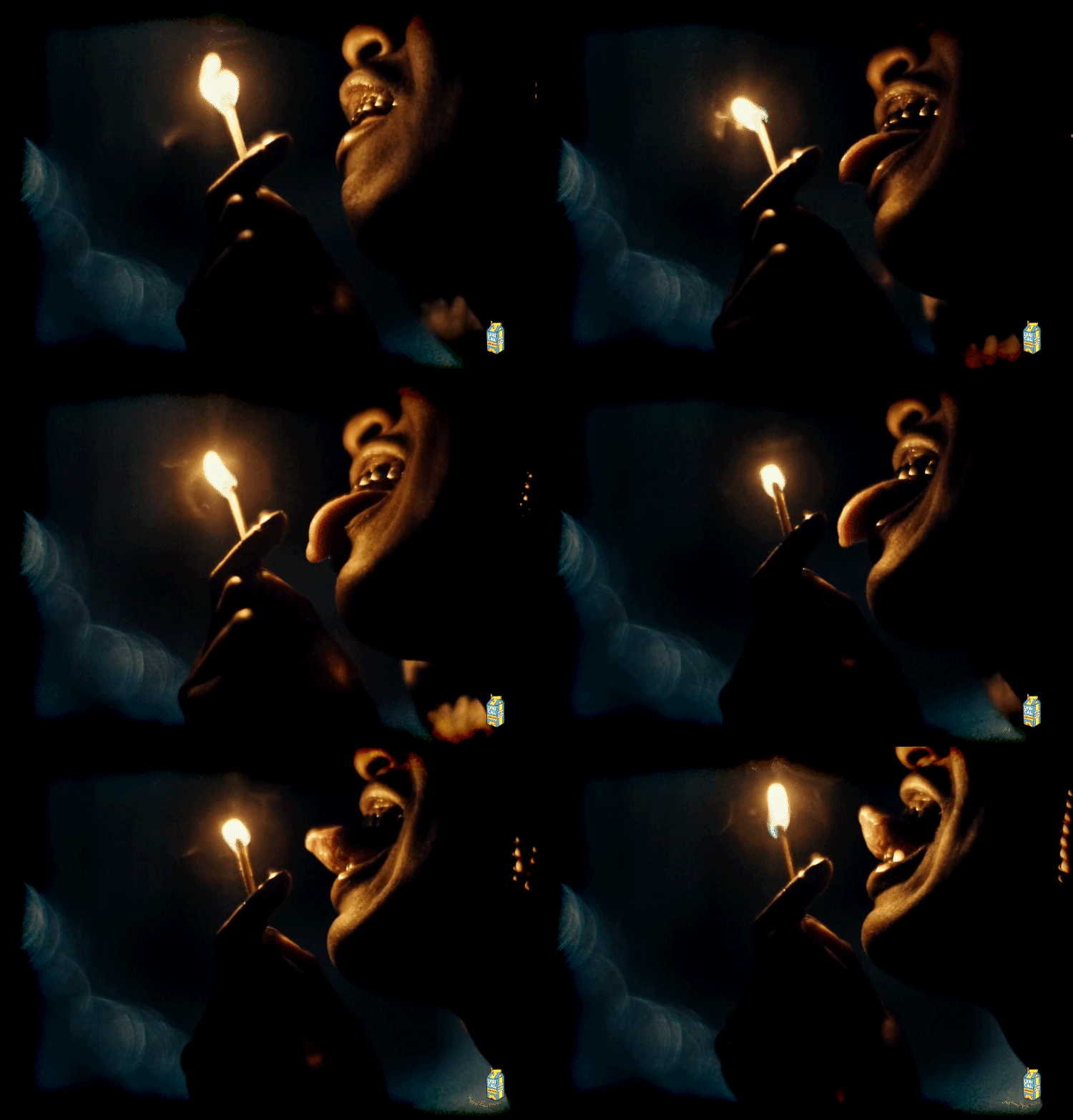
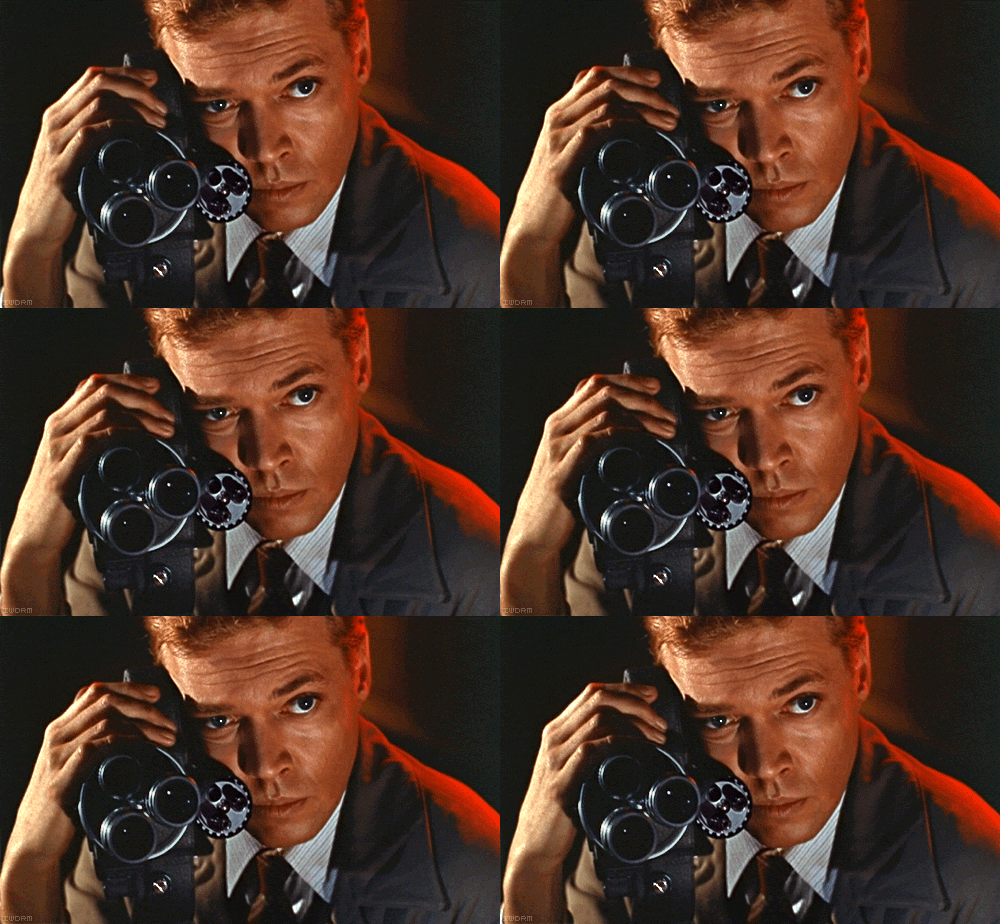
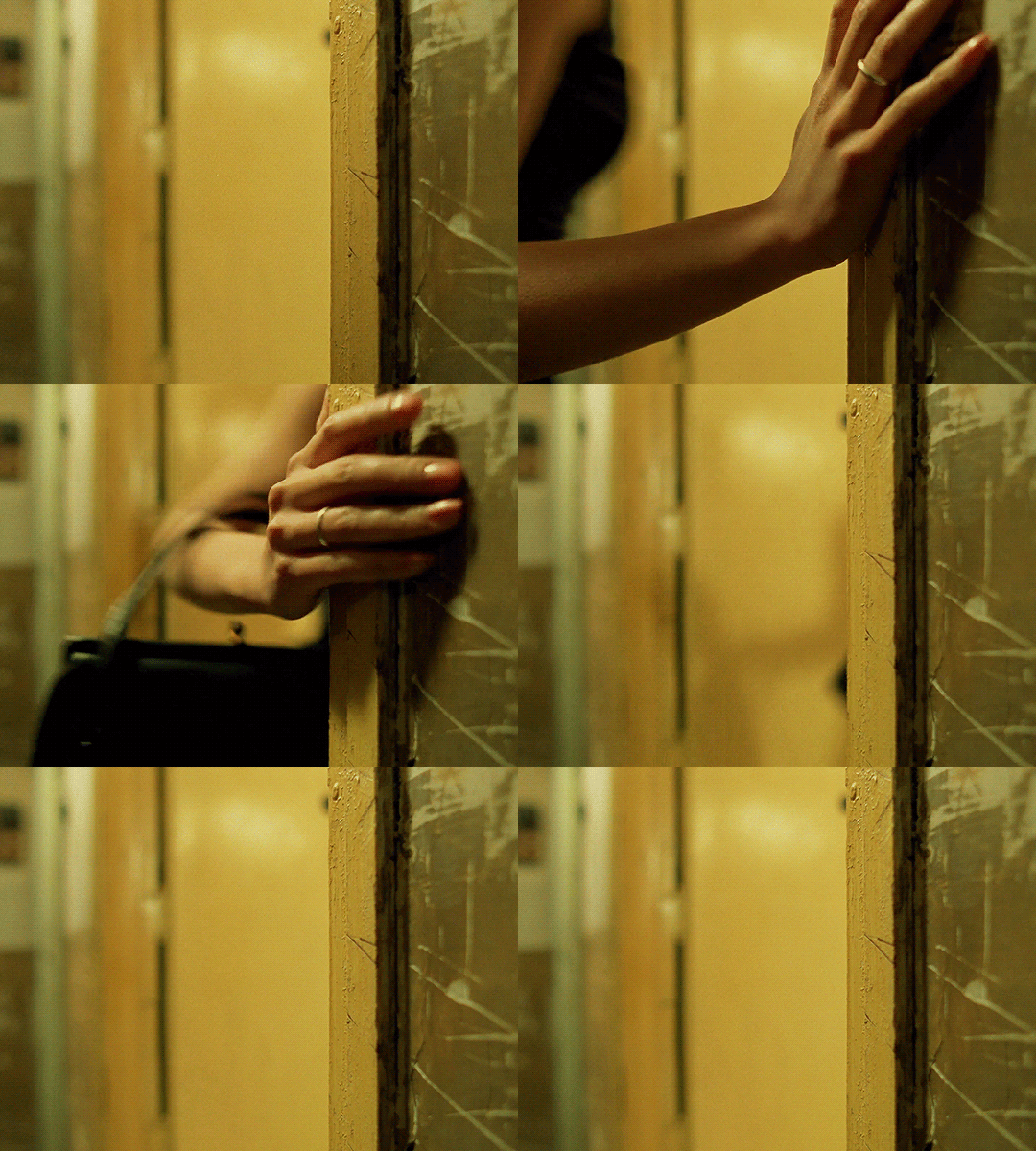
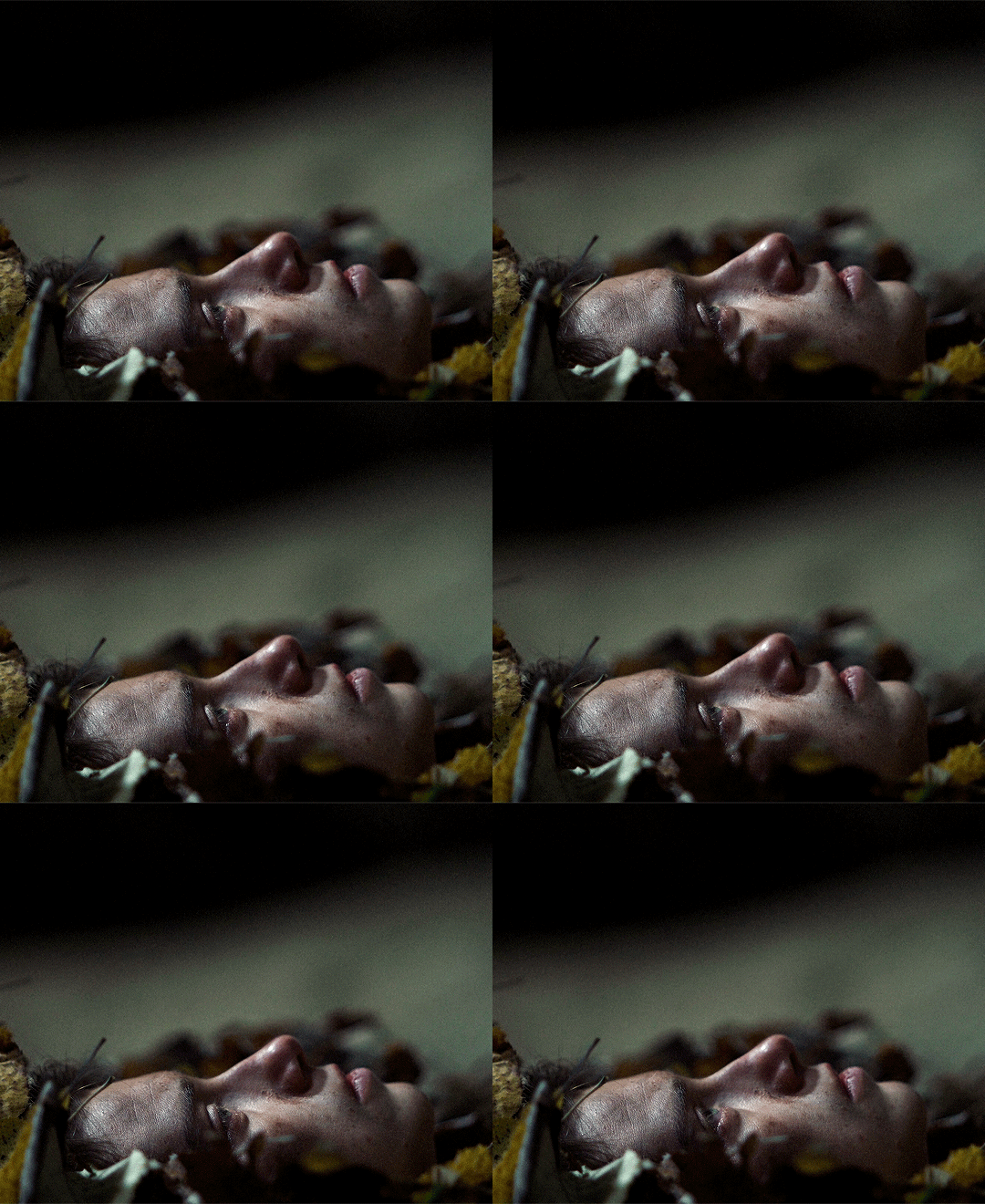
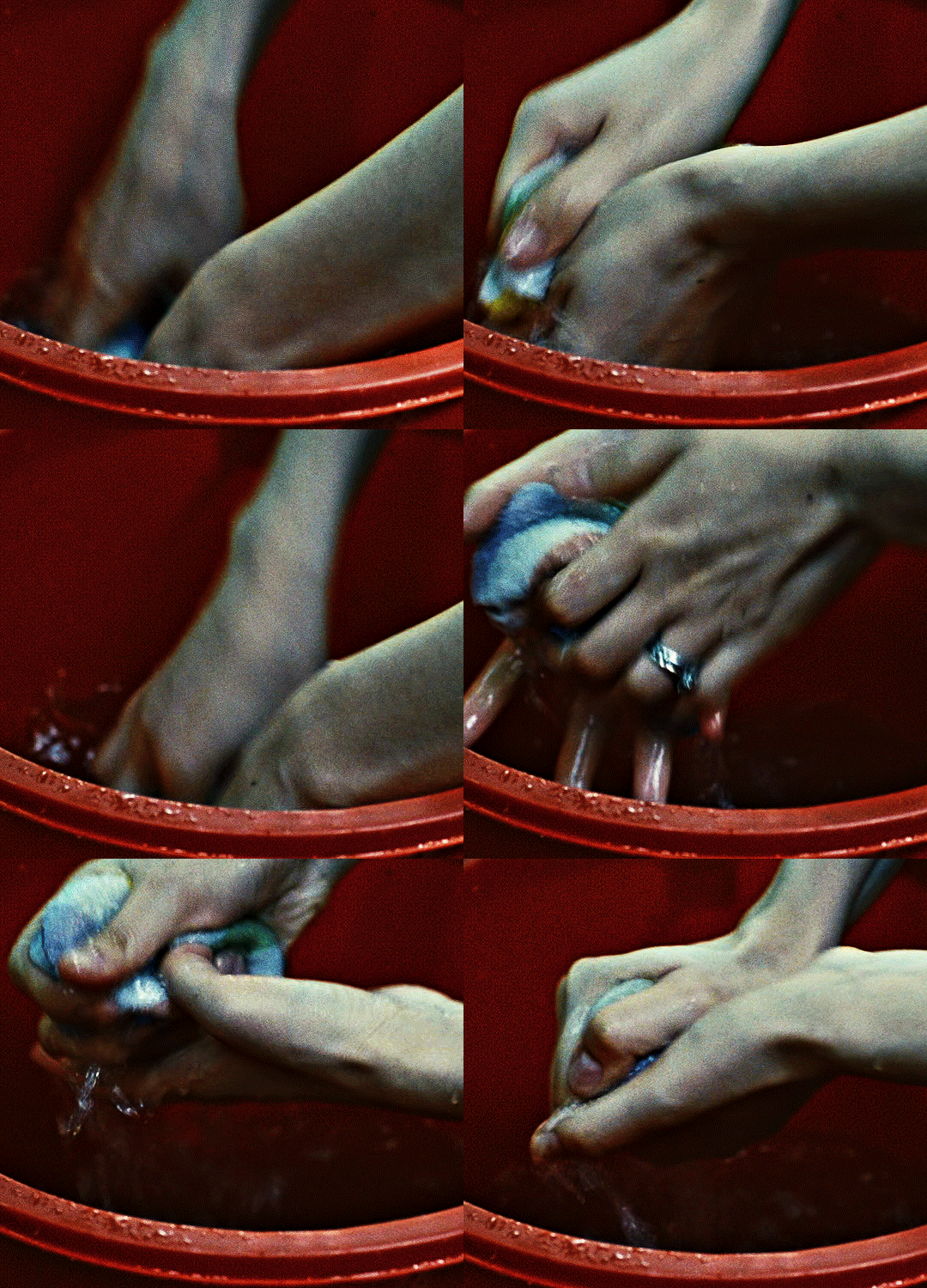
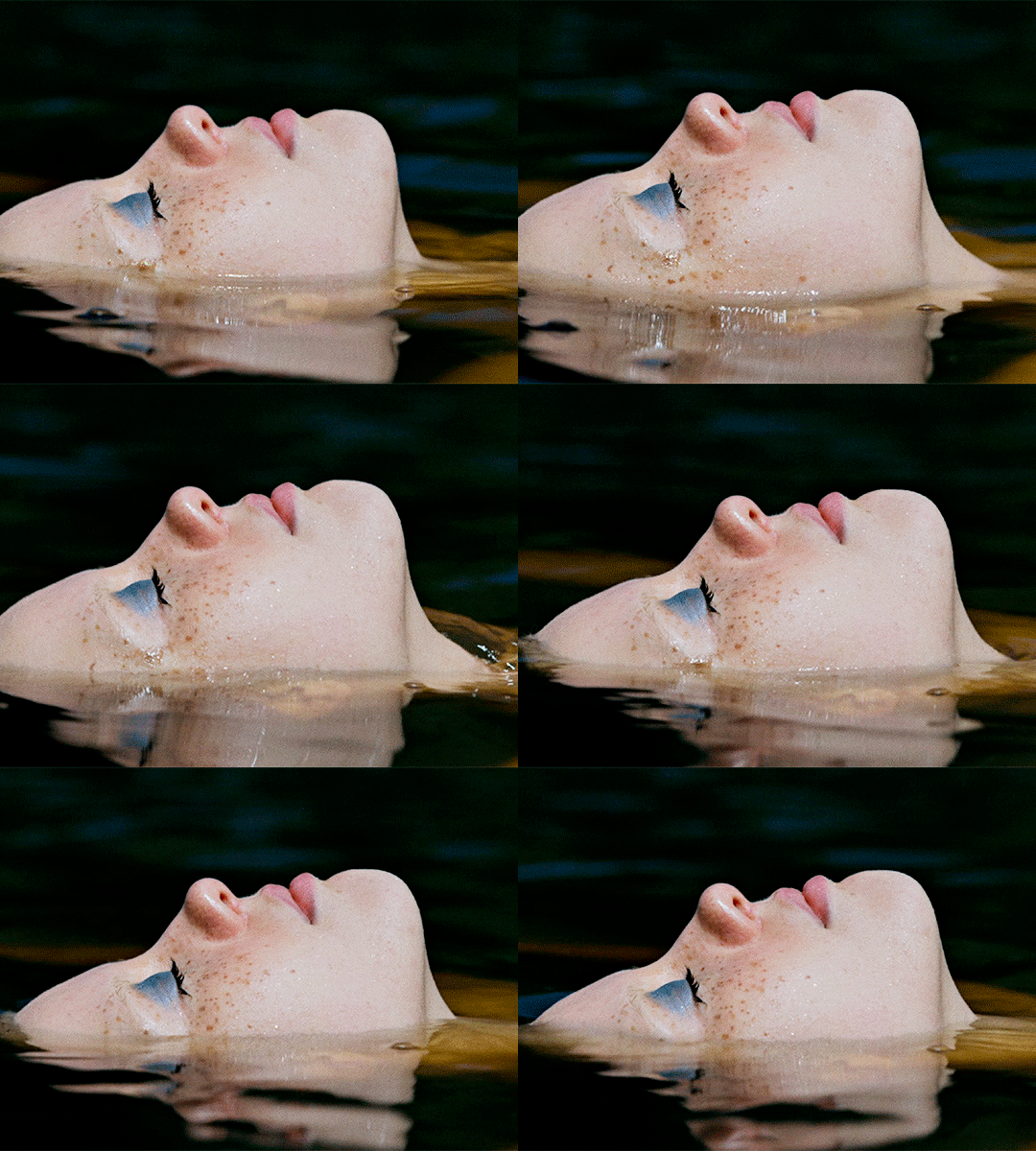


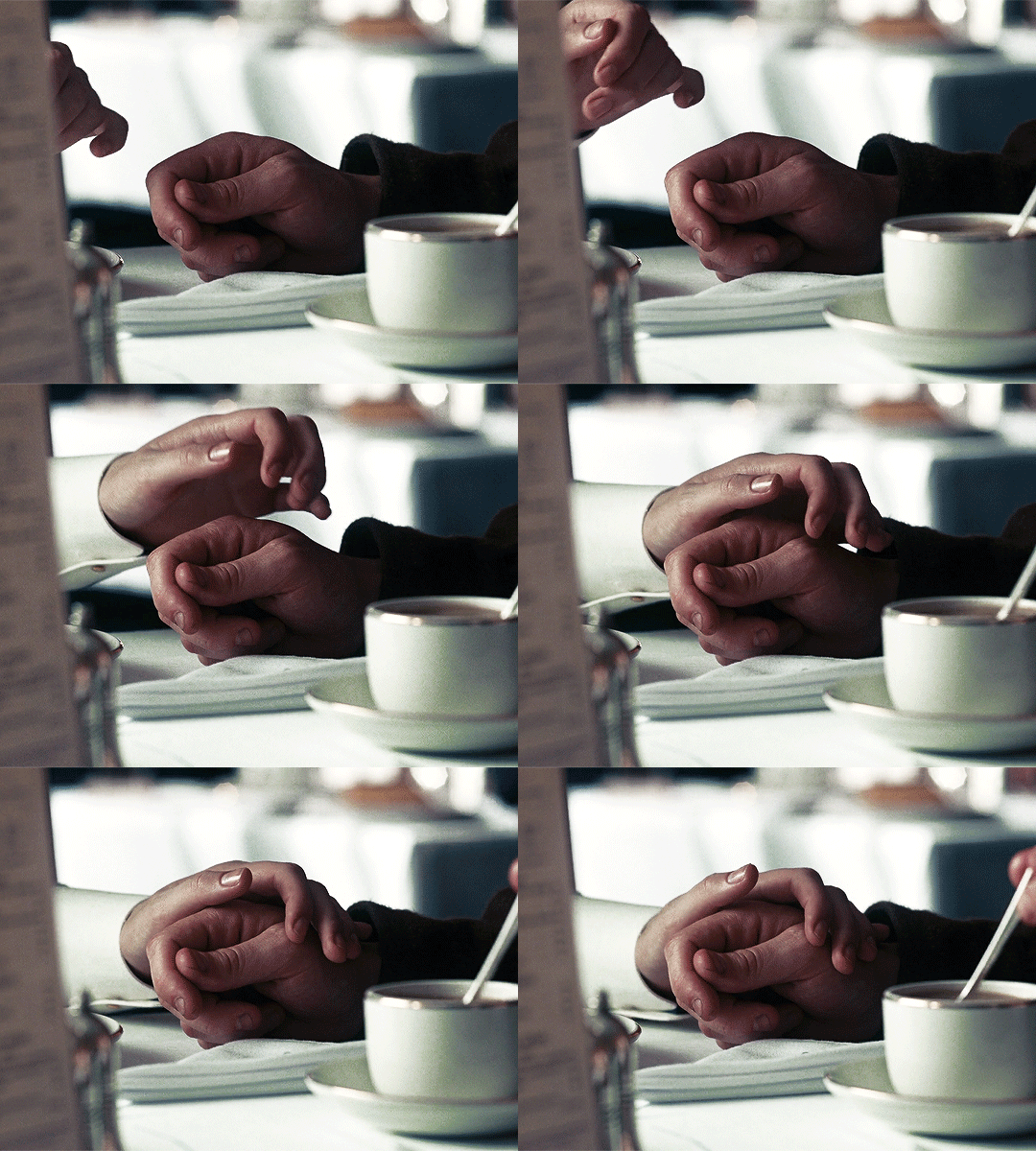
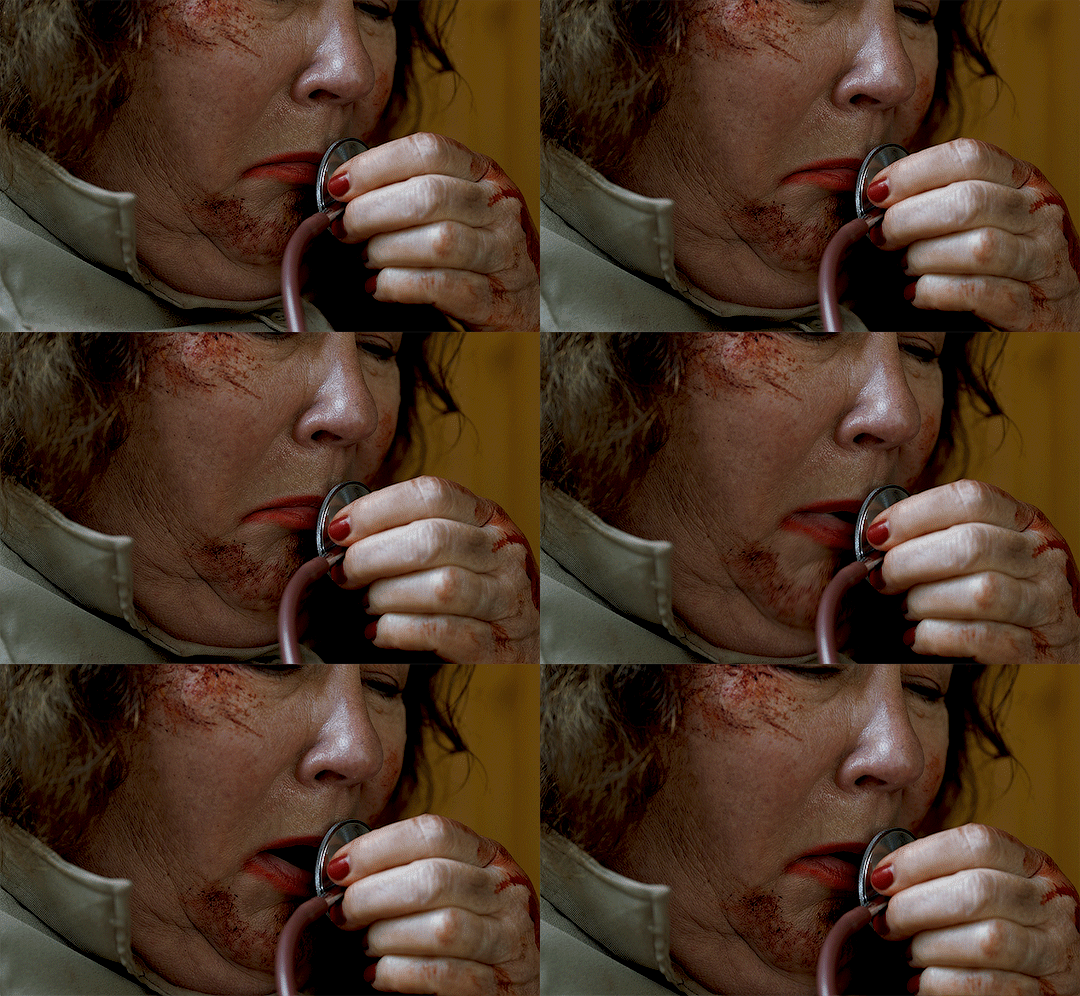
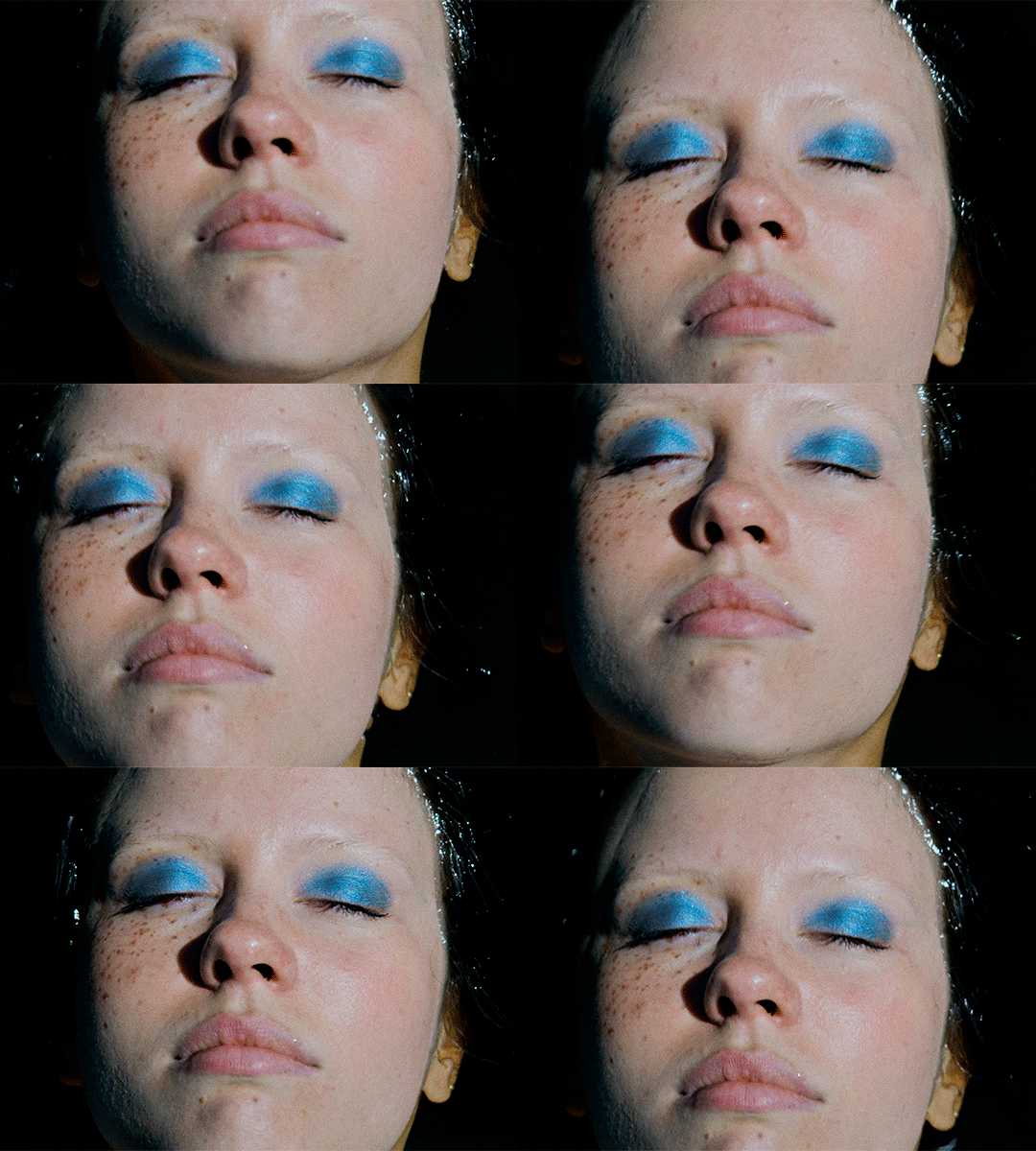
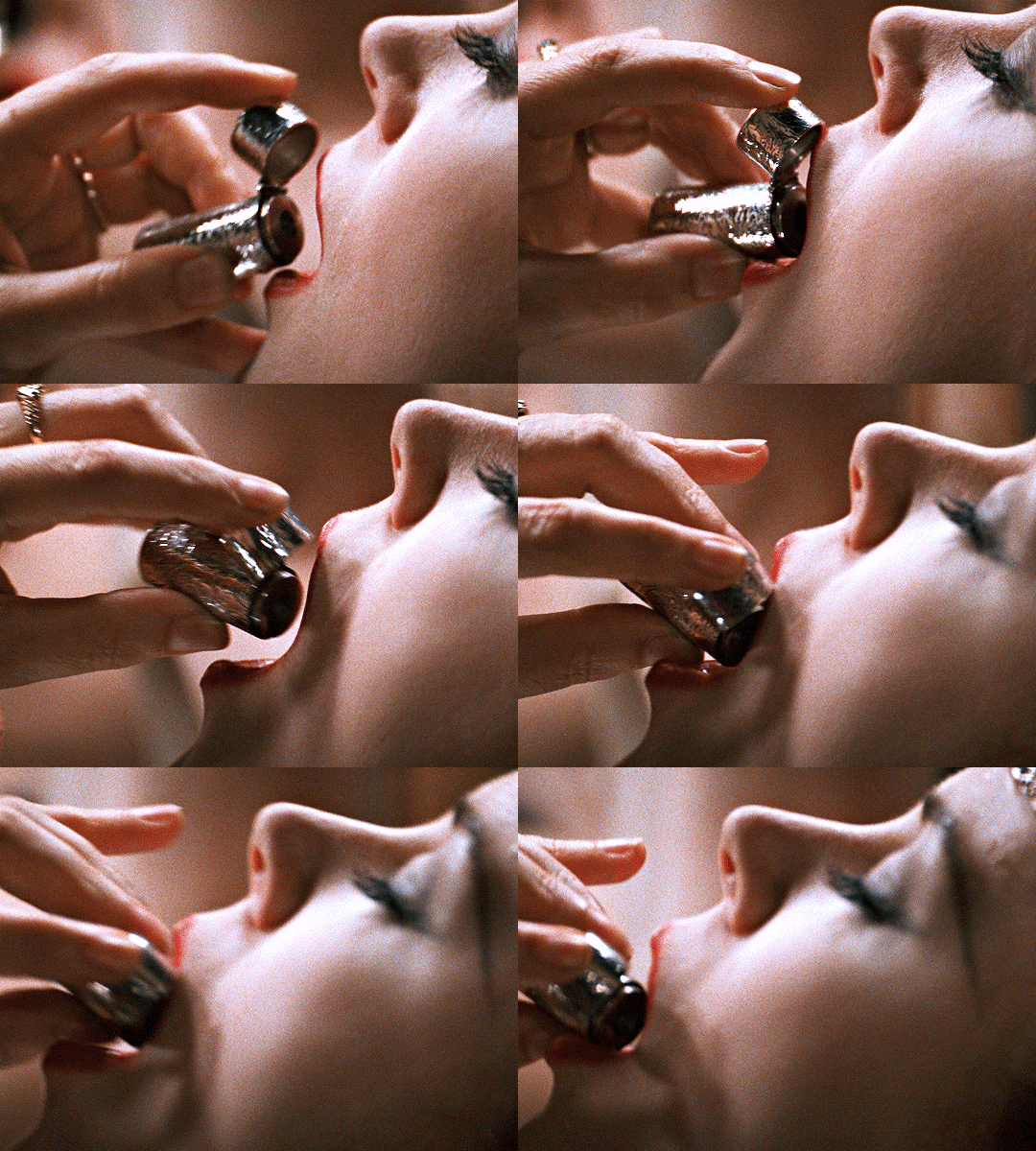

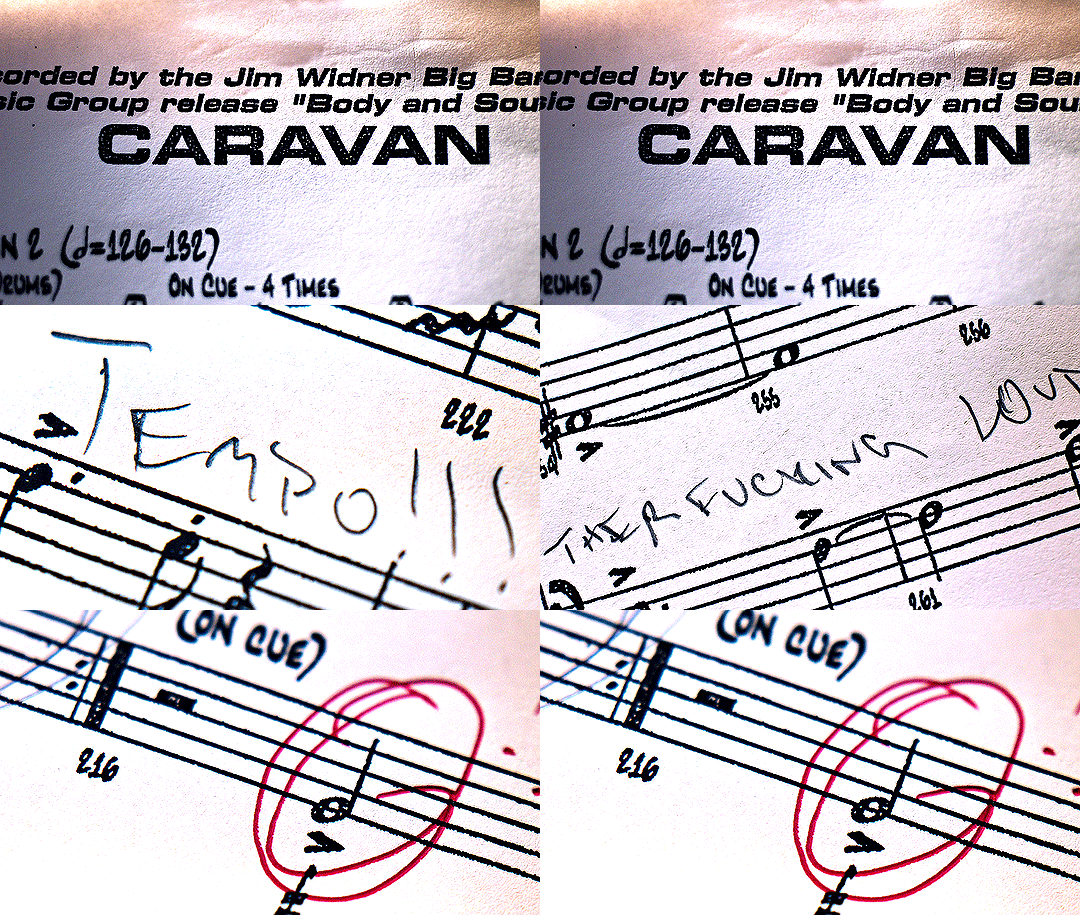
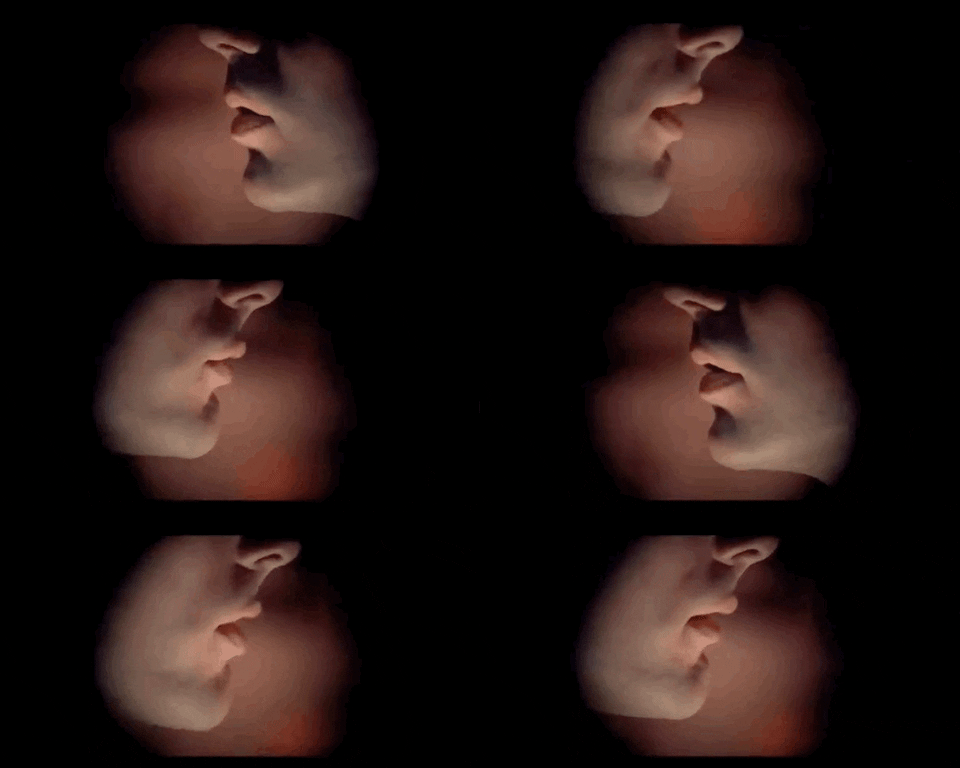
EXTREME CLOSE UP
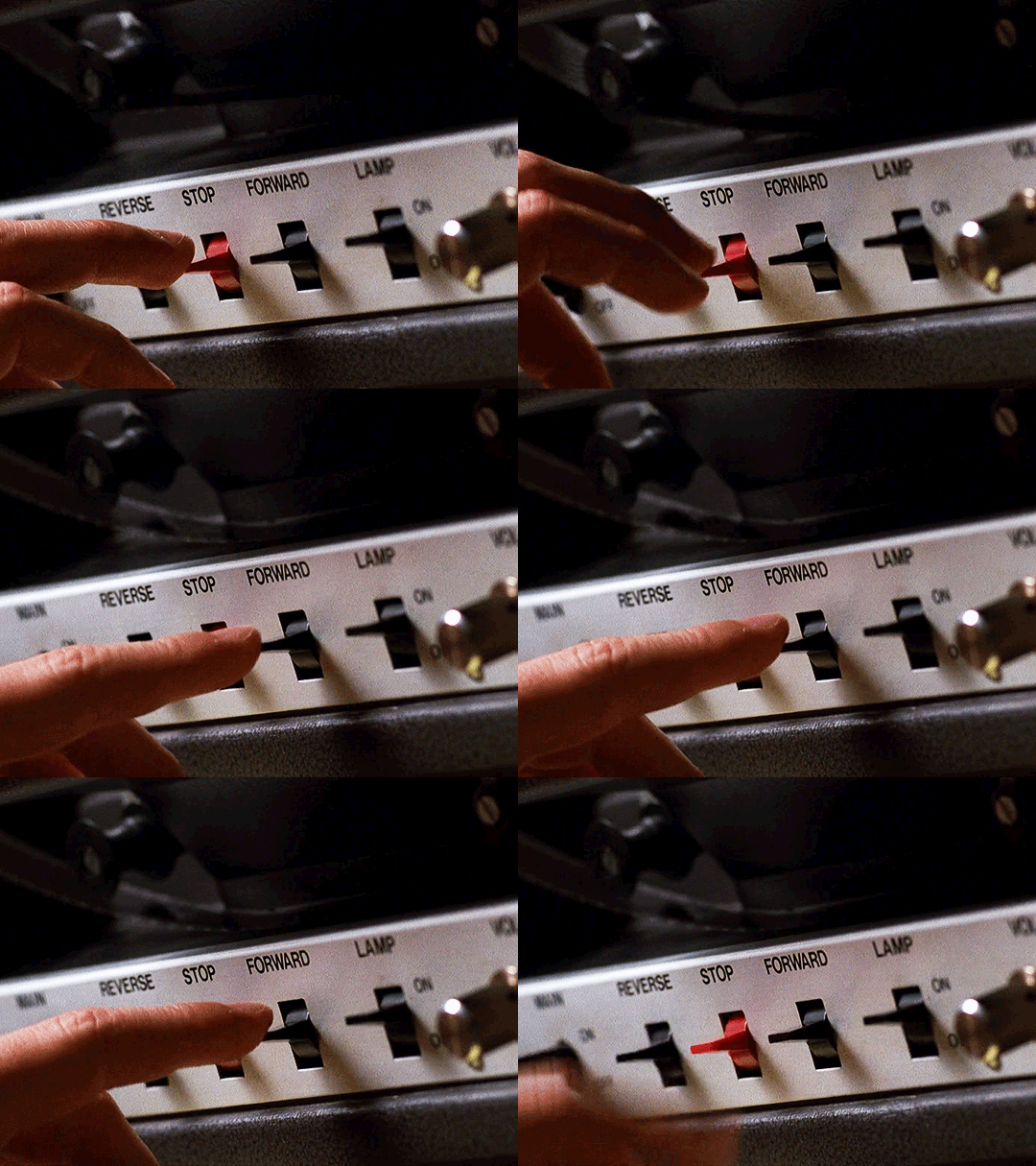
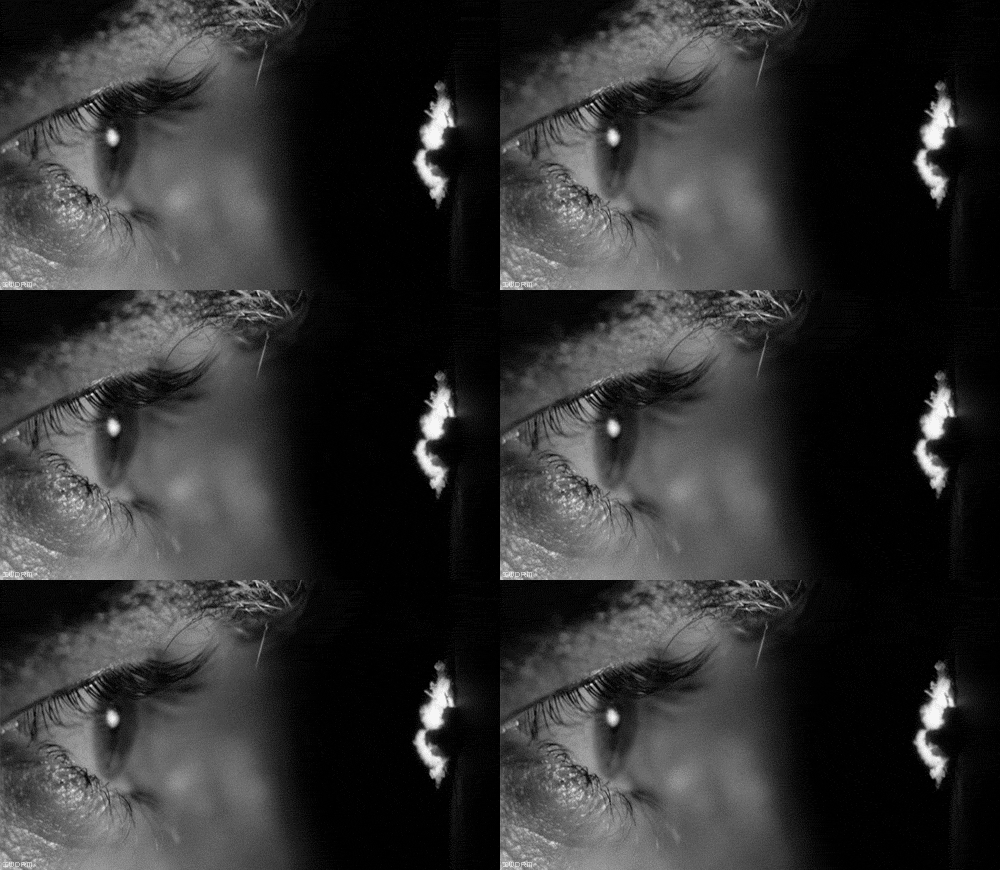
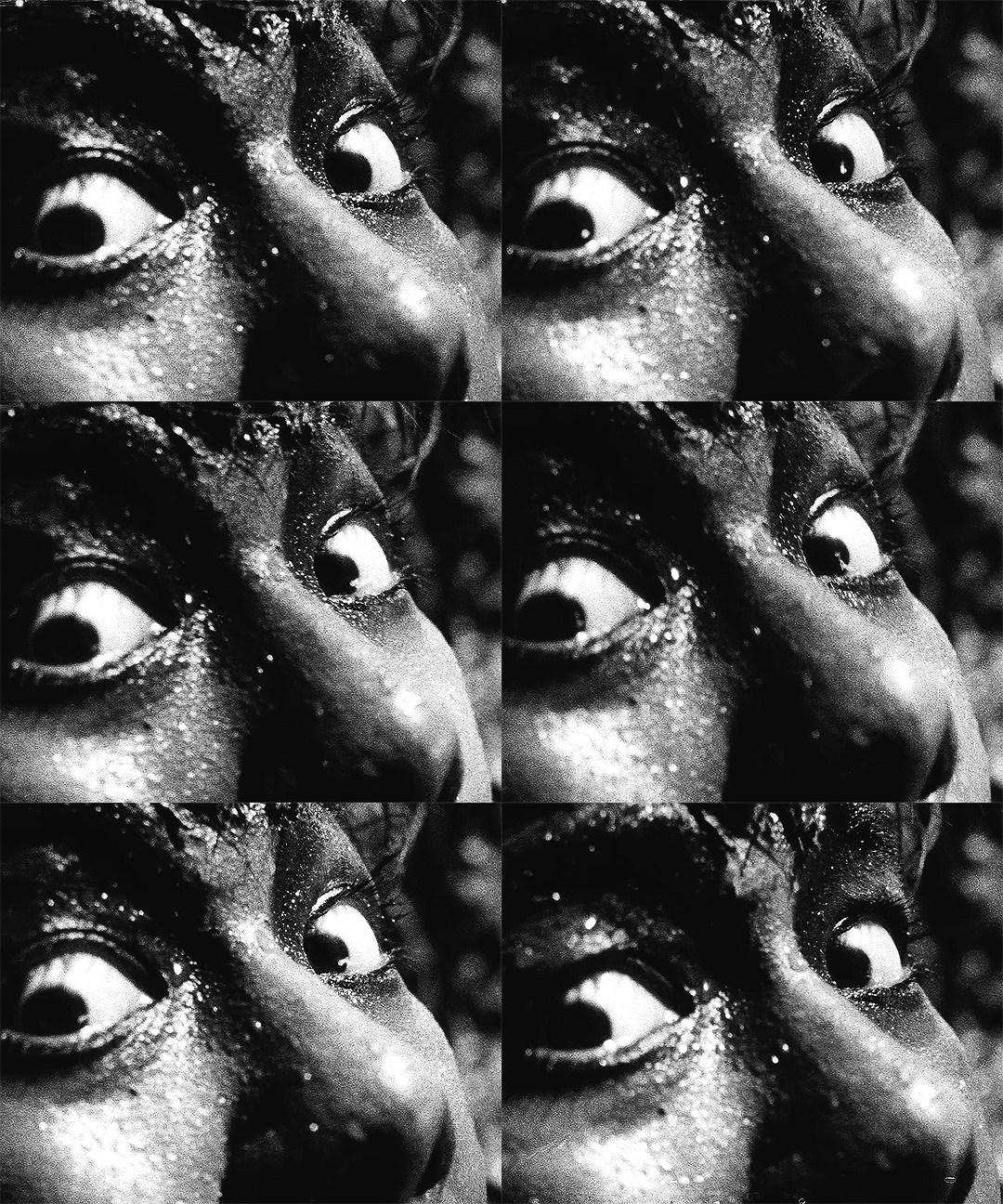
An extreme close-up shot frames a subject very closely, often so much so that the outer portions of the subject are cut off by the edges of the frame. On an actor, this is commonly used to show specific portions of the body, like the face or hip, but it can go closer to show only an actor’s mouth, or even a single eye.
VIDEODROME (1983) dir. David Cronenberg
BOUND (1996) dir. The Wachowskis
HEREDITARY (2018) dir. Ari Aster
ATONEMENT (2007) Dir. Joe Wright
KNIVES OUT (2019) dir. Rian Johnson
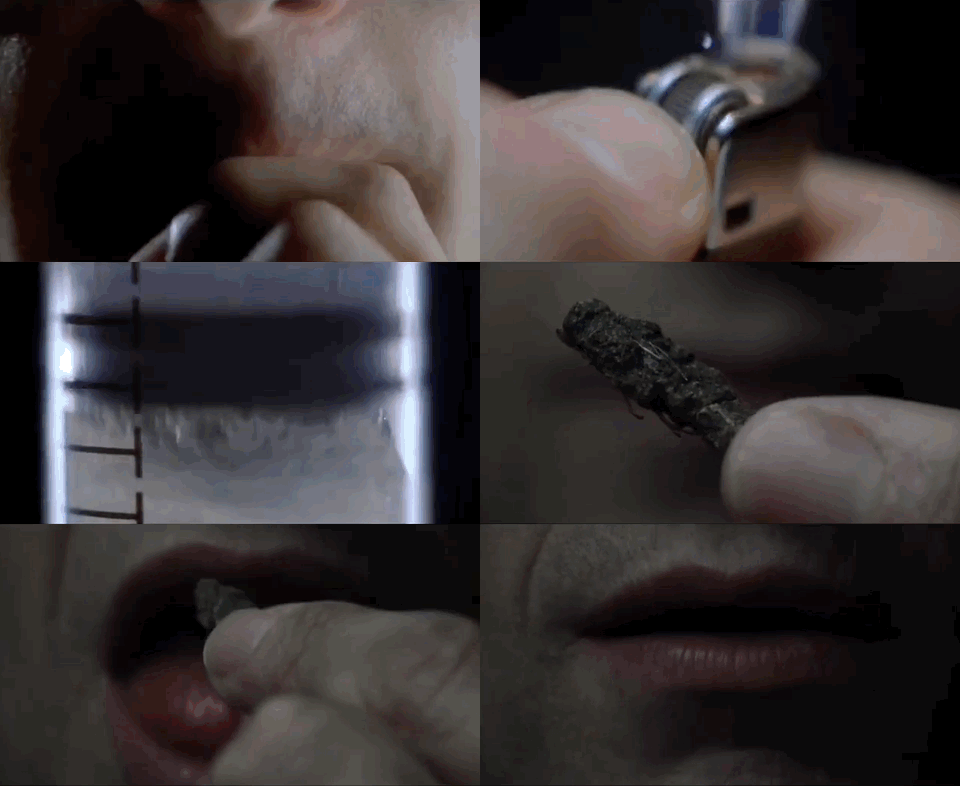
Requiem for a Dream (2000) - Darren Aronofsky
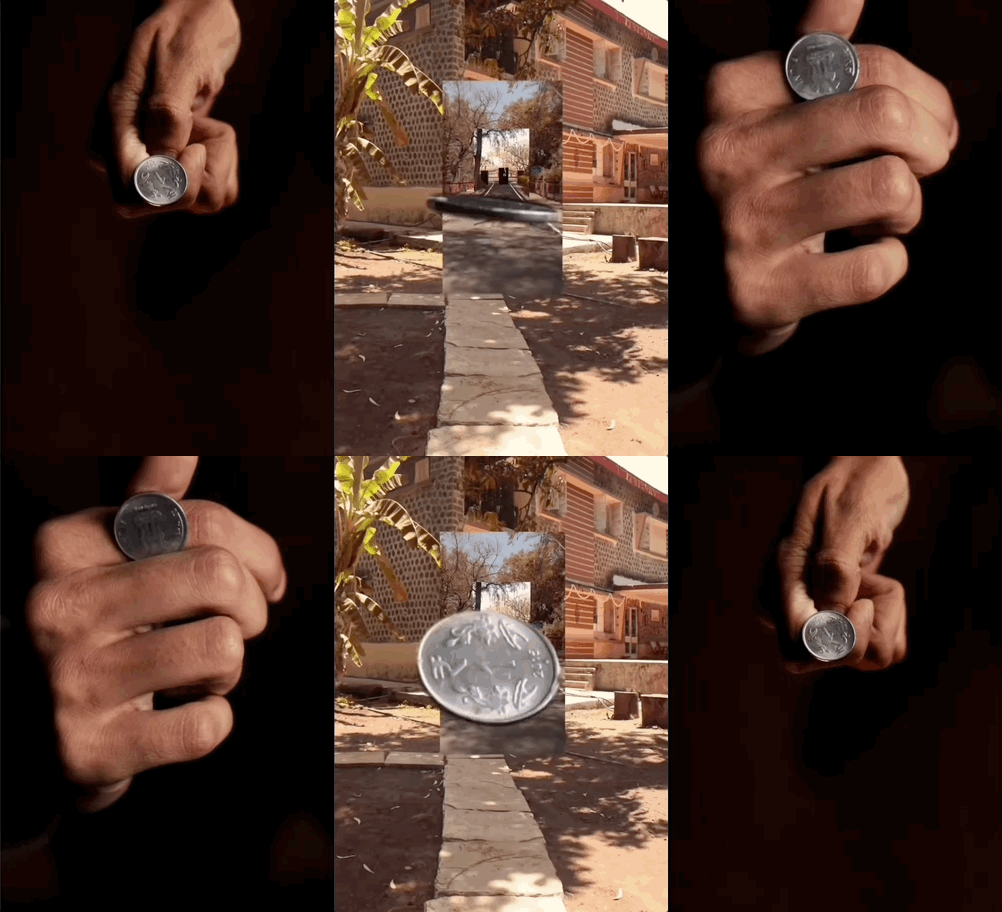
@jeddraws - Tenor
Artist: Sankalp Pandey / IG
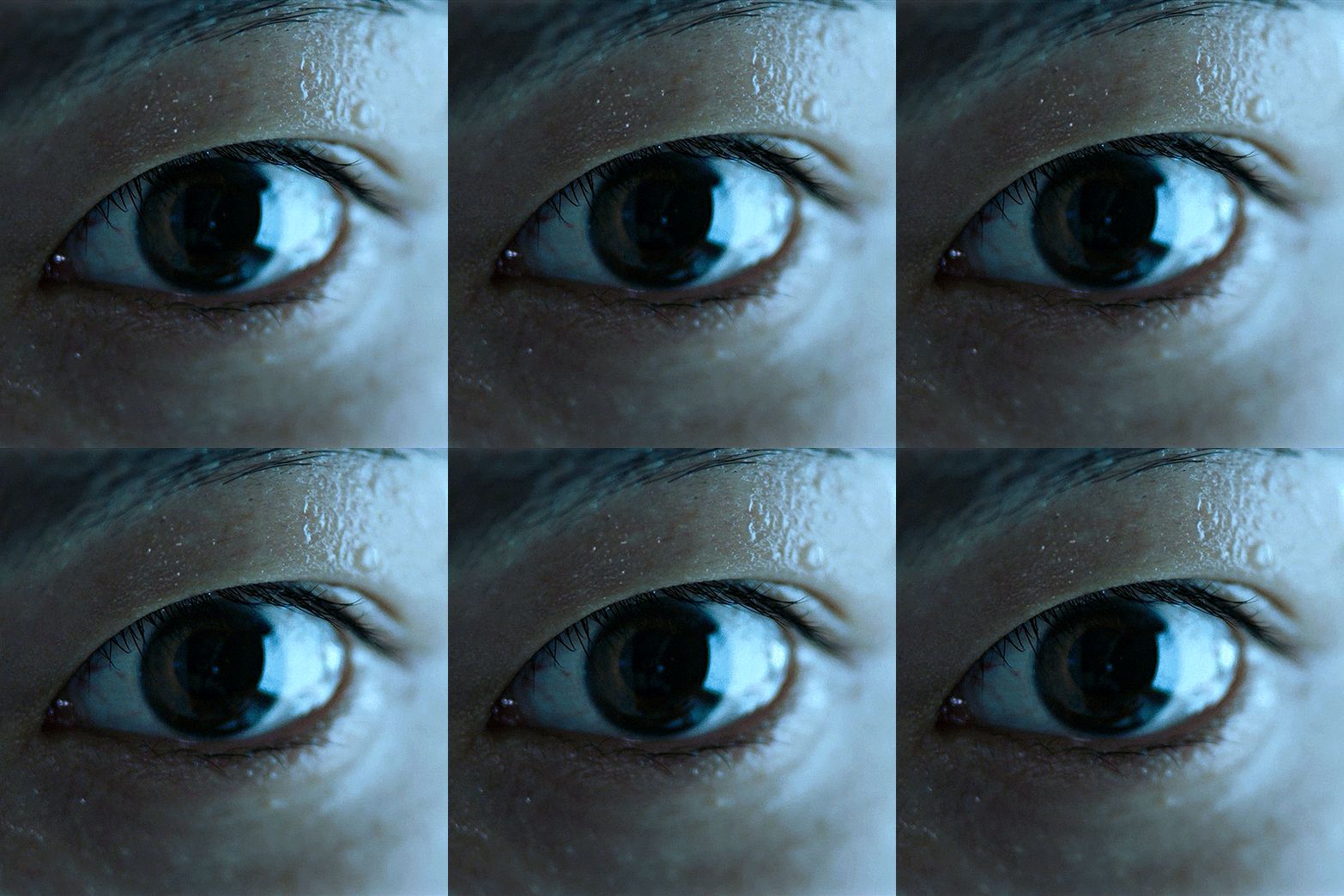
UNLOCKED (2023) dir. Kim Tae Joon
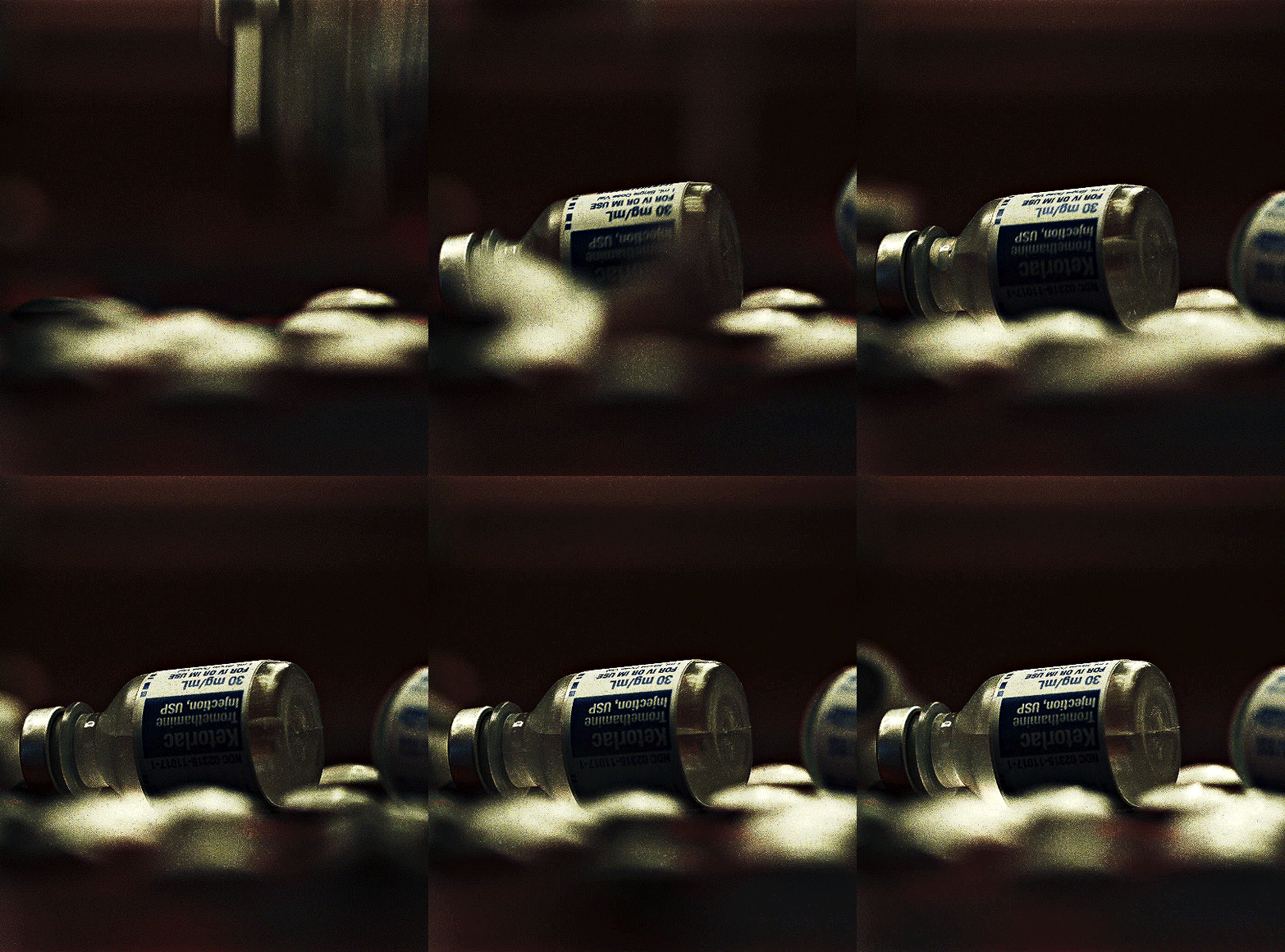
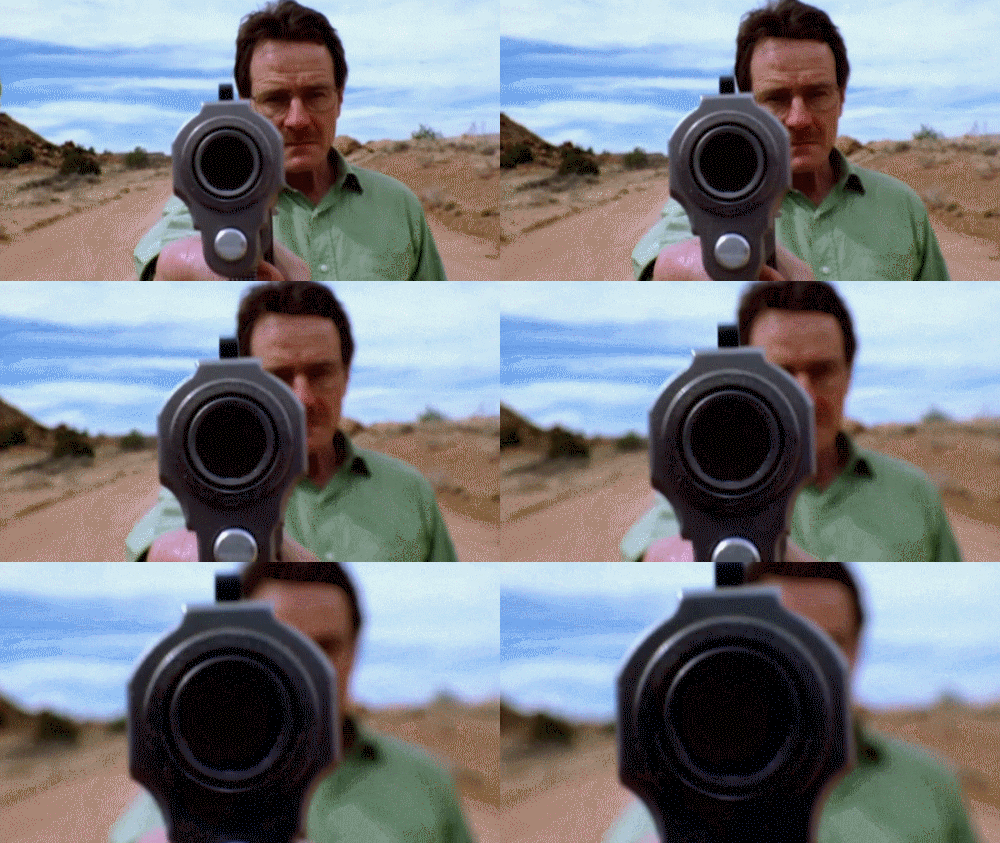
Breaking Bad (2008) Vince Villigan

Requiem for a Dream (2000) - Darren Aronofsky
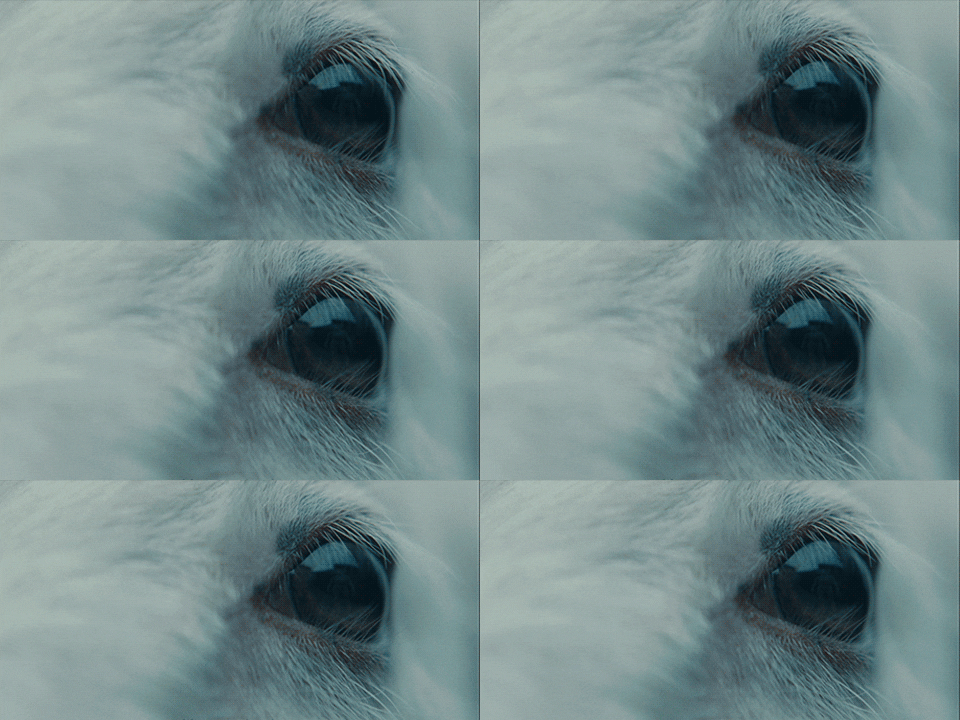
Lamb (2021) Valdimar Jóhannsson
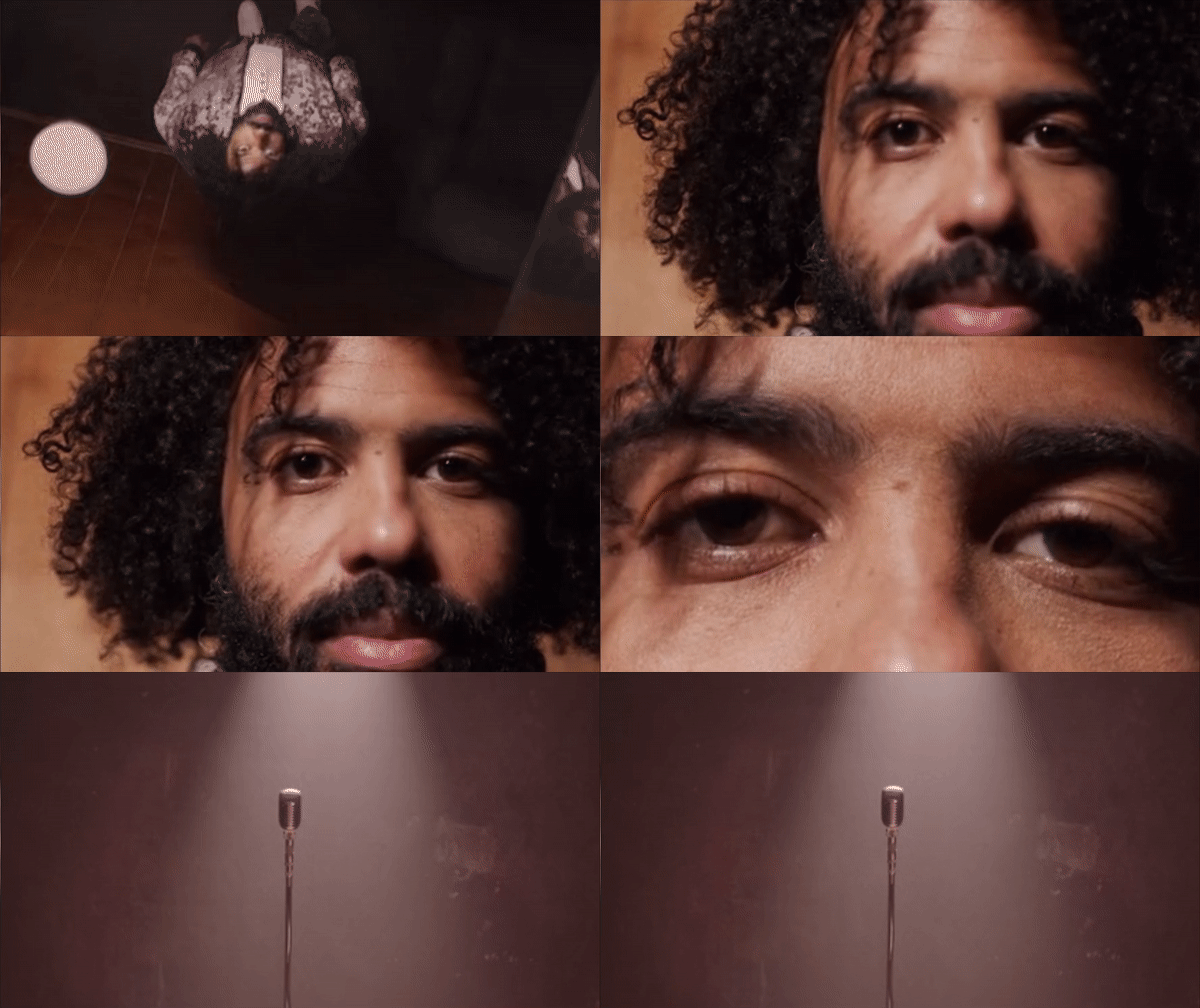
EA SPORTS FC x Triangles ft. Dave (2023)
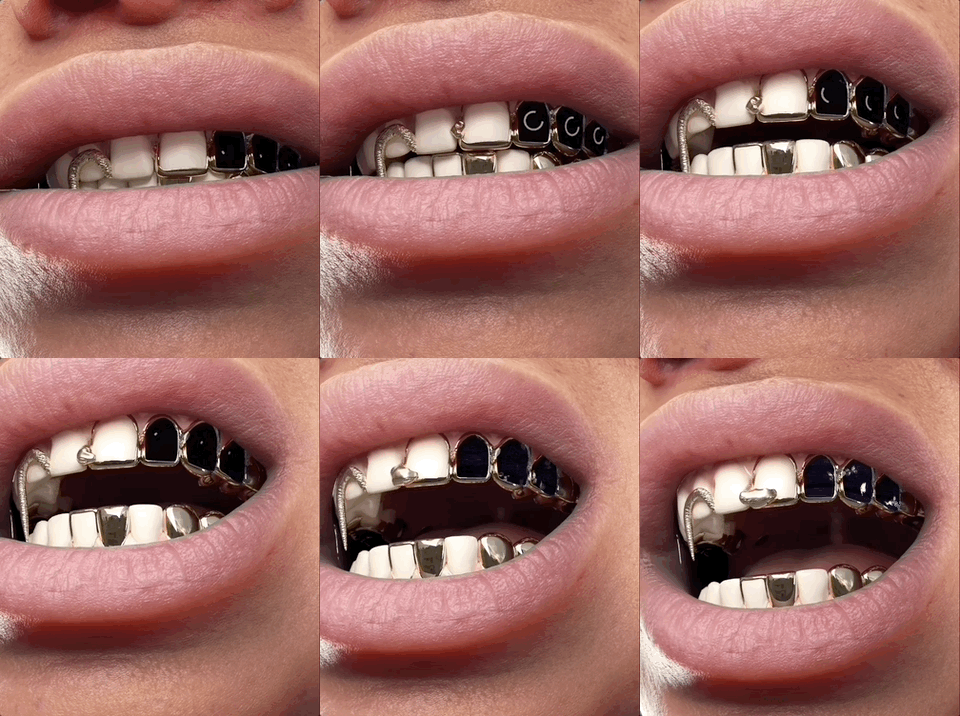
Zak Sheinman - @zaksheinman
2001: A Space Odyssey (1968), Stanley Kubrick
THE HUNGER GAMES: CATCHING FIRE 2013 dir. Francis Lawrence
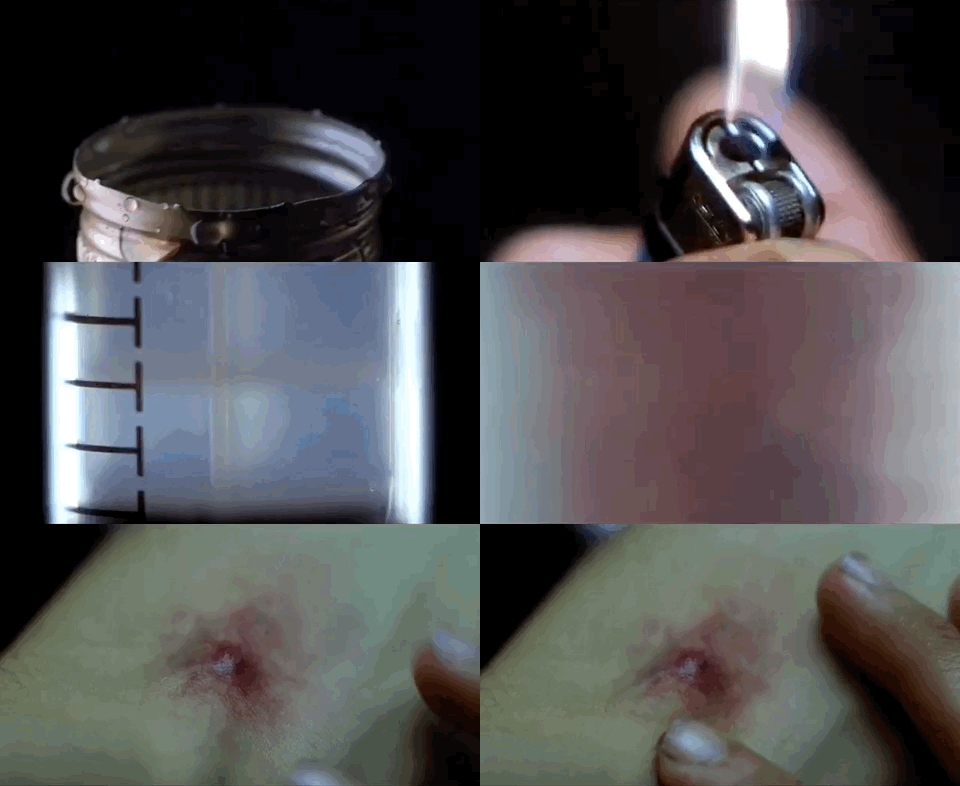
Requiem for a Dream (2000) - Darren Aronofsky
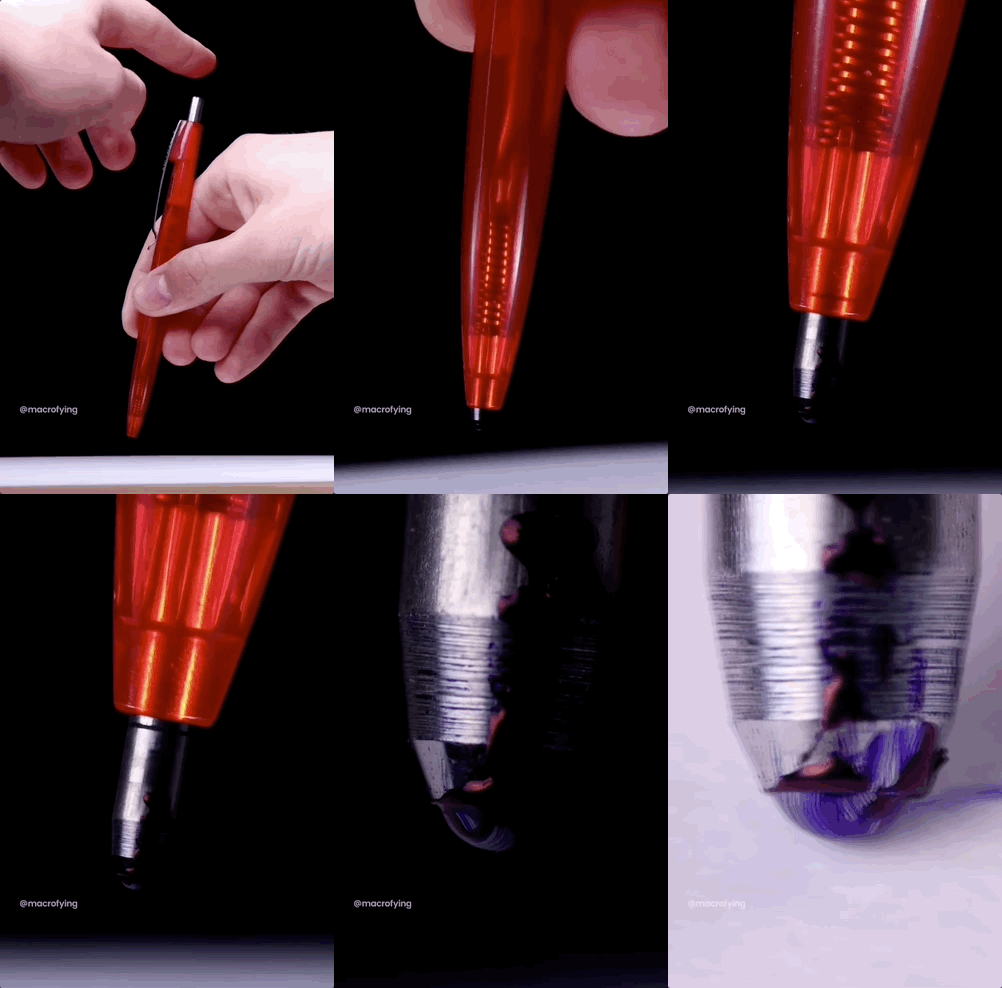
@macrofying / IG
Grant Spanier - Playboy

@visualspirits - IG
Psycho (1960)
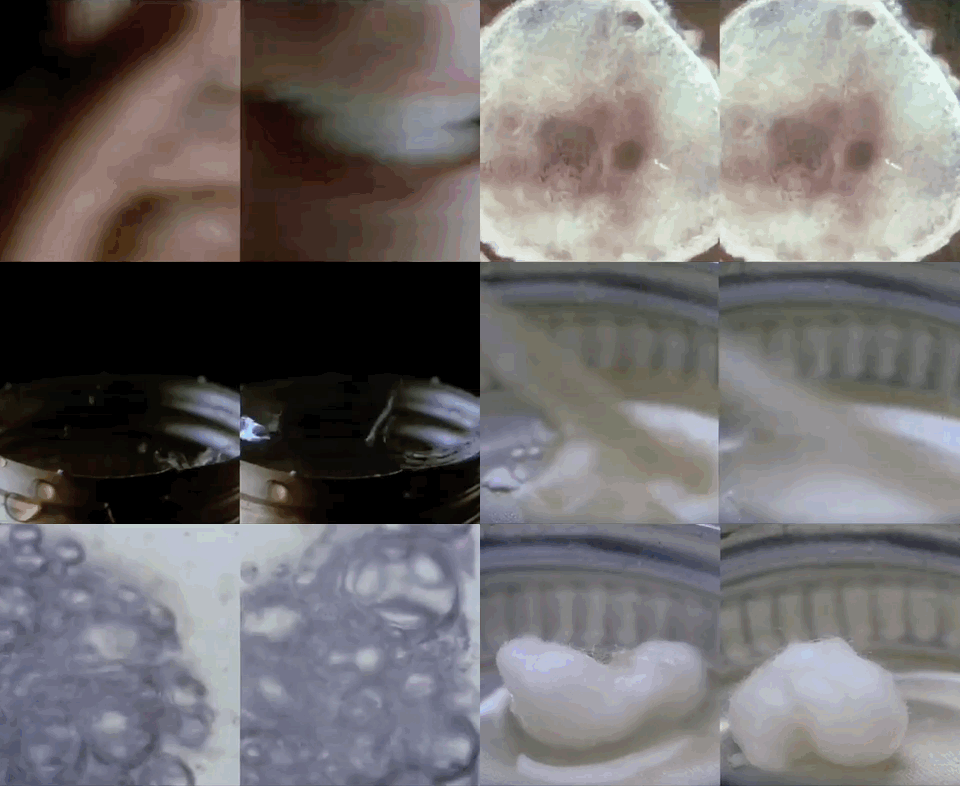
Requiem for a Dream (2000) - Darren Aronofsky

Requiem for a Dream (2000) - Darren Aronofsky
Moulin Rouge! (2001) dir. Baz Luhrmann
Tetsuo: The Iron Man (1989) dir. Shinya Tsukamoto
AMERICAN PSYCHO (2000) dir. Mary Harron
SCREAM 1996 dir. Wes Craven





DIVE DEEPER
DIVE DEEPER
Extreme Close-up 101
-
There are many directors who use extreme closeups in their films to convey intimacy, tension, and emotion. Some of the most notable directors who frequently use this technique include:
Darren Aronofsky - Known for his use of extreme closeups to create an intense and intimate atmosphere in his films.
Martin Scorsese - Often uses extreme closeups to emphasize the characters' facial expressions and emotions.
Stanley Kubrick - Known for his precise use of extreme closeups to create a sense of unease and tension in his films.
Paul Thomas Anderson - Often uses extreme closeups to highlight the characters' emotions and add a sense of intimacy to his films.
David Lynch - Known for his use of extreme closeups to create a sense of unease and surrealism in his films.
-
Extreme closeups are a common technique used in movies to convey intimacy, tension, and emotion. This shot typically focuses on a part of the character's face or body, such as their eyes or mouth, to create a sense of closeness with the audience.
One of the most famous examples of extreme closeups in movies is the opening shot of Sergio Leone's "The Good, the Bad and the Ugly" (1966), where the camera zooms in on the eyes of the three main characters in extreme detail. This shot not only establishes the characters but also sets the tone for the film's intense and gritty atmosphere.
Another example of extreme closeups in movies can be seen in Martin Scorsese's "Taxi Driver" (1976), where the camera lingers on Robert De Niro's character's eyes throughout the film to convey his troubled and unstable state of mind.
More recently, Darren Aronofsky's "Black Swan" (2010) features numerous extreme closeups of Natalie Portman's character's face and body to emphasize the physical and psychological toll of her role as a ballerina.
-
Extreme closeups are also commonly used in music videos to convey intimacy, emotion, and intensity. This shot often focuses on the singer's face or body to highlight their performance and add a sense of intimacy to the video.
One of the most famous examples of extreme closeups in music videos is Madonna's "Like a Prayer" (1989), where the camera zooms in on her face as she sings the chorus. This shot creates a sense of emotional intensity and adds to the religious themes of the video.
Another example of extreme closeups in music videos can be seen in Beyonce's "Single Ladies (Put a Ring on It)" (2008), where the camera focuses on her face and body to emphasize the dance choreography and showcase her performance.
More recently, Billie Eilish's "Therefore I Am" (2020) features extreme closeups of her face and hands throughout the video, creating an intimate and intense atmosphere that matches the song's emotional tone.
-
A closeup shot and an extreme closeup shot are both used in film and photography to highlight a specific detail or emotion, but there is a distinct difference between the two.
A closeup shot generally frames the character's face, head, and shoulders, emphasizing their facial expressions, emotions, and body language. It allows the audience to see the character's eyes, mouth, and other facial features in detail, creating a sense of intimacy and connection.
On the other hand, an extreme closeup shot takes the closeness to another level, focusing on a specific detail, such as the eyes, mouth, or hands, to convey an even greater sense of intimacy, tension, or emotion. It can create a feeling of discomfort or unease, emphasizing the importance of that detail and conveying a specific mood or emotion.n
ARTIST SPOTLIGHT
ARTIST SPOTLIGHT
Darren Aronofsky’s
Extreme Close-Ups
Darren Aronofsky is a filmmaker known for his distinctive visual style, which often includes the use of extreme closeups to create intimacy and intensity in his films.
With these shots, he brings the audience into the characters' personal space and creates a sense of emotional closeness. Aronofsky's use of extreme closeups can be seen in films like "Requiem for a Dream," "Black Swan," and "Mother!," where he uses them to heighten the tension and convey the characters' psychological states.
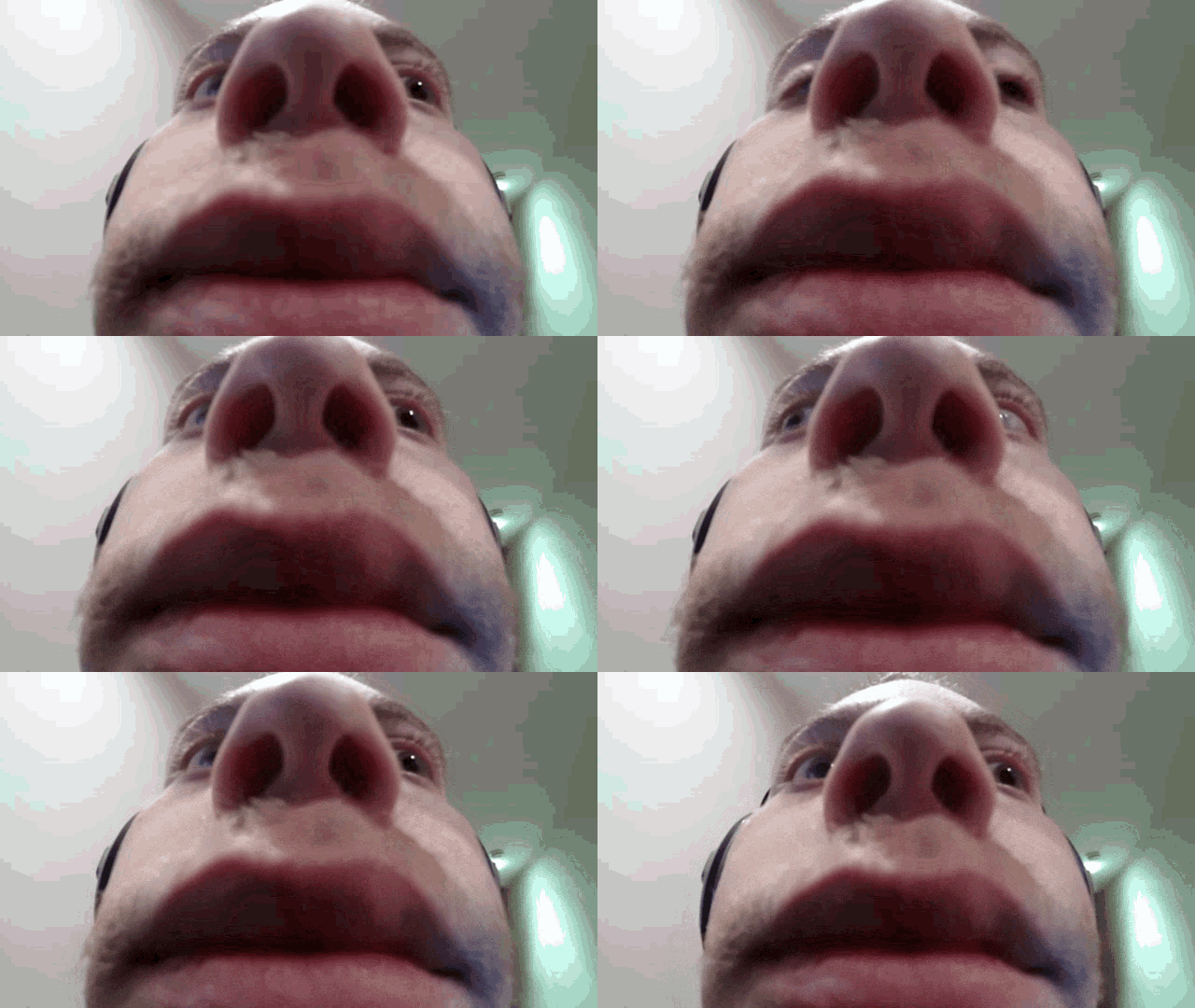
Another notable technique for Aronofsky is the Snorricam.